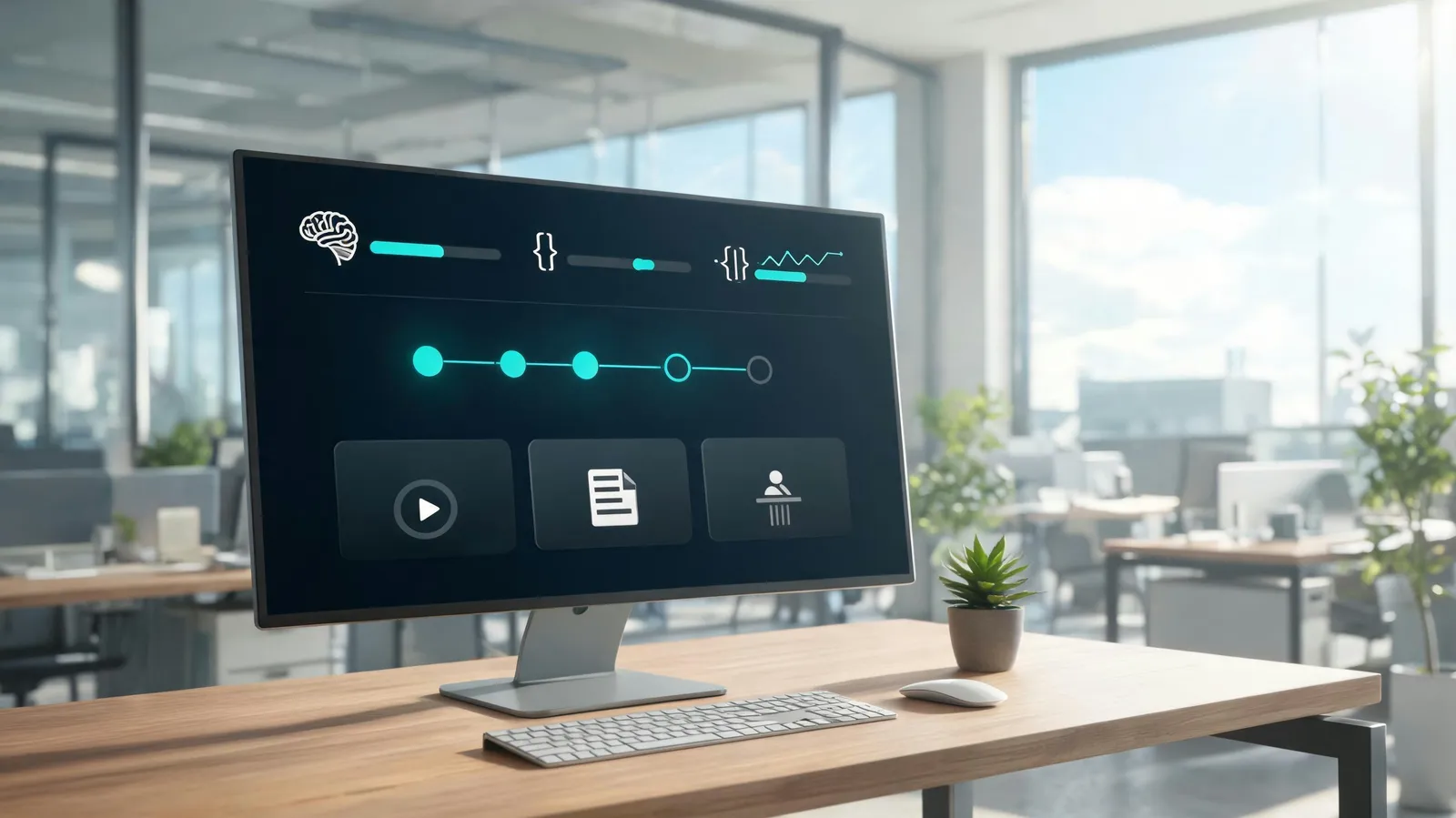
The fast pace of technological change is making traditional skills obsolete, and according to the World Economic Forum, 50% of all employees will need reskilling by 2025. As the shift toward a skills-based economy speeds up, the limitations of traditional education and training models are becoming more evident. AI-powered upskilling platforms, micro-credentials with AI-verified competencies, and adaptive career pathways are converging to create a lifelong learning ecosystem that is more responsive, personalized, and effective, helping individuals thrive in the AI era.
1. AI Upskilling and Reskilling Platforms: The Engine of Continuous Learning
AI upskilling platforms are changing how people acquire new skills by delivering personalized learning experiences at scale. These platforms use artificial intelligence to analyze individual skill gaps, recommend tailored content, and provide real-time feedback, making learning more efficient and engaging.
1.1 Personalized Learning Paths
AI algorithms assess an employee's current competencies and compare them to desired roles or industry standards. For example, IBM's AI-powered learning platform, Your Learning, uses cognitive computing to recommend courses and resources, resulting in a 40% increase in employee engagement. Such platforms reduce the time required to master new skills by focusing on relevant content and eliminating redundant training.
1.2 Real-Time Skill Assessment and Feedback
Adaptive assessments powered by AI provide immediate, actionable insights into a learner's progress. Coding bootcamps like Codecademy use AI to evaluate code in real time, offering personalized hints and correcting mistakes instantly. This approach has been shown to improve completion rates by up to 30% compared to traditional online courses.
2. Micro-Credentials and AI-Verified Competencies: The New Currency of Skills

Micro-credentials are short, focused certifications that validate specific skills, and they are gaining traction as employers seek granular evidence of competencies. AI and blockchain technologies are being used to verify these credentials, ensuring their authenticity and relevance.
2.1 The Value of Micro-Credentials
Micro-credentials are stackable, allowing learners to build a portfolio of verified skills. According to a 2023 survey by the University Professional and Continuing Education Association, 75% of employers now accept micro-credentials as valid proof of skills. Programs like Google's Career Certificates in data analytics have enabled thousands of learners to gain job-ready skills in months, not years.
2.2 AI Verification for Tamper-Proof Validation
AI-powered digital badges, secured by blockchain, provide tamper-proof records of achievement. For instance, platforms like Credly use AI to verify the authenticity of badges and match them to employer requirements. This reduces hiring bias by focusing on verified skills rather than traditional credentials, leading to a 25% reduction in time-to-hire for technical roles.
3. Adaptive Career Pathways with AI Guidance: Navigating the Future of Work
AI is transforming career navigation by providing personalized guidance and predicting future skill demands. Adaptive career pathways help individuals make informed decisions about their professional development.
3.1 AI-Powered Career Coaching
AI career coaches, such as LinkedIn Learning's AI-powered coach, analyze a user's skills, interests, and market trends to recommend career moves and learning resources. Data shows that users who follow AI recommendations are 50% more likely to successfully transition to new roles within a year.
3.2 Dynamic Career Mapping
Companies like Unilever use AI to map internal talent mobility, identifying employees whose skills match emerging roles. This proactive approach has reduced time-to-fill positions by 30% and increased internal mobility by 20%. AI also predicts future skill demands, enabling organizations to upskill their workforce ahead of market shifts.
Conclusion
The convergence of AI upskilling platforms, micro-credentials, and adaptive career pathways is creating a holistic learning ecosystem that fosters agility, reduces skills gaps, and empowers individuals to take control of their careers. As AI continues to integrate with learning systems, we can expect seamless, lifelong learning journeys that adapt to the evolving demands of the future of work. Embracing these technologies is no longer optional—it is essential for staying relevant in the AI-powered economy.