Skip to content

Fitness · free · no sign-up

AI Workout Plan Builder

Tell us your goal, how many days you can train and what equipment you have. You will get a weekly plan with exercises, sets, rest and a simple way to progress.

Try:0 / 4000

How to get a better plan

  • Be specific about time. "3 days, 30 minutes" produces a very different plan from "5 days, 60 minutes".
  • List your equipment. Bodyweight only, a pair of dumbbells, resistance bands or a full gym.
  • Mention what you enjoy. You are more likely to stick with a plan that includes activities you like.

Progressing safely

A good beginner plan increases difficulty slowly: add one or two reps, a small amount of weight or one extra set each week, and take an easier week every four to six weeks. Stop any exercise that causes sharp pain.

Frequently asked questions

Is the workout plan really free?

Yes. You can generate as many plans as you like without creating an account.

What should I include in my request?

Your goal (strength, fat loss, endurance), experience level, days per week, minutes per session, available equipment and any limitations such as a sore knee.

Can I use the plan if I have an injury?

The tool does not give rehabilitation advice. If you have an injury or a medical condition, ask a doctor or physiotherapist before starting a new programme.

Read more: Workout Plans

View all →
  • Workout Plans

    How AI Is Transforming Recovery, Injury Prevention, and Athletic Performance

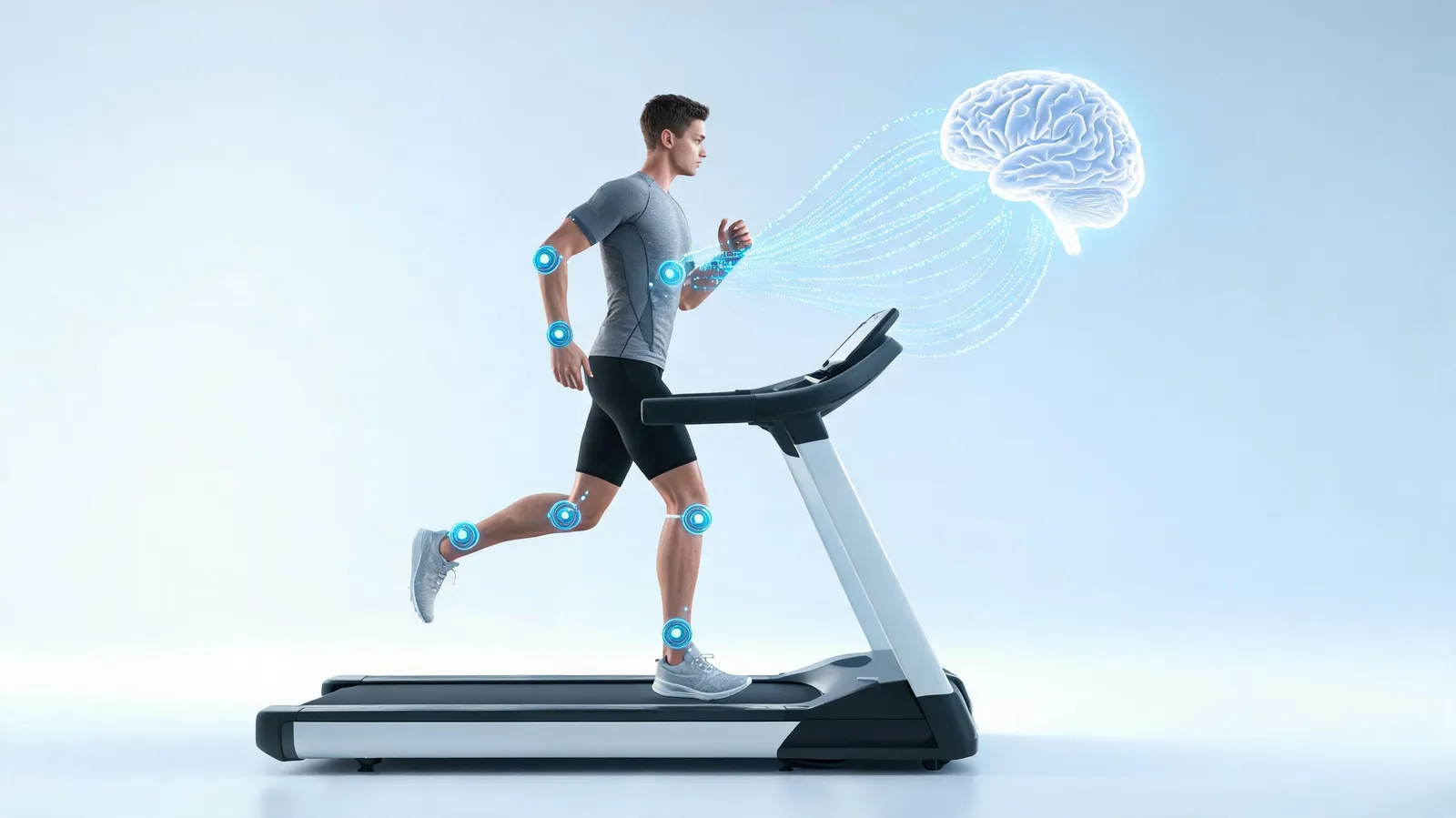
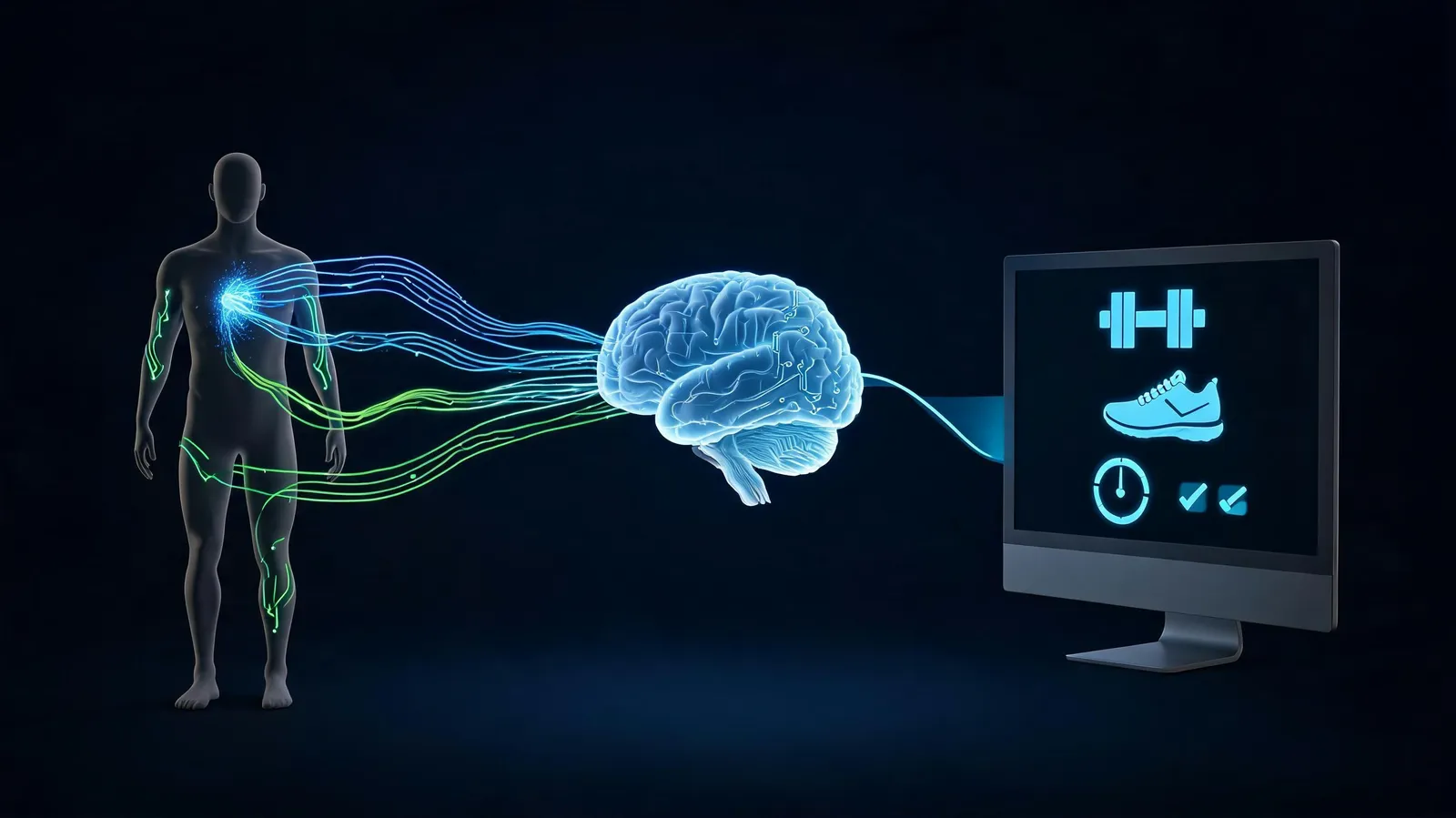
    Sports science has progressed for decades, yet injuries and overtraining still plague many athletes. Conventional training plans frequently overlook recovery, sleep, nutrition, and real-time physiological signals. AI-powered workout plans address these gaps by using wearable and sleep-tracker data to deliver adaptive, personalized training that aims to lower injury risk and enhance performance.
  • Workout Plans

    Beyond Static Routines: How AI Is Reshaping Workout Personalization

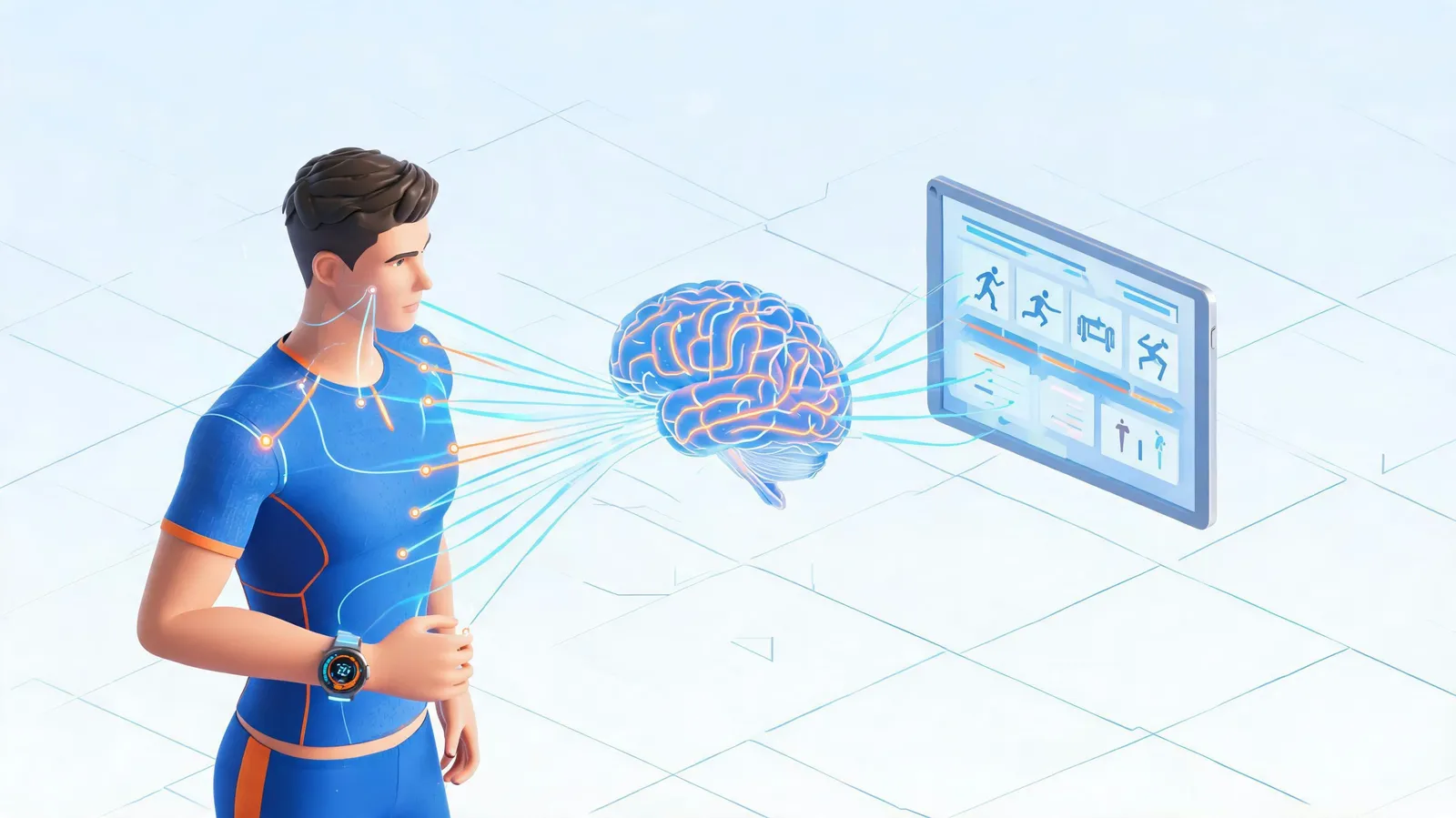
    Generic, unchanging workout plans often lead to stalled progress and higher injury risk because they ignore individual recovery, movement quality, and real-time performance. AI-driven training addresses this by combining adaptive algorithms, computer vision, and wearable sensor fusion to continuously tailor intensity, volume, and exercise selection, aiming to improve outcomes and reduce risk.