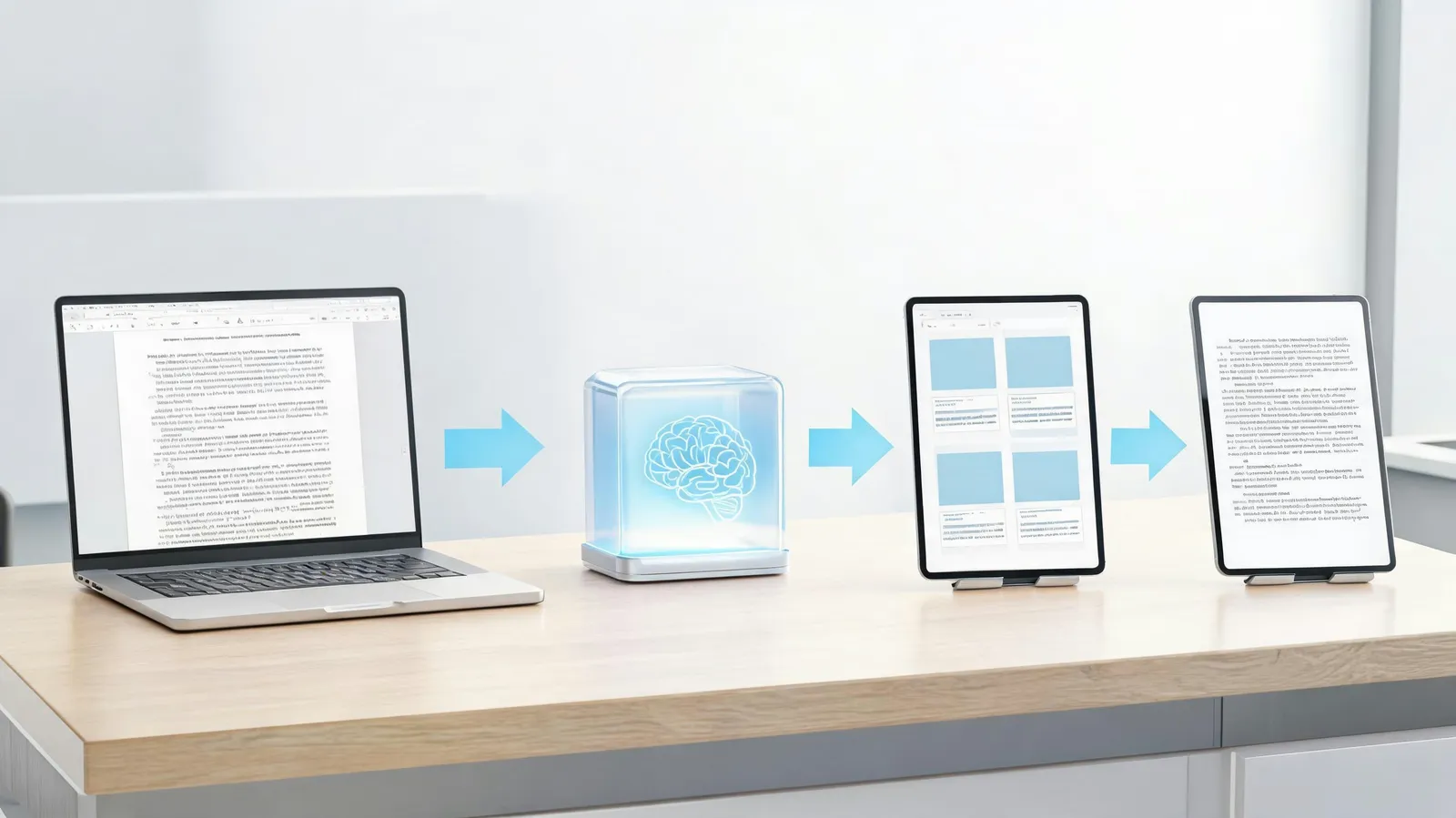
Student disengagement is a persistent challenge in education. Studies indicate that up to 40% of students are disengaged in traditional settings, leading to lower achievement and higher dropout rates. Conversational agents—chatbots and virtual tutors—have evolved from simple question-and-answer tools to sophisticated systems capable of dialogue, emotion recognition, and gamified interaction. This article explores how conversational agents can revolutionize student engagement through Socratic dialogue, affective computing, gamification, and productive struggle.
1. Socratic Dialogue: Asking the Right Questions to Spark Engagement
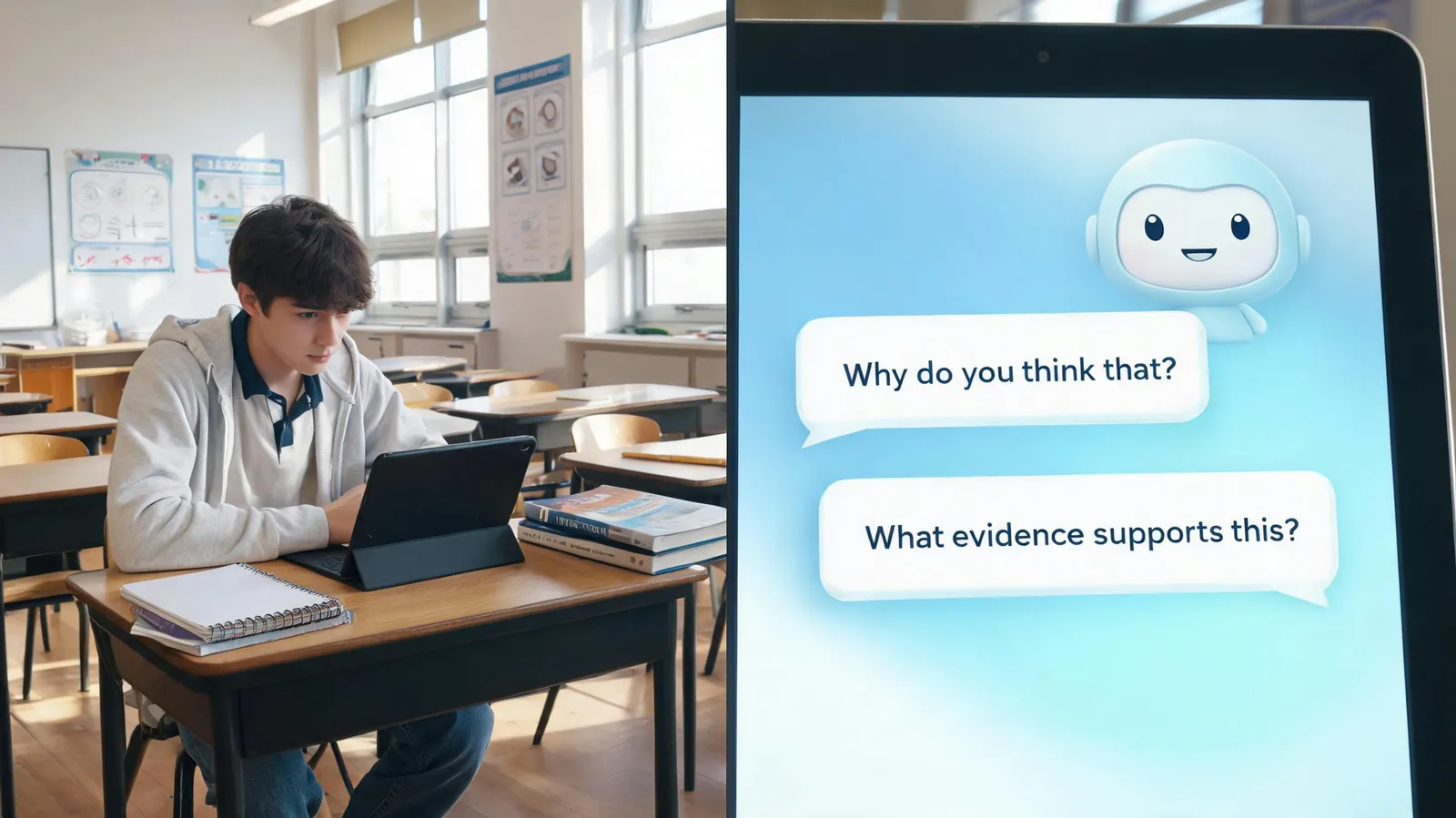
Socratic questioning is a powerful method to promote critical thinking and active participation. Conversational agents can be designed to ask open-ended questions that stimulate metacognition, guiding students to reflect on their own understanding. For example, an agent might ask, “What evidence supports your conclusion?” or “How might you approach this problem differently?” Research shows that such dialogic interaction increases time-on-task and improves self-explanation.
Design principles for Socratic questioning in conversational agents include using question types that probe assumptions, evidence, and implications. A case study of an agent guiding students through a math problem without giving answers demonstrated improved student reflection and persistence. Motivational benefits are evident: students engage longer when agents use Socratic methods, as they feel challenged but supported.
2. Affective Computing: Recognizing and Responding to Emotions for Supportive Engagement

Affective computing enables conversational agents to detect and respond to student emotions, providing personalized support. Techniques include sentiment analysis of text and facial expression detection via camera. Studies report high accuracy in emotion detection within educational contexts. For instance, an agent can offer encouragement when frustration is detected, or adjust its tone to match student affect.
The impact of emotional support on engagement and persistence is significant. Data link affective support to reduced dropout rates. A case study of an agent that adapts its tone based on student affect showed increased student persistence and satisfaction. By responding empathetically, agents create a supportive learning environment that maintains engagement.
3. Gamification: Sustaining Engagement Through Playful Interaction
Gamification elements such as points, badges, leaderboards, and narrative can boost motivation and sustained engagement. Conversational agents can integrate these strategies effectively. For example, an agent might use a quest-based narrative to teach history, immersing students in a story where they earn rewards for completing challenges. Research on gamification in educational technology supports its effectiveness in increasing engagement.
However, balancing extrinsic rewards with intrinsic motivation is crucial. The overjustification effect warns that excessive external rewards can undermine intrinsic interest. A case study of a gamified agent that fosters curiosity and autonomy demonstrates that when gamification aligns with students’ intrinsic goals, it enhances engagement without diminishing intrinsic motivation.
4. Navigating Productive Struggle: Turning Misconceptions into Learning Opportunities
Productive struggle—allowing students to grapple with challenging problems—is essential for deep learning. Conversational agents can identify and address misconceptions through dialogue. Strategies include using counterexamples to challenge incorrect ideas and asking probing questions. Research on misconception diagnosis using conversational agents shows promise in accurately identifying and remedying misunderstandings.
Fostering productive struggle while maintaining engagement requires providing scaffolding without giving away answers. Data on optimal challenge levels indicate that students are most engaged when tasks are difficult but achievable with support. A case study of an agent that provides gradual hints and encouragement shows that students persist through difficulties and develop resilience.
Conclusion
Conversational agents hold transformative potential for student engagement by integrating Socratic dialogue, affective computing, gamification, and productive struggle strategies. These agents create personalized, emotionally supportive, and motivating learning experiences. As AI advances, particularly with large language models, agents will become more adaptive and empathetic. However, ethical considerations must guide their development to ensure they enhance rather than replace human interaction. By leveraging these technologies thoughtfully, educators can revolutionize engagement and foster deeper learning.