Learner Modeling and Knowledge Tracing: The Machinery Behind Adaptive Difficulty
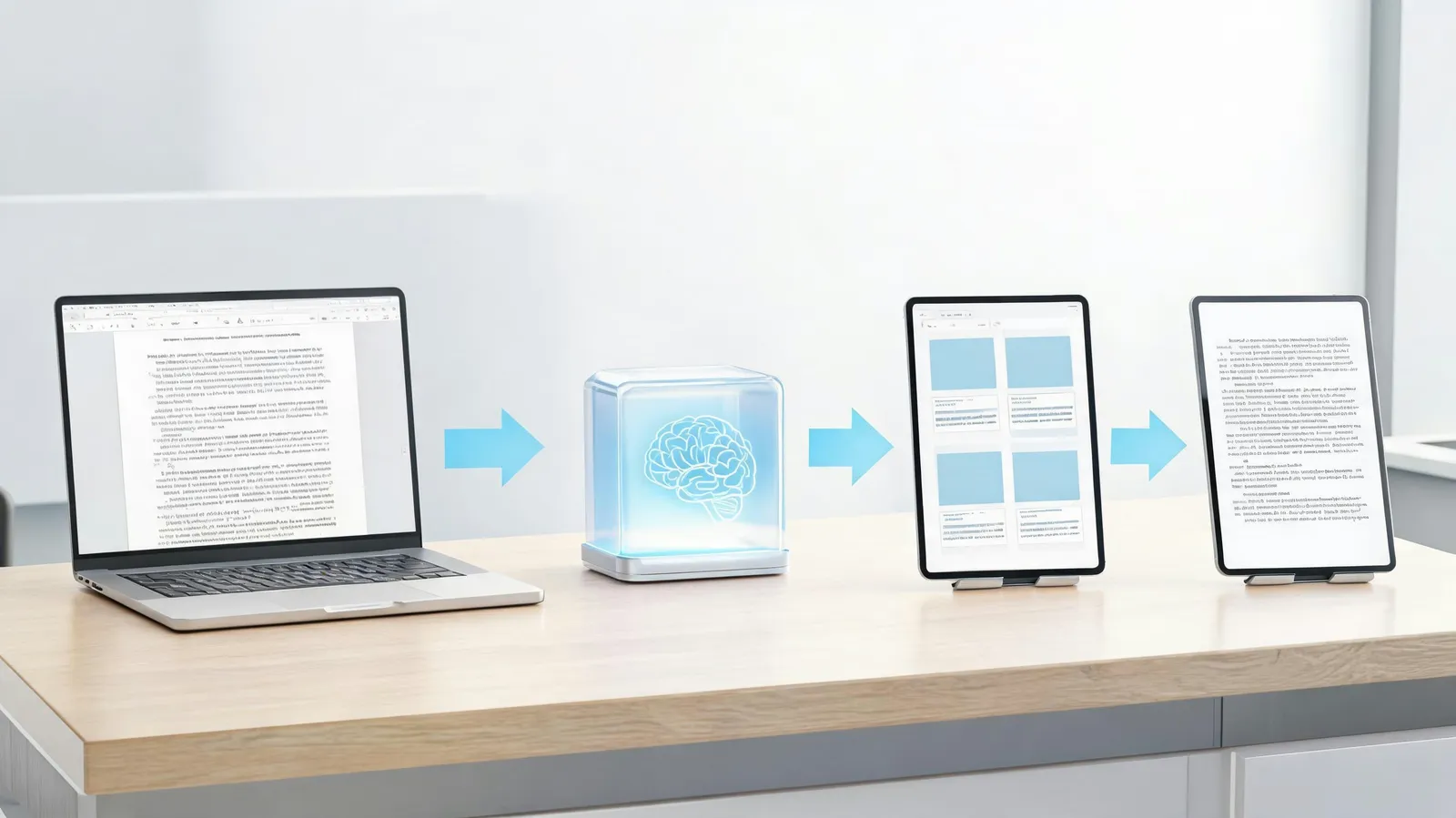
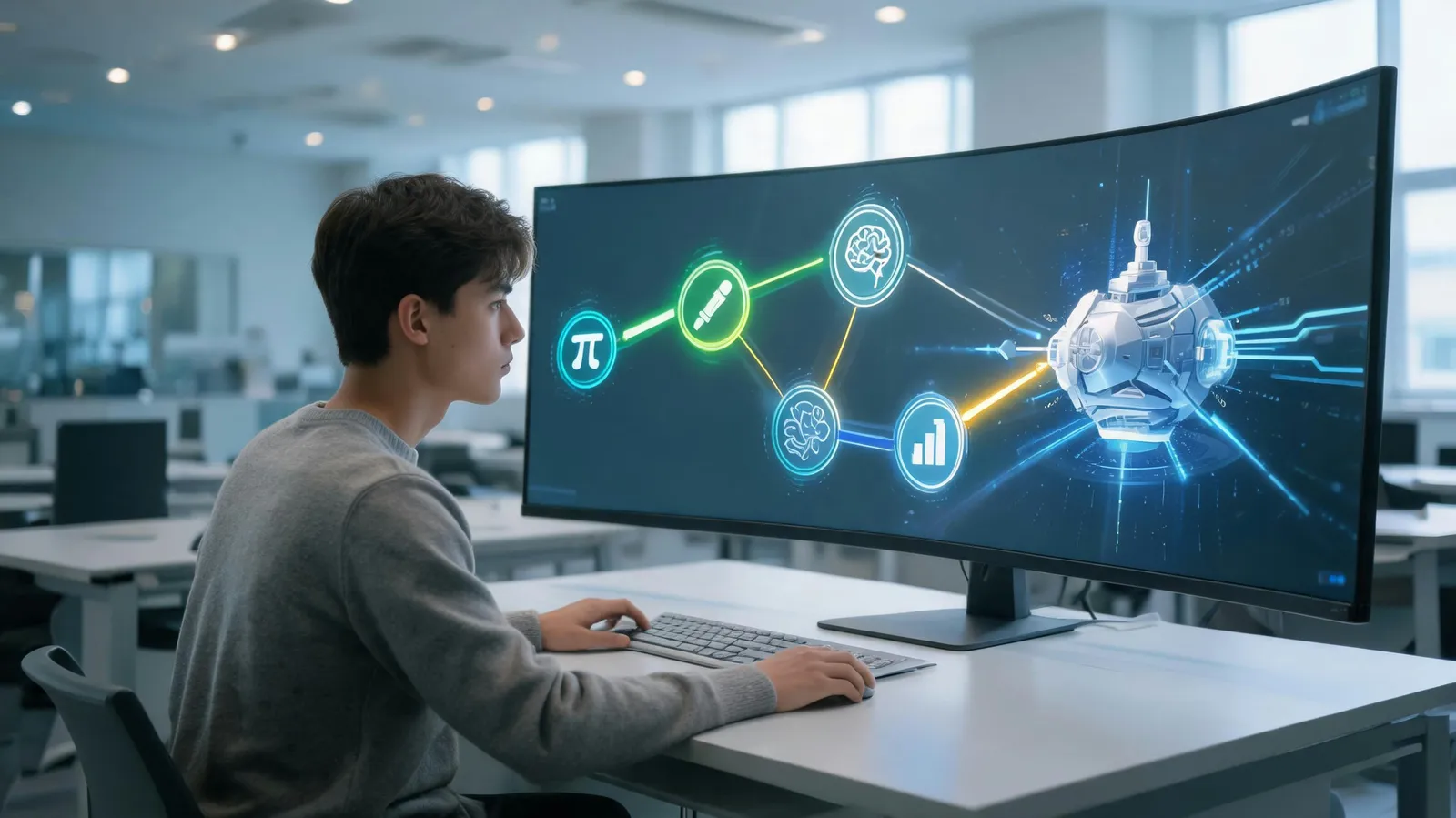
A personalized adaptive tutoring system depends first on grasping how each student's knowledge shifts over time. Knowledge tracing estimates a learner's command of specific skills as it develops, drawing on probabilistic methods and deep learning alike. Bayesian Knowledge Tracing (BKT) and Deep Knowledge Tracing (DKT) are two commonly used approaches for forecasting later performance and pinpointing skills that need reinforcement. According to recent studies, deep learning models can raise prediction accuracy by as much as 20% relative to conventional methods.
Adaptive difficulty follows from this modeling work. Equipped with a learner model, the system picks problems that stretch a student without overwhelming them, aiming to maximize learning gains. Case studies indicate that adjusting difficulty this way boosts engagement and cuts down on frustration, making learning more efficient. One randomized controlled trial in middle school math, for example, found that students working with an adaptive system improved their test scores by 15% more than a control group.
Curriculum-Aligned Scaffolding and Automated Hints: Support at Every Step
Scaffolding divides complex tasks into steps a learner can handle at their present level, keeping the sequence consistent with curriculum standards. Research on scaffolded instruction in math and science reports meaningful improvements in student understanding. A study in high school physics, for instance, found that students given scaffolded feedback surpassed their peers by 12% on problem-solving tasks.
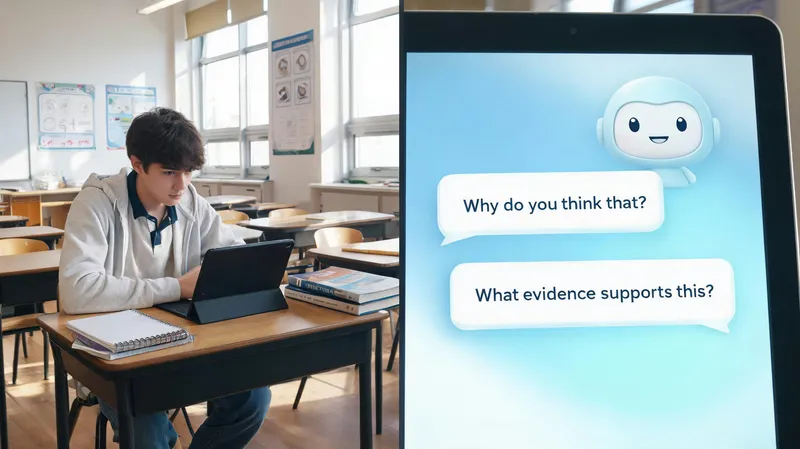
Hint generation draws on natural language processing and pedagogical rules to supply timely, specific hints that stop short of revealing answers. Studies suggest that using hints improves learning outcomes, and hints produced by AI can match the effectiveness of those written by humans. In a comparison study, students who received AI-generated hints made learning gains similar to those who received hints from human tutors, at a fraction of the cost.
Multimodal Tutoring: Voice, Vision, and Handwriting as Learning Channels
Multiple modalities can enrich adaptive systems, making interactions more natural. Voice input supports conversational tutoring and spoken responses, which helps particularly in language learning and accessibility. Speech recognition in language tutoring apps, for example, has been shown to raise pronunciation accuracy by 25% and to increase engagement.
Analyzing vision and handwriting lets a system read students' written work and facial expressions, then respond with feedback and adjust instruction. Case studies of handwriting recognition in math tutoring show that students who get immediate feedback on handwritten steps make 30% fewer errors. Research on emotion detection adds another layer, enabling feedback that responds to frustration or boredom and improves the learning experience.
Longitudinal Evaluation of Learning Outcomes: Measuring What Matters
Validating an adaptive tutoring system requires rigorous evaluation over extended periods. Longitudinal studies follow student progress across long timeframes to gauge whether effects persist. Randomized controlled trials of adaptive tutoring have reported effect sizes between 0.2 and 0.8 standard deviations, pointing to moderate to strong impacts on learning.
Efficacy measures extend past test scores to engagement, motivation, and equity of outcomes. Evaluation frameworks for adaptive systems stress the value of these multidimensional measures. Case studies of successful deployments in varied settings show that adaptive tutoring can shrink achievement gaps, especially for underrepresented groups.
Conclusion
Adaptive, personalized tutoring marks a fundamental change in how education can be delivered. By combining knowledge tracing, curriculum-aligned scaffolding, multimodal input, and rigorous evaluation, these systems provide tailored instruction at scale. They offer a path toward greater educational equity and better outcomes for learners. As generative AI and virtual reality keep advancing, the prospect of more personalized and immersive learning experiences is substantial. Educators, developers, and researchers need to work together so these technologies are deployed effectively and ethically, opening the way to a future in which every student can thrive.