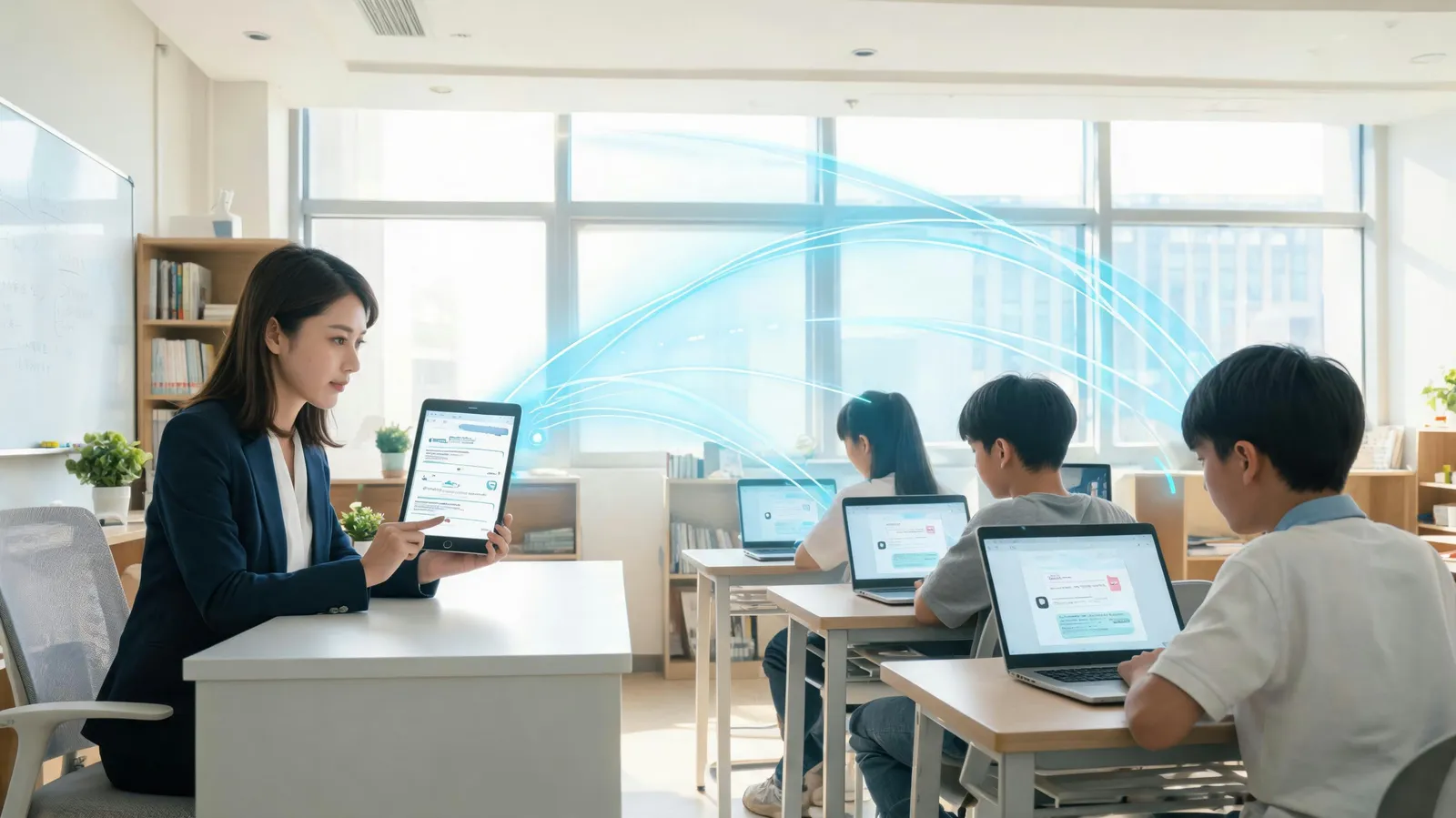
Artificial intelligence is no longer confined to student use; it is changing what teachers do, from preparing lessons to managing the flow of a classroom. With schools adopting AI copilots and mixed human–machine tutoring, instructors encounter both fresh possibilities and new pressures. This analysis looks at how well-targeted training and careful integration can free teachers to concentrate on higher-value exchanges, so that AI strengthens human instruction instead of displacing it.
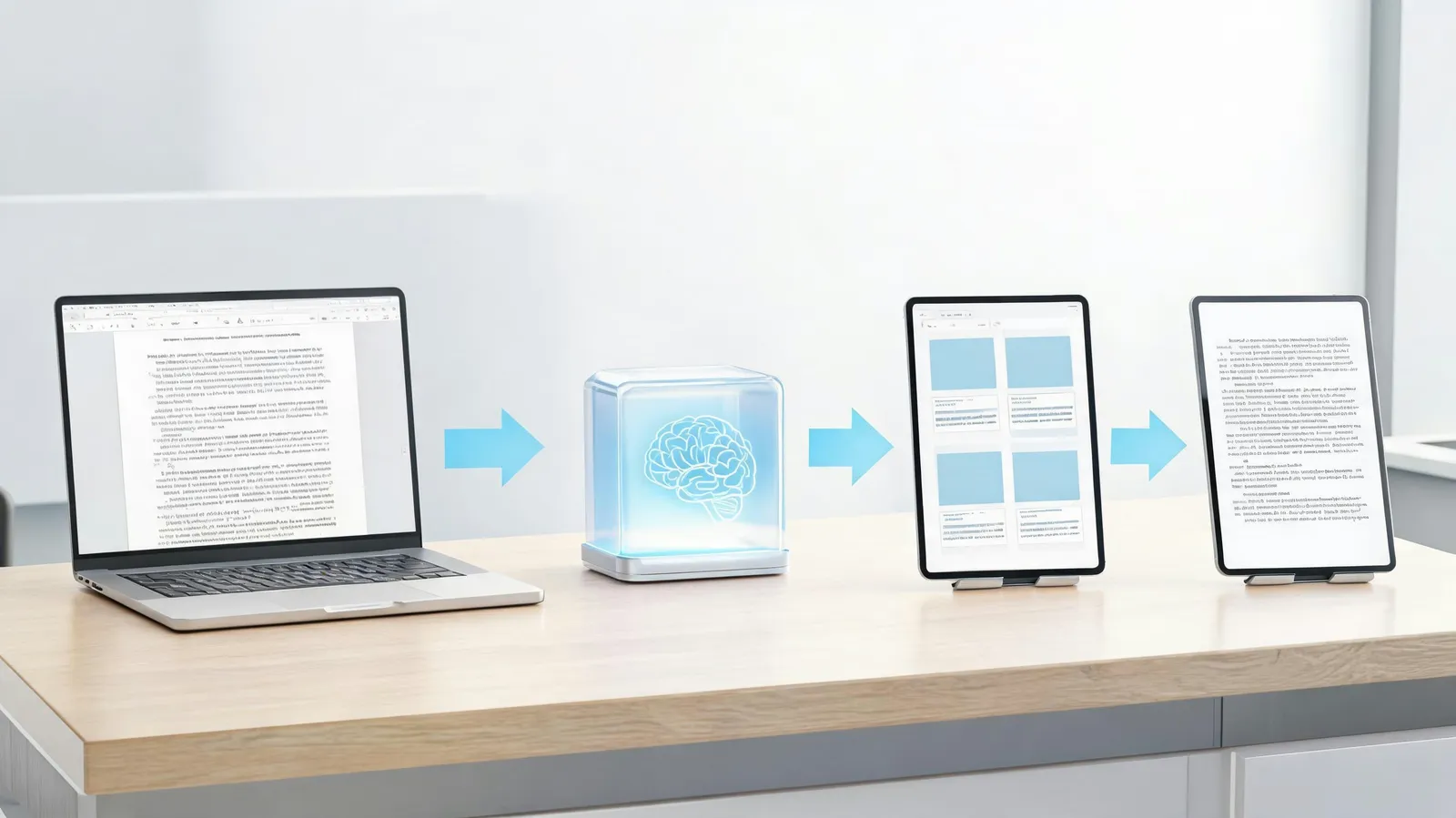
Copilots Built for Teachers: Less Planning, Faster Feedback
Teacher-facing AI copilots are becoming strong helpers, taking over routine work such as drafting lesson outlines and giving preliminary feedback on student assignments. Case studies report time savings of as much as 30% on planning, which lets educators redirect those hours toward direct work with students. AI-generated differentiated materials, for instance, allow teachers to adapt instruction for varied learners without spending hours preparing by hand. When the administrative load drops, teachers describe greater student engagement and higher job satisfaction.
With routine tasks automated, teachers can turn their attention to individualized instruction and social-emotional support. The same shift is backed by teacher accounts of more student interaction and by research linking reduced administrative burden to improved job satisfaction. Complex problem-solving and mentorship—tasks that cannot be handed to a machine—become the center of the teacher's day.
Training That Prepares Teachers for AI-Supported Teaching

Good professional development (PD) has to move past showing teachers how tools work and include pedagogical approaches for using AI in instruction. Programs that pair hands-on practice with reflective discussion tend to raise teacher confidence and improve student outcomes. Because AI tools change quickly, learning that is continuous and embedded in the job becomes essential. Peer-led learning communities, together with evidence on how sustained PD compares with one-off workshops, indicate that ongoing support is what lets teachers take on new roles.
As tools evolve, job-embedded learning on a continuing basis is critical. Models of peer-led communities and data comparing sustained PD with single workshops point to the same need for long-term support. Teachers who take part in sustained PD are in a better position to use AI well, moving from being the source of knowledge to serving as facilitator and coach.
Mixed Approaches: Human Teachers Alongside AI Tutors
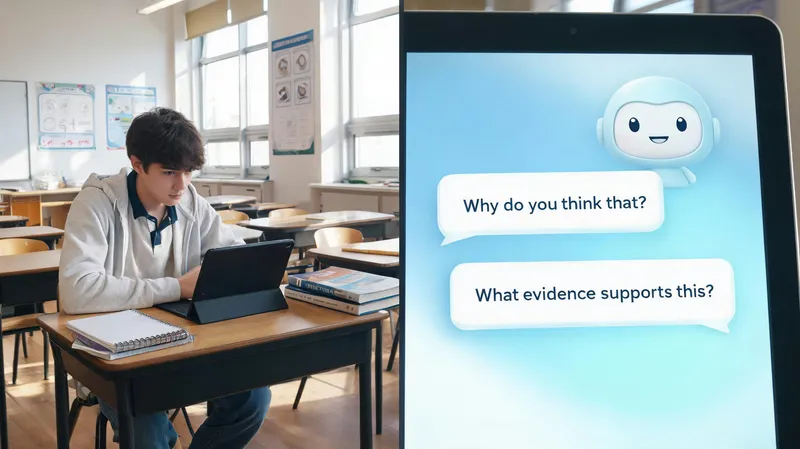
Blended tutoring brings AI and human teachers together to strengthen student learning. AI tutoring systems can offer personalized practice and immediate feedback, which leaves teachers free for complex problem-solving and mentorship. Research showing better student outcomes in blended models, along with examples of AI handling foundational skills while teachers lead project-based learning, points to what this combination can achieve. For blended models to work, they need careful orchestration so that AI and human instruction reinforce each other; frameworks for placing AI within lesson cycles and case studies of schools running blended tutoring offer useful guidance.
Careful orchestration is what makes blended models succeed in complementing human instruction. Frameworks for embedding AI in lesson cycles and accounts from schools that have adopted blended tutoring provide practical insight. When the pieces are coordinated well, blended models can personalize learning at scale while keeping the human connection students need.
Workload Effects and Shifting Pedagogical Roles
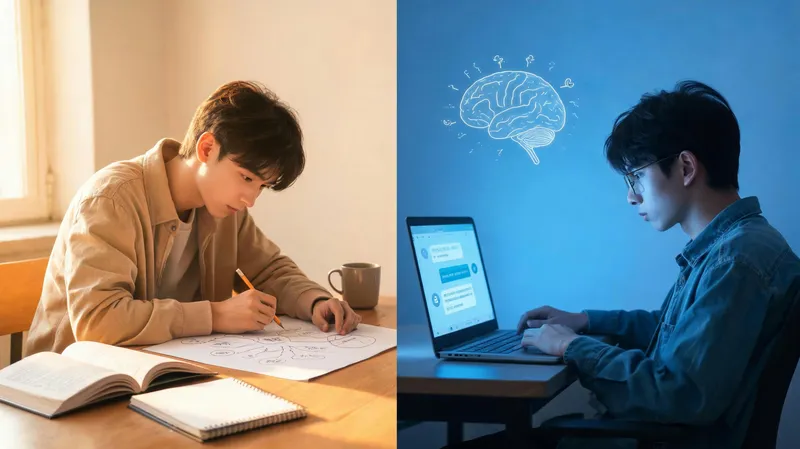
AI can lighten workload by automating grading and administrative chores, yet it may add new demands, including interpreting data and managing technology. Surveys of how teachers spend their time before and after AI adoption, together with studies of the learning curve for AI tools, show a mixed picture. Pedagogical roles move from dispensing knowledge to facilitating, coaching, and curating learning experiences. New role descriptions in AI-integrated schools and teachers' reflections on changing classroom dynamics illustrate this transformation. Teachers need support to navigate these shifts, with clear expectations and adequate training.
As roles move toward facilitation, coaching, and curation, examples from AI-integrated schools and teacher reflections on classroom change underscore the need for supportive policies and continuing dialogue. With AI taking on routine tasks, teachers can devote attention to higher-order skills and relationship-building, both central to student success.
Conclusion
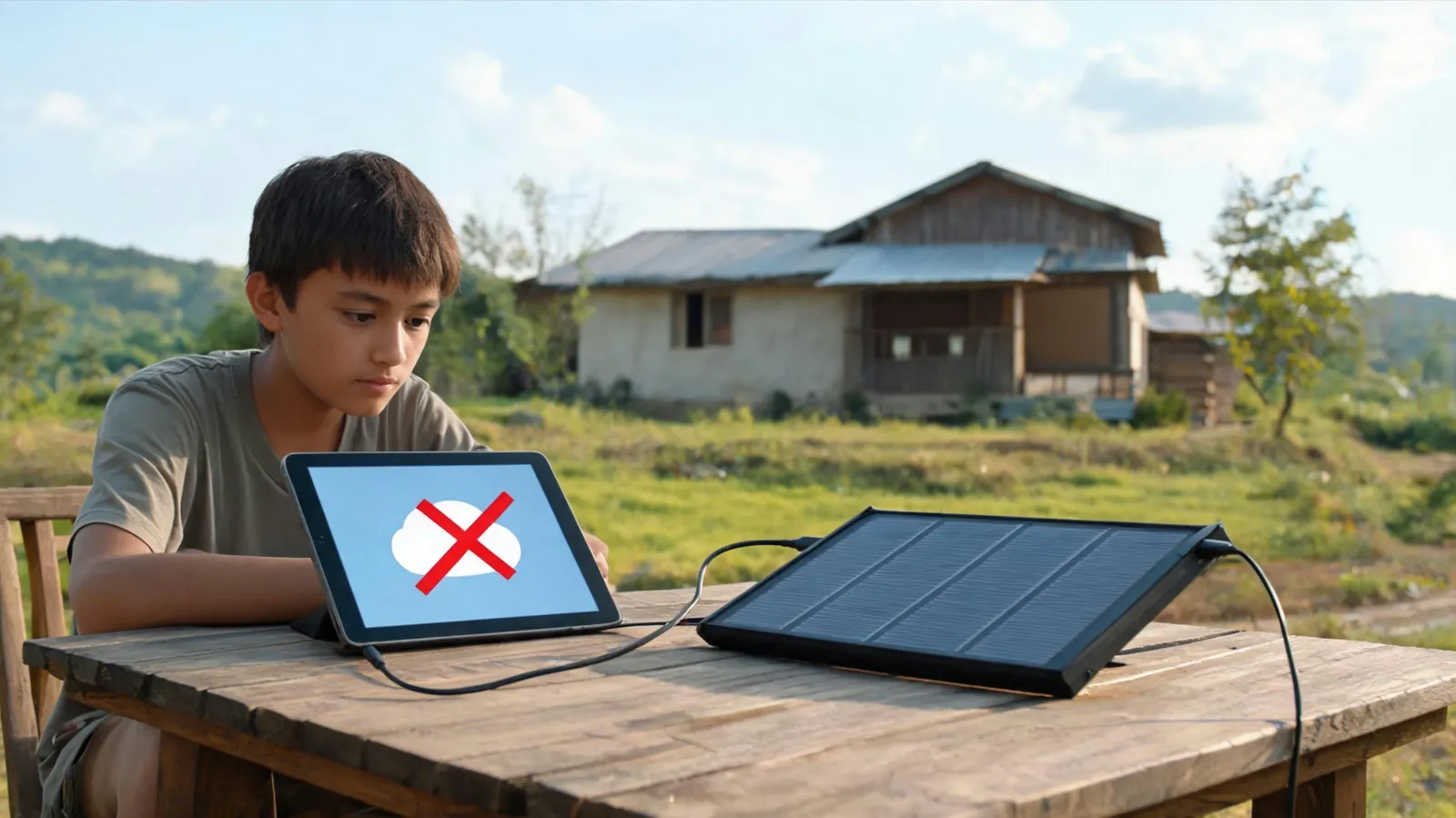
AI copilots, professional development, blended tutoring, and shifting workloads are together redefining what teachers do. The aim is to augment teachers, not replace them, and getting there requires investment in professional learning and supportive policies. AI could make education more personalized and more equitable, but only through a human-centered approach. Continued research and dialogue are needed to work through the challenges and keep teachers at the heart of AI-enhanced classrooms.