Forecasting Voter Behavior: Beyond Demographics to Behavioral Data
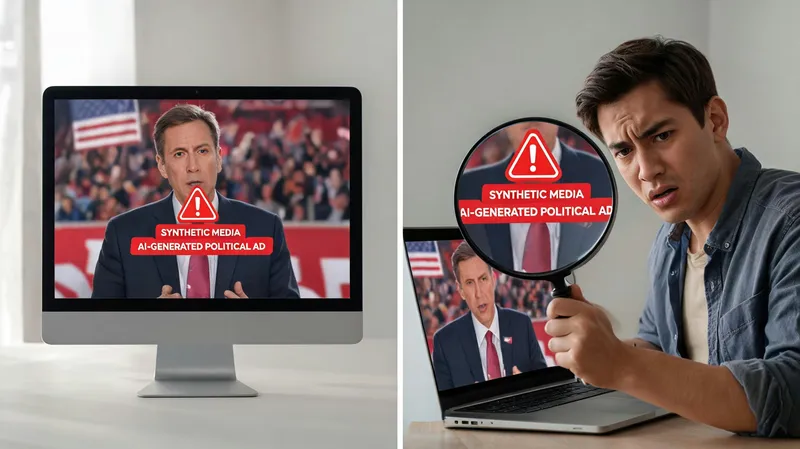
Forecasting how voters will act has moved well past basic demographic breakdowns. Today’s machine learning systems pull in a wide array of data sources to estimate individual preferences and likely actions. Modern AI-driven voter targeting combines voting records, online activity, consumer information, and social media interactions to build models that can pick out persuadable voters with notable precision. The 2012 Obama campaign’s use of predictive analytics to find and turn out supporters became a benchmark for data-intensive campaigning. Improvements in accuracy over conventional polling are now well documented, and some models can predict the probability of turnout with accuracy as high as 85%.
Machine learning methods, including random forests and neural networks, have become common for classifying voter intent. These models weigh the importance of different features—from social media activity to party registration—to produce individual-level scores that inform where resources go and how messages are crafted. The upshot is a precision electorate in which each voter is treated as a distinct data point, letting campaigns tailor outreach at an unusually fine level of detail.
Expanding Lookalike Audiences and Suppressing Turnout
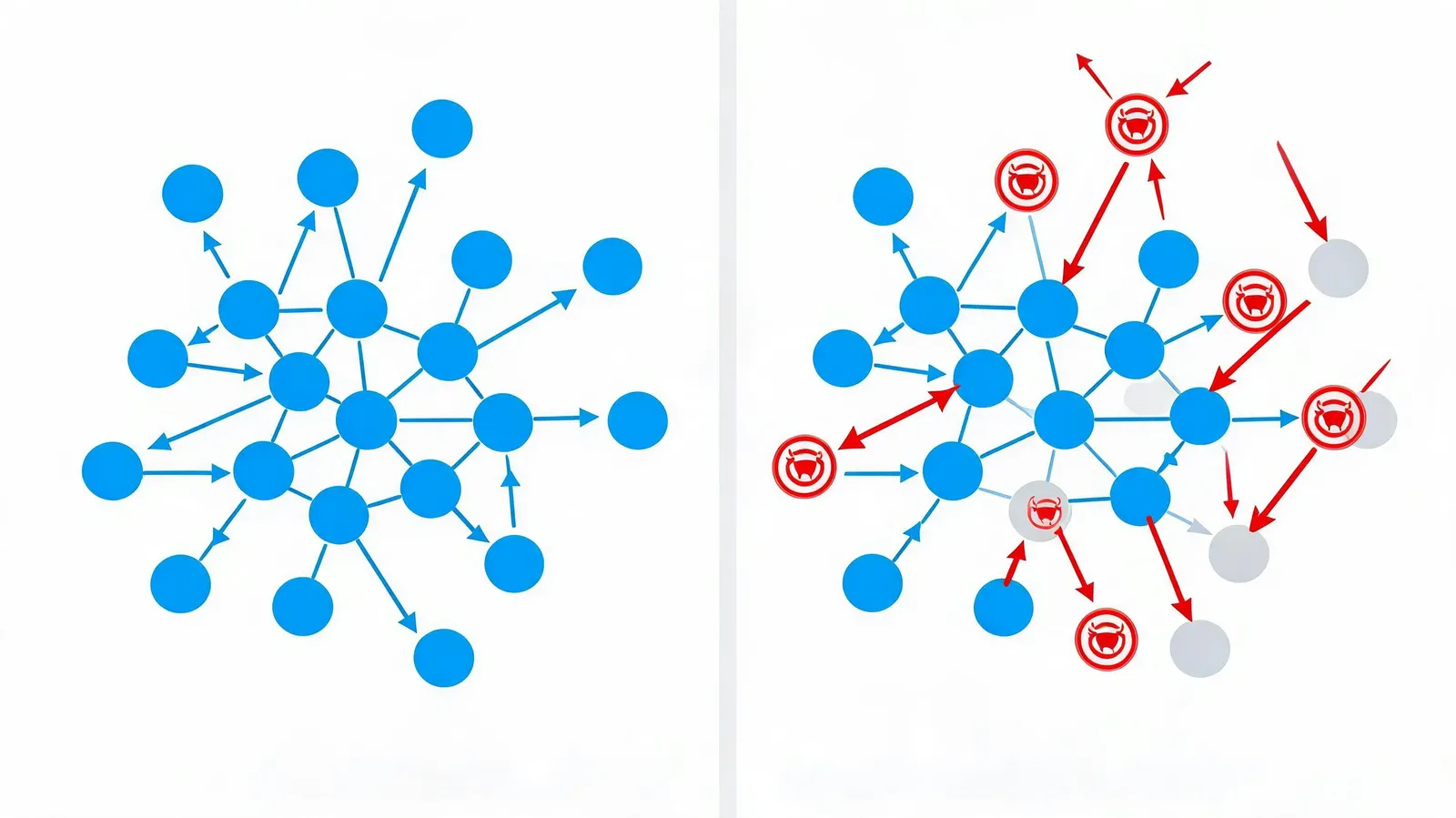
Lookalike audience expansion is now a central tactic in modern political campaigns. Starting with seed audiences of known supporters, campaigns can use machine learning to find similar voters across large datasets. A campaign might, for instance, double its donor base by targeting lookalikes on social platforms, relying on similarity measures such as cosine similarity over behavioral vectors to locate people who resemble existing supporters. This lets campaigns scale outreach efficiently while keeping precision.
Suppression strategies, by contrast, have become a contentious practice. AI can identify voters likely to oppose a campaign and discourage their turnout through negative messaging or, in some cases, misinformation. Case studies from recent elections point to micro-targeted suppression ads directed at particular demographic groups. Such tactics raise serious ethical questions and sit in legal gray areas, testing the limits of acceptable political conduct. The same AI capabilities used to grow support and to suppress opposition highlight the need for clear regulatory frameworks.
Bias and Fairness Risks in Algorithmic Voter Segmentation
Algorithmic voter segmentation carries built-in risks of bias and fairness violations. Bias can stem from historical data that reflects past discrimination, proxy variables such as zip code standing in for race, and feedback loops that magnify existing disparities. Studies have documented racial bias in predictive policing algorithms applied to voter suppression, and Facebook’s ad delivery system has been found to skew political ads by race and gender. Such biases can produce unequal resource allocation, voter suppression, and weakened trust in democratic processes.
The effects of biased micro-targeting go beyond any single campaign. They can create filter bubbles, deepen polarization, and invite legal challenges under the Voting Rights Act. As AI becomes more deeply embedded in political strategy, addressing these fairness risks is both an ethical imperative and a legal necessity. Campaigns need to audit their models for disparate impact and make sure targeting does not systematically disadvantage protected groups.
Privacy-Compliant Targeting Under Changing Data Protection Laws
Privacy-compliant targeting is becoming harder as data protection laws evolve. Major regulations such as the GDPR, CCPA, and emerging AI acts set strict requirements for how personal data may be collected, processed, and used in political micro-targeting. The Cambridge Analytica scandal was a turning point that led to tighter data rules and closer scrutiny of political campaigns. Consent requirements differ substantially between the US and the EU, with the latter generally imposing stricter standards.
Compliance strategies include anonymization, differential privacy, and transparent opt-in mechanisms. Some campaigns are trying federated learning to train models without centralizing personal data, gaining AI benefits while respecting privacy. Privacy advocates’ best practices stress data minimization, purpose limitation, and user control. As laws keep changing, campaigns must remain agile and put privacy by design first to keep public trust and avoid legal penalties.
Conclusion
AI-driven voter targeting and micro-segmentation are a double-edged sword for democratic engagement. Predictive modeling and lookalike strategies deliver unprecedented precision and efficiency, but they also bring significant risks of bias, fairness violations, and privacy breaches. As the precision electorate takes shape, ethical AI frameworks, transparency, and robust regulation become essential. By confronting these challenges directly, campaigns can use AI to strengthen democratic participation while protecting the integrity of the electoral process.