Machines at the Auction: Rethinking Search and Social Ads in the AI Era
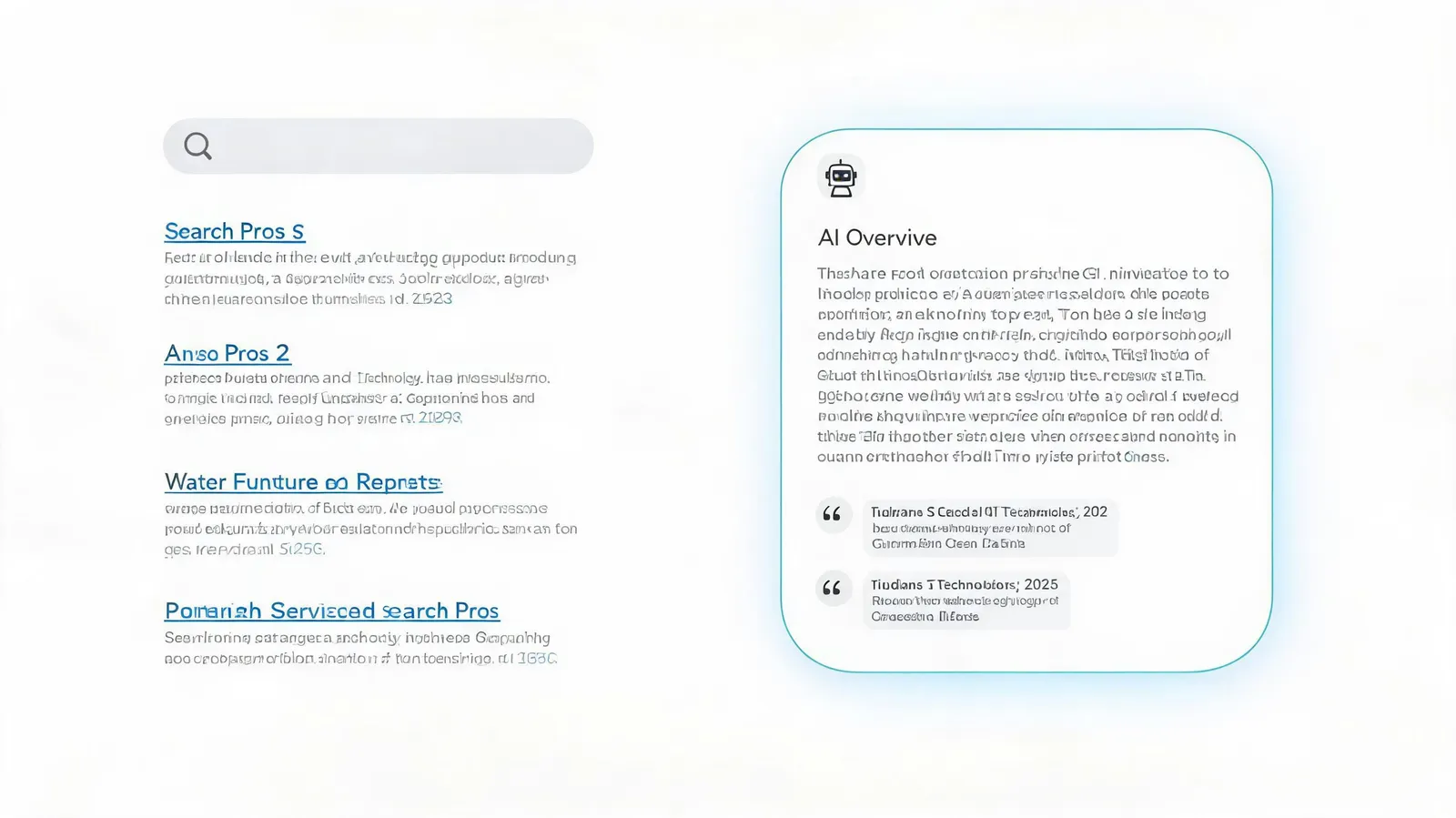
Global digital ad outlays are forecast to hit $700 billion by 2025, yet marketers must juggle ever more moving parts on search and social channels. Running campaigns by hand cannot easily keep up with split-second bidding, keyword choice, and creative resizing at scale. AI-powered tools are changing how search and social advertising works: they tune auctions, take over platform operations, forecast what users want, and reshape assets on the fly—which can mean better returns and more intelligent campaigns.
1. Tuning Search Auctions with Machine Learning
Search advertising runs on a live auction, with millions of bids fired off every second. Human bidding cannot match that tempo or complexity. Machine-learning algorithms digest large datasets and adjust bids in real time, weighing user behavior, device, location, time of day, and past performance. The result is spending that goes further and more conversions.
One illustration: a 2023 WordStream study found that AI-driven bid optimization lifted conversion rates by 20–30% and cut cost-per-acquisition (CPA) by as much as 40% among US advertisers. Google Ads, for instance, offers Smart Bidding, which uses AI to set bids for each auction. The system weighs signals such as operating system, browser, language, and even weather to estimate how likely a conversion is.
Predictive analytics also sharpen budget decisions. AI can estimate which keywords will do best and move budget accordingly. Take a retail brand that sees terms tied to “summer sale” picking up in July: the AI automatically shifts funds away from weaker terms. That can improve return on ad spend (ROAS). A 2024 McKinsey report found that companies using AI for budget allocation recorded a 15–20% ROAS gain over manual approaches.
AI can also surface negative keywords to curb waste. By examining search queries, it flags irrelevant terms and excludes them, so ads show only for relevant searches. Because the system keeps learning, it adapts over time to shifting consumer behavior and market trends.
2. Social Platforms’ AI Ad Managers and APIs
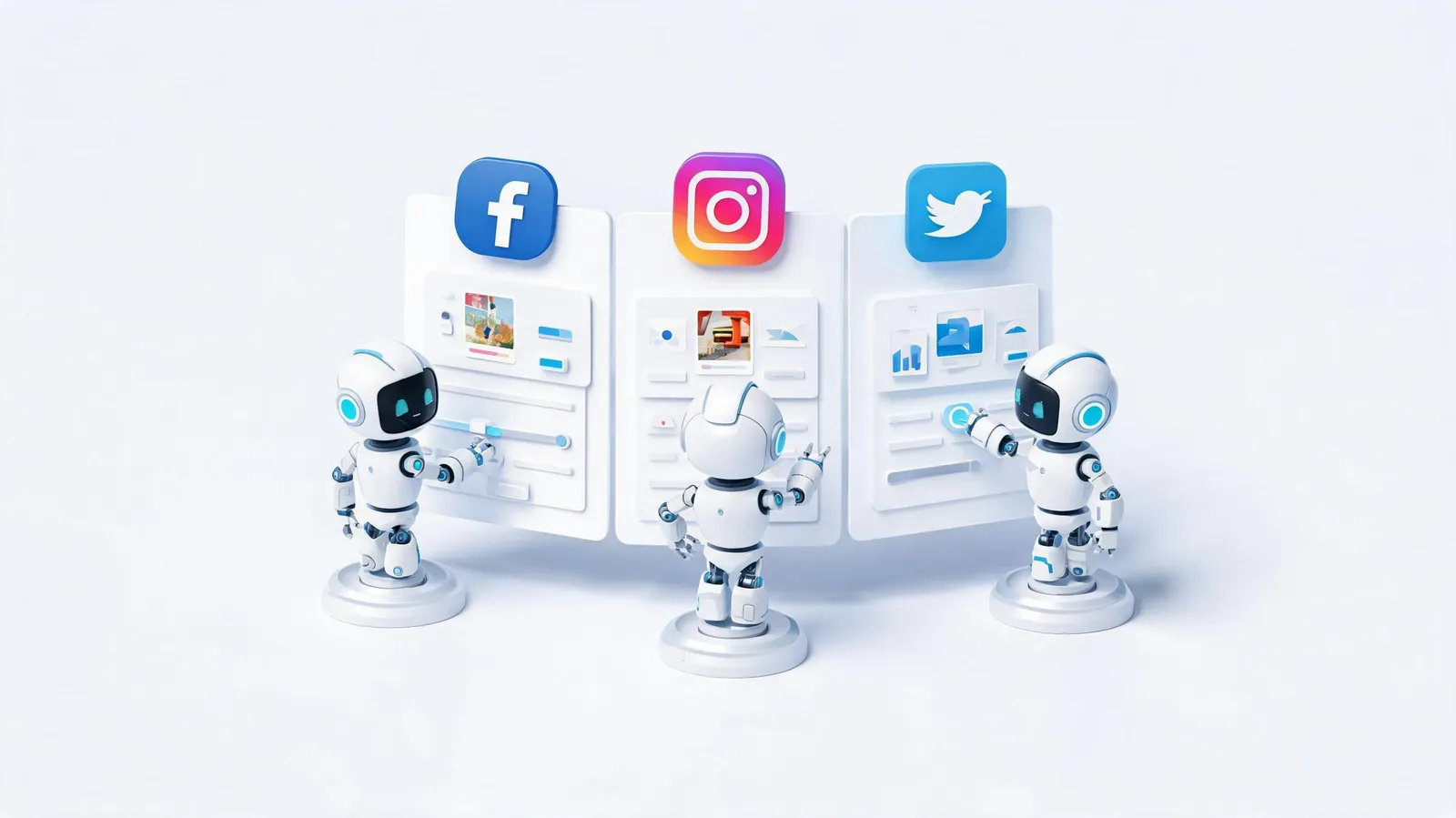
Social platforms have woven AI deeply into their ad managers. Facebook’s Advantage+ and Google’s Smart Bidding are notable cases. These tools automate campaign setup, audience targeting, and optimization. Advantage+, for example, uses AI to locate the best audiences and placements, cutting manual work and lifting performance. Meta reports that advertisers using Advantage+ saw cost per action fall by 32% and return on ad spend rise by 20% on average.
APIs let businesses build their own AI ad managers. A company could, for instance, pull data through the Facebook Marketing API, train a machine-learning model to forecast ad performance, and then adjust campaigns automatically. That level of customization matters greatly to large advertisers with unusual needs. A Shopify case study found merchants using custom AI via APIs achieved a 25% higher ROI than those relying on standard tools.
Automated campaign setup also saves time. AI can draft ad copy, pick images, and even propose targeting options based on historical data. Campaigns thus start out data-driven and move faster. For small businesses, this opens up advanced advertising tactics that once belonged mainly to large agencies.
3. Keyword and Intent Forecasting with LLMs
Large language models (LLMs) such as GPT-4 are changing keyword research. Conventional keyword tools lean on exact match and broad match, while LLMs grasp semantics and context. They can produce keyword lists that capture user intent more precisely. An LLM might recognize that “best running shoes for flat feet” signals strong intent and suggest related terms such as “motion control running shoes” and “orthopedic sneakers.”
A 2024 Search Engine Journal study found advertisers using LLM-generated keywords saw click-through rates (CTR) rise by 35% and wasted ad spend fall by 28%. The reason is that LLMs can group keywords by intent, enabling tighter ad targeting. Informational queries such as “what is AI in advertising” can be kept apart from transactional ones such as “buy AI advertising software,” so the right ad appears at the right moment.
Intent forecasting extends past keywords. AI can study user behavior across sessions to estimate what someone will search for next, enabling proactive ad placement. If a user has been researching CRM software, for instance, AI might judge that a purchase decision is near and serve a demo sign-up ad. Case studies indicate that intent-based targeting can raise conversion rates by as much as 50%.
4. Reshaping Creative Assets for Each Platform
Producing ad creative for multiple platforms takes time. Formats differ: Instagram Stories call for vertical video, Facebook feeds favor square images, and search ads rely on text. AI can resize, reformat, and even rewrite creative for each platform. Tools such as Canva’s AI and Adobe Sensei can take one image and generate several versions tailored to different placements.
Dynamic creative testing uses AI to try different mixes of headlines, images, and calls-to-action. The AI learns which elements work best for each audience segment and automatically serves the winning mix. Google reports that advertisers using dynamic creative saw engagement rise by 25% and conversion rates by 20%. Personalization is another advantage: AI can tailor creative to user data, showing different products to different demographics—something that was not feasible at scale before AI.
A travel company, for example, might use AI to build ads showing beach destinations to users interested in tropical vacations, and city breaks to those who prefer urban travel. That raises relevance and click-through rates. A Booking.com case study found AI-driven creative personalization lifted bookings by 15%.
Conclusion
AI is no longer a nice-to-have in advertising; it is necessary for competitive advantage. From tuning search auctions to automating social campaigns, forecasting intent, and adapting creative, AI drives efficiency and performance. As emerging technologies such as voice search and AR ads develop, AI will become more deeply integrated, potentially leading to fully autonomous campaigns. Advertisers who adopt AI now will be the leaders of tomorrow.