When AI Tutoring Skips the Schools That Need It Most
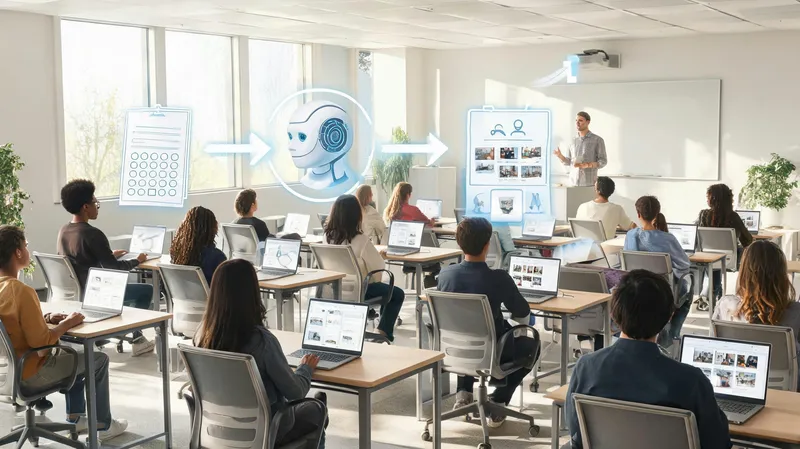
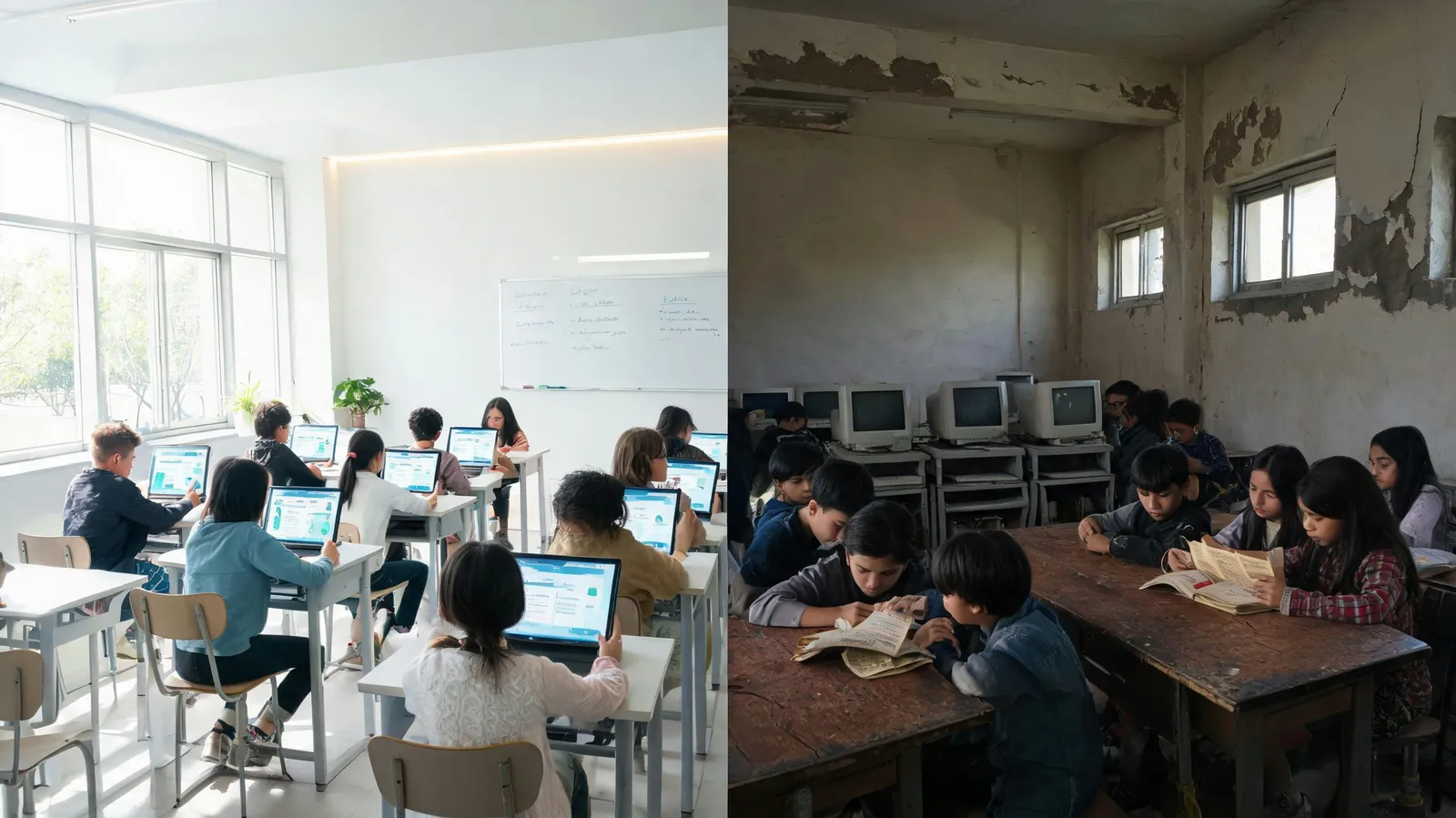
AI-driven tutoring platforms have shown real capacity to adapt instruction to individual learners and lift performance. Those gains, though, are spread unevenly. Across under-resourced US schools, students are much less likely to encounter AI learning tools at all, adding a fresh layer to the digital divide.
Connectivity and Device Shortfalls
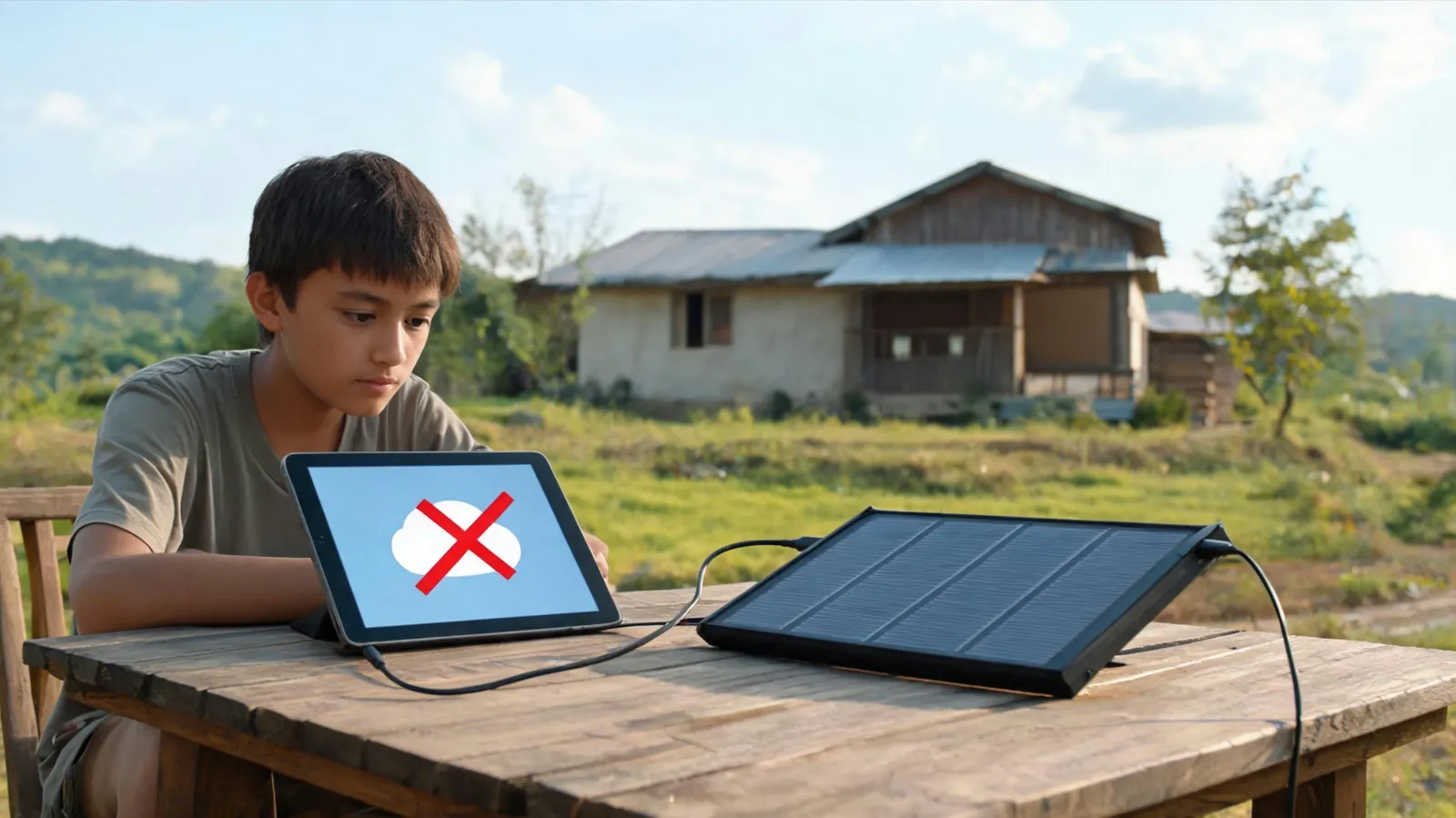
The Federal Communications Commission (FCC) estimates that roughly 17 million US children have no high-speed internet at home, and low-income and rural districts bear the brunt. Where that is the case, buying AI tutoring software for a school does not translate into reliable out-of-classroom use for students. Nor is connectivity the only gap: many schools also lack the tablets, laptops or Chromebooks needed to run AI applications. A 2023 survey by the Consortium for School Networking (CoSN) found that 40% of rural districts say they do not have enough devices for every student.
Uneven Edtech Budgets
Affluent districts simply spend more on technology for each student. Data from the National Center for Education Statistics (NCES) show that the highest-poverty districts spend about $1,200 less per student in total expenditures than the lowest-poverty districts. The pattern carries over into edtech purchasing: well-off districts can buy premium AI tutoring platforms such as Carnegie Learning's MATHia or Pearson's AI-powered tools, while poorer districts tend to depend on free or cheap options with fewer features. Federal efforts such as the Emergency Connectivity Fund have eased some pressure, but keeping funding going remains difficult.
Building AI That Reflects Every Learner's Culture and Language
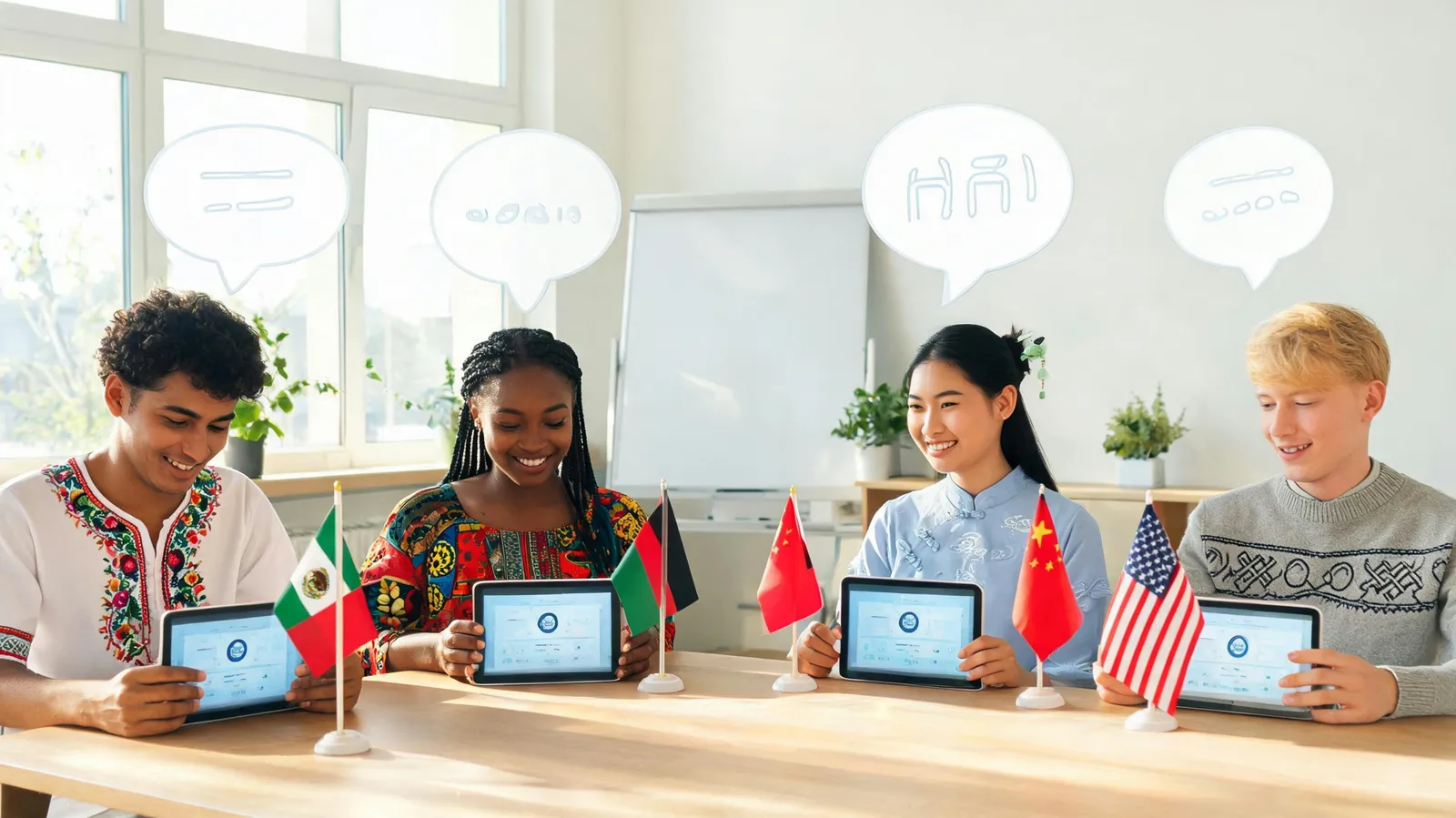
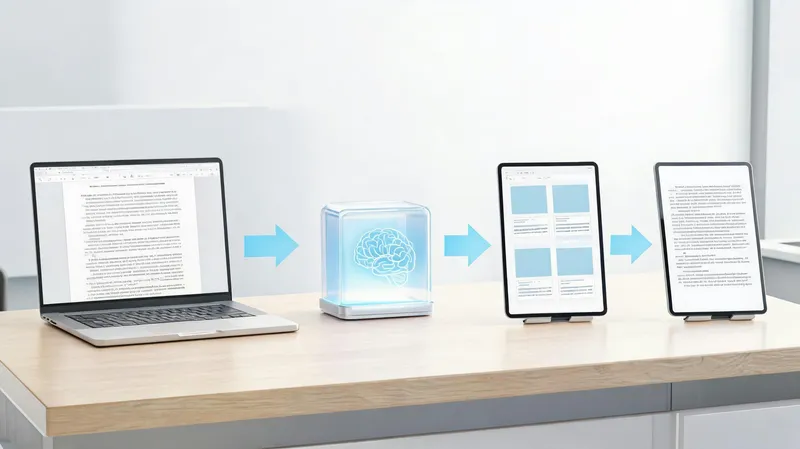
If AI is to serve equity, it has to be built to honor and mirror the varied cultures and languages students bring to school. Culturally responsive AI means more than translation; it means weaving inclusive content into the material and guarding against biases that could confuse or alienate learners.
Why Multilingual Support Matters
English language learners (ELLs) make up close to 10% of US public school enrollment, yet the majority of AI tutoring systems operate only in English. Findings from the Stanford Graduate School of Education indicate that ELLs given native-language AI support show 15% higher engagement and 20% better comprehension. Tools that have found traction—Duolingo's AI-driven language app and Khan Academy's Spanish-language math tutoring among them—show the appetite for multilingual AI. Still, such tools frequently fall short of the depth that core academic subjects demand.
Guarding Against Cultural Bias in Algorithms
AI systems can unintentionally carry forward cultural biases embedded in their training data. An AI reading tutor, for instance, might build lessons around examples that are unfamiliar to students from non-Western backgrounds, which can weaken comprehension. A 2022 study by the Algorithmic Justice League found that educational AI often gives African American and Latino perspectives too little representation. Inclusive design practices include development teams drawn from diverse backgrounds, input from communities, and ongoing bias audits. The edtech nonprofit Digital Promise is among the organizations offering frameworks for culturally responsive AI design.
Cost and Infrastructure Stand in the Way of Adoption
For many schools, the price of AI software and hardware is still a major obstacle. Absent creative funding and policy responses, the AI divide is likely to keep widening.
What AI Software and Hardware Cost
Widely used AI tutoring platforms can run $50-$100 per student each year, well above what schools typically budget for textbooks. For a 500-student school, that comes to $25,000-$50,000 annually—out of reach for many districts. Hardware adds further expense: one tablet costs roughly $300, and schools must also pay for network upgrades. Traditional textbooks, by comparison, cost about $50-$100 per student but serve for multiple years. Without outside support, the total cost of owning AI tools is often too high to sustain.
Funding Models and Policy Levers
Public-private partnerships are one promising route. The Verizon Innovative Learning program, for example, supplies free devices and internet to under-resourced schools and has reached more than 1 million students. Government subsidies also help: the FCC's E-Rate program provides discounts on broadband and internal connections for schools and libraries. Some states have set up their own grant programs, including California's $2 billion Digital Divide Fund and Texas's Technology Lending Program. Policymakers could broaden such efforts and give edtech companies incentives to offer tiered pricing for low-income districts.
Conclusion
AI's potential in education is considerable, but unless equity is pursued on purpose, it will intensify the disparities that already exist. Infrastructure and funding gaps, cultural bias in AI design, and cost barriers all need to be tackled jointly by policymakers, educators and developers. Putting inclusive, affordable AI first would help ensure that students everywhere—whatever their zip code or background—can benefit from the smart learning tools ahead.