Modeling Learners and Tracing Knowledge: The Basis for Adaptive Content Sequencing
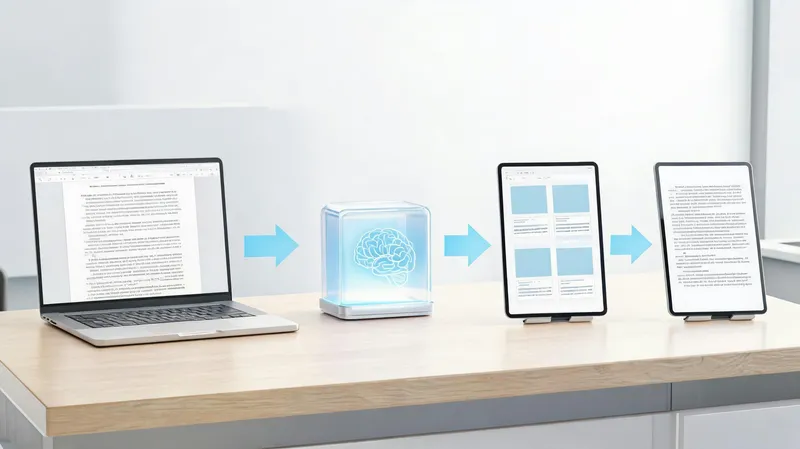
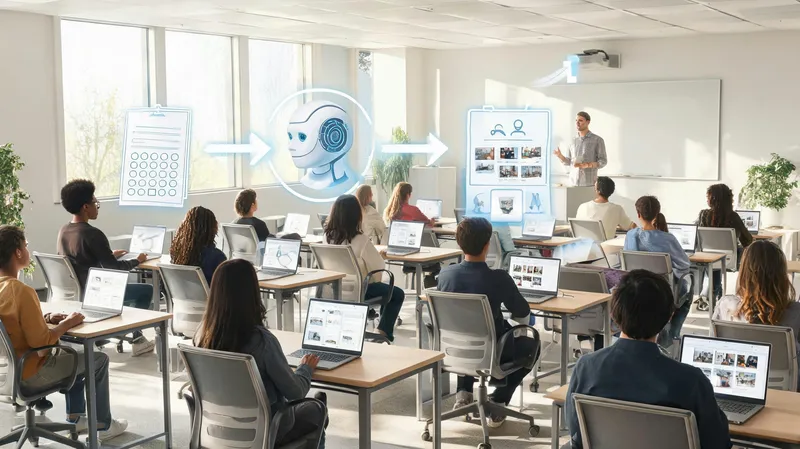
At the heart of personalized adaptive learning systems lie knowledge tracing and learner modeling, which allow the system to gauge a learner's current understanding and adjust the content sequence. This section reviews key methods and their influence on adaptive sequencing.
Methods for Knowledge Tracing
The goal of knowledge tracing is to estimate how well a learner has mastered skills over time. Bayesian Knowledge Tracing (BKT) relies on probabilistic models to infer mastery, whereas Deep Knowledge Tracing (DKT) uses recurrent neural networks to achieve more accurate predictions. Studies indicate that DKT can raise prediction accuracy by as much as 15% relative to BKT, which translates into better sequencing choices. For instance, research by Piech et al. (2015) found that DKT surpassed BKT in forecasting student performance on the ASSISTments dataset.
Personalization Through Learner Modeling
Learner modeling captures individual differences—prior knowledge, learning pace, and preferences—and informs sequencing decisions by offering a comprehensive picture of the learner. A system, for example, might notice that a learner favors visual explanations and modify content delivery to match. Work by Koedinger et al. (2013) indicates that model-based personalization can boost engagement by 20% and enhance learning outcomes. Adaptive systems such as Carnegie Learning's MATHia employ learner models to dynamically adjust hints and feedback, yielding notable learning gains.
Generating Personalized Practice with Large Language Models
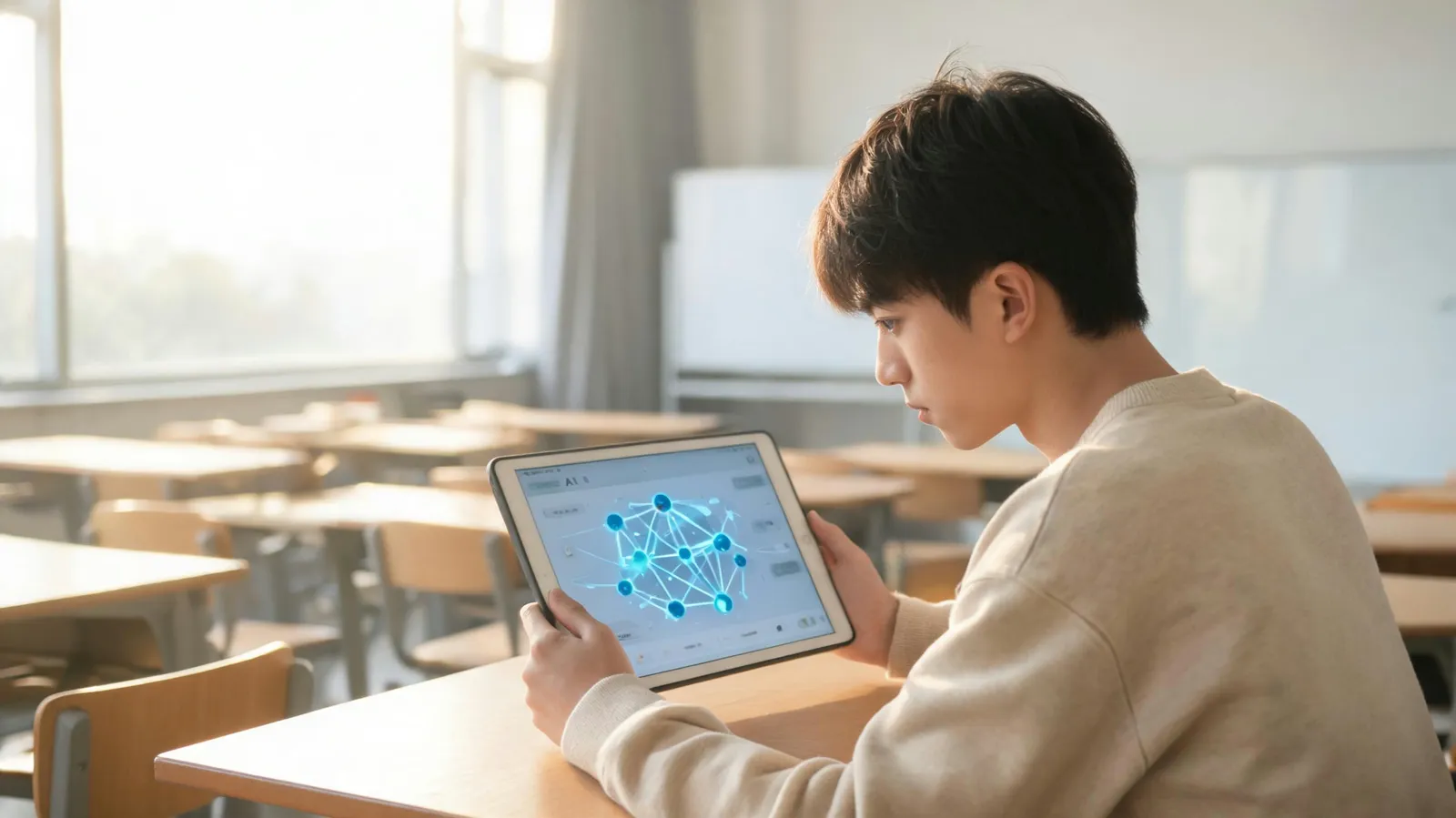
Large Language Models (LLMs) are changing the way practice problems are produced in adaptive learning systems. By using LLMs, systems can generate varied, contextually relevant practice items that fit each learner's proficiency and interests. This section looks at the capabilities and integration of LLMs in personalized practice generation.
Practice Items Created by LLMs
LLMs like GPT-4 can produce practice questions that are on par with those written by humans. Research shows that LLM-generated questions are of high quality and can increase practice engagement by 30% while reducing boredom. In one pilot study in a high school math course, students who received LLM-generated practice problems showed a 25% increase in time-on-task compared with those using static problem sets. Additionally, LLMs can tailor the context of problems to match learner interests—for example, using sports statistics for a sports enthusiast.
Combining with Knowledge Tracing
When LLM-based practice generation is integrated with knowledge tracing, practice can target specific weaknesses. If a learner struggles with a particular skill, the system can generate focused problems to address that gap. Data from adaptive systems such as Khan Academy's exercises show that personalized practice improves learning efficiency by 40%. Case studies of systems using LLMs for remediation, including the Cognitive Tutor, have reported significant improvements in skill mastery.
Calibrating Difficulty Adaptively and Its Impact on Motivation
Adaptive difficulty calibration is essential for sustaining learner motivation. By adjusting task difficulty in real time, systems can keep learners in the optimal challenge zone, preventing boredom and frustration. This section examines the mechanisms and effects of adaptive difficulty calibration.
Keeping the Challenge Optimal
According to flow theory research, learners are most engaged when tasks are challenging but achievable. Adaptive difficulty calibration maintains this balance by dynamically adjusting problem difficulty based on performance. Data from systems like DreamBox Learning indicate that adaptive difficulty increases time-on-task by 35% and completion rates by 25%. For instance, when a learner answers correctly several times in a row, the system raises difficulty; when they struggle, it offers scaffolding or lowers difficulty.
Fostering Intrinsic Motivation
Motivation grows when learners perceive tasks as achievable yet challenging. Studies connect adaptive difficulty to higher intrinsic motivation, with learners reporting greater satisfaction and persistence. Gamified adaptive systems, such as Duolingo, use difficulty scaling to keep learners engaged, resulting in a 50% increase in daily active users. By tailoring difficulty, these systems nurture a sense of competence and autonomy—key drivers of intrinsic motivation.
Conclusion
Personalized adaptive learning systems bring together knowledge tracing, learner modeling, LLM-based practice generation, and adaptive difficulty calibration to deliver truly individualized education. Knowledge tracing and learner modeling provide the foundation for adaptive sequencing, while LLMs enable the creation of tailored practice problems. Adaptive difficulty calibration helps keep learners motivated and engaged. Together, these components have the potential to transform education by making it learner-centered and data-driven. As AI and learning analytics continue to advance, we can expect predictive and proactive personalized learning systems that anticipate learner needs and optimize outcomes.