AI-Driven Upskilling and Reskilling Platforms for Adult Learners
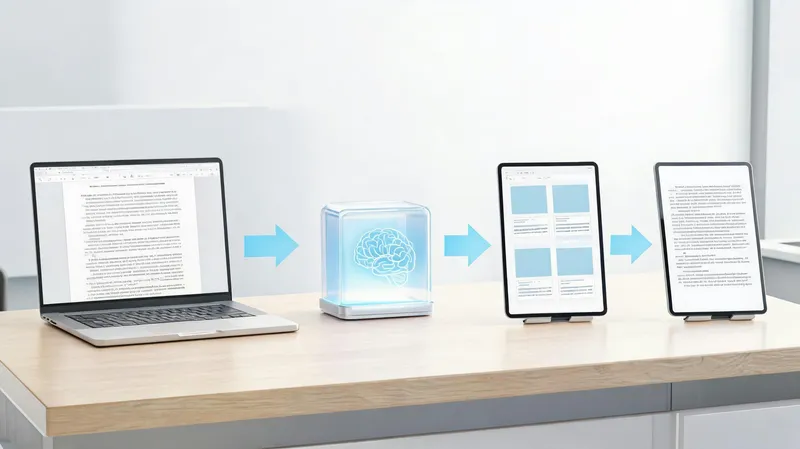
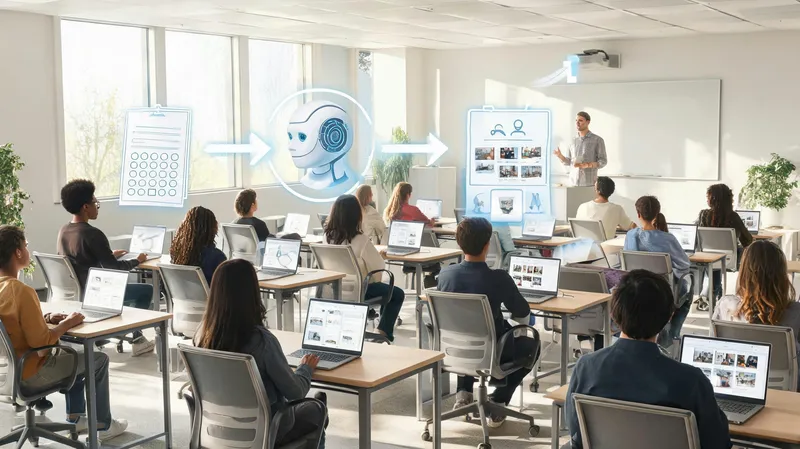
AI-powered upskilling platforms are transforming how adults pick up new skills by offering personalized learning journeys. Adaptive learning algorithms adjust content to each learner's needs and pace, so participants concentrate on the most pertinent material. One case study of such a platform reported a 30% cut in training time alongside better retention. Completion rates for AI-driven online courses are notably higher than those of traditional online courses, frequently surpassing 80%, whereas MOOCs often see only 10–15%.
Microlearning and just-in-time training prove especially effective for busy adult learners. AI suggests brief modules tied to job tasks, which boosts engagement and knowledge retention. Research shows microlearning can improve retention by up to 80% and lift engagement by 50%. For instance, an AI platform might recommend a five-minute video on a specific software feature exactly when an employee needs it, weaving learning directly into the workflow.
Skill Gap Analysis and Personalized Career Pathways
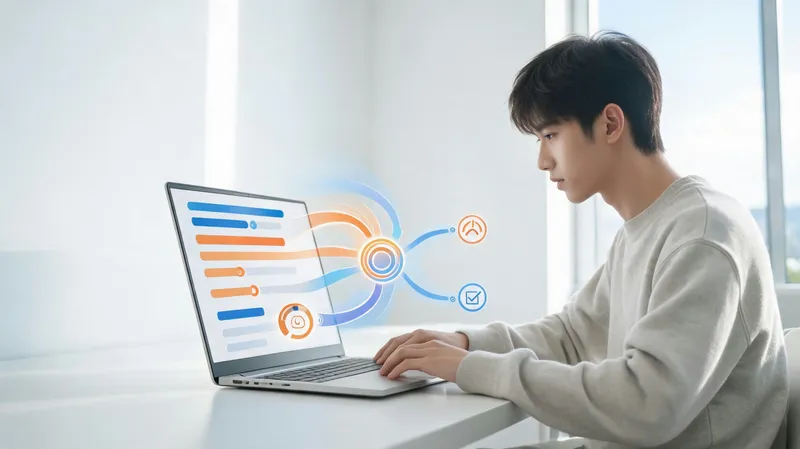
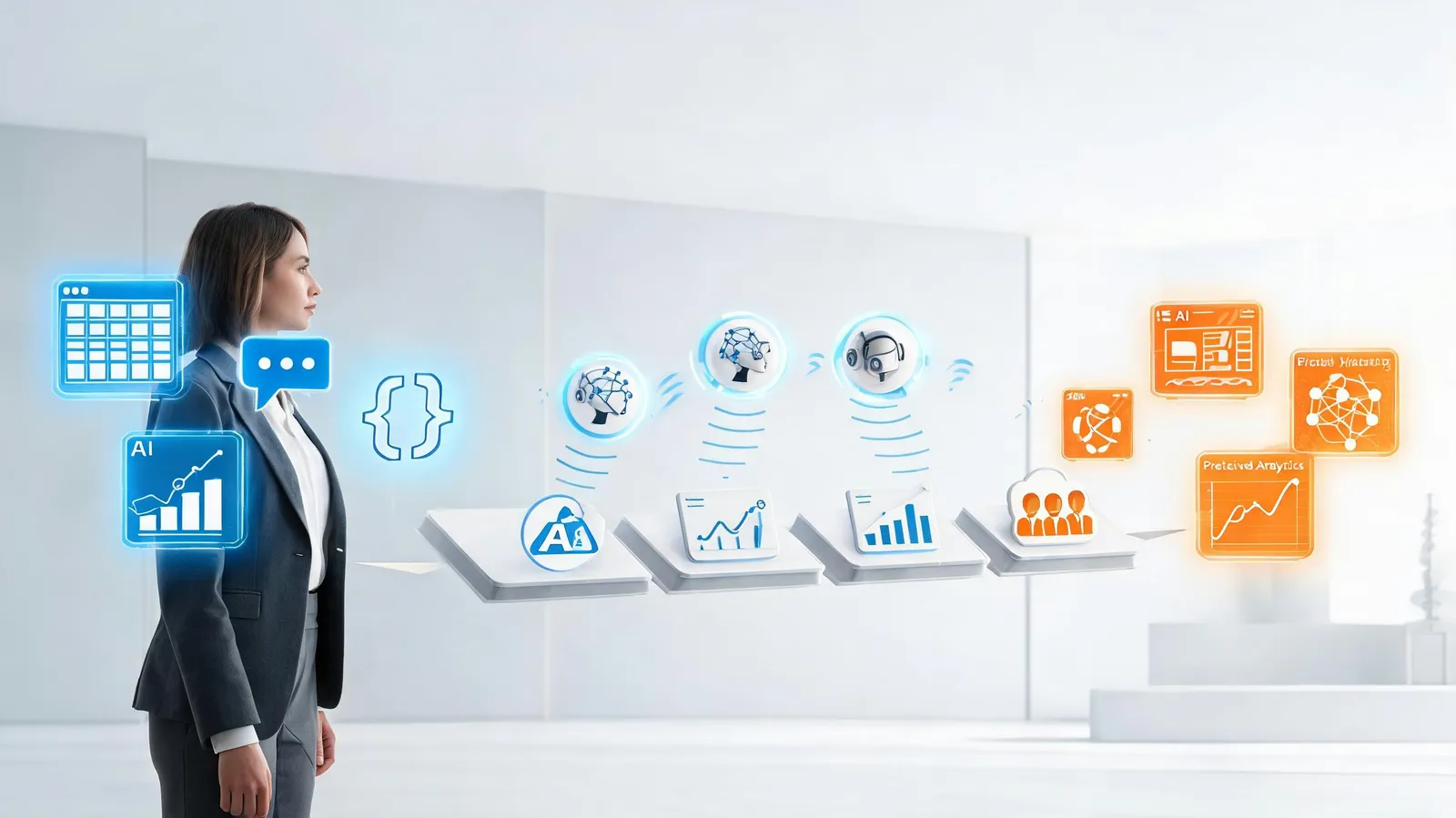
AI-based skill assessments spot gaps and recommend learning resources with high precision. By matching individual profiles to job roles through a skills taxonomy, AI can forecast skill needs with over 90% accuracy. A skills taxonomy, for example, might classify skills into technical, soft, and leadership domains; AI then compares an employee's current skills with those needed for a target role and pinpoints the shortfall.
Dynamic career pathway mapping stays aligned with industry trends and personal goals. A case study of a company using AI to build personalized career paths showed a 20% drop in turnover. Employees express strong satisfaction with personalized career development: surveys indicate that 85% feel more engaged when they have a clear career path. AI keeps pathways current by drawing on real-time labor market data, helping ensure relevance.
Corporate Learning and Development with AI Coaching
AI coaching chatbots and virtual assistants deliver real-time feedback and support, strengthening corporate training programs. An AI coach, for example, can simulate sales conversations and give immediate feedback on tone and content. Data reveals a 25% performance improvement among employees after AI coaching interventions. These tools are available around the clock, scalable, and cost-effective.
Integrating AI with learning management systems (LMS) enables personalized recommendations, which drives higher course enrollment and completion. Statistics show a 40% increase in course completion rates when AI recommendations are in use. One corporation that adopted AI coaching cut training costs by 25% while improving outcomes. AI examines employee performance data to suggest relevant courses, establishing a continuous learning loop.
The Synergy of AI and Lifelong Learning: Challenges and Opportunities
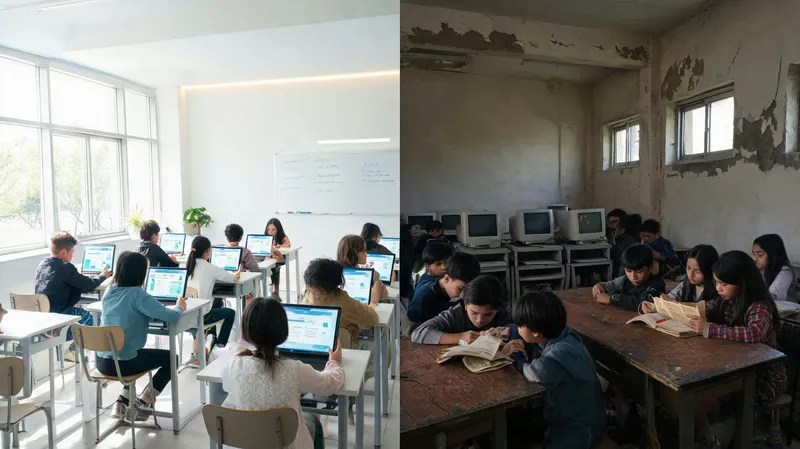
Closing the digital divide is essential for equitable access to AI-powered learning. Statistics indicate that 15% of US adults lack internet access at home, and digital literacy gaps remain. Efforts to provide free AI learning tools to underserved communities—such as public libraries offering AI-based courses—are helping to narrow this gap. Ensuring equitable access calls for public-private partnerships and infrastructure investment.
AI nurtures a culture of continuous learning and adaptability, which is vital for career resilience. Data suggests that employees who engage in lifelong learning are 30% more likely to be promoted. Projections indicate that AI will further personalize and democratize education, with adaptive systems that respond to individual learning styles and career aspirations. In the future, AI may integrate with VR/AR for immersive learning experiences, giving rise to dynamic education ecosystems.
Conclusion
AI-driven upskilling, skill gap analysis, personalized pathways, and AI coaching are reshaping adult education and corporate learning. AI is not merely a tool but a catalyst for building a more adaptable, skilled, and fulfilled workforce. Looking ahead, the potential for AI to integrate with emerging technologies like VR/AR for immersive learning and to create more dynamic, responsive education ecosystems is immense. Organizations and individuals must embrace AI-powered lifelong learning to thrive in the future of work.