Generative AI in Lesson Planning and Curriculum Alignment
Generative AI is changing how teachers plan lessons by handling routine tasks and supporting differentiated instruction. A 2024 survey by the EdTech Evidence Exchange found that teachers who use AI planning tools report saving up to 50% of their planning time, freeing them to concentrate on student engagement and individualized support.
Tailoring Lesson Plans with Generative AI
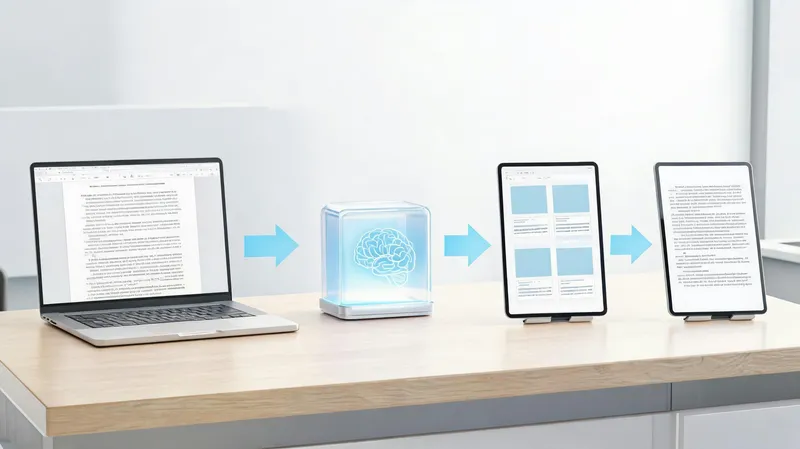
AI assistants can produce lesson plans suited to varied learning needs. Platforms such as Eduaide.AI and MagicSchool AI, for example, let teachers enter grade level, subject, and learning objectives, then receive customized lesson templates aligned to standards. A case study from a California middle school found that teachers using AI-generated lesson plans cut planning time by 40% while improving alignment with Common Core State Standards.
These tools also aid differentiation by suggesting modifications for English language learners, students with IEPs, and advanced learners. Teachers can adjust content, process, and product quickly to meet individual needs—a practice that previously demanded extensive manual effort.
Mapping Lessons to Standards
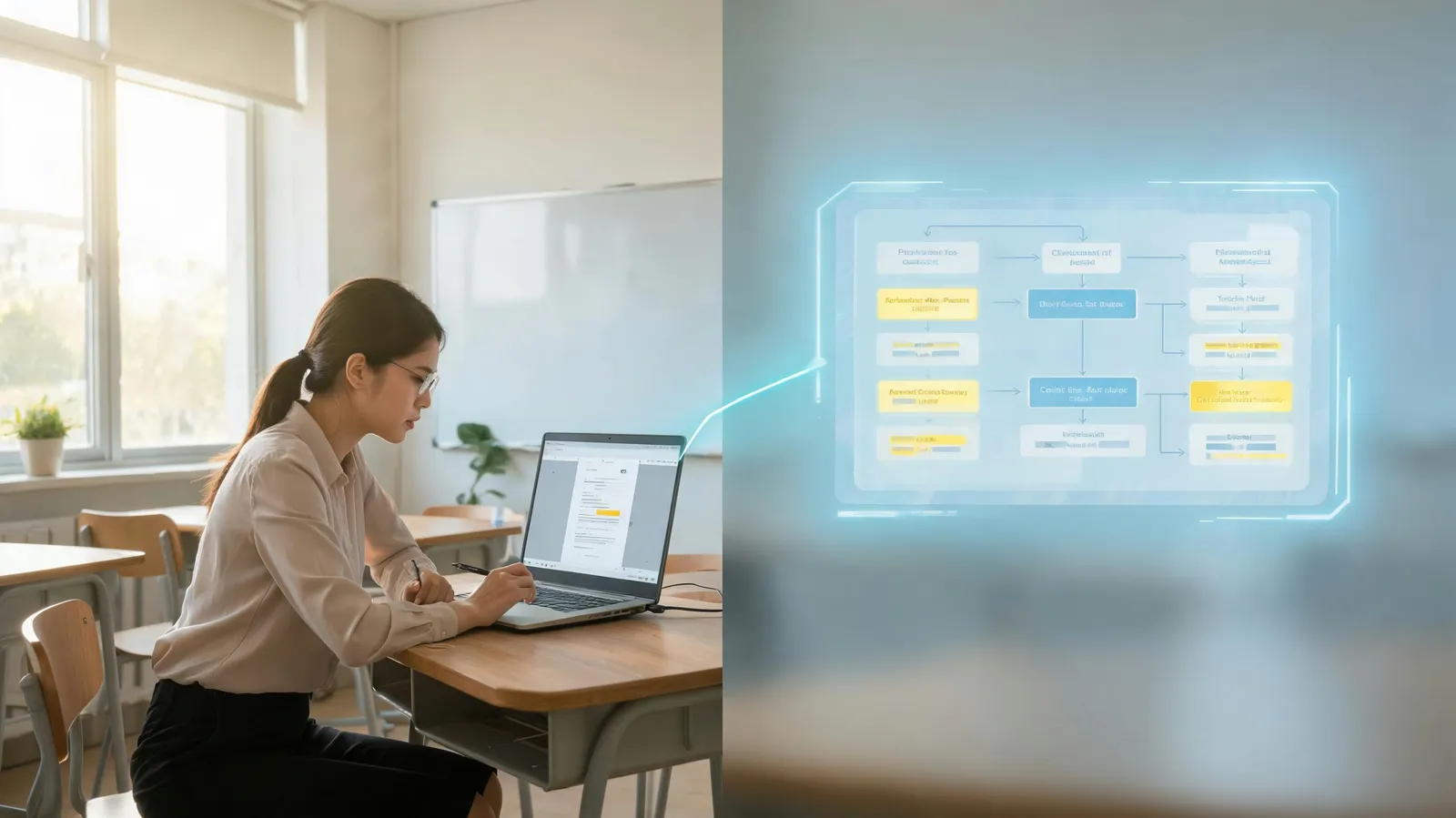
AI assistants are particularly effective at mapping lesson content to state and national standards. Tools like Kiddom and Peekapak, for instance, use natural language processing to analyze lesson plans and identify alignment gaps. Data from a 2023 pilot in Texas showed that AI-assisted standards mapping improved accuracy by 30% compared to manual mapping and reduced the time spent on this task by 60%.
Teacher testimonials highlight the impact: "I used to spend hours cross-referencing standards. Now, AI does it in minutes, and I can trust the results," says Sarah M., a high school English teacher in Ohio. This efficiency not only saves time but also helps ensure that instruction is rigorous and compliant.
AI-Assisted Grading Workflows and Teacher Workload Reduction

Grading is among the most time-consuming tasks for teachers, often consuming evenings and weekends. AI assistants are changing this by automating objective assessments and providing intelligent support for subjective assignments.
Automated Grading for Objective Assessments
For multiple-choice, fill-in-the-blank, and short-answer questions, AI grading tools like Gradescope and Quizizz offer rapid, accurate scoring. A 2024 study by the University of Oregon found that AI grading reduced scoring time by 75% for objective assessments, with accuracy rates exceeding 95% when compared to human graders. This allows teachers to provide immediate feedback and focus on higher-order thinking activities.
Moreover, AI can analyze student performance data to identify patterns and inform instruction. For example, if 70% of students miss a particular question, the AI can flag it for reteaching, enabling data-driven decision-making.
AI Support for Subjective Assignments (e.g., Essays)
Subjective assignments like essays and projects are more challenging to automate, but AI assistants are making strides. Tools such as EssayGrader and Grammarly for Education use natural language processing to provide feedback on writing mechanics, structure, and content. While they don't replace teacher judgment, they offer a first pass that can save hours.
A case study from a New York high school revealed that teachers using AI-assisted rubric scoring reduced grading time by 30% while maintaining consistency. Teachers reported that AI-generated feedback helped them focus on higher-level commentary and personalized encouragement. "AI handles the grammar and basic structure, so I can spend more time on ideas and student growth," notes James L., a 10th-grade teacher.
Professional Development for AI Literacy Among Educators
As AI becomes integral to teaching, educators need professional development to build AI literacy. Teacher-facing AI assistants can serve as just-in-time learning tools, offering tips and guidance as teachers use them.
Building AI Literacy Through Hands-On Use
Many AI platforms include built-in tutorials and contextual tips. For example, Google's Classroom AI offers suggestions on how to use features effectively, while tools like Diffit provide prompts and examples to help teachers integrate AI into their practice. A 2024 report from the International Society for Technology in Education (ISTE) found that teachers who used AI assistants for at least three months reported a 40% increase in confidence in integrating AI into instruction.
Hands-on experience is key: as teachers experiment with AI, they develop a critical understanding of its capabilities and limitations, enabling them to make informed decisions about its use.
AI as a Tool for Reflective Practice and Collaboration
AI assistants can facilitate reflective practice by providing insights into teaching patterns. For instance, AI-powered observation tools like TeachFX analyze classroom discourse and offer feedback on questioning techniques and student engagement. A pilot in Chicago showed that teachers using TeachFX increased student talk time by 20% and reported greater self-awareness.
Furthermore, AI can support collaborative professional learning. Platforms like Edthena use AI to facilitate peer observation and feedback, enabling teachers to share best practices and learn from each other. Teachers in a Texas district reported that AI-facilitated peer observations led to more targeted and actionable feedback, enhancing their instructional skills.
Conclusion
Teacher-facing AI assistants are not replacing teachers but augmenting their capabilities, enabling personalized instruction, reducing administrative burden, and fostering professional growth. By automating lesson planning and grading, AI frees up time for what matters most: student interaction and support. Moreover, AI-powered professional development tools empower teachers to build AI literacy and engage in reflective practice.
The potential of AI to reduce teacher burnout and improve student outcomes is significant. As AI integrates with learning analytics and other technologies, ethical guidelines and ongoing professional development will be essential to ensure responsible and effective use. The future of education lies in a symbiotic relationship between teachers and AI, where technology amplifies human expertise and creativity.