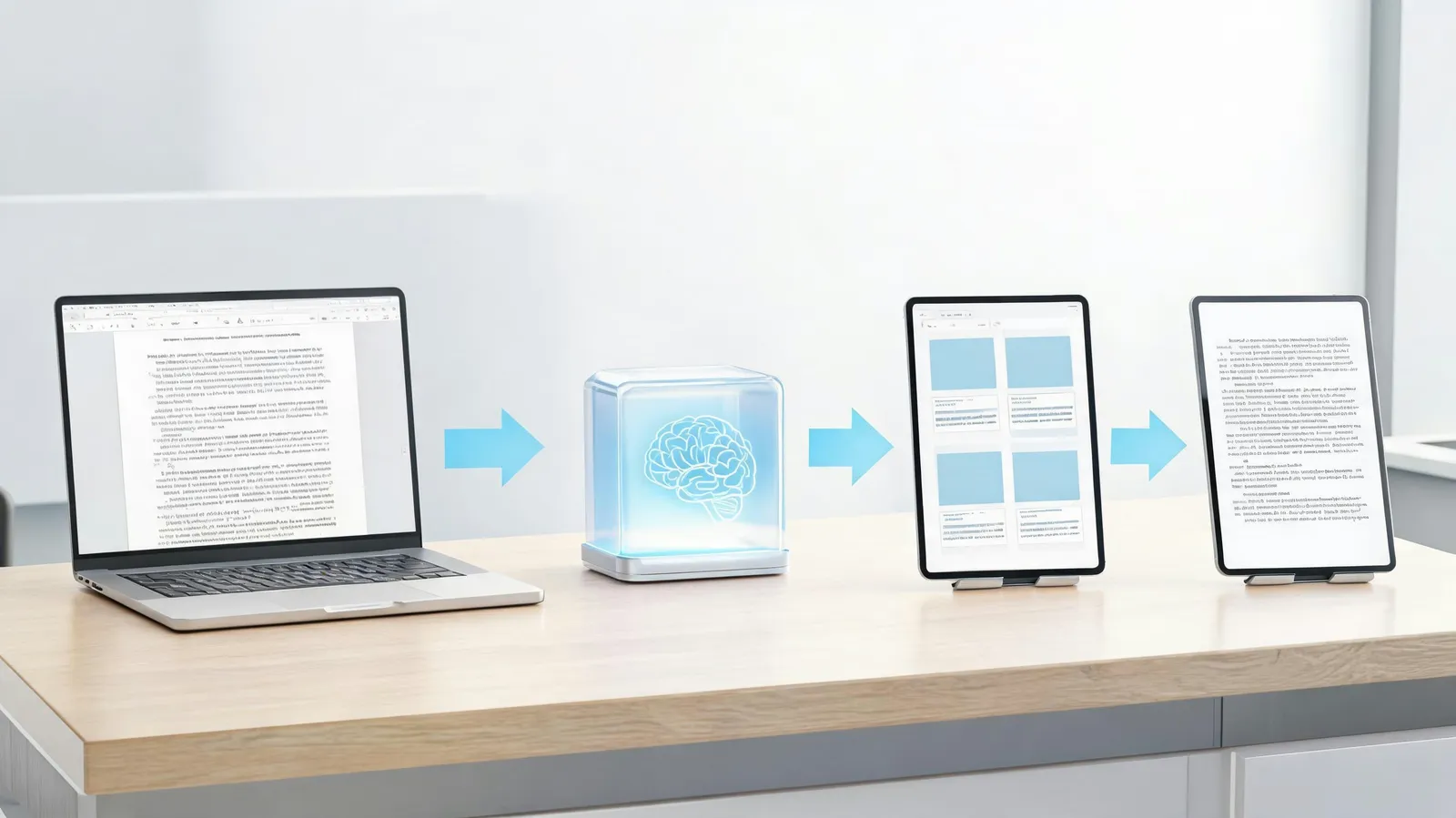
Decades of research point to one-on-one tutoring as the most effective instructional model, but delivering it at scale has remained costly and impractical. Many conventional online learning platforms rely on fixed feedback and offer little substantive dialogue, which can leave learners disengaged and limit how deeply they process material. A newer generation of AI tutoring systems is moving past the basic chatbot by combining immediate formative feedback with plain-language explanations, Socratic questioning aimed at deeper understanding, and adaptation that takes account of learners' emotional states to help them stay engaged and keep going.
Immediate Formative Feedback Paired with Natural-Language Explanations
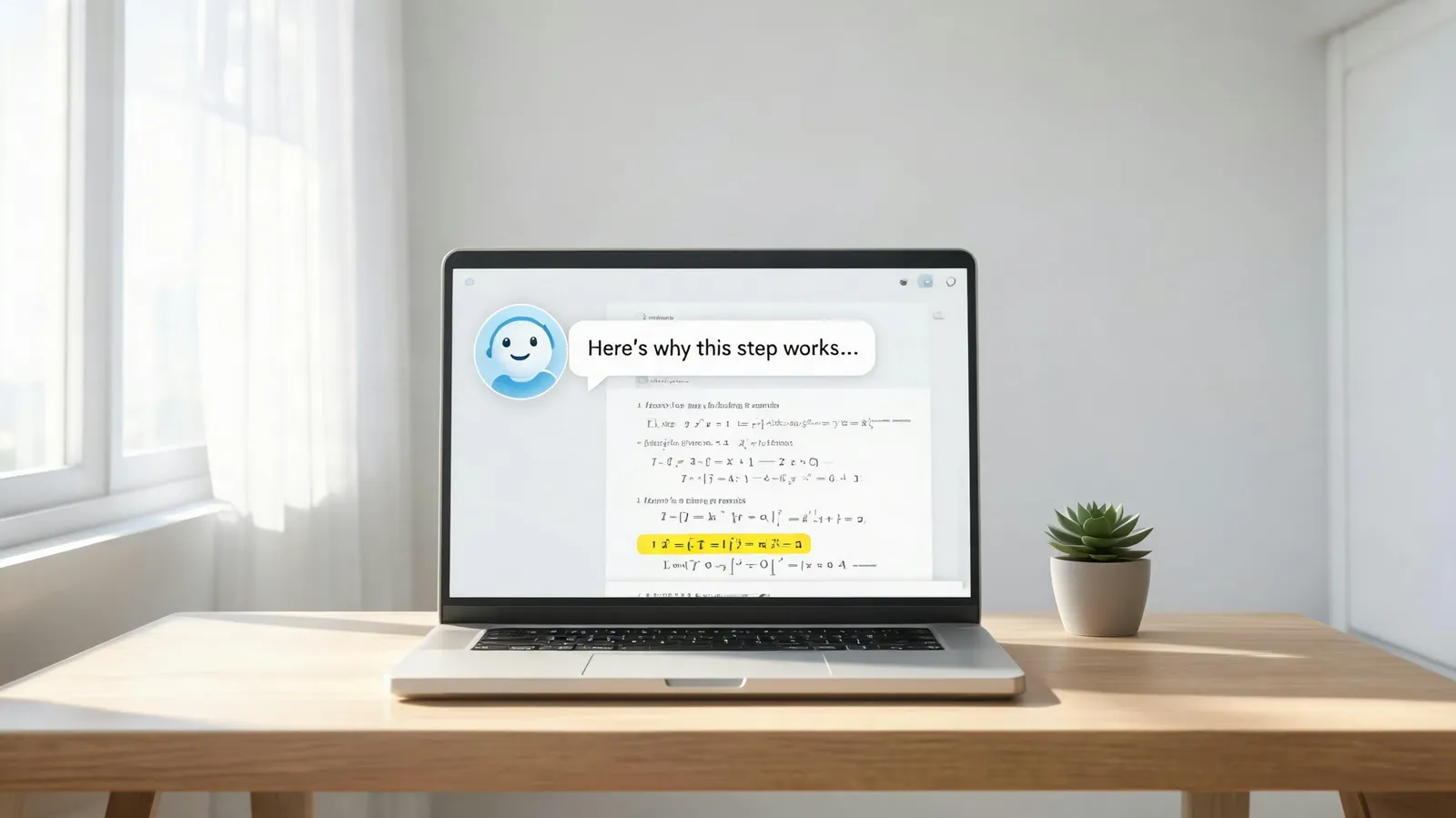
These systems are reshaping what feedback looks like: instead of a simple correct-or-incorrect signal, they respond right away and tailor the response to the individual learner. The explanations are generated in natural language, adjust to the specific errors and misconceptions a student shows, and walk through the reasoning step by step. Research indicates that elaborated feedback produces substantially better learning results than feedback that only indicates correctness. An AI math tutor, for instance, can produce a detailed explanation for each step of a problem so that students see why the solution works. Formative assessment is woven into the learning activity itself—a writing tutor, for example, can give instant grammar and style suggestions along with the reasoning behind them, and students then tend to revise more and improve.
Case studies indicate that feedback which arrives immediately and explains itself can raise both engagement and performance. By reproducing something of a human tutor's responsiveness, these systems help learners stay in flow and experience less frustration.
Socratic Questioning Bots for Deeper Learning

Bots built on Socratic questioning conduct a dialogue designed to encourage critical thinking and a fuller grasp of the material. Rather than supplying the answer, the bot poses probing questions that lead students to work out concepts on their own. Research suggests that Socratic questioning yields better retention and transfer than direct instruction. A chatbot might, for example, take a student through a sequence of questions that ends in the discovery of a scientific principle. Among the design considerations for effective Socratic AI are how questions are sequenced, how long the system waits, and how scaffolding adapts to the learner. Evidence indicates that well-designed Socratic bots raise student engagement and increase self-explanation, which supports metacognitive skills.
Emotion-Sensitive Tutoring to Support Engagement and Persistence
Tutoring systems that are aware of emotion detect how students feel and respond in ways meant to sustain motivation and ease frustration. They pick up affective signals from facial expressions, physiological measures, and patterns in interaction. Research on how accurately affect can be detected from multimodal data makes it possible for AI tutors to recognize confusion, frustration, or boredom. An AI tutor could, for instance, notice confusion and respond with encouragement or a hint. The adaptive strategies involved include showing empathy, offering encouragement, and adjusting difficulty. Studies indicate that emotion-aware tutoring increases time on task and lowers dropout rates. One case study examined a system that modifies pacing and the tone of feedback when it detects frustration, illustrating the potential for emotional intelligence in AI tutors.
Conclusion
Explanatory feedback delivered in real time, Socratic questioning, and emotion-aware tutoring each address a significant shortcoming of conventional online learning. When integrated, AI tutoring systems hold the potential to deliver personalized, engaging learning experiences at scale for all students. The outlook is encouraging: combining large language models with multimodal sensing is opening a path toward AI tutors that adapt more fully and respond with greater empathy.