Generative Summarization and Concept Mapping: Making Knowledge Compact
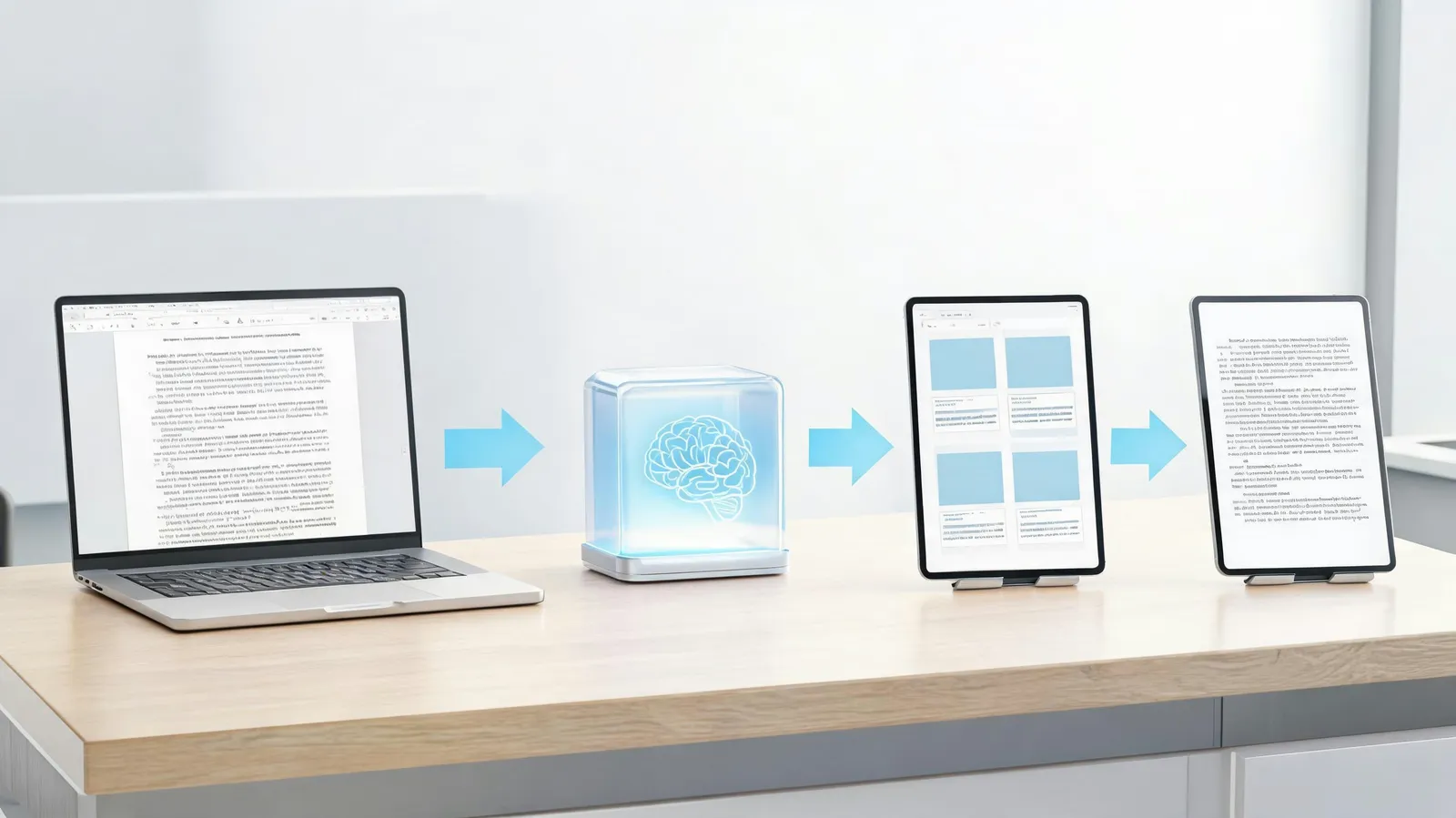
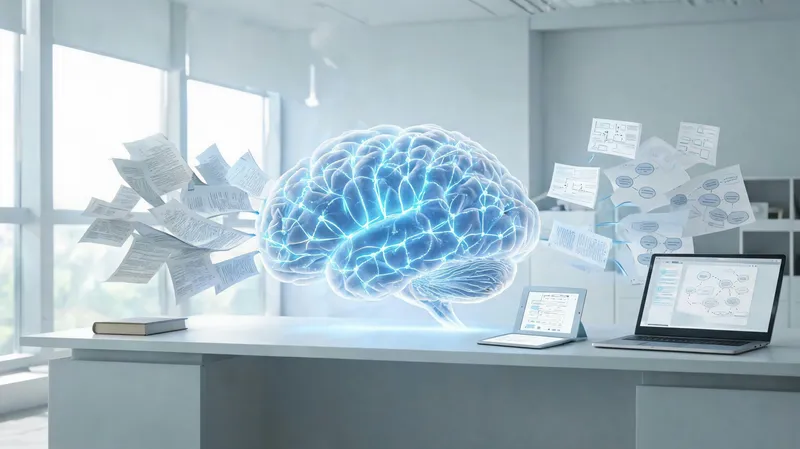
When information comes at you from every direction, being able to boil long materials down to manageable insights is a valuable skill. AI-driven generative summarization takes lectures, articles, and textbooks and automatically shrinks them into brief summaries that spotlight the main points, cutting hours of manual effort. Research indicates that summarizing material boosts retention because it compels learners to process and restructure what they read. A student might, for instance, run a 50-page reading through an AI tool and get a one-page bulleted summary, which makes review sessions much more efficient.
Concept mapping goes beyond summarization by showing how ideas relate to one another visually. AI-powered tools can produce mind maps directly from notes, linking concepts through nodes and arrows that reveal hierarchies and connections. In one case study, medical students who used concept mapping saw test scores rise by 30% compared with peers who relied on traditional note review. Platforms such as MindMeister and Miro now build AI features that turn text into maps, helping learners grasp the overall picture and spot where their understanding falls short.
Automated Flashcards and Question Generation: Active Recall Without the Busywork
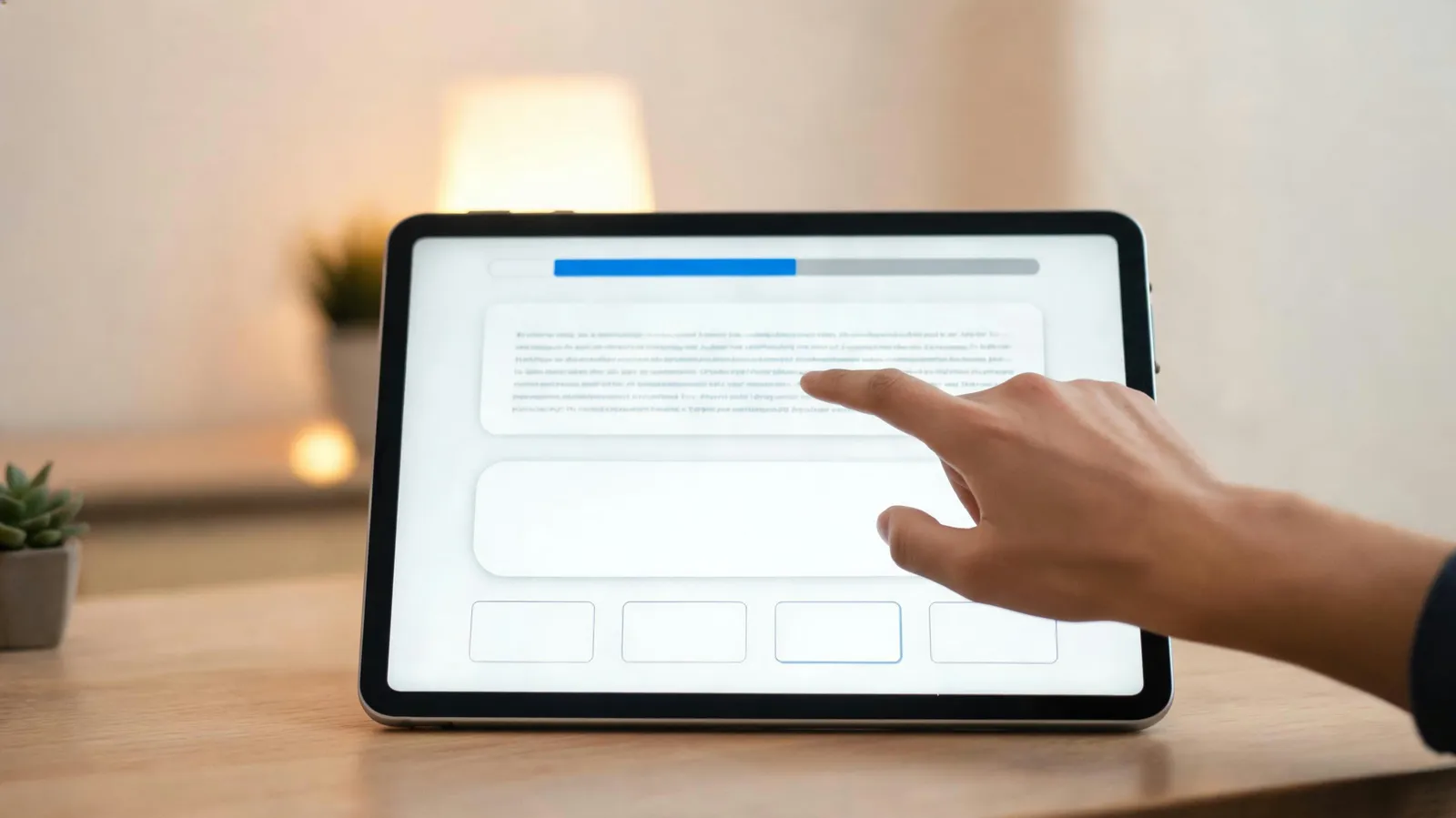
Active recall—testing yourself—is a well-established study method that reinforces memory. AI-powered tools can automatically create flashcards from notes and highlighted passages, converting passive reading into active learning. Spaced repetition algorithms then arrange review sessions at ideal intervals to maximize retention. Studies show that students who combine spaced repetition with flashcards can outperform peers by as much as 35% on exams. Anki and Quizlet, among others, now include AI capabilities that generate flashcards from PDFs or lecture transcripts, sparing users hours of manual card-making.
AI can also produce practice questions and quizzes for self-testing, which is especially useful for exam preparation because it mimics test conditions and reveals weak spots. According to data from Khan Academy, students who use AI-generated quizzes score 20% higher on average. User accounts point to substantial time savings—tasks that once took hours of question writing now take minutes, freeing up more time for actual study.
Multimodal Note Capture and Semantic Search: Keeping Every Idea Within Reach
Learning occurs in many settings, and notes take many shapes: text, audio, images, and handwriting. Multimodal note capture lets students record lectures, photograph whiteboards, and write by hand, all inside a single system. AI then transcribes audio, recognizes handwriting, and pulls text from images, so every note becomes searchable. Statistics indicate that 65% of students engage in multimodal learning, and tools such as Notion and Evernote now support these functions, allowing smooth capture across devices.
Semantic search changes how information is retrieved. Rather than depending on exact keywords, AI grasps the meaning of a query and surfaces relevant notes even when the phrasing differs. A researcher could, for example, search for "impact of climate change on agriculture" and find notes about "farming challenges due to global warming" without any keyword overlap. Natural language processing and vector embeddings drive this capability. One PhD student's case illustrates the effect: a concept buried across years of notes was located in seconds, eliminating the frustration of losing an idea.
The Future of Learning: Integration and Personalization
The real promise of AI study tools comes from integration—a smooth workflow where summarization, flashcards, and search operate together. Picture an all-in-one AI study assistant that takes your lecture notes, summarizes them, creates flashcards, and schedules reviews, while also letting you search everything. Early users report productivity gains of up to 40%, with more time for deep work and less spent on administrative tasks. Platforms such as RemNote are already heading in this direction, merging note-taking, spaced repetition, and AI support.
Adaptive learning systems push personalization further by adjusting content to performance. AI evaluates your strengths and weaknesses, then modifies the difficulty and focus of study materials. Research on adaptive learning points to better outcomes, especially for students who struggle, with gains reaching 50% in some studies. Projections for AI in education suggest that before long every learner may have a personalized AI tutor that adapts in real time, widening access to high-quality education.
Conclusion
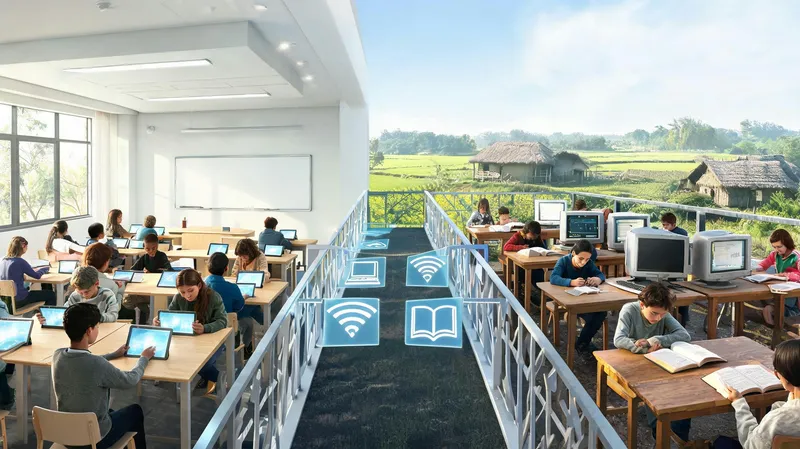
AI-powered study tools represent more than incremental upgrades—they mark a shift in how learning happens. Generative summarization compresses complex information, automated flashcards and question generation make active recall effortless, multimodal capture ensures ideas are not lost, and semantic search retrieves knowledge by meaning. Combined, these tools form a personalized learning ecosystem that improves efficiency and results. As AI advances, integration with augmented reality and virtual assistants holds the promise of immersive learning experiences that further democratize education. The future of learning is already taking shape, driven by AI.