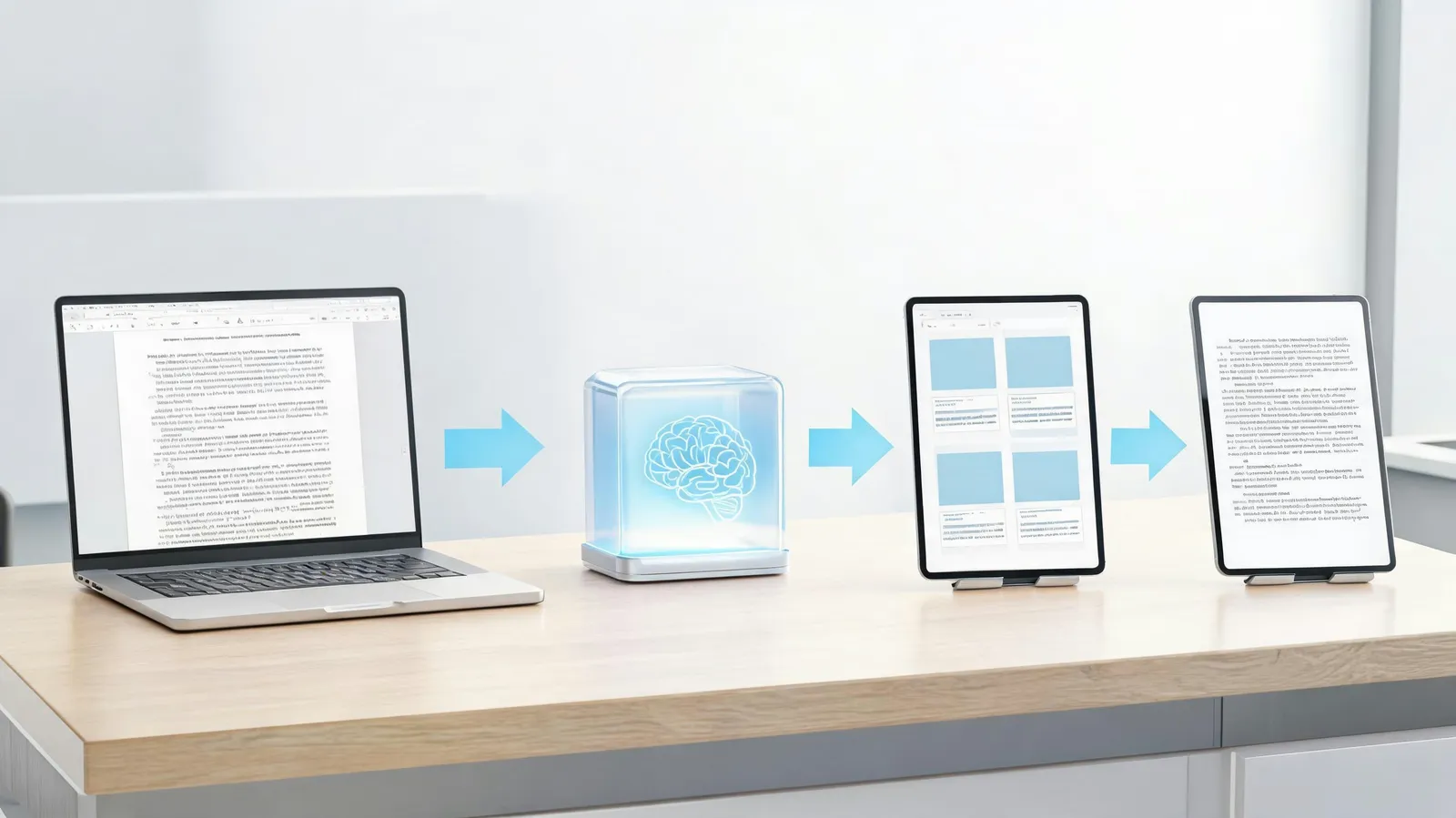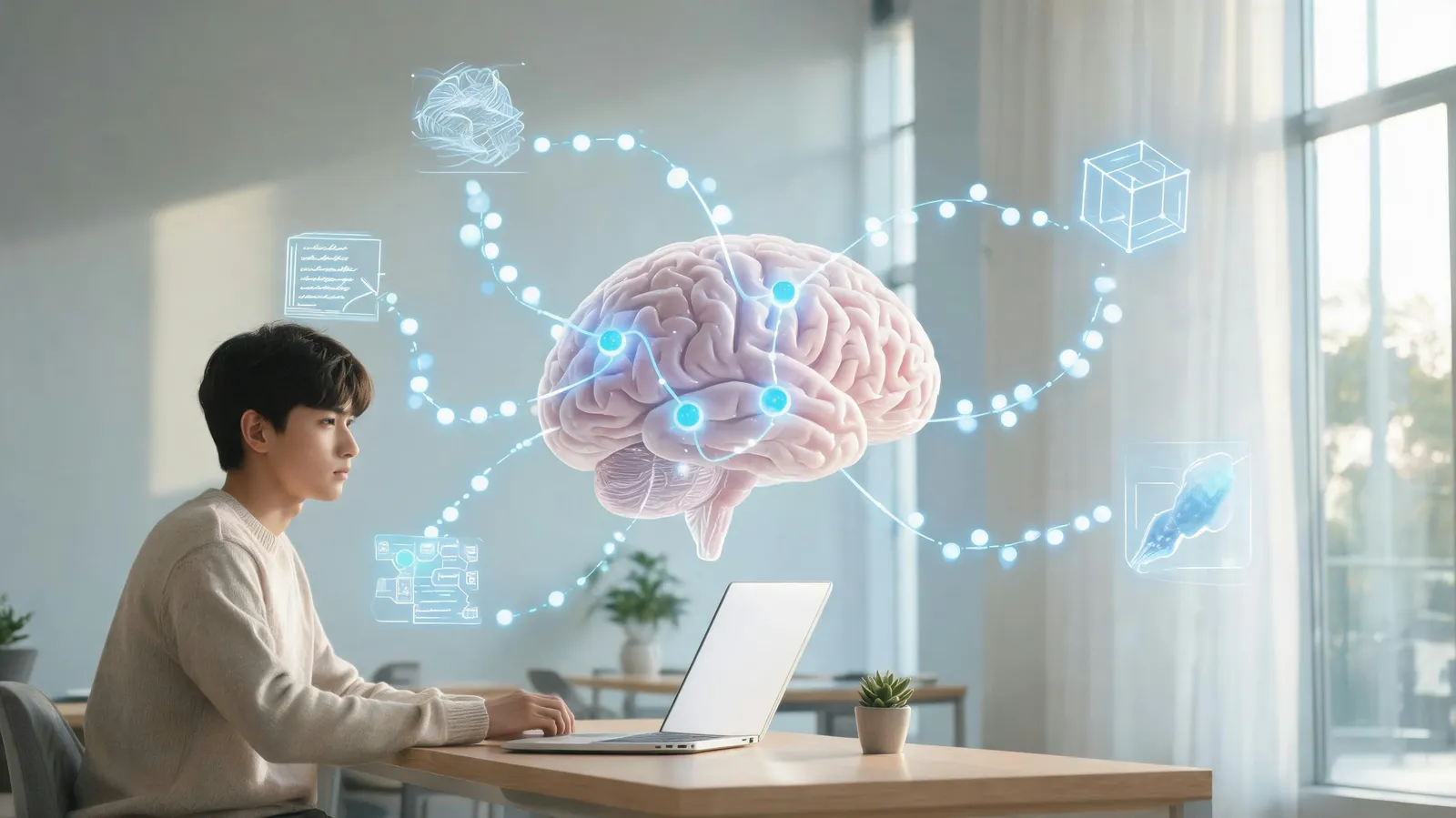
Traditional classrooms often fall short in catering to individual student needs, which can lead to learning gaps and disengagement. A one-size-fits-all approach to instruction disregards cognitive diversity and variations in learning pace. AI makes personalized learning possible by tailoring content, pacing, and difficulty to each learner's cognitive profile, thereby transforming education.
Adaptive Learning Paths Tailored to Cognitive Profiles
Cognitive profiles capture a learner's strengths, weaknesses, and preferences, allowing AI to design customized learning journeys. Research on cognitive variability indicates that learners benefit from instruction that is aligned with their profiles. AI algorithms map and update learner profiles in real time, using data from interactions to adjust content. Case studies of adaptive platforms show improved engagement and outcomes.
For instance, platforms such as Knewton and Smart Sparrow employ adaptive algorithms to deliver personalized content. Data reveals that students using these systems achieve better results than those in traditional settings.
AI-Enhanced Spaced Repetition and Retrieval Practice

The science of spaced repetition and retrieval practice is well-established in cognitive psychology. Studies demonstrate that spacing out review sessions and actively retrieving information strengthens long-term retention. AI algorithms personalize review intervals based on individual forgetting curves, optimizing efficiency. Apps like Anki and SuperMemo use AI to schedule reviews, leading to considerable time savings and improved memory retention compared to fixed schedules.
Dynamic Difficulty Adjustment in Intelligent Tutoring Systems
The zone of proximal development and flow theory highlight the importance of optimal challenge. AI techniques adjust task difficulty in real time to keep learners in the flow zone. Intelligent tutoring systems such as Carnegie Learning and Duolingo use algorithms to analyze performance and modify difficulty dynamically. Data suggests that students using these systems show improved performance and motivation.
For example, Carnegie Learning's MATHia adjusts problem difficulty based on student responses, providing personalized support. Studies report significant gains in math achievement.
Conclusion
AI personalized learning, through adaptive paths, spaced repetition, and dynamic difficulty, offers a powerful approach to closing achievement gaps and improving outcomes. Future integration with neuroscience and broader adoption in formal education will further transform learning.