Introduction
Today's customers engage with brands through numerous touchpoints, and 70% of them expect a consistent, personalized experience—a demand that traditional marketing approaches often fail to meet. Disjointed data, isolated channels, and inflexible campaigns contribute to fragmented customer experiences and revenue loss. By integrating conversational AI, cross-channel analytics, and real-time optimization, AI-powered customer journey orchestration enables seamless, adaptive, and highly personalized interactions at scale.
1. Conversational AI and Chatbot-Led Content Experiences
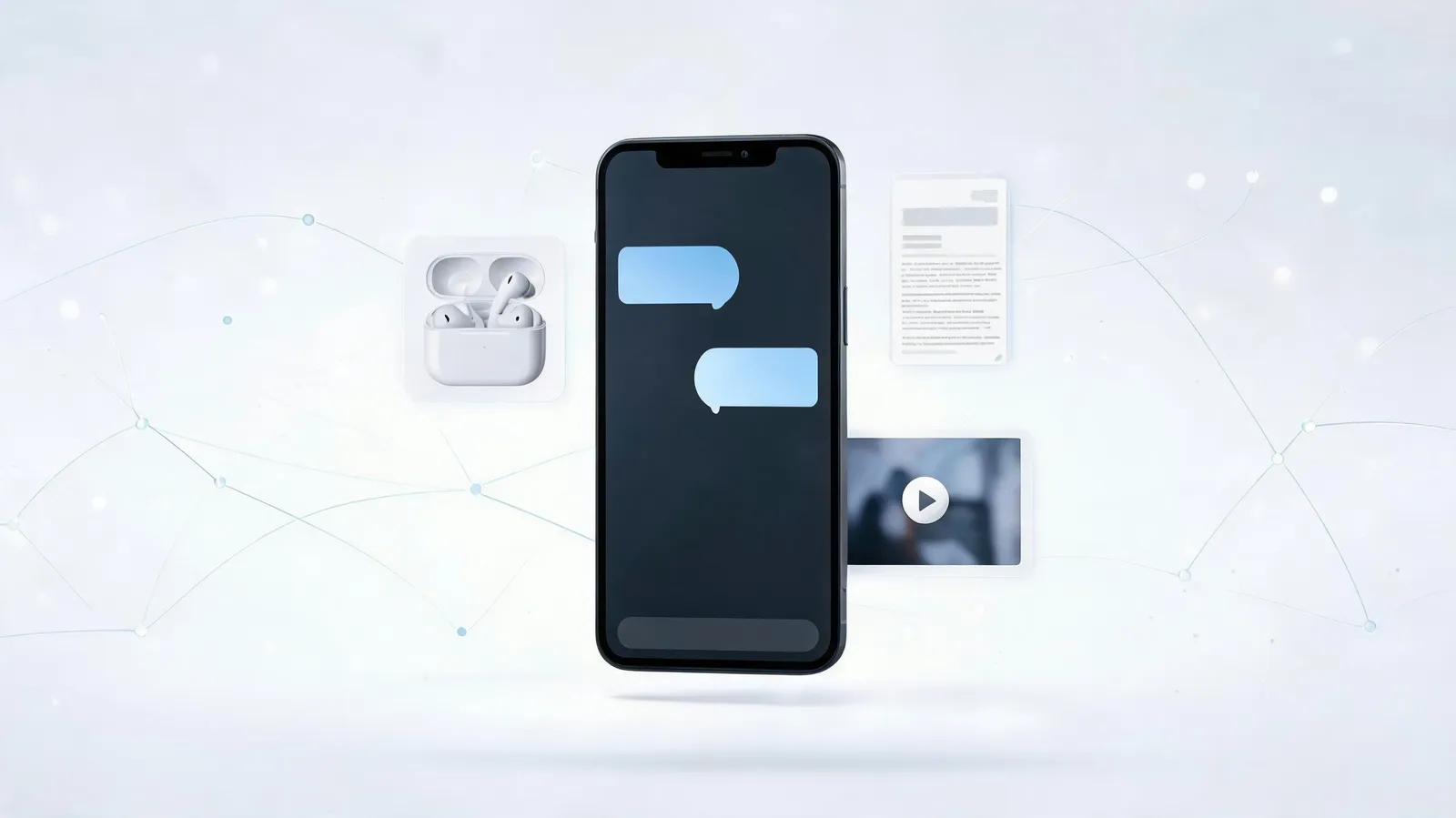
Conversational AI and chatbots have evolved beyond reactive support tools; they now serve as proactive journey guides that deliver personalized content and recommendations at scale. Utilizing natural language processing and machine learning, these systems engage customers in dynamic dialogues, adjusting content in real time according to user intent and behavior.
Chatbots as proactive journey guides: Modern AI chatbots do more than answer FAQs—they actively recommend products, suggest content, and guide customers through complex purchase decisions. For instance, a leading retail brand deployed an AI chatbot that analyzes browsing history and past purchases to offer tailored product recommendations, leading to a 35% increase in average order value and a 20% lift in conversion rates. Such chatbots can also initiate proactive outreach, such as sending a personalized message when a customer abandons a cart, offering assistance or a limited-time discount.
Conversational content experiences: Dialogue-based content that adapts to user intent in real time is reshaping how brands engage customers. A financial institution, for example, used conversational AI to simplify complex product choices, such as retirement plans or investment options. The AI asks clarifying questions and presents information in digestible snippets, cutting drop-off rates by 40% and raising customer satisfaction scores by 25%. This approach not only educates customers but also fosters trust and loyalty.
2. Cross-Channel Journey Mapping with AI Analytics
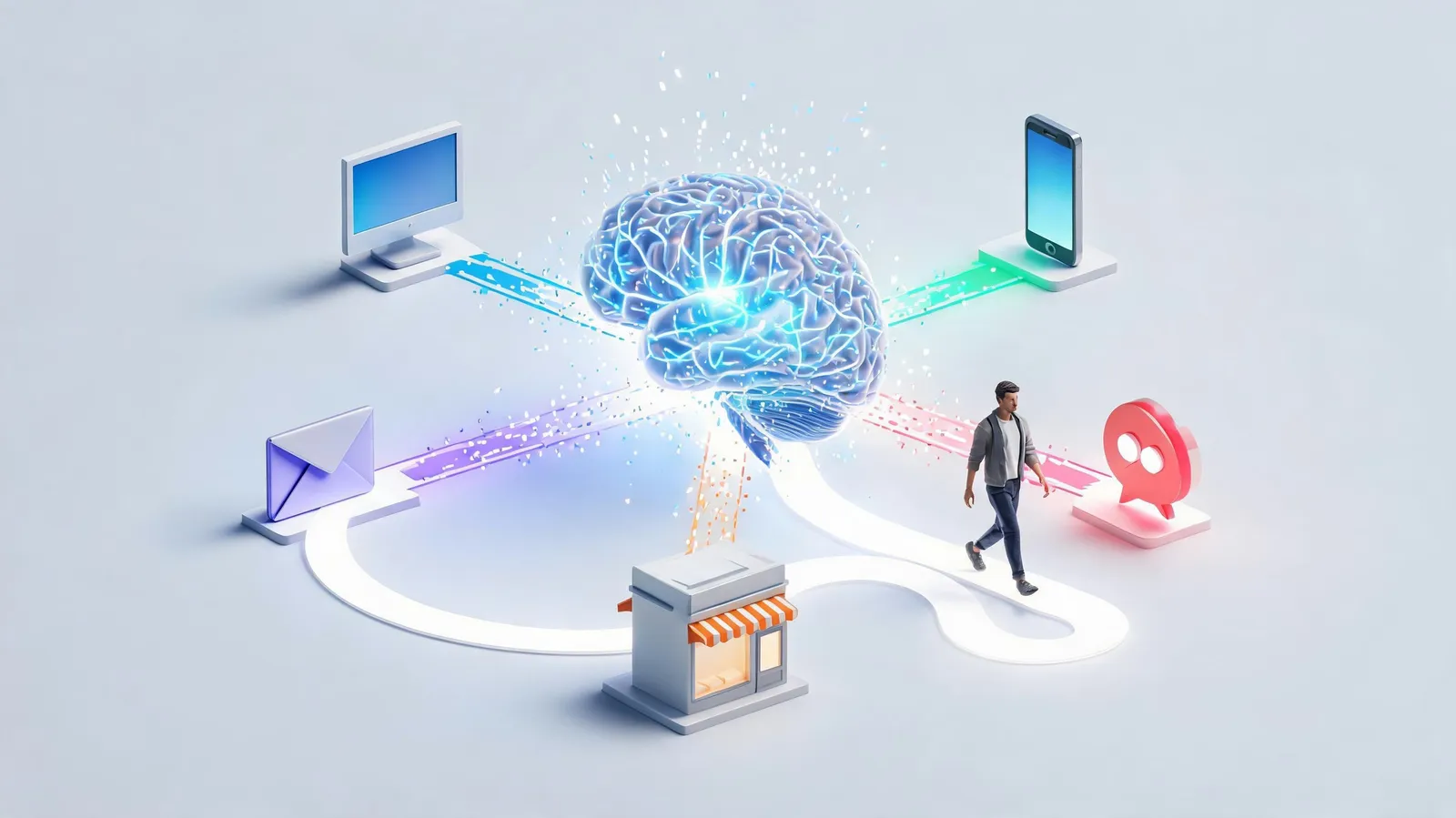
AI analytics unifies data across channels to map and optimize the entire customer journey, delivering a single view of the customer that traditional analytics cannot provide. By stitching together data from web, mobile, email, social, and offline interactions, AI creates unified customer profiles that enable precise targeting and personalization.
Unified customer profiles: AI-powered customer data platforms (CDPs) integrate data from disparate sources to build a 360-degree view of each customer. For example, a telecom company used AI to unify data from its website, mobile app, call center, and retail stores, resulting in a 25% reduction in churn. The unified profiles allowed the company to identify at-risk customers and trigger personalized retention offers across channels, such as a special discount sent via email or a proactive call from a retention specialist.
Predictive journey mapping: AI identifies friction points and predicts next-best actions across channels, enabling marketers to optimize the journey in real time. An e-commerce brand used predictive journey orchestration to trigger cross-channel re-engagement campaigns, such as sending a push notification when a customer viewed a product but didn't purchase, followed by a personalized email with a limited-time offer. This approach led to a 15% increase in revenue and a 30% improvement in campaign ROI. By analyzing historical data and real-time signals, AI can predict which customers are likely to churn, convert, or upsell, and recommend the optimal channel and timing for each interaction.
3. Real-Time Offer and Message Optimization
AI enables real-time personalization of offers and messages to maximize relevance and conversion, ensuring that each customer receives the right message at the right time on the right channel.
Dynamic offer personalization: AI selects the best offer for each customer at the moment of interaction, based on their profile, behavior, and context. For example, a travel company used AI to personalize hotel and flight offers in real time, resulting in a 25% increase in conversion rates. The AI considered factors such as the customer's destination, travel dates, loyalty status, and browsing history to present the most relevant options, dynamically adjusting prices and packages to match individual preferences.
Message optimization across channels: AI tests and adapts messaging tone, timing, and channel in real time to optimize engagement. A bank used AI to optimize email and push notification content, resulting in a 20% improvement in open rates and a 15% increase in click-through rates. The AI continuously ran A/B tests on subject lines, copy, and send times, learning from each interaction to refine future messages. It also determined the best channel for each customer—some preferred email, others push notifications or SMS—and adjusted the frequency to avoid fatigue.
Conclusion
AI-powered customer journey orchestration is reshaping customer experience by integrating conversational AI, cross-channel analytics, and real-time optimization. This approach allows brands to deliver seamless, adaptive, and highly personalized journeys at scale, driving competitive advantage and measurable ROI. As generative AI and predictive analytics advance, we can expect fully autonomous, self-optimizing customer journeys that anticipate needs and deliver value effortlessly. Brands that adopt AI orchestration today will be best positioned to lead in the future of customer experience.