Moving Beyond Static Segments: Real-Time Audience Targeting and Adaptive Content
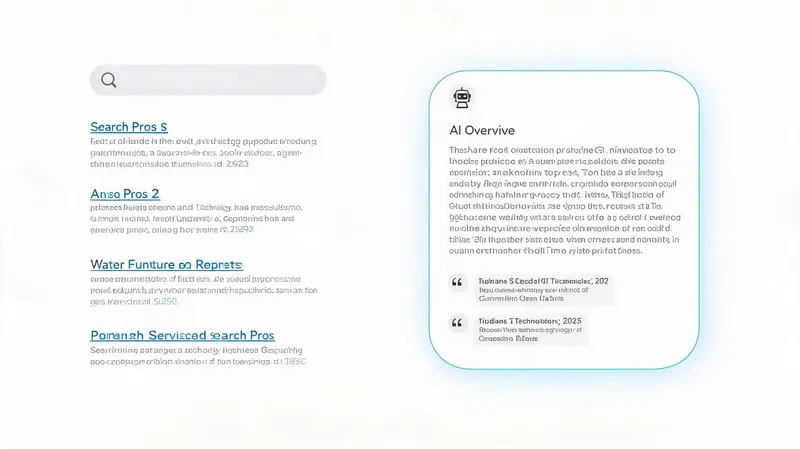
Real-time audience segmentation marks a decisive departure from batch-oriented, rule-based marketing. Rather than depending on historical records and manually defined groups, AI-driven systems continuously examine behavioral, contextual, and intent signals to form micro-segments that refresh as situations change. The result: content reaches the right person at the moment it matters.
Using behavioral, contextual, and intent signals for segmentation opens a level of precision that was previously hard to achieve. An online retailer, for instance, can vary its homepage banners according to what a visitor is doing in the moment—featuring running shoes to someone who just browsed athletic apparel, or kitchen appliances to a person researching recipes. Industry data cited recently indicates that dynamically personalized content generates 40% more engagement than static content. The effect tends to be especially visible in retail, media, and financial services, where consumer intent can shift quickly.
Delivering adaptive content across email, web, and mobile keeps the experience coherent and relevant as customers move through their journey. A news publisher, for example, can use AI to reorder articles for each reader based on reading history and inferred interests, lifting click-through rates by as much as 35%. In email, campaigns that adjust subject lines and body copy in real time have seen open rates rise by 20-30%. These are not marginal improvements; they represent a structural edge for brands that move early on AI-driven personalization.
Putting real-time segmentation into practice demands solid data infrastructure and a habit of continuous learning. A sensible starting point is unifying customer data across touchpoints, then adding AI models capable of processing streaming data. Tools like Perplexica can help validate trends and keep strategies aligned with current market behavior. As privacy rules become stricter, it is equally important to base segmentation on consented, first-party data—a topic covered in the third section.
Anticipating Needs: Predictive Models for Email and Web Experiences
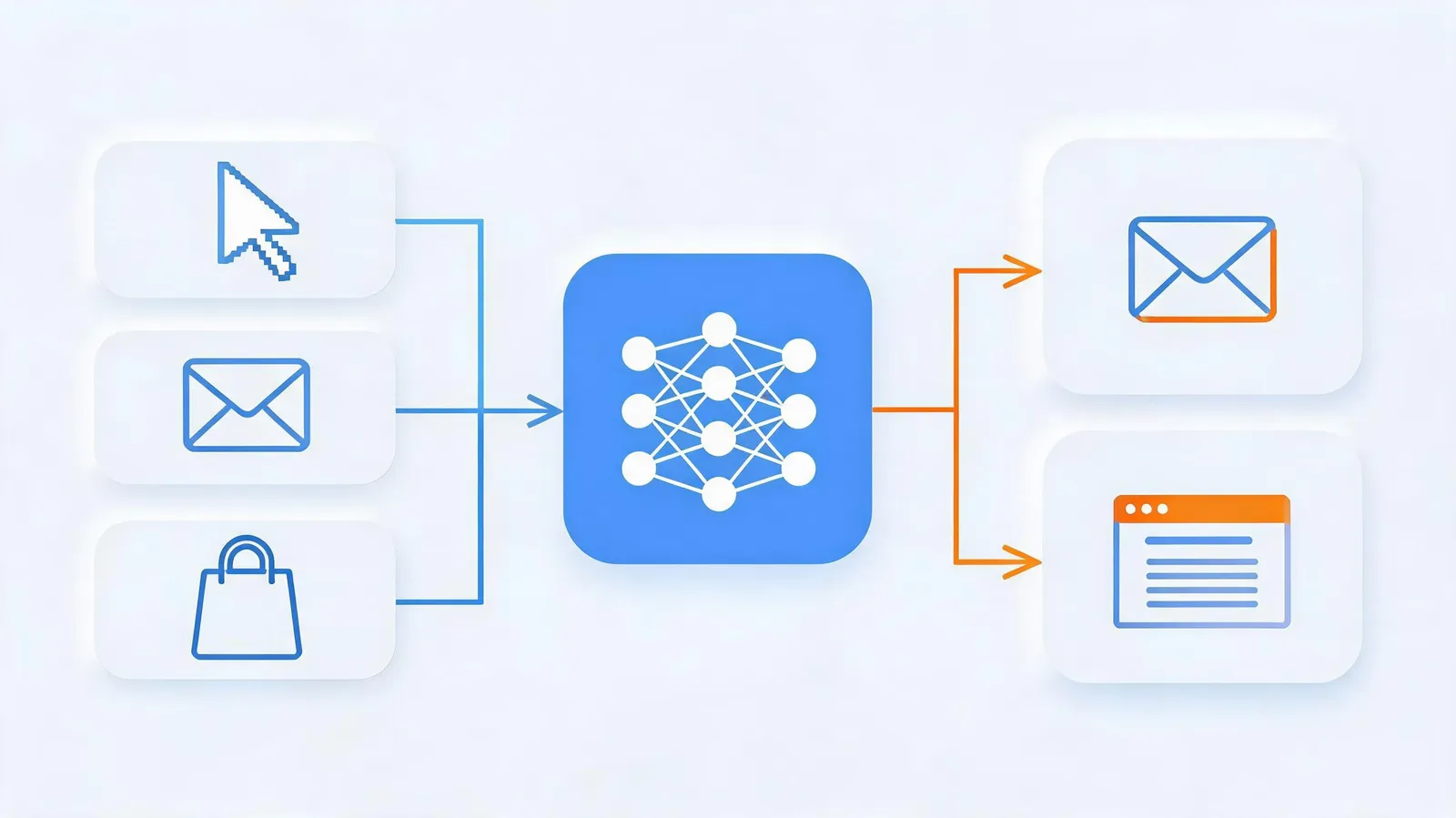
Predictive personalization models apply machine learning to foresee what users need and serve content proactively, rather than only reacting to expressed intent. By combining historical and real-time data, these models estimate the next-best content, product, or action for each individual—allowing marketers to engage people before they explicitly ask for anything.
Machine learning that forecasts next-best content or products is changing email marketing. AI can, for example, draft subject lines informed by past open behavior, which can meaningfully raise open rates. Predictive send-time optimization—choosing the ideal delivery moment for each recipient—has been shown to increase open rates by 25% or more. Such models keep learning from user interactions, so their accuracy tends to improve over time.
Web personalization built on collaborative filtering and deep learning brings recommendation-engine techniques into content marketing. By examining patterns across similar users, collaborative filtering can propose articles, videos, or products a person is likely to engage with. Deep learning goes further by incorporating unstructured material such as text and images to grasp context and sentiment. Documented cases show conversion-rate gains of 15-30% on e-commerce sites, and media publishers have seen time-on-site increase by more than 40%.
Effective predictive implementation requires clean, integrated data and a willingness to experiment. Begin with one use case—email subject line optimization, for instance—and expand once ROI is demonstrated. It is also important to watch for bias and to make sure models do not reinforce stereotypes or shut out particular segments. As the next section explains, privacy considerations need to be built into every predictive model from the start.
Depth Versus Discretion: Meeting Consumer Privacy Expectations
The central tension in AI-driven content marketing is how to balance personalization depth against consumer privacy expectations. AI makes far-reaching personalization possible, yet frameworks such as GDPR and CCPA set strict limits on how data may be collected and used. Marketers have to work within these boundaries, earning trust through transparency and consent.
Privacy rules (GDPR, CCPA) and their effect on data collection carry real weight. Failure to comply can bring substantial penalties—as much as 4% of global revenue under GDPR. Legal risk aside, consumers are increasingly cautious about how their information is handled. One recent survey found that 60% of consumers will share data in exchange for a better experience, but only when brands are transparent about its use. That is both a challenge and an opening: companies that put privacy first can stand apart and cultivate stronger loyalty.
Approaches to transparent, consent-based personalization include relying on zero-party data—information consumers voluntarily provide, such as preferences and purchase intentions. A prominent beauty brand, for example, draws on zero-party data from quizzes and surveys to tailor product recommendations, which has produced a 30% rise in repeat purchases and higher customer lifetime value. Other tactics include clear opt-in mechanisms, plainly written privacy policies, and giving users control over their own data.
To make this work, marketers should adopt a privacy-first mindset and treat data as a privilege rather than an entitlement. That means investing in consent management platforms, anonymizing data where feasible, and being open about AI's role in personalization. Done well, this lets brands realize the potential of AI-driven personalization while honoring consumer boundaries—a balance that will only grow more important as regulations continue to evolve.
Conclusion
Real-time segmentation, predictive models, and privacy balance are interdependent pillars of AI-driven personalization. Real-time segmentation supplies the data foundation, predictive models create proactive experiences, and privacy balance keeps the approach sustainable and trusted. Combined, they can turn content marketing from a cost center into a growth engine.
AI personalization is no longer optional—it is a competitive necessity. With generative AI and zero-party data reshaping the landscape, marketers who take a privacy-first, AI-driven approach will lead the next wave of customer engagement. Start small, measure rigorously, and always keep the consumer at the center. The future of content marketing is personalized, predictive, and private—and it is already here.