Introduction
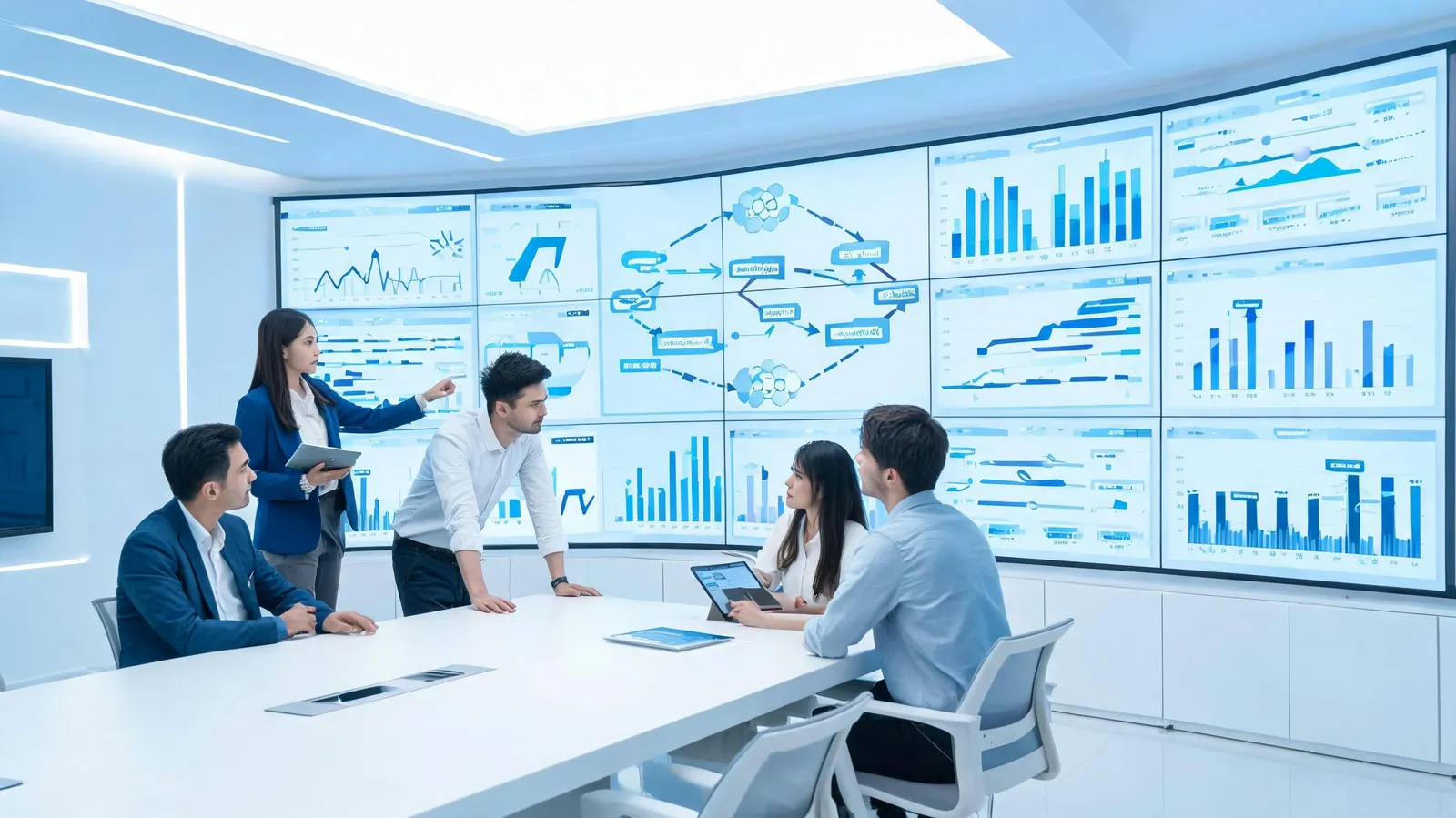
A new phase in marketing is taking shape, one in which artificial intelligence moves past assistance into autonomous creation, testing, and optimization of campaigns across text, imagery, and audio. Most AI marketing tools in use today remain single-modal and depend on human coordination. Emerging capabilities, however, point toward end-to-end automation and simulation. As multimodal AI, autonomous agents, and synthetic audiences converge, they are forming a paradigm that is quicker, more individualized, and more data-intensive, altering how brands connect with consumers in the United States and elsewhere.
Multimodal AI: Unified Campaigns Across Text, Image, and Audio
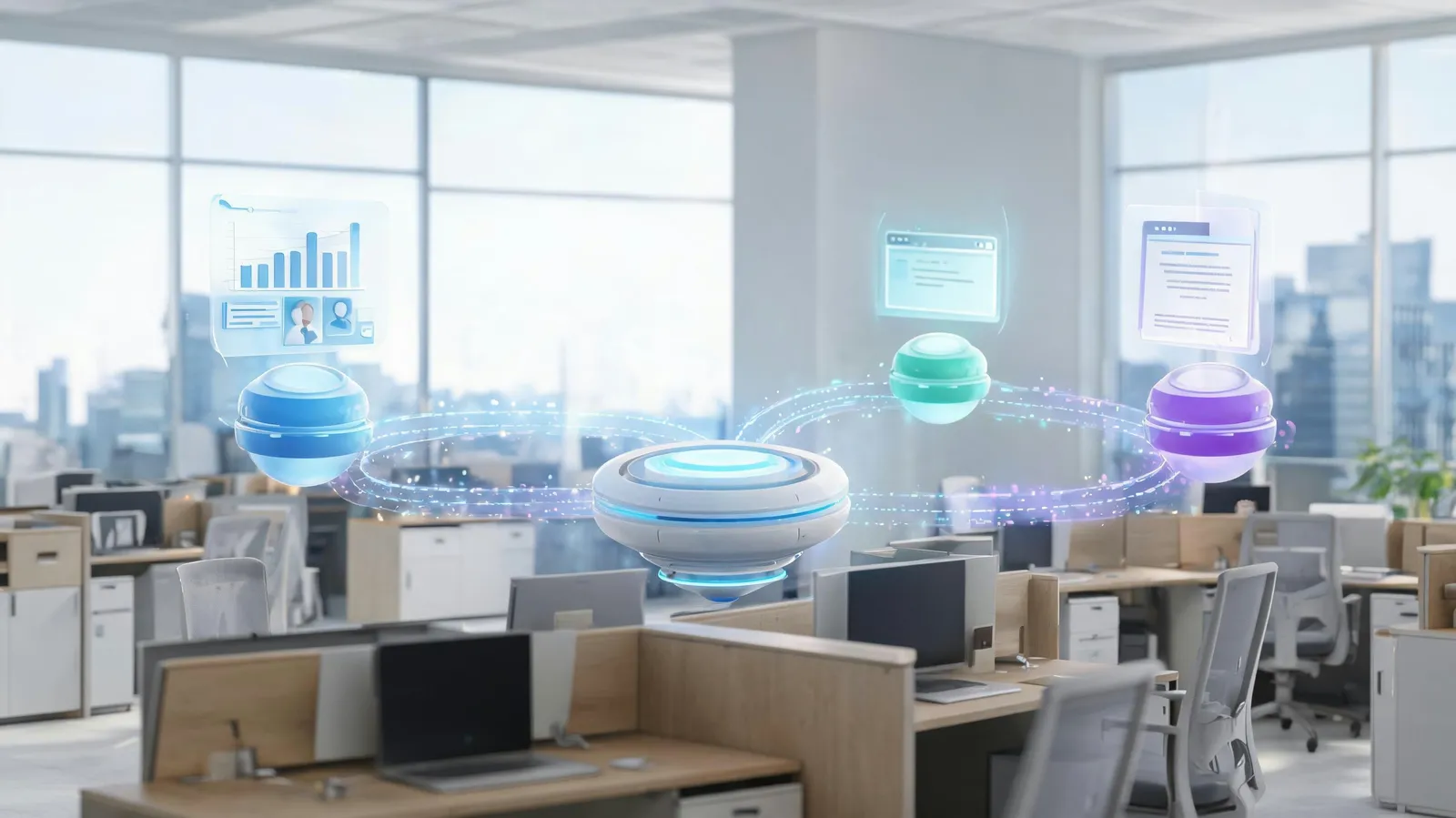
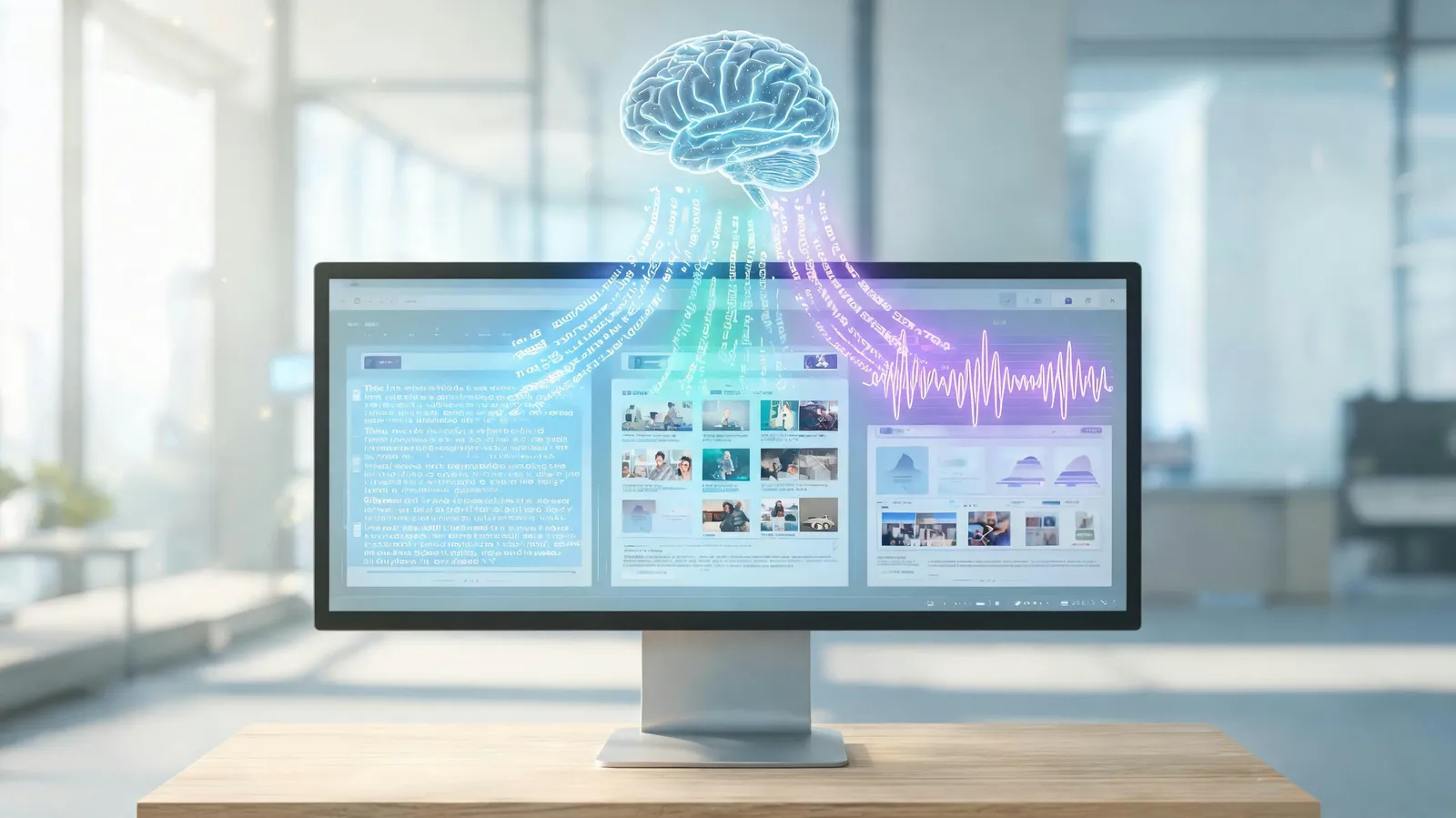
A major advance in AI marketing trends is multimodal AI, which allows text, images, and audio to be generated together from a single prompt. Marketers can thus build coherent campaigns that cross multiple channels without the usual silos in content production. Tools such as GPT-4 with DALL-E and ElevenLabs, for instance, can turn one brief into blog posts, social media visuals, and podcast ads, helping maintain brand consistency and cutting manual coordination. One recent case study described a campaign that automatically produced a set of blog posts, matching social images, and audio ads, leading to a 30% rise in engagement across platforms.
Another advantage is smooth adaptation of content across platforms. Multimodal AI can adjust the same core message for social media, email, and the web, refining format and tone for each. According to data, campaigns that maintain multimodal consistency achieve up to 25% higher engagement rates and benefit from considerable efficiency gains due to reduced manual coordination. The result is not only time saved but also a unified brand voice at every touchpoint.
Autonomous Agents: Managing Campaigns from Start to Finish
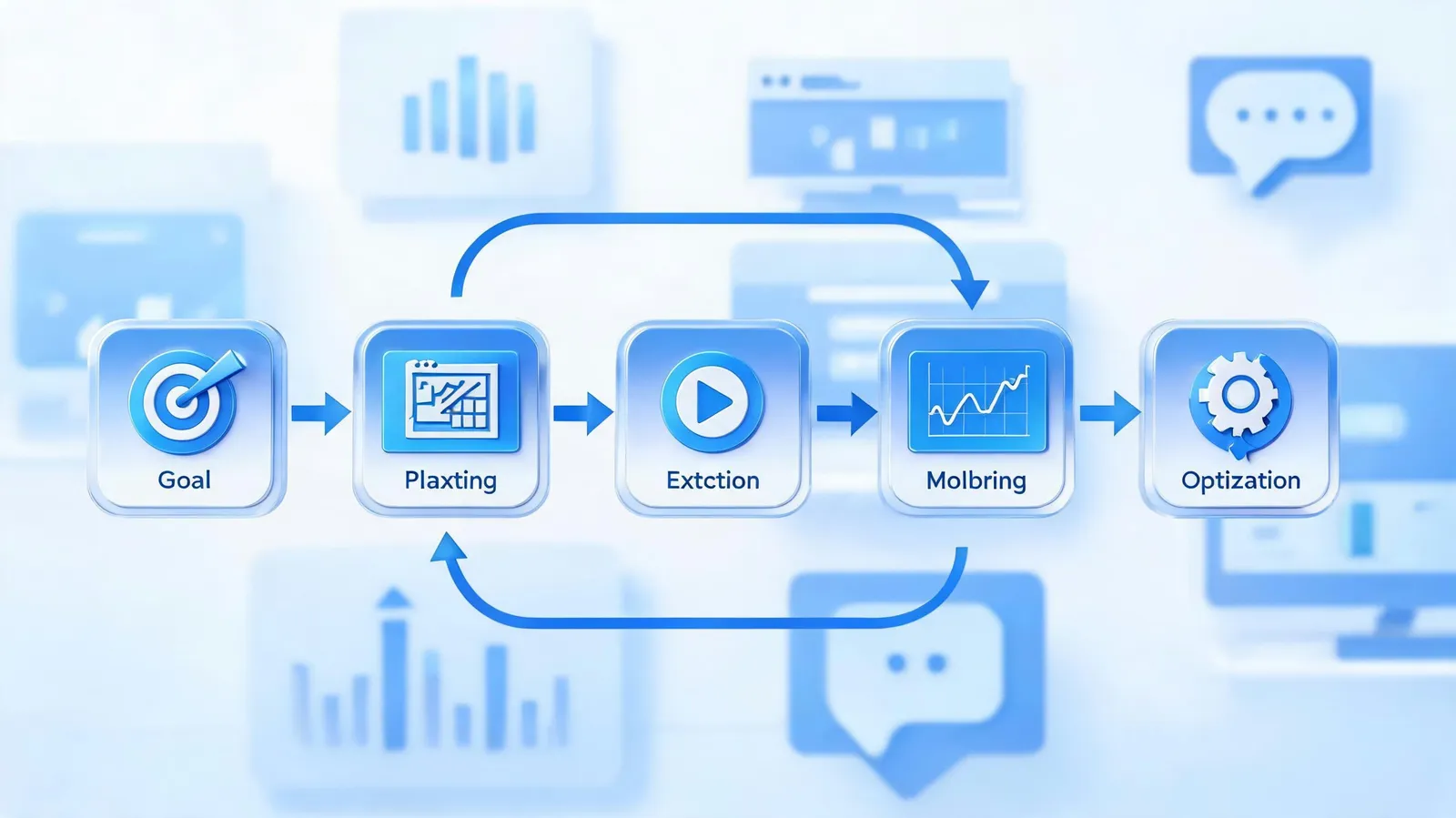
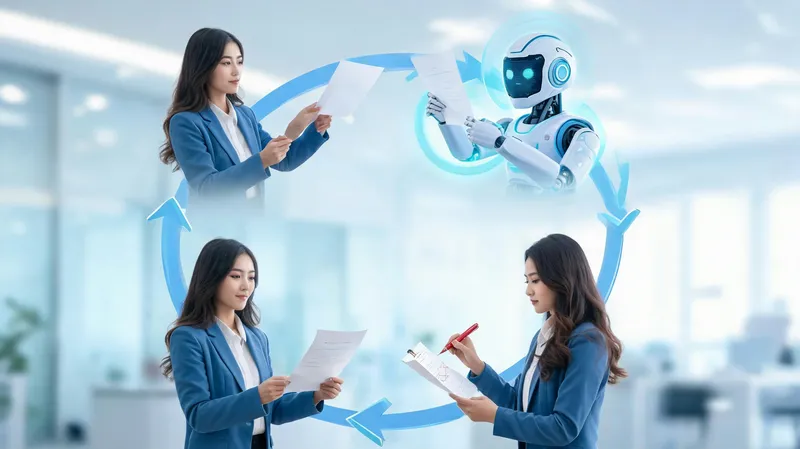
Autonomous agents are expected to reshape AI marketing trends by handling campaigns end-to-end with little human involvement. These agents follow a perception-planning-action-learning loop, akin to frameworks such as AutoGPT and BabyAGI. They can distribute budget across channels in real time, modify messaging according to performance, and even run A/B tests without human input. An autonomous agent might, for example, notice that a particular ad creative is performing poorly on one platform and automatically shift budget to a stronger channel, all within minutes.
Core capabilities include real-time optimization and A/B testing. Statistics indicate that autonomous optimization can raise ROI by up to 40% relative to manual management. A case study of a retail brand showed an AI agent self-adjusting messaging based on live performance data, producing a 25% increase in conversion rates. Such autonomy not only boosts efficiency but also frees marketers to concentrate on strategic oversight and creative direction.
Synthetic Audiences: Simulated Market Testing
Synthetic audiences are gaining traction as a powerful tool in AI marketing trends, letting brands test campaigns before real-world launch. These virtual personas are constructed from demographic and behavioral data, forming a simulated environment for predictive testing. A synthetic audience can, for instance, forecast ad recall and sentiment without live users, yielding insights that are both rapid and cost-effective. This lets marketers iterate quickly, lower risk, and refine messaging based on simulated feedback.
The advantages are considerable: quicker iteration, lower cost, and reduced risk. In contrast to traditional focus groups, synthetic audiences can produce results in hours rather than weeks, at a fraction of the cost. A case study of a consumer goods brand revealed that using synthetic audience feedback helped refine messaging and led to a 15% higher engagement rate in the actual campaign. This technology is especially useful for testing sensitive or controversial messages without public backlash.
Conclusion
Multimodal AI, autonomous agents, and synthetic audiences are converging to support fully automated, highly personalized, and risk-mitigated campaigns. These technologies will move marketers' roles from manual execution toward strategic oversight and creative direction. The integration of these trends is expected to yield self-improving marketing ecosystems that continuously learn and adapt, ultimately driving better results and deeper consumer connections. As AI marketing trends continue to evolve, embracing these emerging technologies will be essential for staying competitive in the US market and beyond.