Displaced and Devalued: The Direct Economic Effects on Illustrators, Voice Actors, Translators, and Copywriters
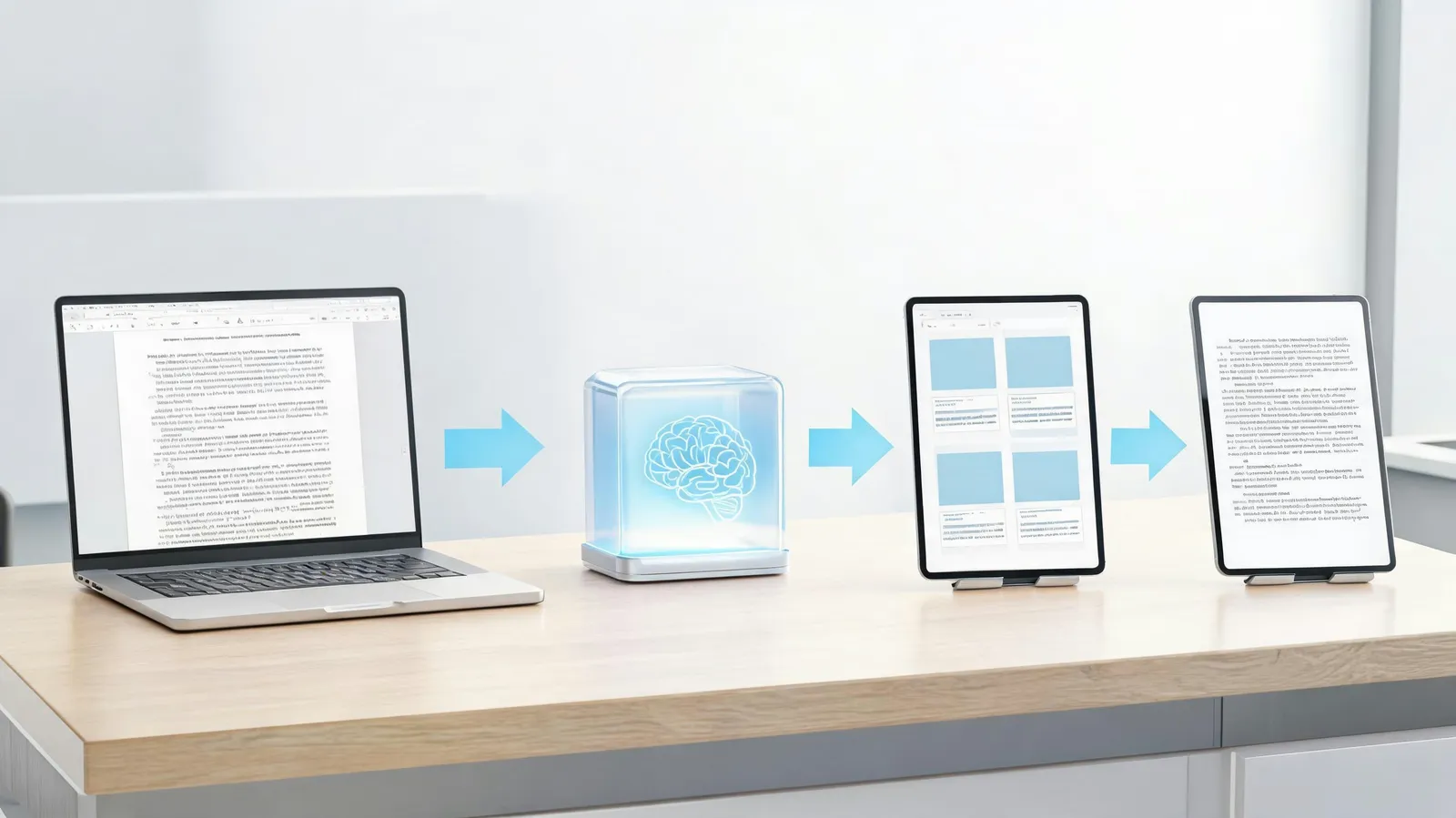
Generative AI tools now turn out illustrations, voiceovers, and translations at a small fraction of what traditional methods cost, and creative industries are being forced to reckon with the consequences. Creative work has long been treated as uniquely human, but the capacity of AI to imitate style and automate tasks is putting that belief under strain. AI is more than a technological shift: it is an economic and labor disruption that calls for new roles, revised workflows, and collective responses to protect creative livelihoods.
The direct economic effects are most visible in four professions: illustrators, voice actors, translators, and copywriters. Each faces a distinct form of automation pressure, but the common thread is downward pressure on income, job security, and market demand.
Illustrators: Downward Pressure on Commissions
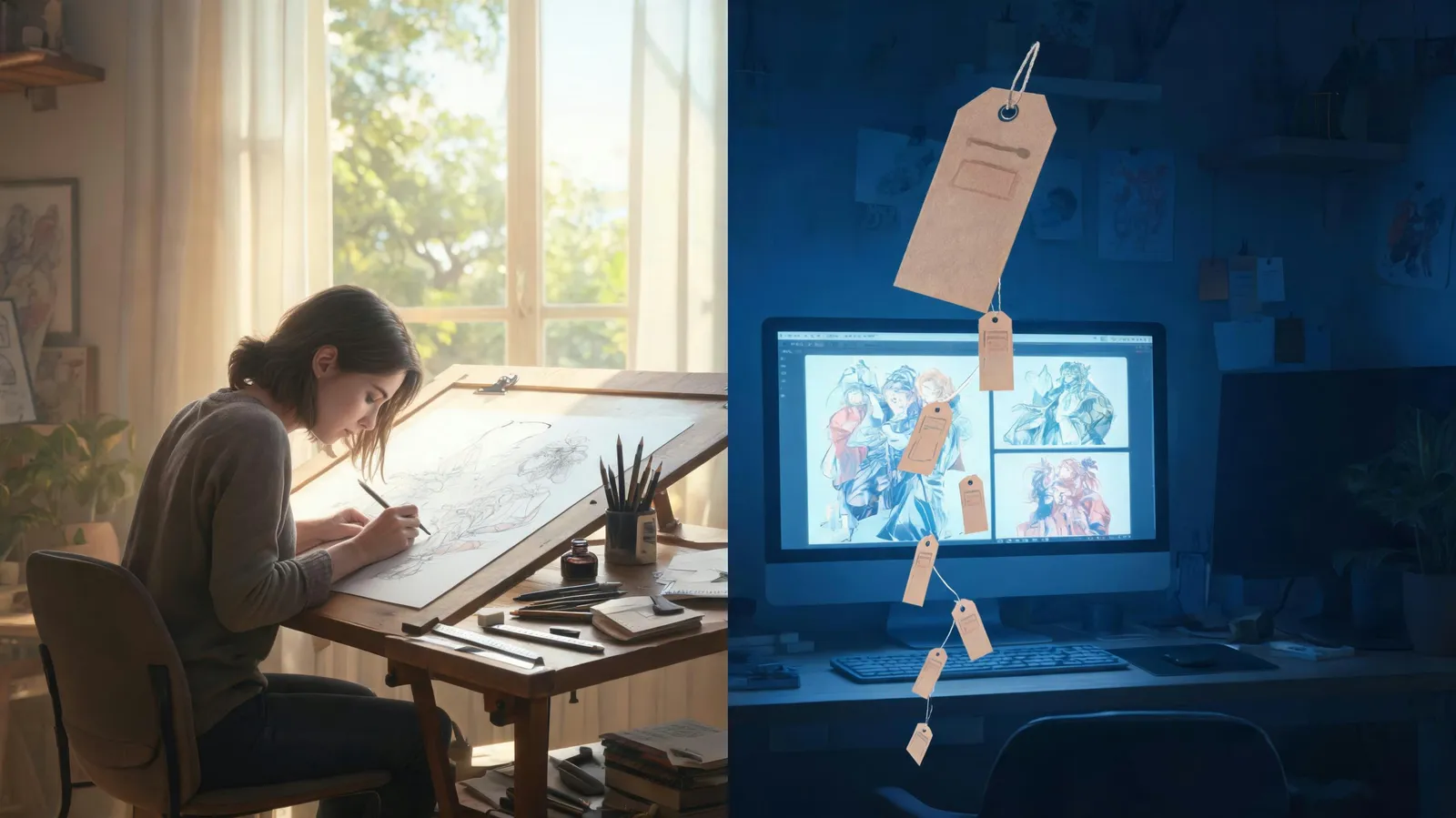
AI image generators such as Midjourney, DALL-E, and Stable Diffusion can produce cheap alternatives to commissioned illustration. The stock illustration market has seen a decline as businesses opt for AI-generated visuals. Case studies of artists losing book cover and editorial work are increasingly common. For example, in 2023, several illustrators reported losing contracts to AI-generated covers that cost a fraction of their typical fee. The economic impact is not just about lost commissions but also about the devaluation of creative labor—when a machine can produce a passable image in seconds, the perceived value of human illustration drops.
Voice Actors: Synthetic Voice Cloning Without Consent
Voice actors confront synthetic voice cloning that mimics their timbre without consent or compensation. AI voice tools can generate realistic speech for audiobooks, ads, and video games. Union surveys show income loss among voice actors, with many reporting that clients now request AI-generated voices instead of hiring talent. Examples include AI voice use in audiobooks and ads, where a single voice actor's likeness can be cloned and reused indefinitely. The economic effect is a reduction in demand for human voice talent, particularly for routine narration and character work.
Translators and Copywriters: Routine Tasks Automated
Translators and copywriters see routine tasks automated, reducing entry-level opportunities. Machine translation adoption in localization has grown rapidly, with companies using AI to handle basic translation and copywriting tasks. Freelance copywriter rate trends show stagnation or decline for simple content, as AI can generate blog posts, product descriptions, and social media copy at scale. The economic impact is most acute for those who rely on high-volume, low-complexity work—the traditional entry point for new freelancers.
New Roles and Workflows: Prompt Engineering, AI-Assisted Editing, and Curation
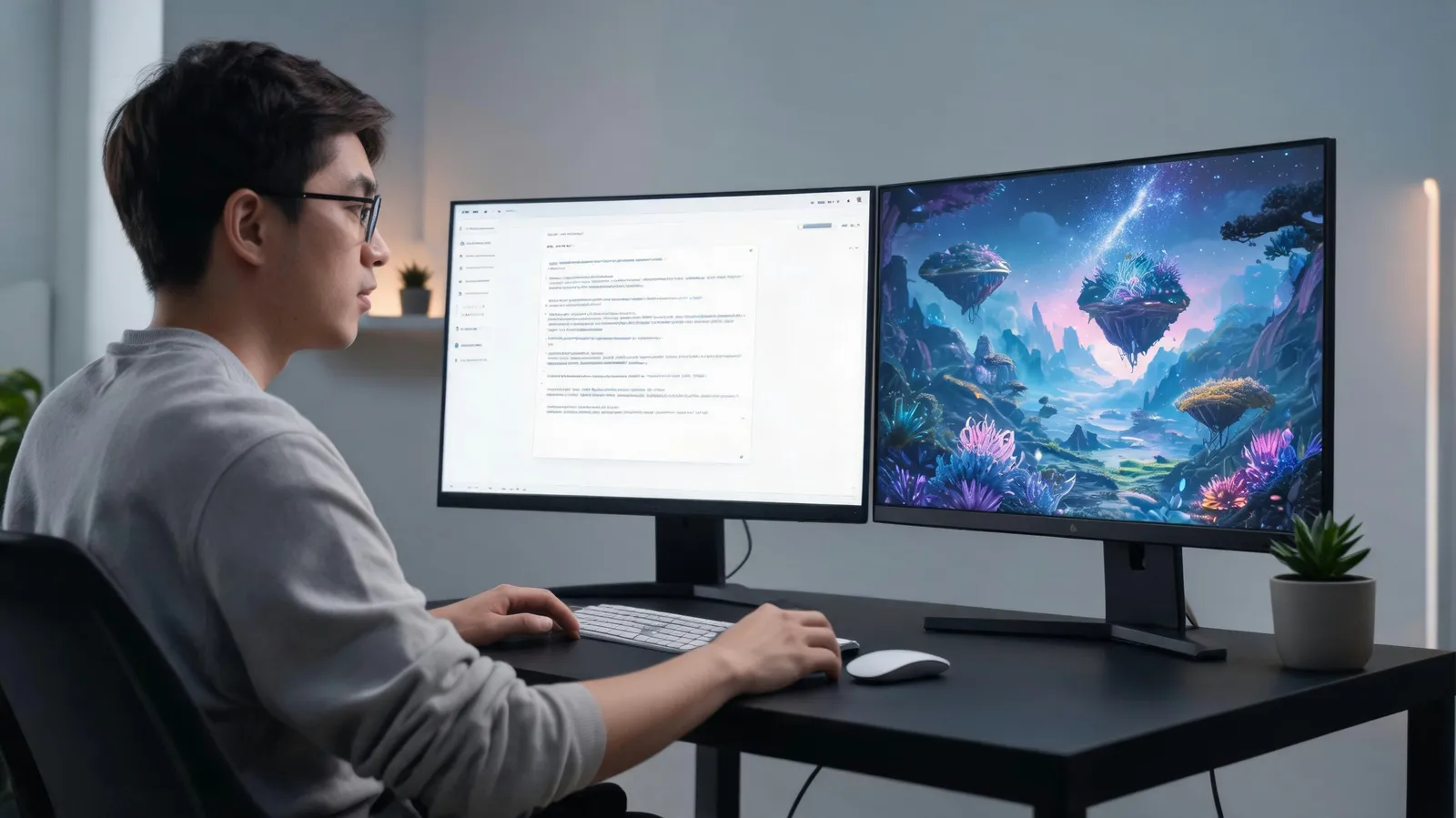
While AI displaces some roles, it also creates new ones. Prompt engineering has emerged as a specialized skill for directing AI outputs in illustration, writing, and voice. Job postings for prompt engineers in creative agencies are growing, and training programs and certifications are emerging. Prompt engineers learn to craft precise instructions that guide AI models to produce desired results, blending creative direction with technical understanding.
AI-assisted editing and curation redefine creative workflows, blending human judgment with machine efficiency. Publishing houses use AI for copyediting, while museums employ AI for collection curation. In these workflows, humans focus on higher-level tasks—strategy, quality control, and ethical oversight—while AI handles repetitive or data-intensive work. This collaboration can increase productivity and free creative professionals to focus on more meaningful aspects of their work.
Organizing for Fairness: Licensing, Compensation, and Collective Bargaining Responses from Creative Unions
Creative unions and professional groups are responding to AI through licensing agreements, compensation demands, and collective bargaining. The goal is to ensure that AI adoption does not come at the expense of creative livelihoods.
Licensing Frameworks: Consent and Payment
Creative unions push for AI licensing frameworks that require consent and payment for use of copyrighted works. SAG-AFTRA secured AI provisions in its 2023 contract, including consent requirements and compensation for digital replicas. The Authors Guild has proposed licensing models for AI training data, arguing that authors should be compensated when their works are used to train AI models. These frameworks aim to give creators control over how their work is used and ensure fair payment.
Collective Bargaining: Transparency, Compensation Floors, and Retraining
Collective bargaining strategies include demands for transparency, compensation floors, and retraining funds. The Writers Guild of America (WGA) negotiated minimum staffing and AI disclosure clauses in its 2023 contract, ensuring that writers are informed when AI is used and that human writers are not replaced. The Illustrators' Guild has published guidelines for AI usage, recommending that illustrators disclose AI use and negotiate fair terms. These collective efforts aim to shape AI adoption in ways that protect creative workers.
Conclusion: Navigating the AI Transition
AI simultaneously displaces traditional roles and creates new ones, while unions fight for fair terms. The critical role of collective bargaining and policy in shaping an equitable AI transition for creative workers cannot be overstated. The future potential for AI to augment rather than replace creative labor depends on ethical and economic safeguards. By organizing, negotiating, and advocating for fair licensing and compensation, creative professionals can help ensure that AI serves as a tool for empowerment rather than exploitation.