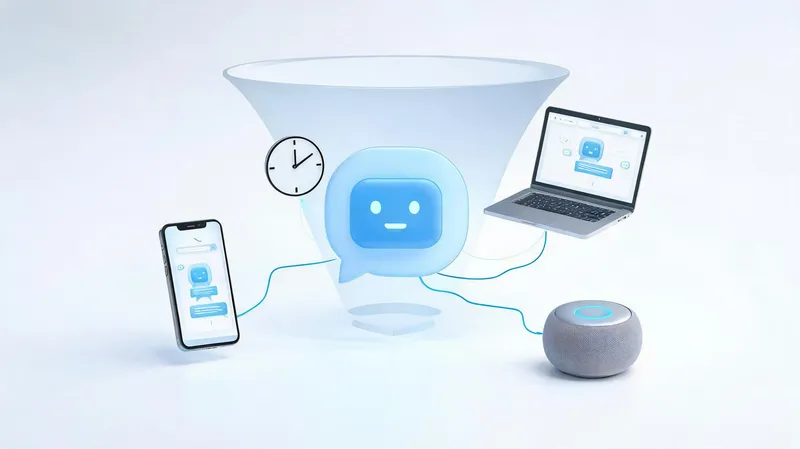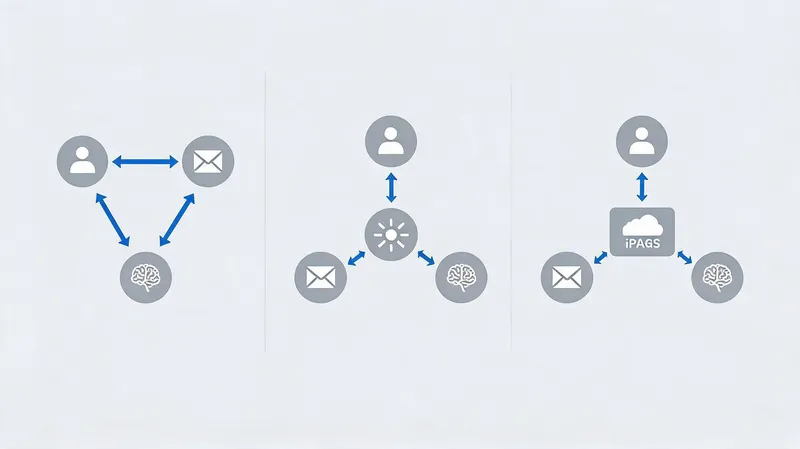
Sales reps spend only 28% of their week actually selling. The rest is consumed by administrative work, meeting notes, and CRM updates. Traditional sales enablement relies on manual coaching, static playbooks, and retrospective analysis, which cannot keep pace with modern buyer expectations. AI is transforming sales enablement by automating administrative work, delivering real-time coaching, and guiding reps with next-best-action recommendations. Yet the productivity paradox remains: organizations invest in AI tools, but reps often resist or underuse them. The key is not just technology, but how it is integrated into daily workflows and rep training.
AI Copilots: Automating Meeting Summaries, CRM Updates, and Follow-Ups
AI copilots are built to remove the administrative load that fills a rep's day. These tools listen to calls, generate summaries, extract action items, and update CRM records automatically. A 2024 Salesforce report found that reps using AI copilots save over five hours per week on post-meeting admin, and CRM data accuracy improves by up to 40%. For example, a mid-market SaaS company cut its average follow-up time from 24 hours to 2 hours after deploying an AI copilot, leading to a 15% increase in response rates.
However, copilots are not a silver bullet. If reps do not trust the summaries or feel the tool adds complexity, adoption stalls. Successful deployments pair copilots with clear guidelines on when to review and edit AI output. Reps should be trained to treat the copilot as a junior assistant, not an autonomous replacement. This ensures data quality while freeing time for selling.
Real-Time Conversation Intelligence and Coaching Insights
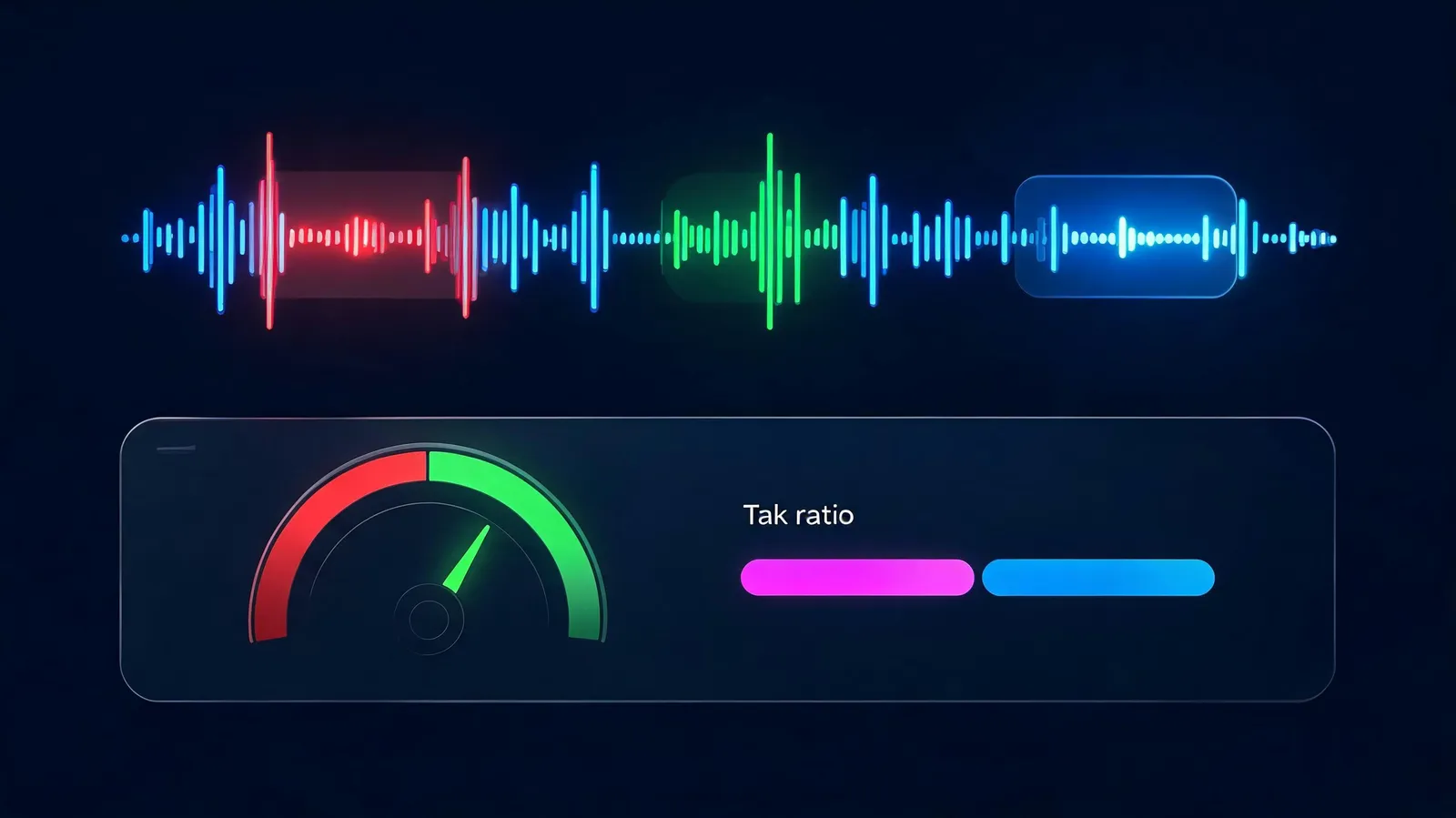
Conversation intelligence platforms analyze sales calls to surface buying signals, objections, and competitor mentions. Live transcription and sentiment analysis can cue reps during calls, while post-call analytics generate personalized coaching recommendations. A 2023 study by Gong found that teams using conversation intelligence improved win rates by 12% within six months. For instance, a financial services firm identified that top performers asked three specific discovery questions; after training the rest of the team on those questions, overall conversion increased by 18%.
Benchmarking top performer behaviors is another powerful application. By analyzing thousands of calls, AI can reveal winning patterns—such as talk ratio, keyword usage, and next steps. One case study showed that replicating a top rep's talk ratio (43% rep, 57% customer) across a team of 50 reps led to a 9% increase in closed-won deals. The challenge is not data collection but turning insights into action. Reps need regular, bite-sized coaching sessions that focus on one or two behaviors at a time.
Automated Playbook Recommendations and Next-Best-Action Guidance
Static playbooks are outdated the moment they are printed. AI-driven playbooks adapt to deal stage, industry, and buyer behavior, suggesting the next best action for each opportunity. For example, if a deal stalls in the negotiation stage, the AI might recommend sending an ROI case study or involving an executive sponsor. Companies using next-best-action recommendations report 20% faster deal cycles and 15% higher conversion rates.
Integration with CRM and sales engagement platforms is critical. Reps should not have to switch apps to receive guidance. When AI recommendations appear directly in the CRM or email client, adoption increases. A case study of a manufacturing company showed that embedding next-best-action prompts in Salesforce led to a 30% increase in playbook adoption and a 10% reduction in ramp time for new hires.
Training and Upskilling Sales Teams to Work Alongside AI
AI adoption hinges on training. Reps need to understand what the AI can and cannot do, and how to interpret its recommendations. AI-powered onboarding can create personalized learning paths based on call performance, reducing ramp time by up to 30%. Simulated role-play with AI avatars allows reps to practice objection handling in a safe environment. A 2024 study by Allego found that reps who trained with AI avatars improved their objection handling skills by 25% and reported higher confidence.
Fostering a culture of continuous feedback is essential. Sales leaders should position AI as a coach, not a replacement. When reps see AI as a tool that helps them earn more and improve, resistance fades. One software company reported a 40% increase in employee satisfaction after implementing AI coaching, with voluntary turnover dropping by 15%.
Conclusion
AI is redefining sales enablement, but the productivity paradox persists: technology alone does not guarantee results. The most successful organizations combine AI copilots, conversation intelligence, automated playbooks, and continuous training to create a synergistic effect. Reps must be at the center, with AI as an enabler. As AI evolves, predictive analytics and hyper-personalization will further blur the lines between human and machine, making the rep-AI partnership indispensable for meeting modern buyer expectations and driving revenue growth.