
Introduction
The idea of using artificial intelligence to personalize learning has shifted from speculation to lived practice. Institutions in the United States and elsewhere are now rolling out AI-generated study plans to shape learning routes, raise achievement, and streamline training. Yet the practical question remains: how well do these deployments actually perform? Below we look at documented examples from K-12 systems, universities, developing regions, and corporate learning programs, highlighting both what has worked and what has not.
1. Gains Reported by Schools and Universities
1.1 Adaptive Math Platforms in K-12 Districts
Adaptive learning tools are being used in U.S. school districts to build individualized study plans. One mid-sized district in California adopted an AI-based math platform that tuned task difficulty to each student's answers. Over a single academic year, math proficiency scores rose by 23%, and student engagement climbed noticeably. The system delivered real-time feedback and pointed students toward targeted practice, freeing teachers to concentrate on those needing extra support.
1.2 Reducing Attrition in Higher Education
A large public university in Texas applied an AI study plan system that reviewed student performance data and proposed personalized study schedules. Course withdrawals fell by 15%, while course completion rates rose by 10%. Students said they felt more supported and were better able to manage their time.
2. Obstacles in Developing Countries
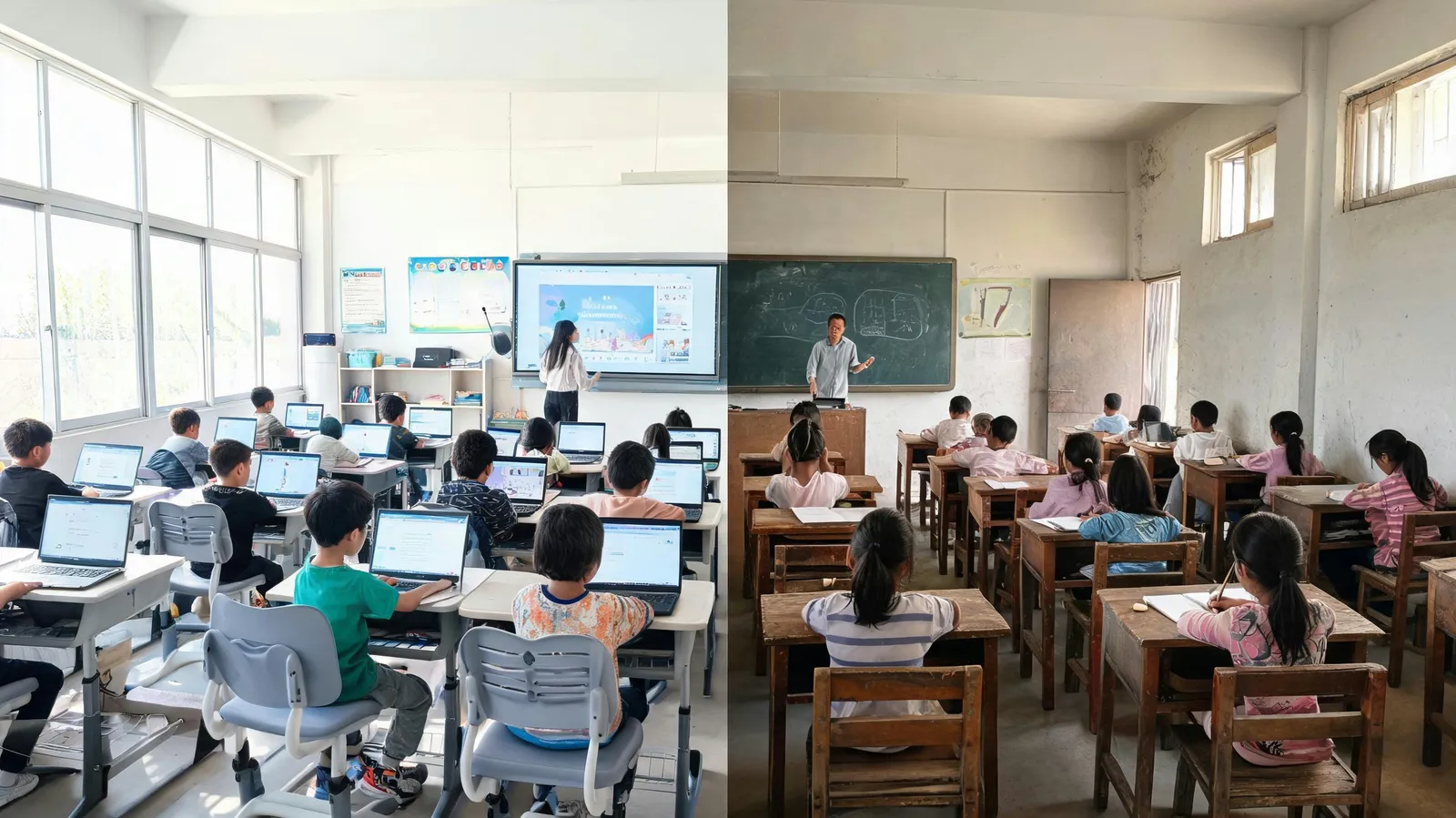
2.1 Power and Connectivity Constraints
Although AI study plans show promise where resources are plentiful, developing countries confront serious barriers. A pilot in rural India aimed at introducing AI-driven personalized learning ran into unreliable electricity and limited internet access. Only 30% of students had regular access to devices. Organizers adapted the program to an offline mode, with periodic synchronization whenever connectivity was available.
2.2 Localizing Content and Teaching Methods
In parts of Africa, AI study plans needed localization to fit local curricula and languages. A project in Kenya translated AI-generated material into Swahili and added local examples. Teacher training proved essential; without it, many educators felt overwhelmed by the technology. Implementations that succeeded included sustained professional development and community involvement.
3. Corporate Learning Powered by AI Study Plans
3.1 Upskilling and Reskilling on an Individual Basis
Companies are increasingly turning to AI study plans to upskill their workforces. A major tech company introduced an AI-driven training platform that built personalized learning paths for each employee according to role, skills gaps, and career goals. Training time dropped by 40%, and the company reported a 25% rise in internal mobility. The return on training investments improved substantially.
3.2 Compliance Training and Onboarding
Multinationals are also applying AI to compliance training and onboarding. A global bank deployed an AI study plan system that tailored compliance modules to individual roles and risk profiles. Employee satisfaction with onboarding rose by 30%, and retention rates improved. The system made sure employees received required training without burying them in irrelevant material.
Conclusion
These examples show that AI study plans can produce meaningful results—higher math scores in K-12, fewer course withdrawals at universities, and more efficient corporate training. Difficulties persist, however, particularly in developing countries where infrastructure and cultural adaptation are decisive. The path forward for AI study plans depends on context-aware implementation, equity, and integration with emerging technologies. As AI evolves, so will its capacity to support more adaptive, inclusive, and effective learning experiences.