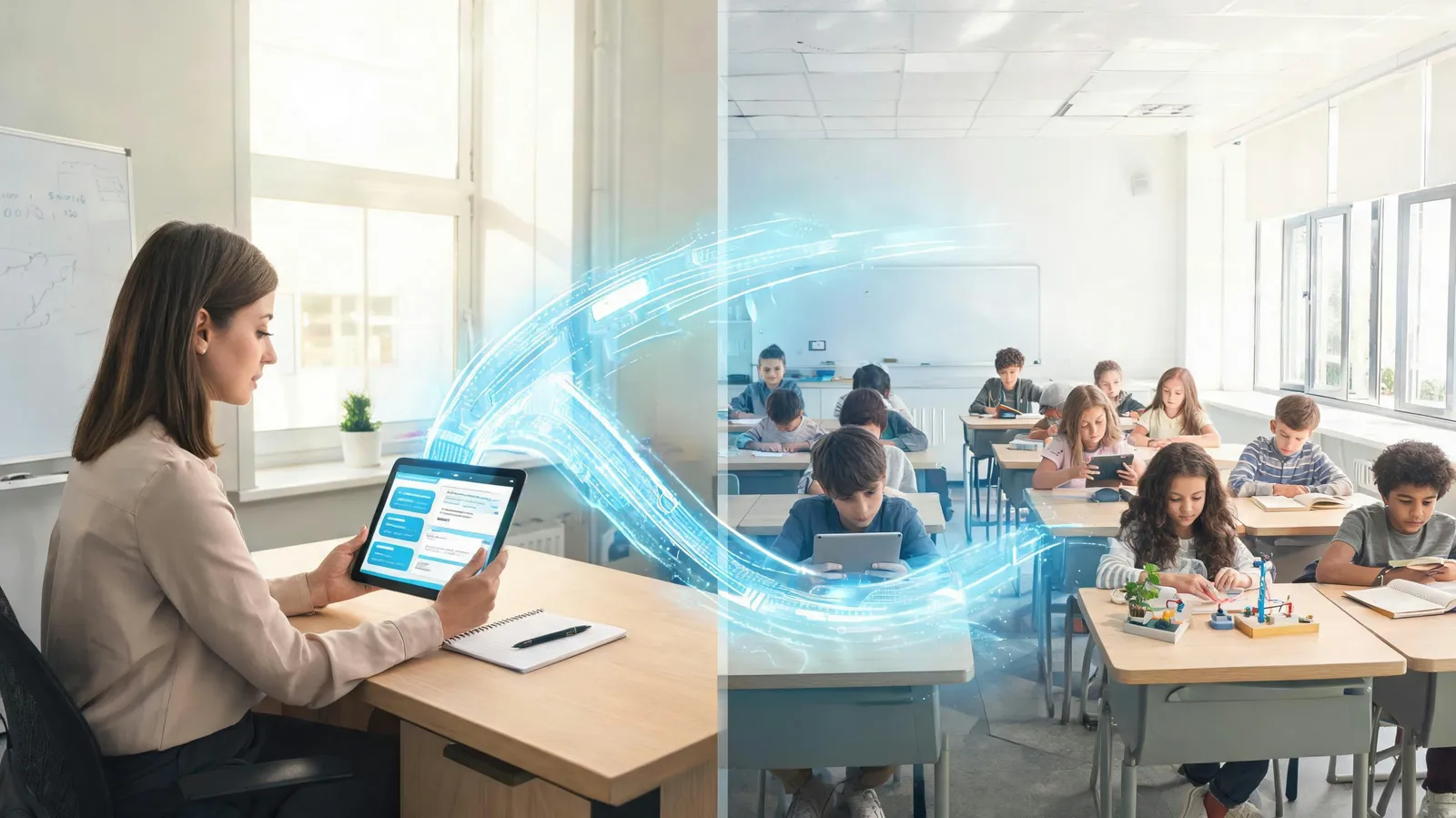
AI Copilots: Lesson Planning and Differentiated Instruction
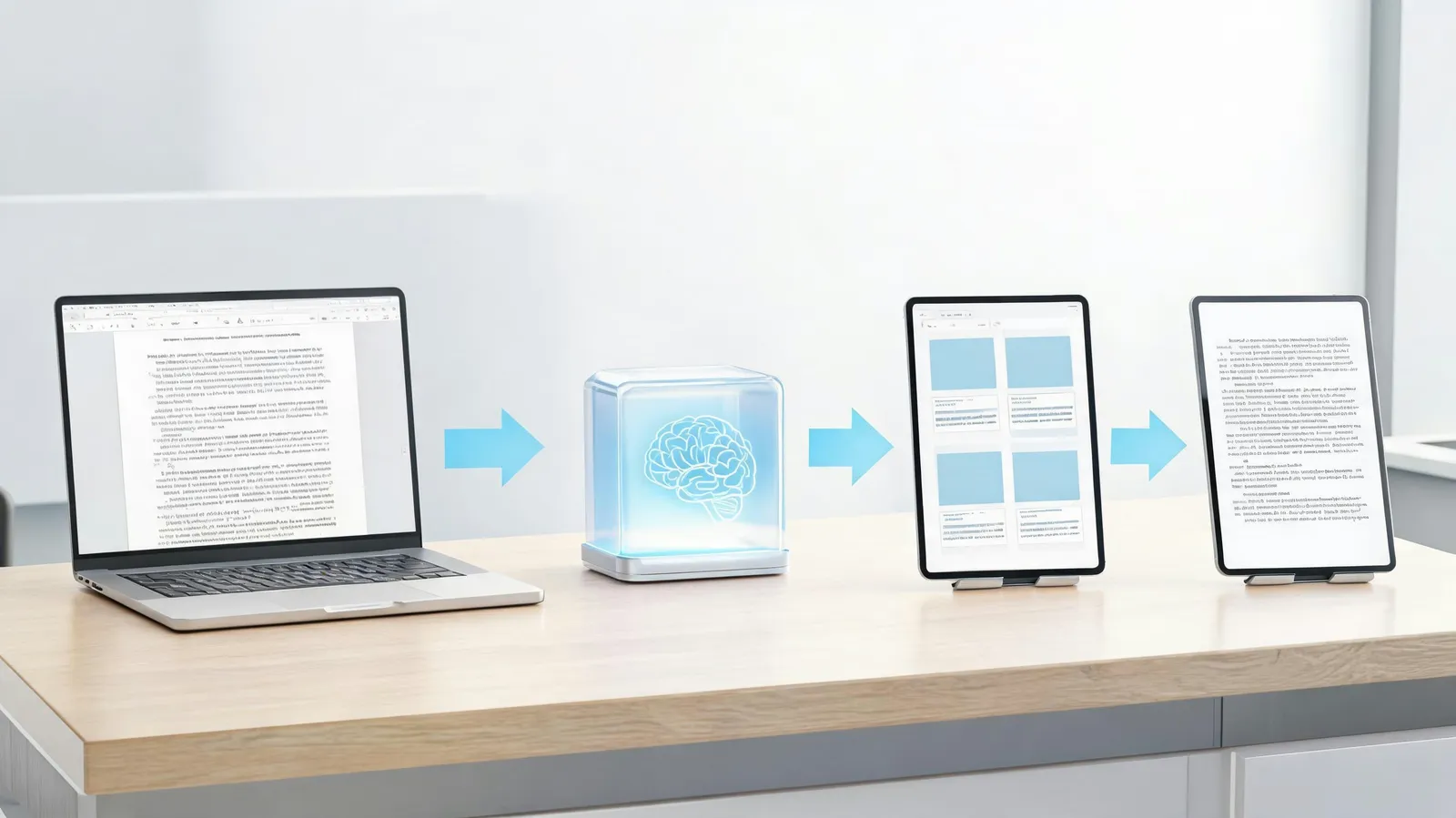
AI copilots are transforming how teachers plan lessons by producing draft plans and proposing differentiated activities that match individual student needs. These tools examine student data—including assessment results, learning preferences, and progress—to recommend scaffolds, enrichment tasks, and alternative explanations. For instance, a case study from a suburban California school district found a 30% decrease in planning time for teachers using an AI copilot, freeing up hours for direct student support. Another example involves an AI copilot that automatically creates leveled reading passages and comprehension questions based on each student's reading level, allowing teachers to deliver differentiated instruction without extensive manual preparation.
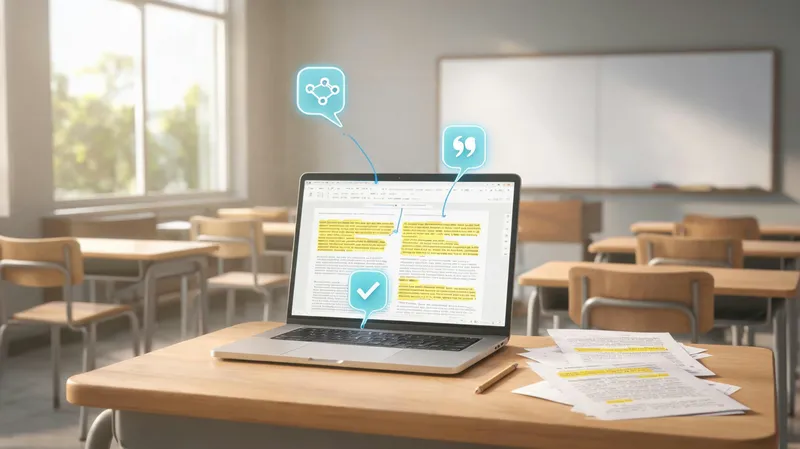
Yet the teacher's role evolves from content creator to curator and learning architect. Educators must critically assess AI-generated materials, ensuring they align with curriculum standards and pedagogical objectives. Research on teacher judgment in evaluating AI-generated materials underscores the need for human oversight to maintain quality and relevance. A framework for human-in-the-loop lesson design recommends that teachers review, refine, and contextualize AI outputs, contributing their expertise to address nuances like cultural relevance and social-emotional learning. This collaboration harnesses AI's efficiency while preserving the teacher's professional judgment, ultimately improving differentiated instruction and student engagement.
Dashboards for Monitoring AI-Generated Study Plans

Teacher dashboards consolidate student progress, engagement metrics, and AI recommendations into a single, actionable view. They flag students who may need intervention, reveal patterns in learning gaps, and suggest personalized study plans generated by AI. For example, a dashboard might alert a teacher when a student's engagement falls below a threshold or when the student consistently struggles with a particular skill, enabling timely support. Data from early adopters indicate improved teacher responsiveness—teachers using dashboards reported quicker identification of struggling students and more targeted interventions.
Beyond efficiency, dashboards help teachers promote equity and personalize support, countering potential AI bias. A case study from a diverse urban school district showed how dashboards assisted teachers in identifying the needs of underrepresented students, such as English language learners who required additional scaffolding. Best practices for interpreting dashboard analytics include triangulating data with observational notes and student conferences to avoid over-reliance on algorithms. Teachers treat dashboards not as definitive answers but as starting points for inquiry, ensuring that human judgment guides instructional decisions and that all students receive equitable support.
Professional Development for AI-Augmented Classrooms
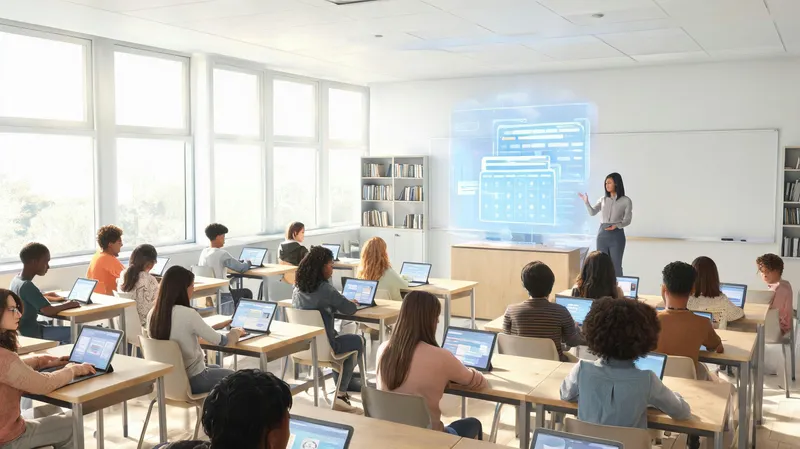
Effective professional development (PD) for AI-augmented classrooms centers on AI literacy, ethical considerations, and pedagogical integration. Teachers need to grasp how AI tools operate, their limitations, and the ethical implications concerning data privacy and bias. A survey of teachers' AI confidence before and after PD revealed significant gains in comfort and competence when PD incorporated hands-on practice and real-world scenarios. Successful PD models include workshops that simulate AI-integrated lessons, coaching cycles in which instructional coaches support teachers in using AI tools, and online modules that enable self-paced learning.
Continuous, job-embedded PD cultivates a culture of experimentation and collaboration. A case study of a school district's AI PD initiative found that ongoing support—such as monthly professional learning communities—was essential for sustained implementation. Research on communities of practice for AI in education highlights the value of peer collaboration, where teachers exchange successes, challenges, and strategies for integrating AI. By embedding PD in daily work and encouraging collaborative inquiry, schools can build teacher capacity and confidence, ensuring that human-AI collaboration enhances rather than overwhelms teaching practice.
Conclusion
Human-AI collaboration redefines teacher roles, enabling educators to concentrate on higher-order tasks and personalized instruction. AI copilots streamline lesson planning and support differentiated instruction, while dashboards offer actionable insights for monitoring student progress and ensuring equity. Professional development is critical to prepare teachers for these new roles, fostering AI literacy and ethical decision-making. Looking ahead, AI holds the potential to enable adaptive, responsive teaching at scale, but teachers remain at the helm—as ethical decision-makers and learning architects—guiding the human-AI partnership to benefit all students.