Generative AI: Tailoring Study Materials to Individual Learners
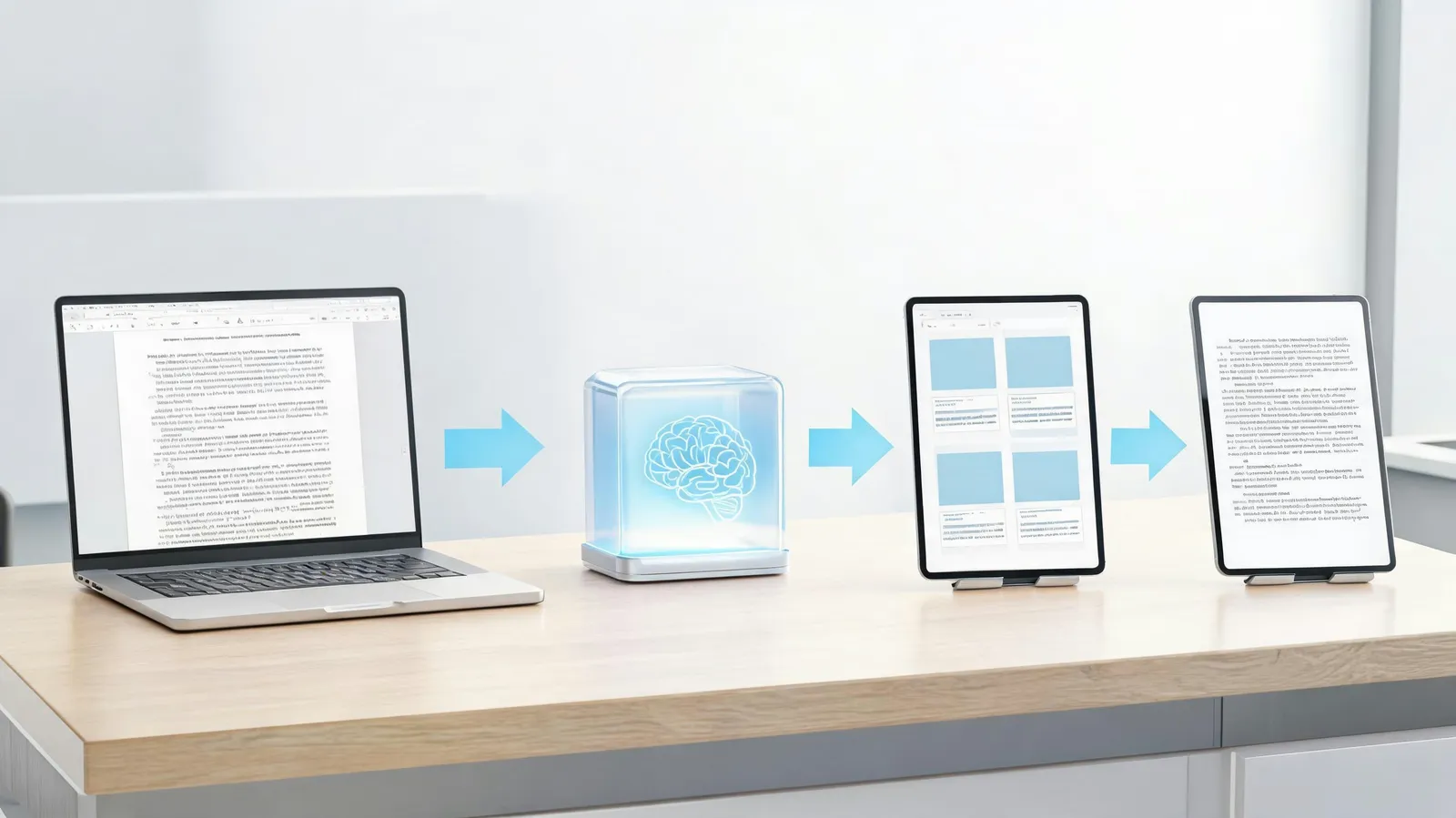
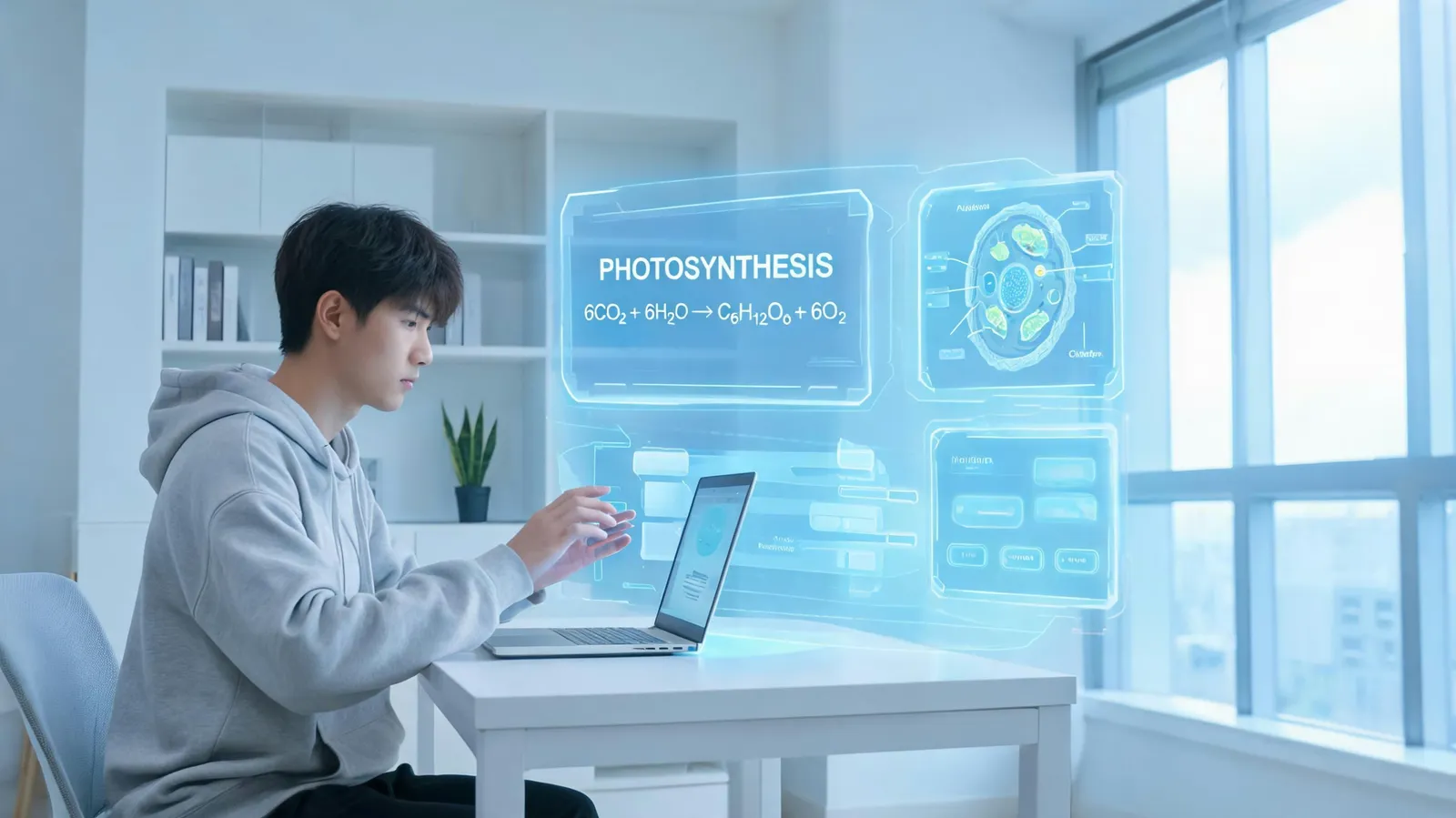
Generative AI is changing education by automating the production of customized study resources. It can create summaries, quizzes, and explanations that match a student's learning preferences. For example, AI tutors can track a learner's progress and produce practice problems on the spot, which can boost engagement and retention. A 2024 study from the Stanford Digital Education Lab found that students using AI-generated study content had a 32% higher retention rate than those using traditional methods. Teachers also gain: they save an average of 6 hours per week on preparing content, freeing time for direct interaction with students.
Adaptive learning pathways are another advance. AI-powered platforms evaluate each learner's progress and style, then adjust the curriculum accordingly. Research from the University of California, Irvine, suggests that adaptive learning can raise completion rates in online courses by up to 40%. Language apps such as Duolingo and Babbel already use generative AI to build personalized lessons, showing how this trend is being applied in practice.
Emotion AI: Detecting Stress to Enable Proactive Mental Health Support
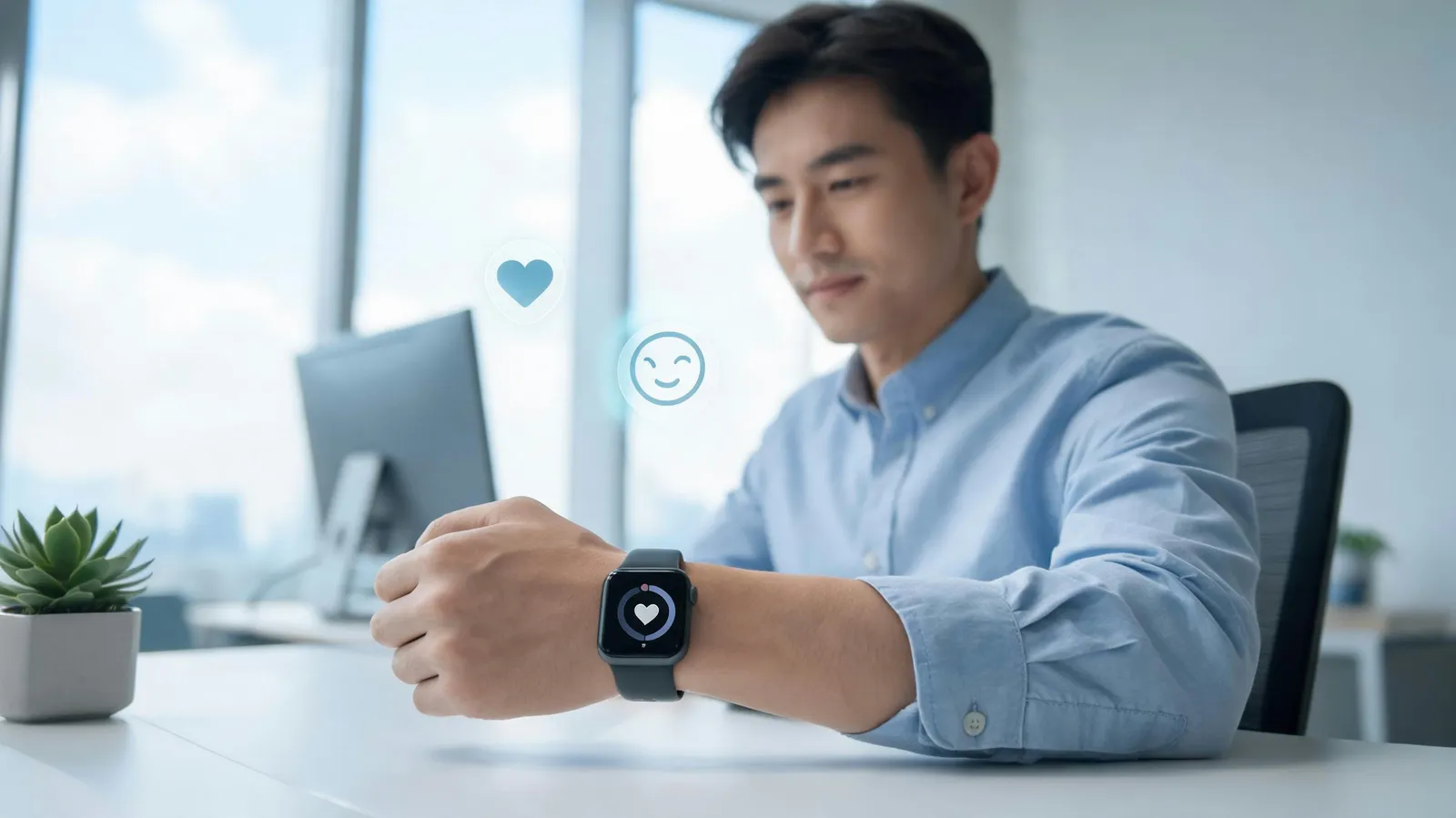
Emotion AI is reshaping mental health care by identifying stress in real time using facial expressions, voice, and physiological signals. Clinical studies report accuracy rates above 85% in recognizing stress markers. Wearable devices, including smartwatches from Apple and Fitbit, now offer stress alerts that let users act early. In the workplace, emotion AI has helped reduce burnout; a 2023 pilot at a Fortune 500 company recorded a 25% drop in reported stress levels after AI-driven wellness tools were introduced.
Uses also reach schools and telehealth. In education, emotion AI can track student engagement and flag those who may need help. Telehealth platforms use it to deliver early interventions, linking patients with mental health professionals before a crisis develops. This trend prioritizes prevention over reaction, consistent with the wider move toward personalized, data-informed healthcare.
Blockchain: Securing Credentials and Building Trust in Education
Blockchain technology protects the authenticity and security of academic and professional credentials through records that cannot be altered or tampered with. Universities such as MIT and the University of Melbourne have issued blockchain-based diplomas, sharply reducing credential fraud. The National Student Clearinghouse reports that blockchain verification can shorten background check times from weeks to minutes, saving employers considerable costs.
Compatibility with digital wallets supports lifelong learning by letting individuals securely store and share certificates, badges, and degrees. This trend not only simplifies verification but also gives learners ownership of their credentials, helping create a more transparent and trustworthy education ecosystem.
Conclusion: Where These Innovations Converge
Generative AI makes learning more personal, emotion AI supports well-being, and blockchain establishes trust. Together, these innovations are contributing to a smarter, healthier, and more trustworthy society. The possibilities for convergence are substantial: AI-generated content verified on blockchain, or emotion AI integrated into adaptive learning platforms. As these technologies mature, they will keep redefining how we learn, manage stress, and demonstrate our achievements. Staying informed about these emerging technologies is important for anyone who wants to thrive in the coming decade.