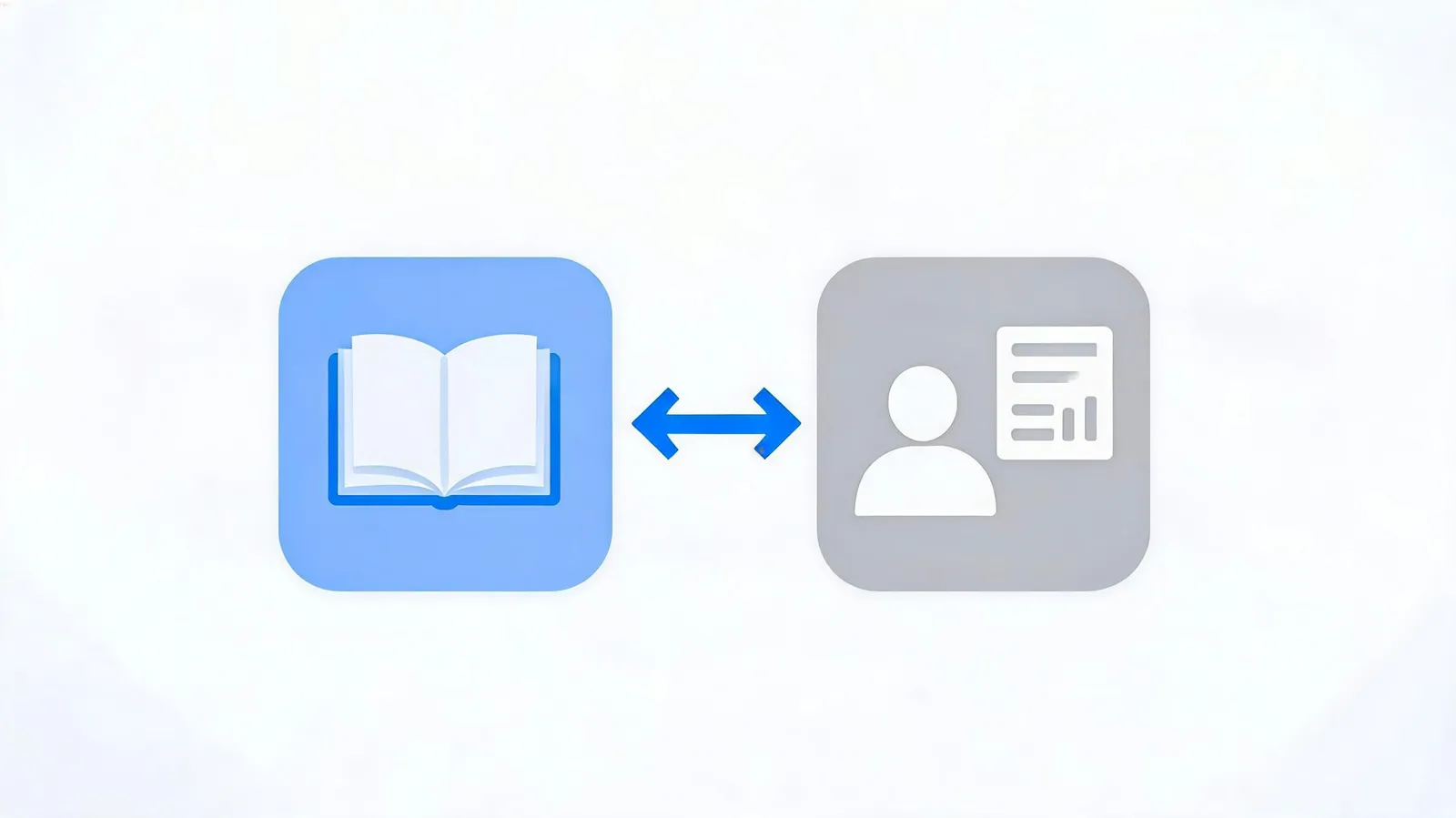
Integration That Works: Linking LMS and SIS
For educational technology to be adopted across an institution, the learning management system (LMS) and student information system (SIS) must connect smoothly. When they don’t, data gets trapped in separate silos, administrative work piles up, and users face a disjointed experience—all of which can derail adoption.
Automatic data exchange and single sign-on (SSO) are the building blocks for a streamlined user experience. If student records, course registrations, and grades move between systems without manual effort, staff workload falls and data accuracy rises. Real-time reporting also becomes feasible, supporting prompt interventions and better decisions. One large university, for instance, cut manual data entry by 40% and lifted course completion rates by 15% after introducing SSO and automated data synchronization.
An API-first design and compliance with interoperability standards like LTI (Learning Tools Interoperability) and OneRoster matter greatly. These standards let different edtech tools communicate, which helps future-proof the institution’s technology stack. A case study at a large public university found that embracing LTI and OneRoster reduced integration costs by 30% and sped up new tool deployment by 50%.
When weighing integration choices, ask: Does the vendor back industry standards? How are data sync and error handling managed? What strain will integration put on IT resources? Getting clear answers early avoids expensive surprises later.
Procurement with a Long View: Cost, Vendor Review, and Enduring Value
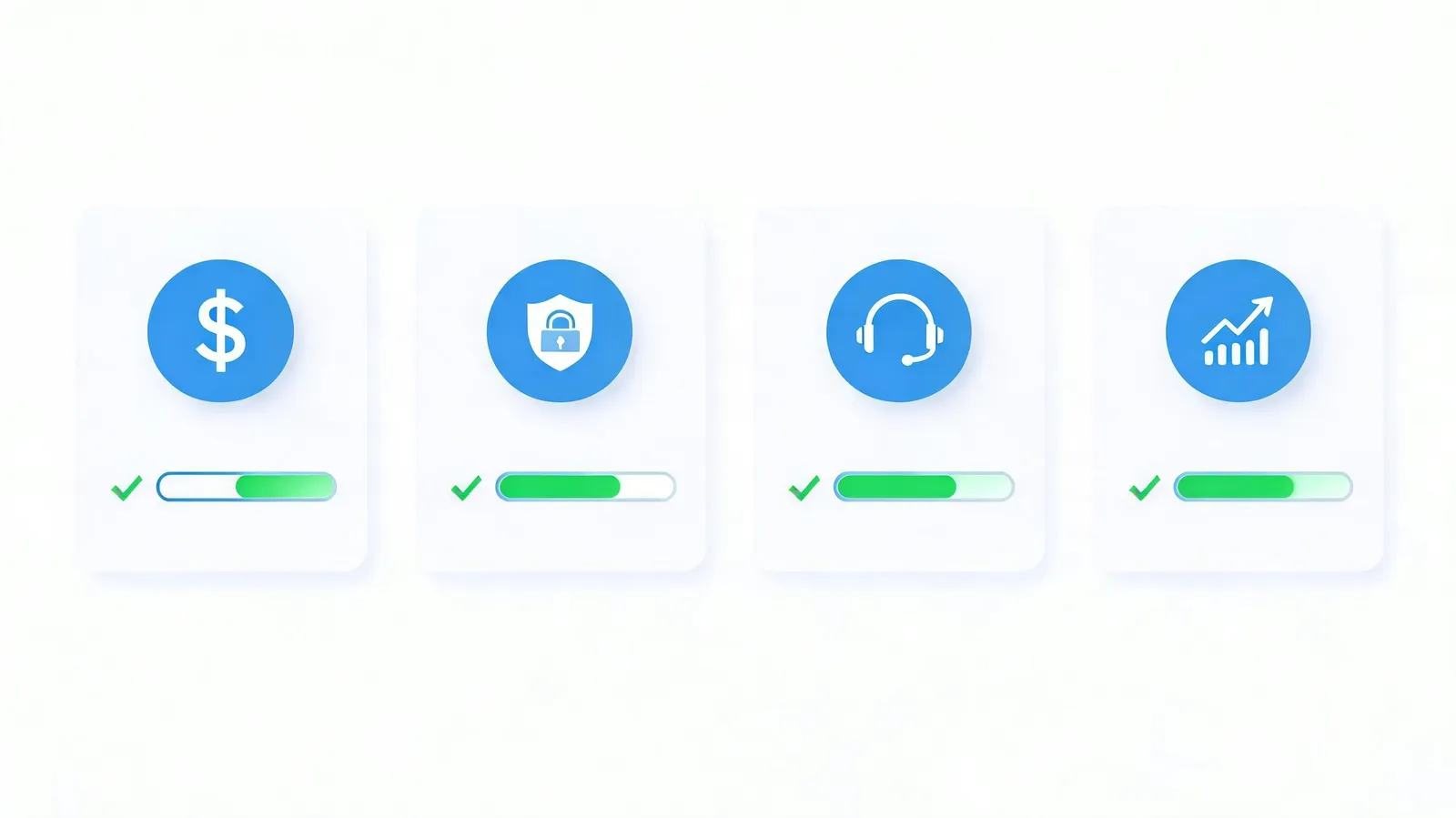
Smart procurement goes beyond haggling for the lowest price—it’s about getting the most value over time. A total cost of ownership (TCO) analysis should look past initial licensing fees to include integration, training, maintenance, and possible hidden expenses. A cost-benefit matrix, for example, might show that a cheaper-looking option ends up costing more over five years because of weak integration or heavy training demands.
Vendor evaluation should cover scalability, security, support, and how well the vendor’s roadmap matches institutional goals. A weighted scorecard helps make decisions more objective. Questions to pose to vendors include: How does the solution handle growth to 10,000+ users? Which security certifications do you have? What’s your typical response time for support tickets? How frequently are updates released, and do they align with our strategic direction? Research shows that 30% of edtech implementations fail because of poor fit, often when institutions skip a rigorous evaluation.
Adoption and implementation across an institution call for a procurement process that brings all stakeholders in early. IT, faculty, and administration should jointly define requirements and assess vendors. This builds buy-in and also uncovers integration or usability problems before the contract is signed.
People and Process: Managing Change and Winning Buy-In
Technology on its own doesn’t create adoption—people do. Change management is the third pillar of successful institutional adoption and implementation. Finding and involving key stakeholders from the start is essential. Faculty, staff, students, and IT need to be part of the effort from day one. Ways to build a support coalition include setting up an advisory committee, mapping stakeholders to understand their influence and interest, and communicating the vision consistently.
Clear communication, training, and ongoing support are what actually drive adoption. Data show a strong link between adoption rates and training intensity: institutions with comprehensive training see adoption rates 50% higher than those with minimal training. A faculty champions program—where early adopters mentor colleagues—has worked well in many places. One community college, for example, saw LMS adoption climb from 40% to 85% in a year after starting a faculty champions program.
Institutional adoption and implementation also depend on a clear communication plan that spells out “what’s in it for me” for each stakeholder group. Regular updates, feedback loops, and recognition of early adopters keep momentum going. Ongoing support, such as help desks and online resources, helps users feel backed throughout the transition.
Conclusion: Bringing the Three Pillars Together for Holistic Adoption
Successful institutional adoption and implementation of educational technology is not a straight-line process but a holistic strategy that ties together seamless integration, strategic procurement, and effective change management. Integration makes systems work together efficiently; procurement secures the right solution at the right cost; change management helps people embrace the shift. Technology alone is not enough—strategic implementation is the key to realizing ROI.
Looking ahead, data analytics and AI will play growing roles in optimizing adoption and personalizing learning. Institutions that build a strong adoption framework now will be better placed to take advantage of these emerging technologies later. By concentrating on these three pillars, education leaders can move past the pilot stage and achieve institution-wide adoption that genuinely transforms teaching and learning.