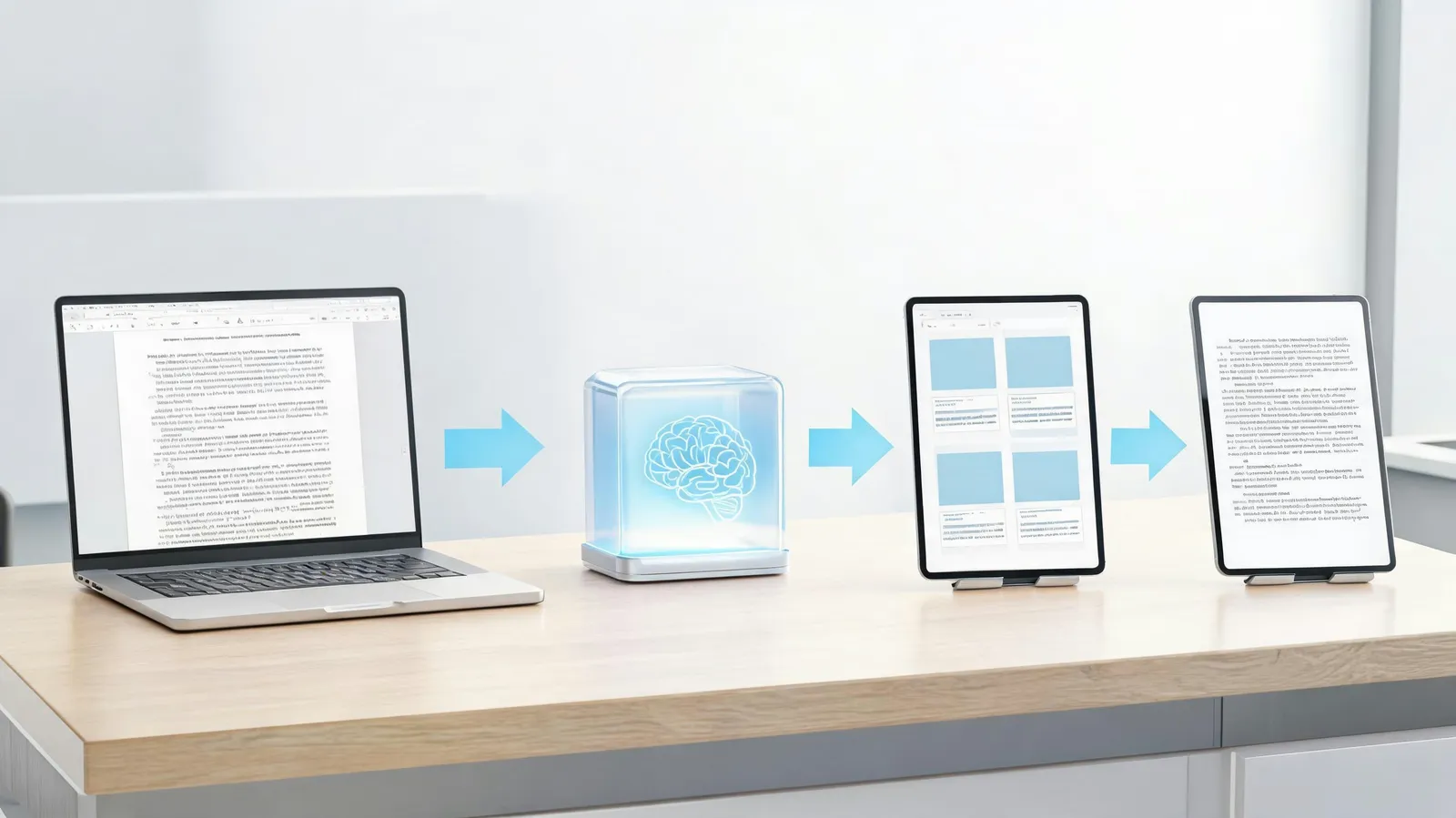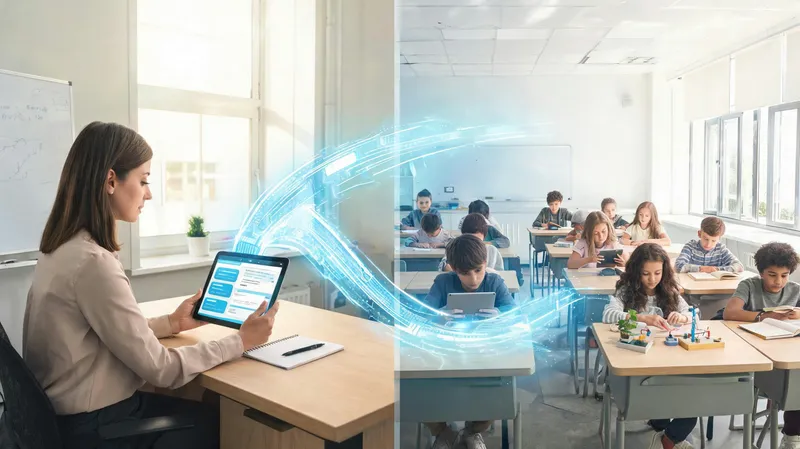
Personalized, scalable learning content is in greater demand than ever, yet building curricula the traditional way still consumes considerable time and frequently falls short on personalization. Generative AI—spanning large language models (LLMs), retrieval-augmented generation (RAG), and multimodal tools—is changing how curricula and study materials are produced, making generation faster, more accurate, and more engaging. This article looks at how these technologies are reshaping education and what that means for teachers and learners.
1. Lesson Plans and Practice Questions Produced by LLMs
Large language models such as ChatGPT are altering how educators handle lesson planning and assessment design. By automating the production of lesson plans and practice questions, LLMs free up educators' time and allow materials to be tailored to varied learning needs.
1.1 Using LLMs to Automate Lesson Planning
In the past, teachers have devoted hours to drafting lesson plans, often beginning from nothing or reworking existing templates. With LLMs, a teacher can produce a full week of lesson plans within minutes. A high school biology instructor, for instance, can enter a topic such as "photosynthesis" and receive a detailed plan containing objectives, activities, and discussion questions. Planning time shrinks, and the suggestions can also spark new ideas and approaches.
According to statistics, teachers who use AI for lesson planning report saving as much as 5 hours each week—time that can go toward student interaction and individualized instruction. LLMs can also match lesson plans to particular standards, including the Common Core State Standards, which helps ensure both compliance and quality.
1.2 Producing Practice Questions and Assessments
Another strength of LLMs is creating practice questions and assessments that line up with learning objectives. Once a set of objectives is entered, educators can generate a question bank spanning different difficulty levels and formats, from multiple-choice items to open-ended prompts. At a middle school in California, a case study found that AI-generated question banks raised student engagement by 20% and improved test scores by 15%, because the questions were better matched to individual student needs.
LLMs can additionally craft questions that cultivate critical thinking and problem-solving rather than relying on rote memorization. This encourages deeper learning and helps prepare students for real-world challenges.
2. Retrieval-Augmented Generation for Reliable Subject Content
LLMs are capable, but they can at times generate information that is inaccurate or out of date. Retrieval-augmented generation (RAG) tackles this problem by anchoring AI-generated content in verified sources, which supports accuracy and alignment with curriculum standards.
2.1 The Mechanics of RAG: Retrieval Plus Generation
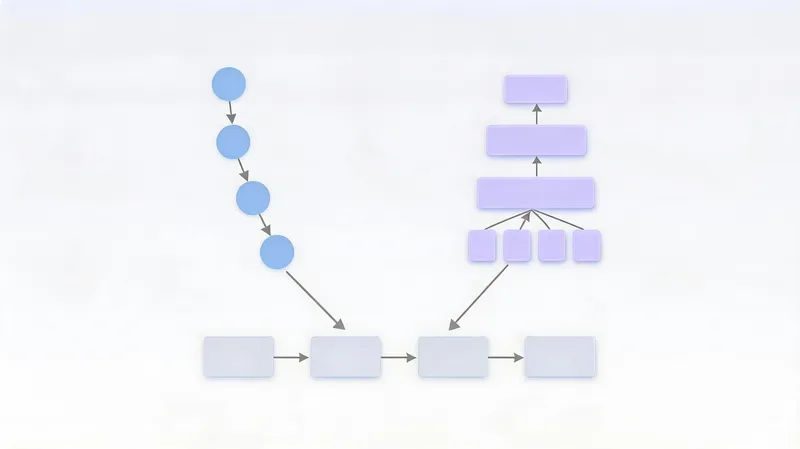
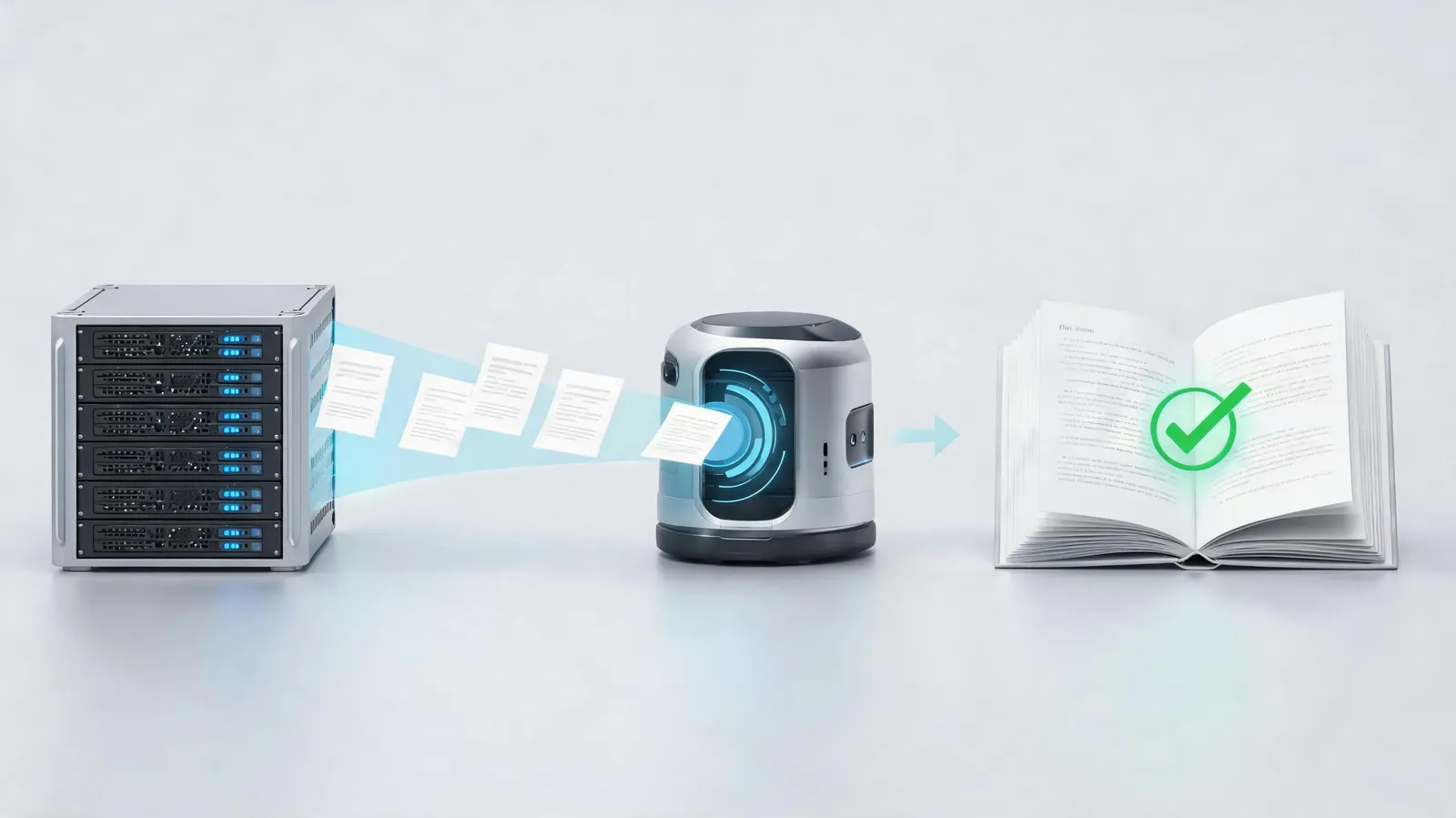
RAG pairs the generative capacity of LLMs with a retrieval system that draws relevant documents from a database. When a user poses a question or asks for content, the system first retrieves pertinent information from a trusted knowledge base and then has an LLM build a response on that basis. This two-step approach cuts down on hallucinations and helps keep the content factually correct.
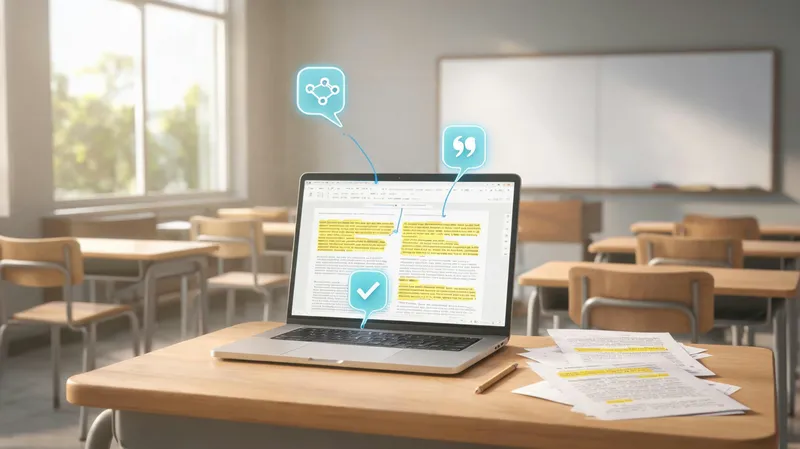
In history education, for example, RAG can draw on primary sources and scholarly articles to produce accurate accounts of historical events. A diagram of the RAG architecture shows how documents are retrieved and fed into the language model, which then outputs a textbook page marked with a check for accuracy.
2.2 Keeping Content Accurate and Aligned with Curriculum Standards
School districts are increasingly turning to RAG to produce science materials aligned with the Next Generation Science Standards (NGSS). A case study from an Illinois district found that teachers using RAG-generated materials reported higher satisfaction and saw better student outcomes, since the content was both accurate and pedagogically sound. By grounding generation in verified sources, RAG helps ensure that educational materials satisfy rigorous standards and are free from errors.
3. Multimodal Study Aids: Diagrams, Flashcards, and Audio Summaries
Generative AI can also produce multimodal study materials that serve different learning styles and strengthen retention. AI-generated aids—diagrams, flashcards, audio summaries, and more—make studying more engaging and effective.
3.1 Turning Text into Diagrams and Visual Aids
Visual learning is highly effective, and AI can automatically generate diagrams from text descriptions. A passage about the water cycle, for instance, can be turned into a labeled diagram showing evaporation, condensation, and precipitation. Research indicates that visual aids improve retention by up to 65%. AI tools can also produce infographics and charts, which make complex concepts easier to grasp.
3.2 Building Flashcards and Audio Summaries for Personalized Study
Flashcards are a staple of studying, and AI can generate them from lecture notes or textbooks. An app like Quizlet already uses AI to create flashcards from user input, and similar tools are being developed for educators. In a case study of a university biology course, students who used AI-generated flashcards improved their study efficiency by 30% and scored 10% higher on exams.
Audio summaries are another innovation. AI can turn text into spoken summaries, letting students review material on the go. This is particularly beneficial for auditory learners and those with reading difficulties. A collage of study materials—a diagram, flashcards, and headphones—illustrates the variety of multimodal aids available.
Conclusion
Generative AI is reshaping how curricula and study materials are created, making the process more efficient, accurate, and engaging. LLMs automate lesson planning and question generation, RAG supports content accuracy, and multimodal aids serve diverse learning styles. These technologies have the potential to democratize access to high-quality educational resources and support personalized learning at scale. As AI continues to integrate with learning management systems, adaptive learning experiences that further transform education can be expected.