How Performance Analytics Drives AI Training
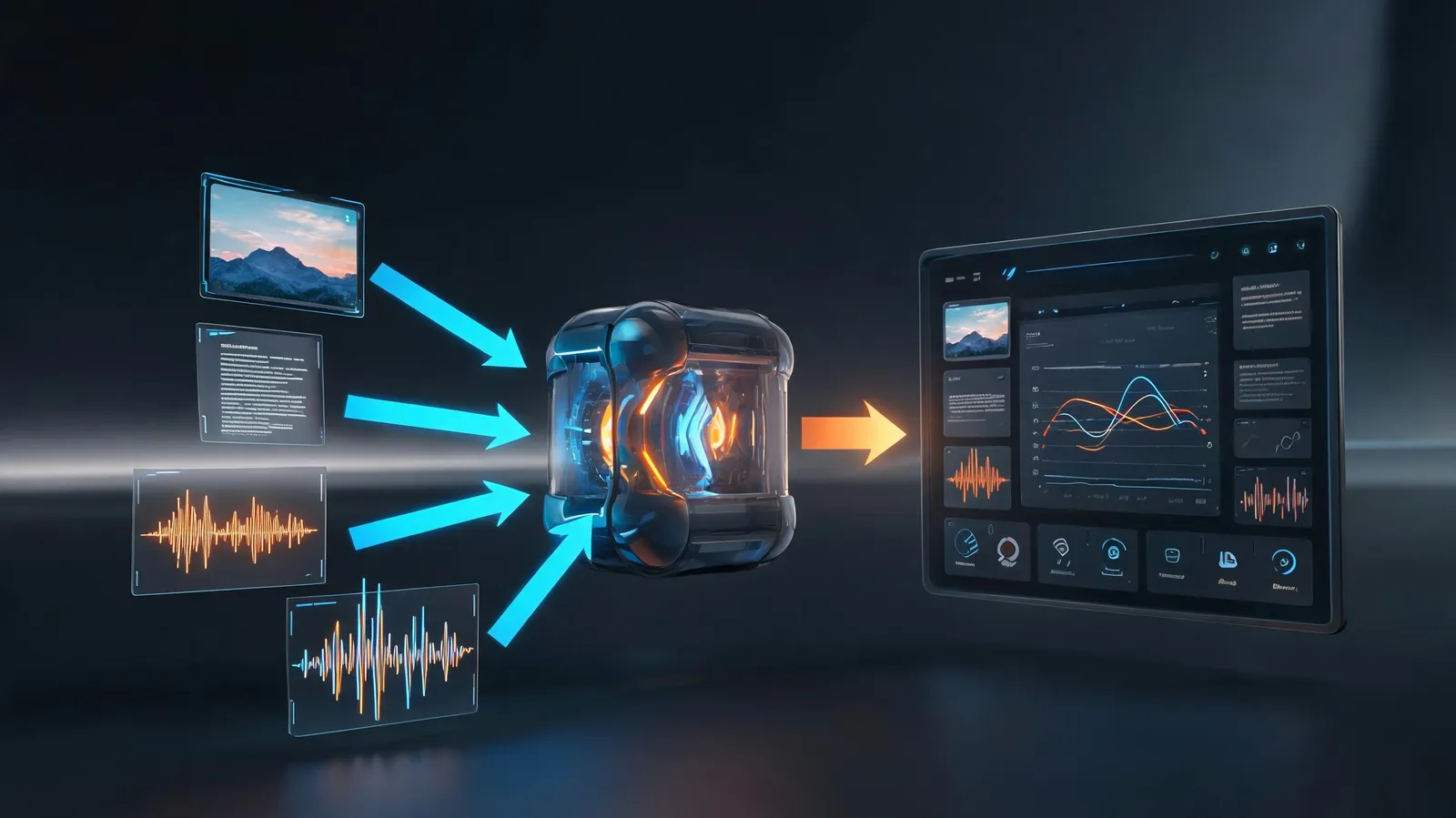
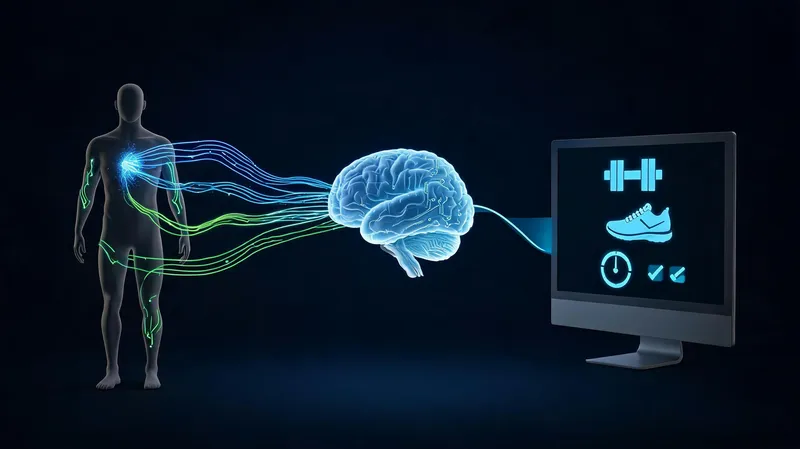
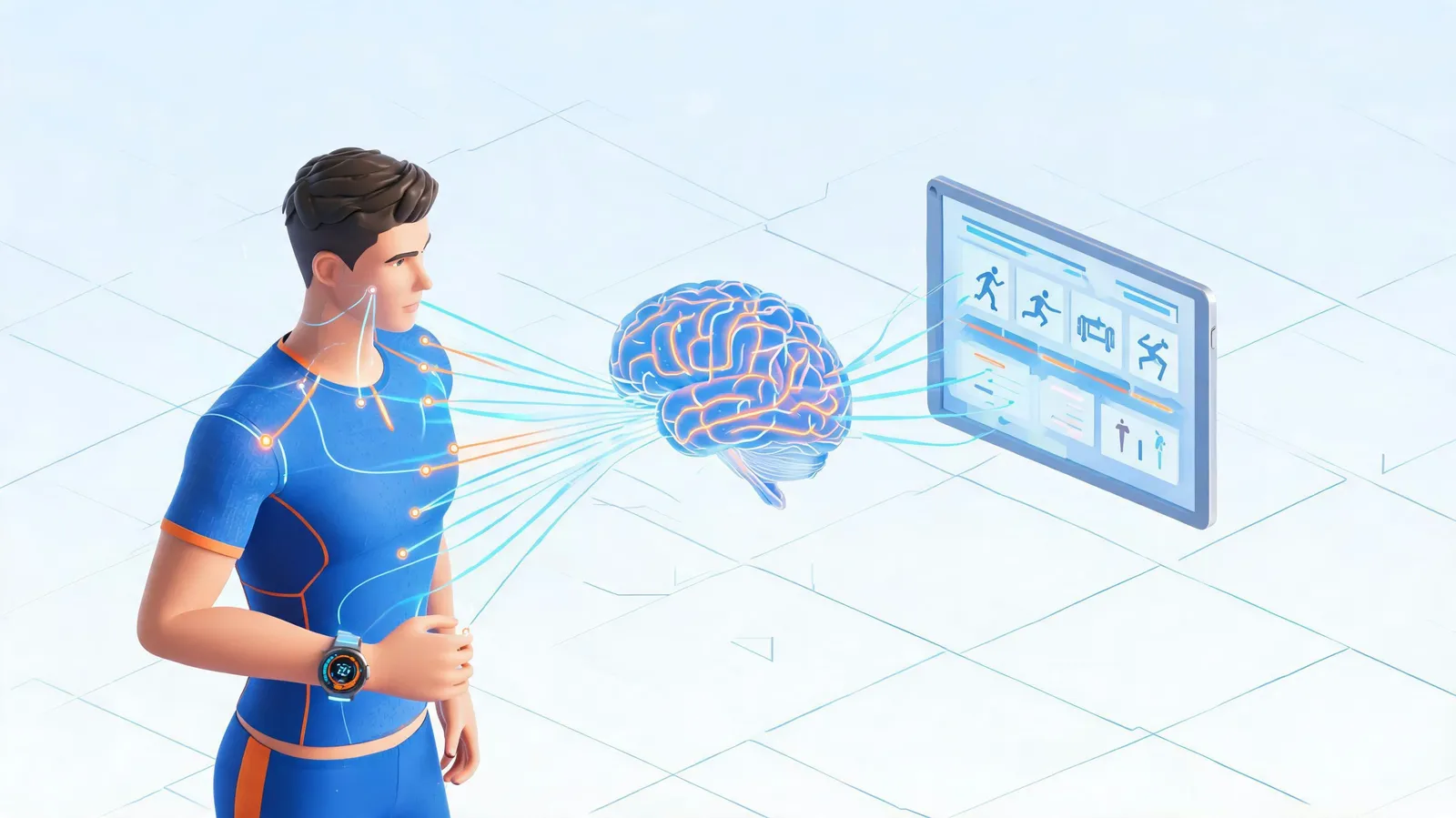
Data is the starting point for any AI workout plan. Wearables and sensors gather continuous, real-time measurements such as heart rate variability (HRV), GPS signals, and accelerometer readings. Machine learning algorithms then turn these raw figures into insights an athlete can act on. For instance, by tracking subtle shifts in HRV and sleep patterns, an AI system may spot a risk of overtraining before physical symptoms show up. That predictive ability lets athletes adjust their training loads early, which can lower the chance of burnout or injury.
Predictive modeling extends this further. When workload is compared against injury likelihood, AI can identify risky patterns. A case study of a professional soccer team found that adding AI-driven workload monitoring cut injury rates by 30% across a season. The AI did more than react to the data—it learned from it and kept refining its recommendations to keep players available.
AI and the Optimization of Strength and Conditioning
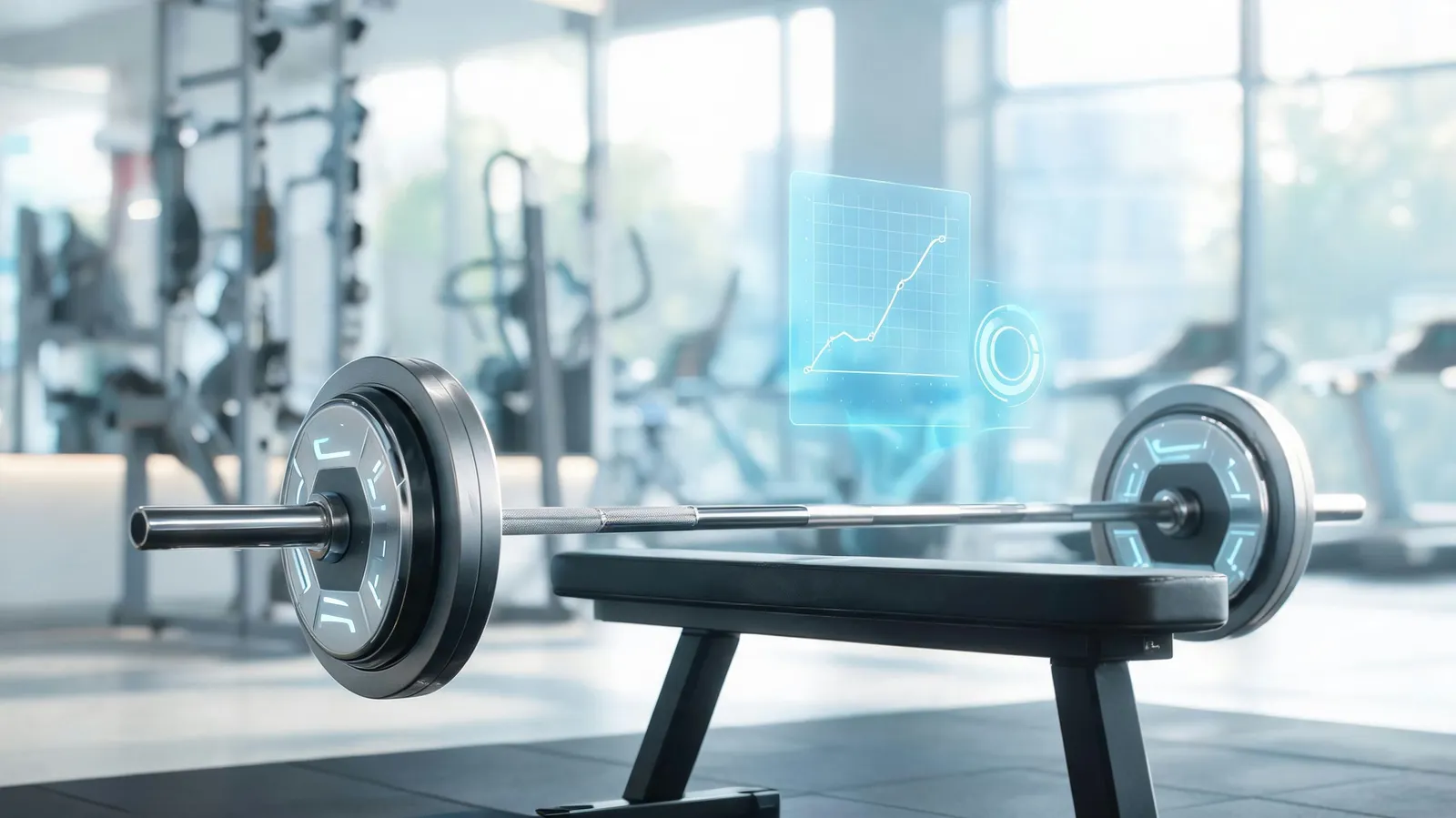
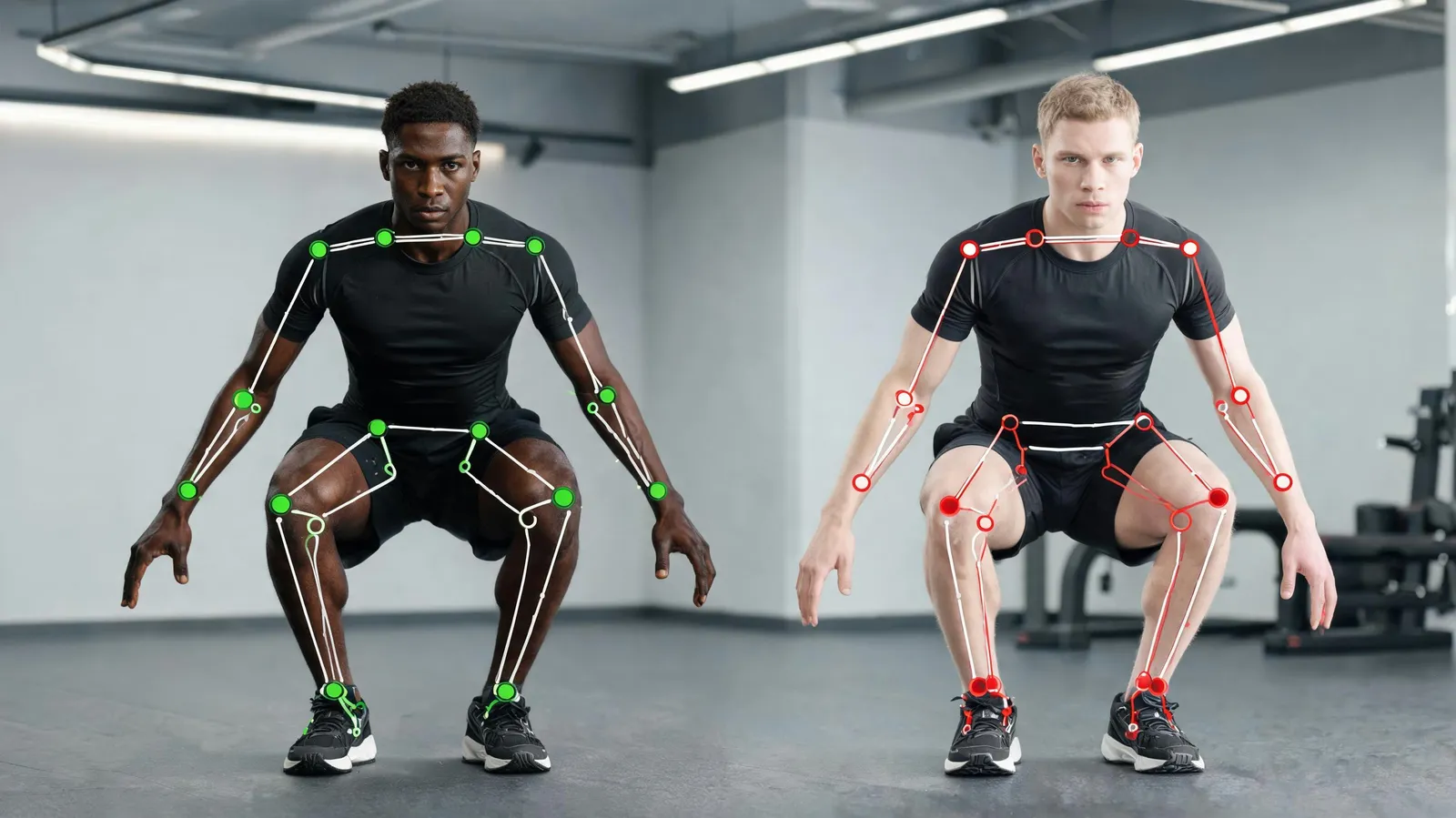
Strength training is deeply personal. AI algorithms adjust load, volume, and rest on a daily basis according to readiness. If an athlete has slept poorly or reports muscle soreness, the AI might lower squat weight by 10% or schedule an extra rest day. In a study comparing AI-adjusted programs with fixed routines, the AI group saw 20% greater strength gains over 12 weeks. The reason is that the AI takes the body's recovery capacity into account and avoids the trap of overreaching.
Another advantage of AI is personalized periodization. It can build mesocycles around competition schedules so that athletes peak at the right moment. One Olympic weightlifter, for example, used an AI plan to taper precisely for a major event and achieved a personal best. The AI factored in travel, sleep, and training history to fine-tune each session.
Endurance Work and Race Preparation With AI
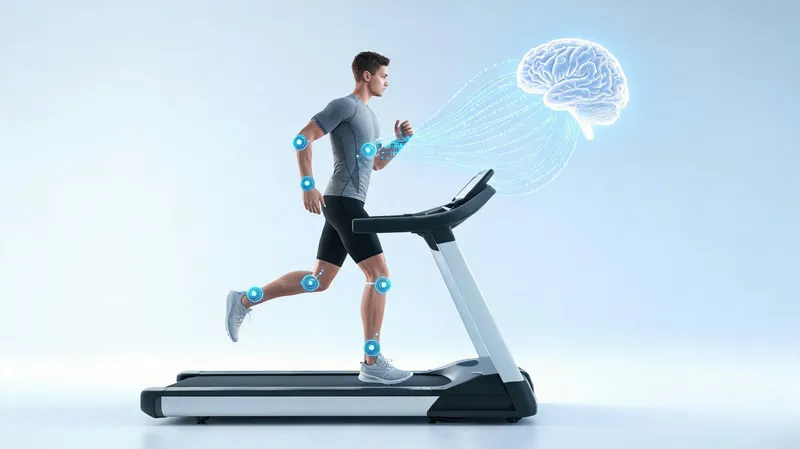
Endurance athletes deal with distinct challenges: pacing, fueling, and managing fatigue over long distances. AI-driven pacing and interval optimization draw on past race data, weather conditions, and current fitness to propose target splits. A marathoner aiming to negative split a race can get real-time adjustments based on heart rate, which helps prevent starting too fast. This kind of dynamic pacing works like having a coach in your ear, recalculating the optimal effort as you go.
Adaptive tapering is another area where AI proves useful in race preparation. By monitoring HRV and sleep, it automatically lowers training volume when signs of fatigue appear. Data from triathletes showed 5% faster race times after AI-guided tapering than with traditional methods. The AI does not simply cut volume—it strategically preserves intensity so the athlete stays sharp while fresh.
Putting AI Workout Plans Into Practice
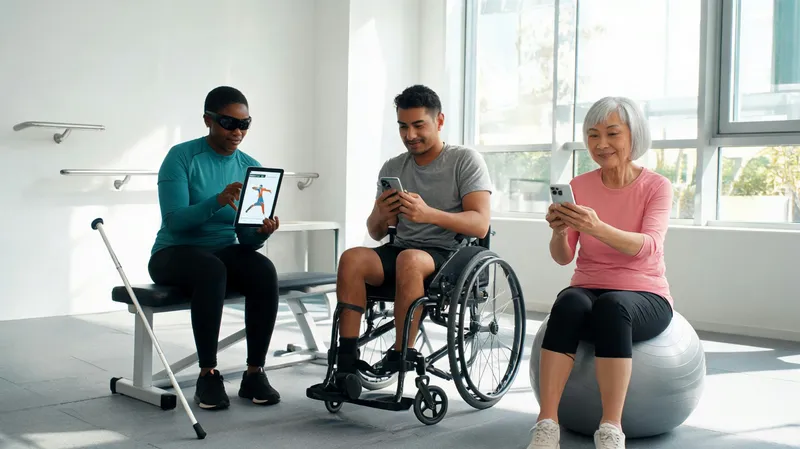
It is now easier than ever to adopt AI workout plans. Well-known platforms, along with AI-based coaching services, offer everything from recovery tracking to fully personalized plans. Some focus on strain and recovery, while others give real-time feedback on muscle oxygen. Users report that these tools are easy to use and produce tangible results, such as better consistency and fewer injuries. When picking a platform, think about your sport, your goals, and how much data you are comfortable sharing.
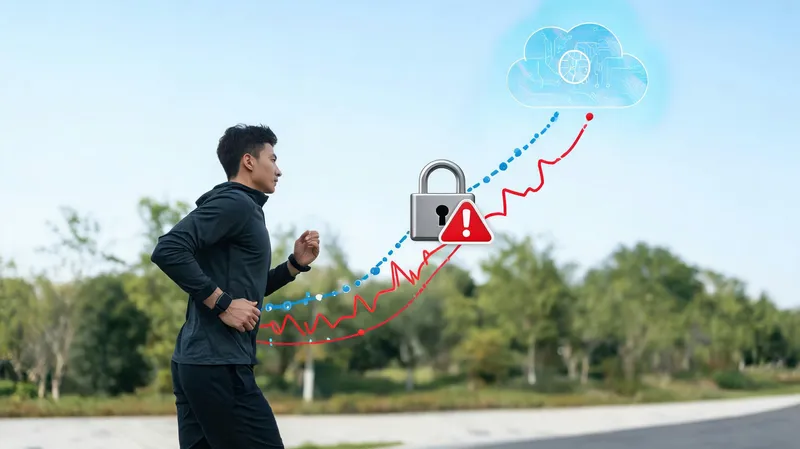
Data privacy, trust, and cost can stand in the way of adoption. Athletes should seek platforms with transparent data policies and encryption. Coaches and teams can run ROI analyses: AI tools require investment, but the potential for fewer injuries and better performance may offset the cost. A reasonable approach is to begin with a single tool, such as a smartwatch with AI insights, and add more as trust builds.
Conclusion
AI workout plans are not a passing trend; they represent a move toward precision training. By drawing on performance analytics, strength and conditioning optimization, and endurance training principles, AI builds adaptive programs that change alongside the athlete. The future holds more: integration with AR/VR for immersive coaching and real-time biometric feedback for highly personalized workouts. As the technology develops, athletes who adopt AI may find themselves on the podium more often—training smarter, not just harder.