How Adaptive Algorithms Drive Personalized Training
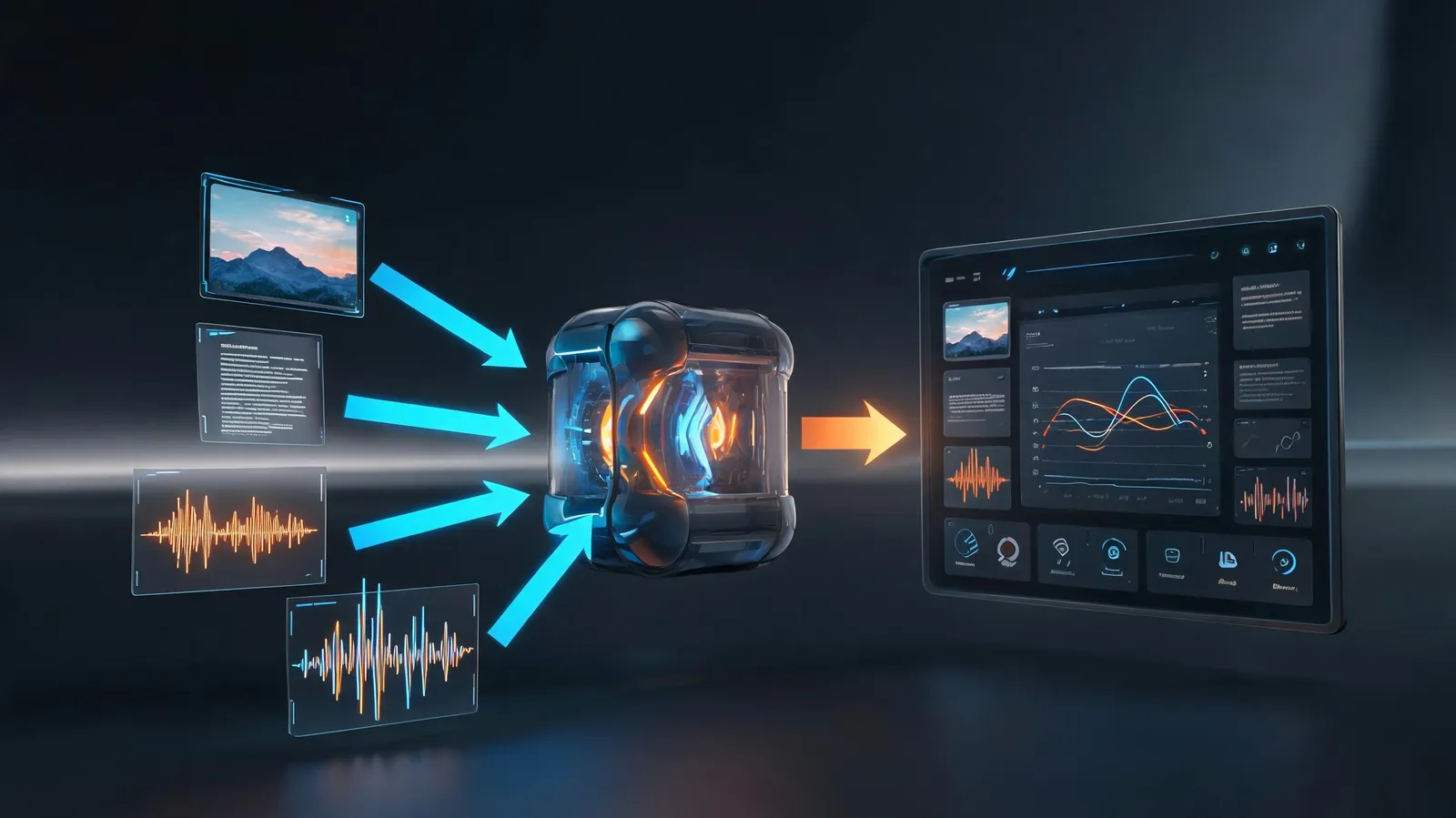
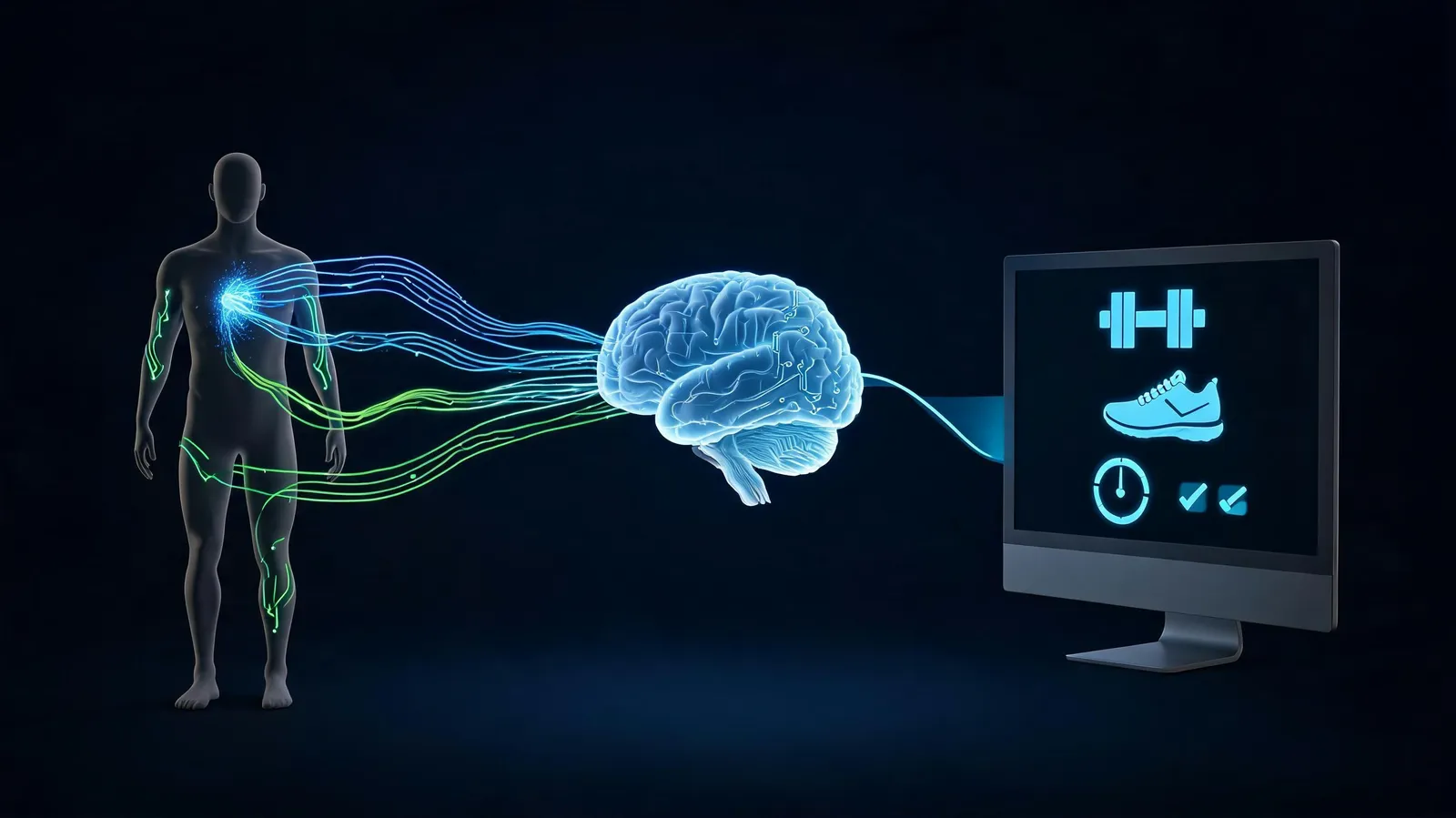
At the heart of AI-generated workout plans are adaptive training algorithms that continuously fine-tune intensity, volume, and exercise choice in response to performance and recovery metrics. If, for instance, a user's heart rate variability signals fatigue, the system may lower the intensity of the upcoming session or recommend active recovery. Research published in the Journal of Medical Internet Research reported that participants following adaptive AI plans progressed 30% faster than those on static plans. Machine learning models can also foresee plateaus and introduce variation before stagnation occurs. In one case study, a user surpassed a strength plateau after the AI incorporated undulating periodization. The data further indicates lower injury rates stemming from improved load management.

Real-Time Form Feedback Through Computer Vision
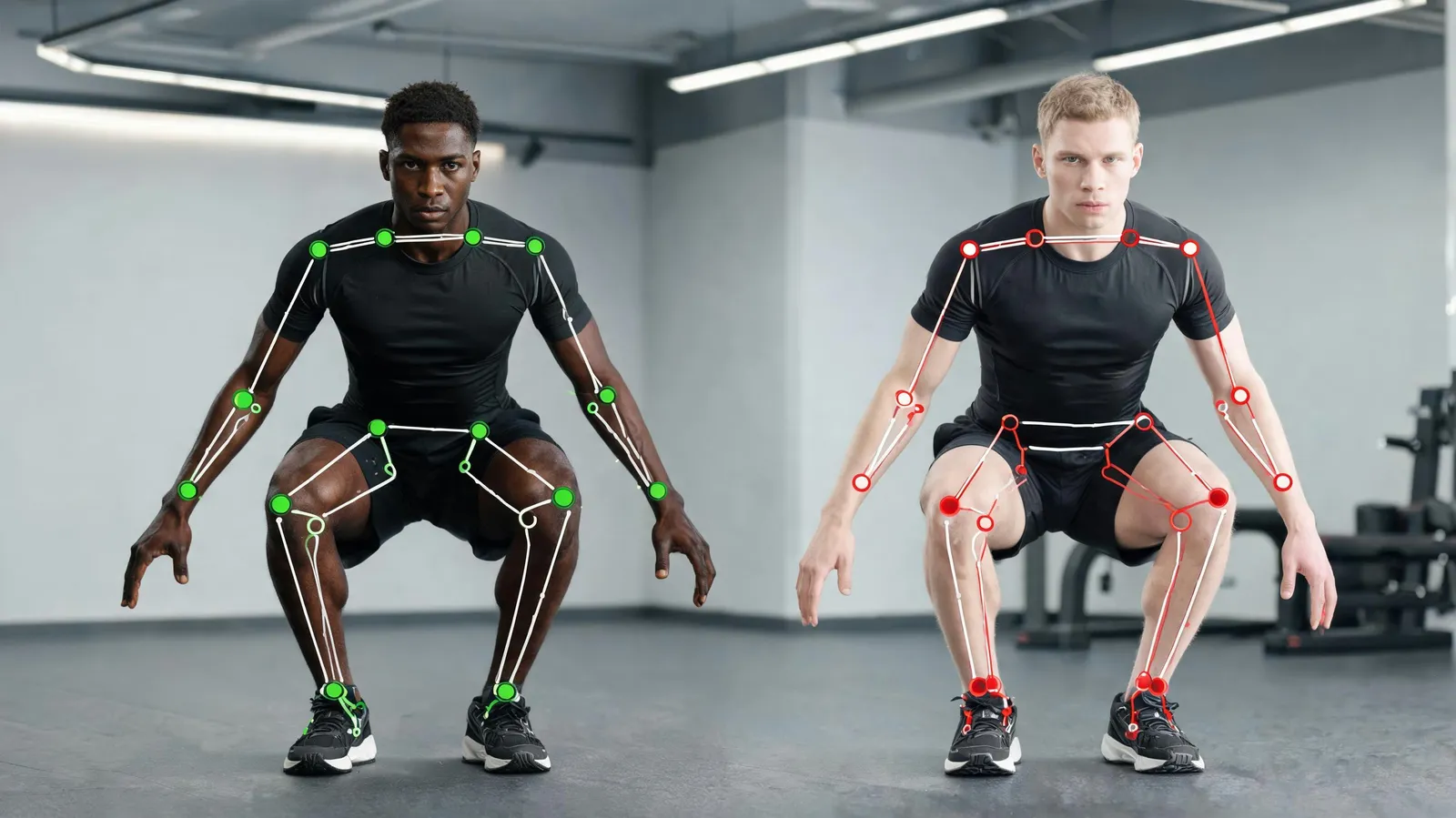
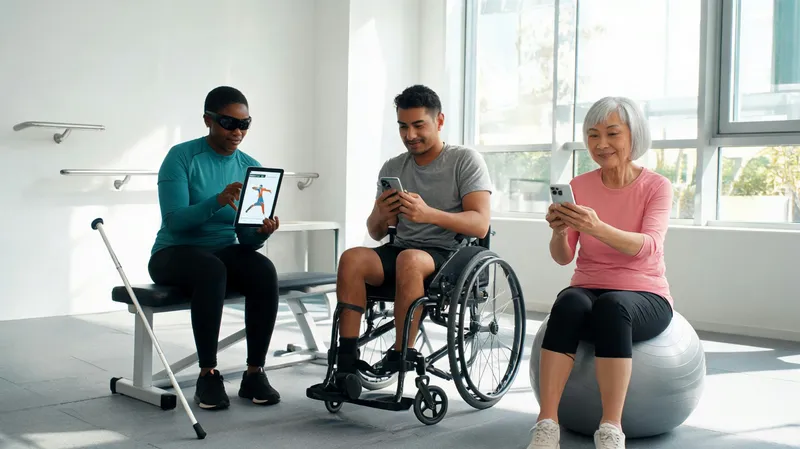
Computer vision is changing how users get feedback on exercise technique. Pose estimation algorithms analyze joint angles and movement patterns via a smartphone or webcam, delivering immediate corrections. For example, during a squat, the AI can identify knee valgus—knees collapsing inward—and prompt the user to adjust. Such real-time feedback lowers injury risk and enhances efficiency. A 2024 study in the Journal of Sports Science found that real-time form correction reduced injury risk by 40%. When integrated with workout plans, it enables automatic difficulty adjustments or exercise substitutions if form deteriorates. Users report a better mind-muscle connection and higher adherence thanks to gamified feedback.
Combining Wearable Sensors for Intensity Tracking
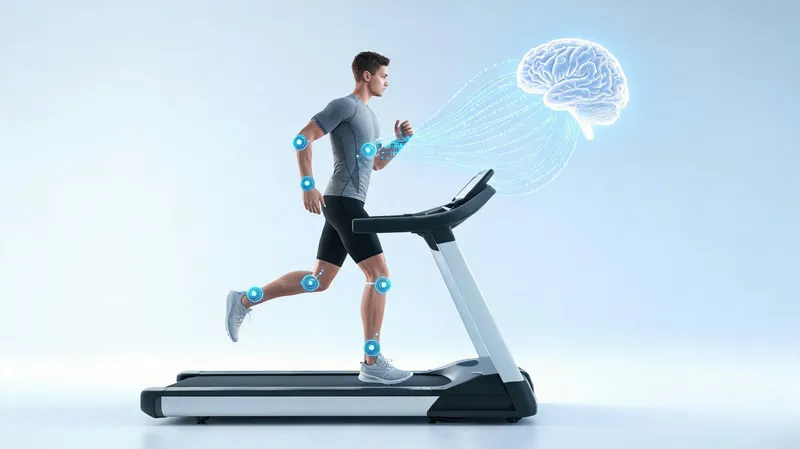
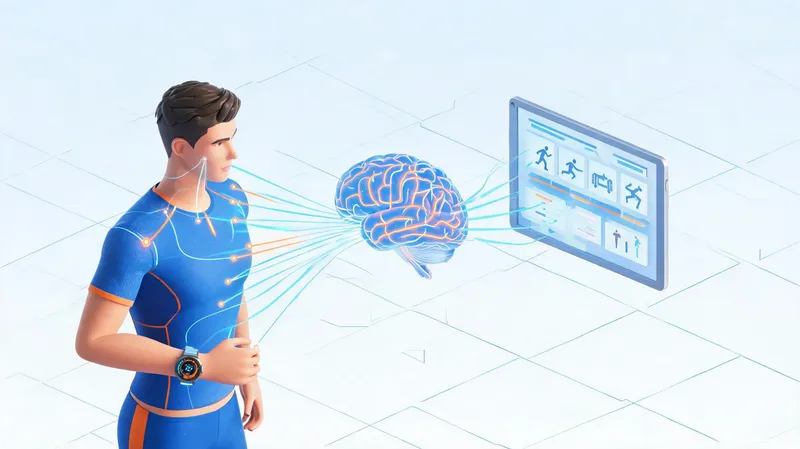
Wearable sensor fusion draws on multiple devices—heart rate monitors, accelerometers, GPS, and electrodermal activity sensors—to build a comprehensive picture of workout intensity and recovery. By merging heart rate variability, accelerometry, and sweat rate, AI can gauge exertion and stress more accurately. A comparison of sensor fusion versus single-sensor accuracy in calorie burn estimation showed a 25% improvement. This information supports real-time modifications to workout plans, such as shortening rest periods or adding a set. A study in the Journal of Applied Physiology found that athletes using sensor-fused intensity zones improved VO2 max by 15% more than those relying on single sensors. A case study of a cyclist illustrated how the training plan adapted to altitude and fatigue, optimizing performance.
Conclusion: The Next Stage of Personalized Fitness
AI workout plans are transforming personal training by weaving adaptive algorithms, computer vision, and wearable sensor fusion into a closed-loop system. This technology broadens access to elite-level coaching and helps lower injury rates across fitness levels. Looking forward, combining AI with augmented reality (AR) could enable immersive form correction, and predictive workout plans may anticipate user needs before they are felt. The future of fitness is arriving—personalized, safer, and more effective.