AI-Driven Recovery and Injury Prevention: Moving Beyond Subjective Judgment
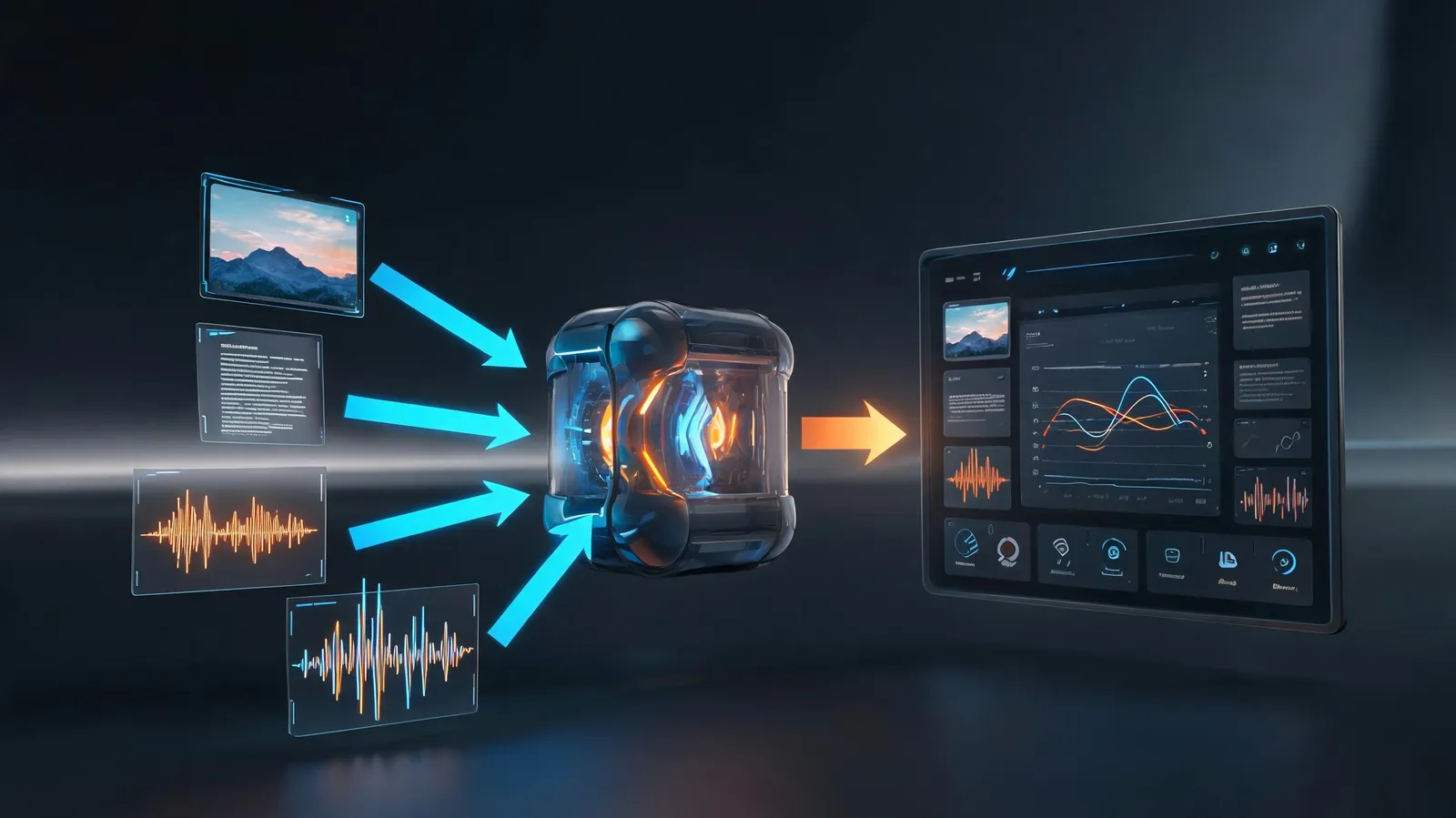
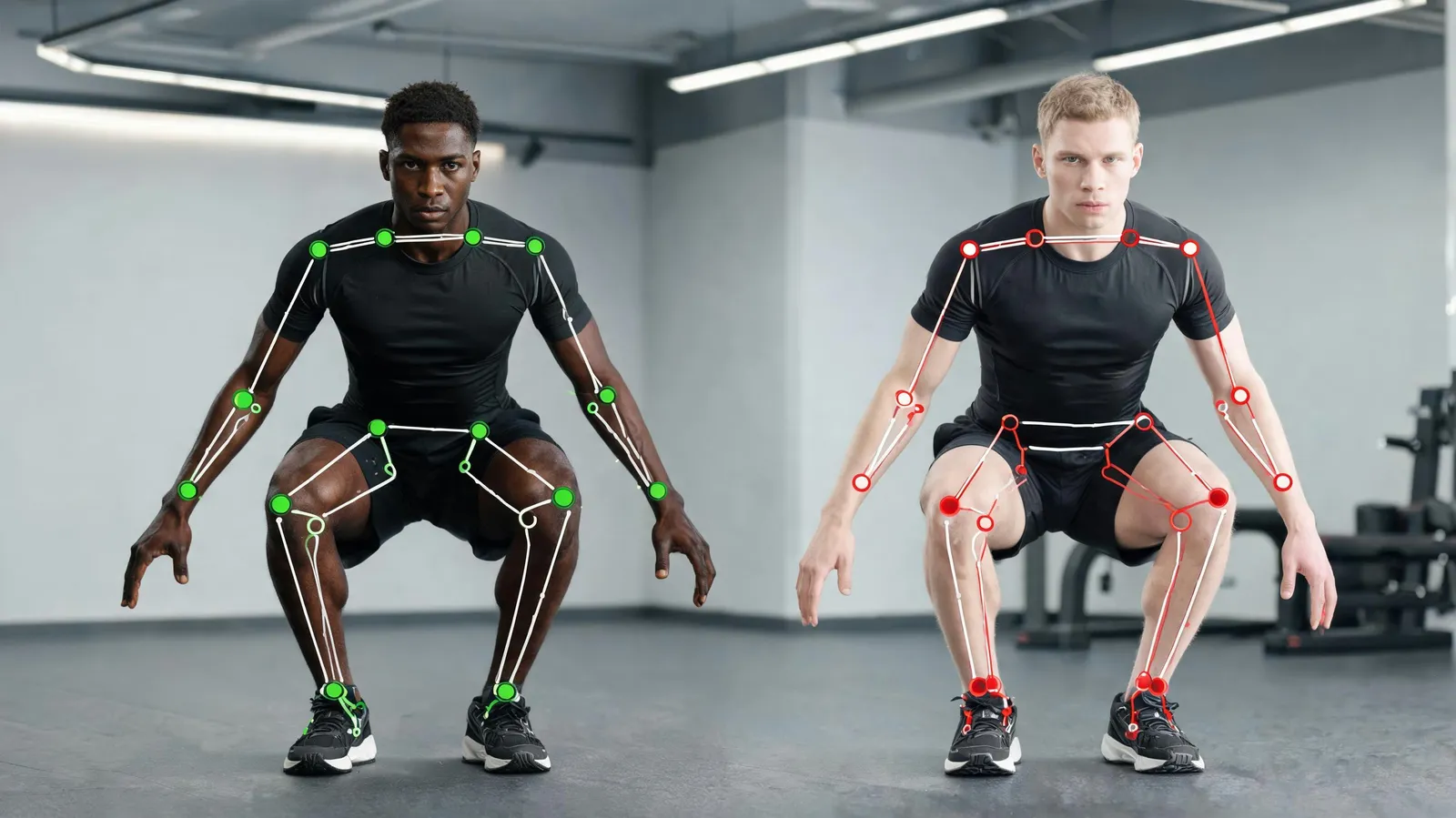
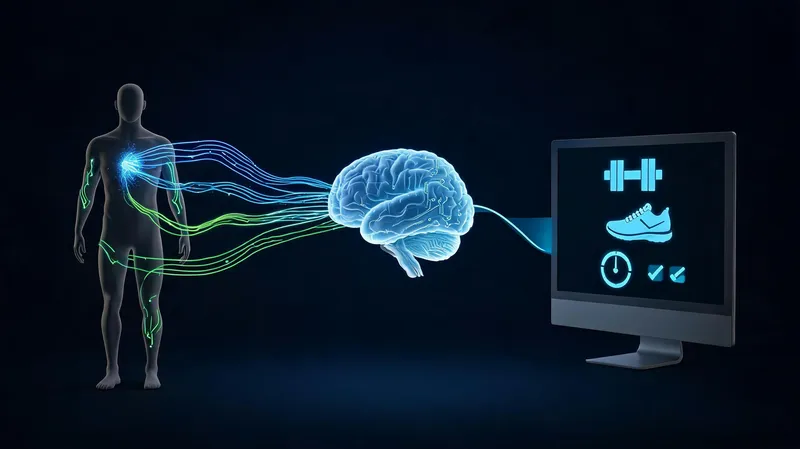
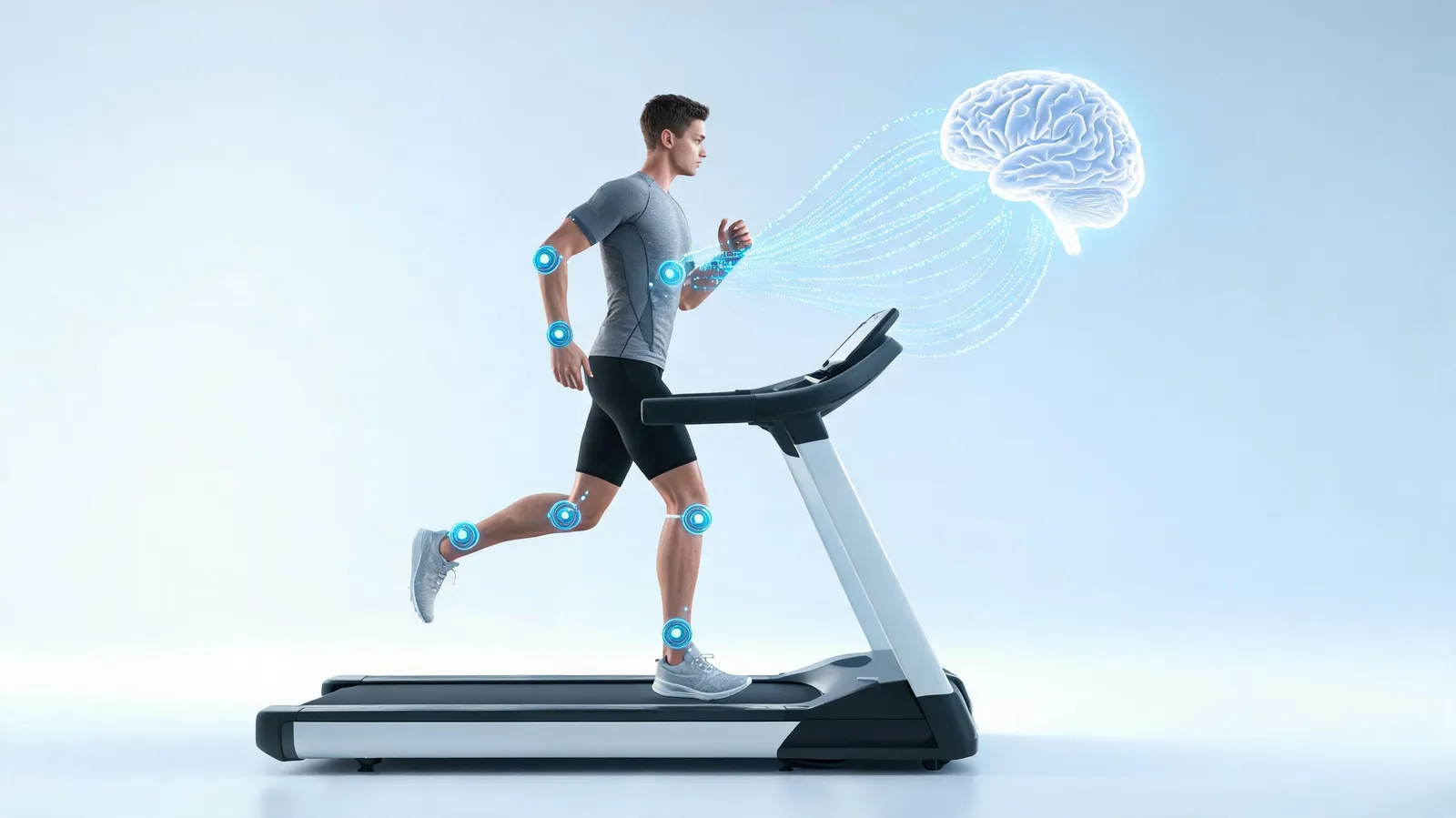
For a long time, athletes and coaches have depended on how they feel and on one-size-fits-all recovery routines. AI removes this uncertainty by using wearable sensors to continuously track biomechanics and fatigue. According to research, training guided by AI can lower overuse injuries by as much as 30%. For instance, AI algorithms are able to pick up on slight gait alterations that signal an impending injury, which enables prompt action.
Another major shift is the dynamic adjustment of workout intensity according to recovery status. One professional soccer team that used AI-driven recovery saw muscle strains drop by 40% over a single season. By examining heart rate variability, sleep quality, and muscle soreness, AI can tailor daily workouts to the athlete's readiness, which leads to faster recovery and less soreness.

Bringing Together Sleep, Nutrition, and Training Load: A Holistic AI Strategy
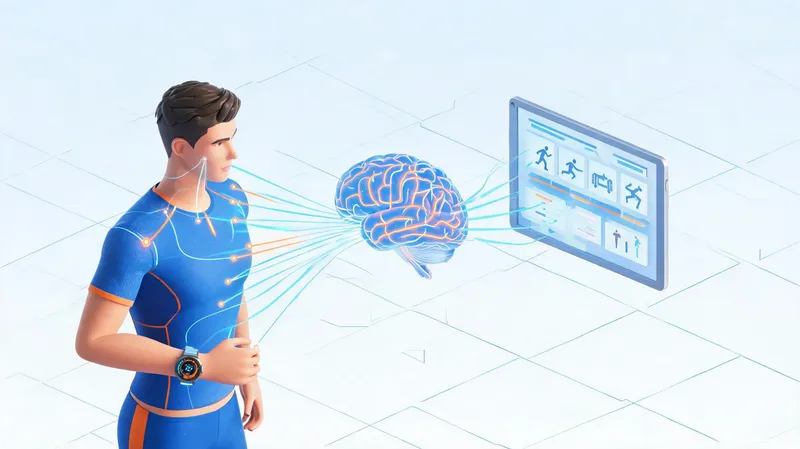
AI workout plans extend beyond exercise alone. They combine various lifestyle factors to produce genuinely personalized training. AI algorithms link sleep quality, macronutrient intake, and training volume to optimize performance. Studies show that sleep deprivation raises injury risk by 1.7 times, but AI can recommend carbohydrate timing based on workout intensity and sleep debt to help reduce those risks.
Automated adjustments to daily workouts based on nutrition logs and sleep data are now feasible. A user case study reported a 25% improvement in performance metrics after 8 weeks on an AI-powered plan. The AI keeps learning from the user's data, which reduces fatigue and improves body composition.
Predictive Models for Overtraining Risk: Anticipating Burnout
Overtraining syndrome is a significant worry for athletes, but AI can forecast it before it occurs. Machine learning models examine heart rate variability, cortisol levels, and performance trends to predict overtraining with 85% accuracy up to 7 days ahead. This makes it possible to modify plans proactively to prevent burnout and sustain long-term progress.
Coaches say that athlete availability improves and overtraining syndrome occurs less often when AI monitoring is used. By warning athletes to lower intensity before burnout sets in, AI supports consistent training and better outcomes.
Conclusion
AI workout plans mark a fundamental change in fitness. By combining recovery, injury prevention, sleep, nutrition, and predictive analytics, they provide an integrated system that cuts injuries, averts overtraining, and enhances performance for athletes at every level. As technology progresses, AI is expected to become a standard resource in personal training, with real-time adjustments and integration with smart gym equipment.