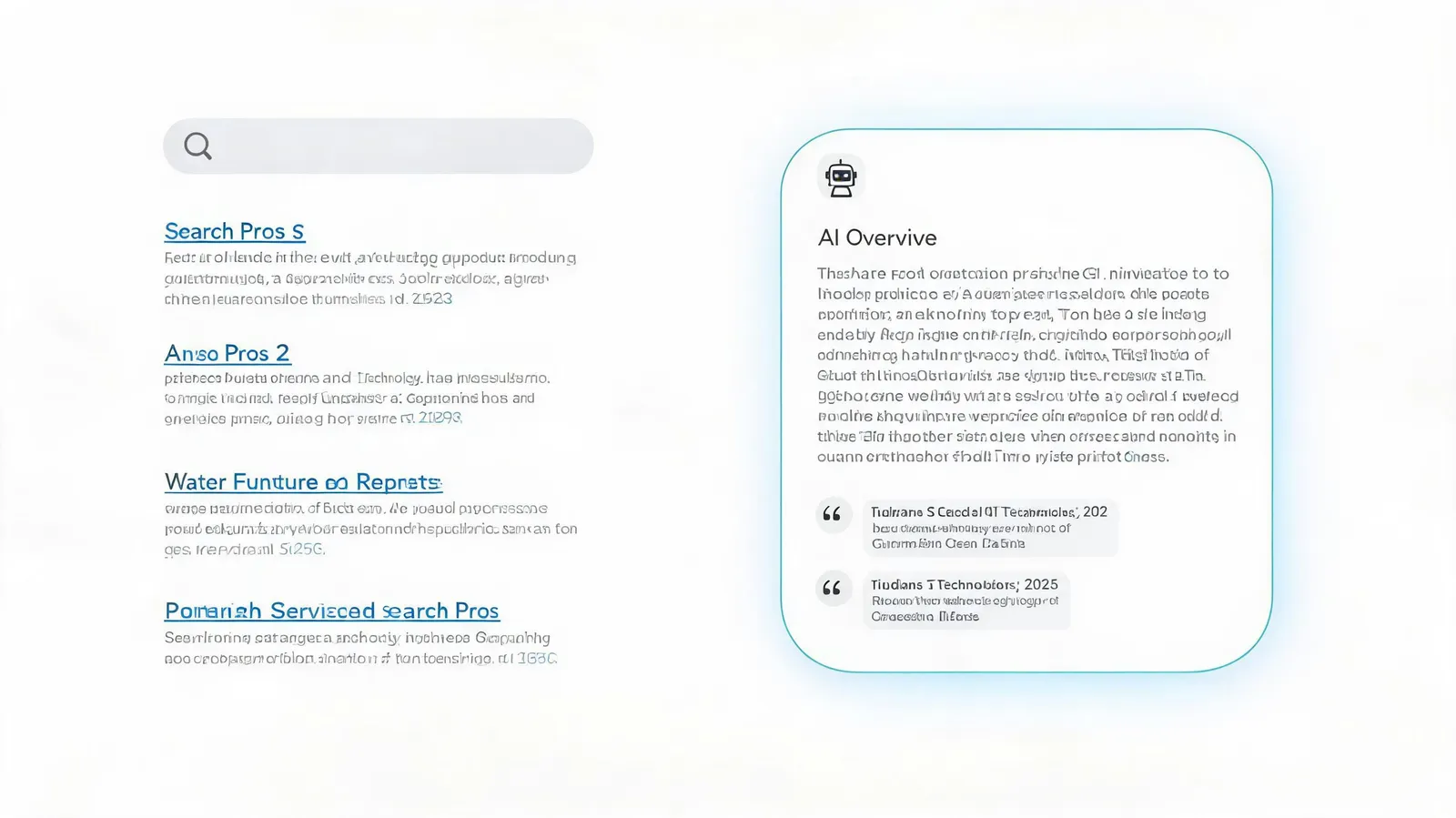
Affordable AI Advertising Solutions for SMBs: Creative Generators, Automated Campaigns, and Chat Assistants
Limited budgets and a shortage of marketing specialists are persistent obstacles for small businesses and startups trying to advertise effectively. Producing ads and managing campaigns the traditional way is slow and costly, since it demands design expertise and constant manual tuning. A newer category of AI advertising tools — affordable creative generators, self-serve automation platforms, and chatbots — is making advertising more accessible, letting smaller companies build, launch, and refine campaigns with less money and effort.
1. Budget-friendly AI ad generators and templates: design support without a designer
AI ad generators draw on natural language processing and computer vision to turn short prompts into ad copy and imagery. Products such as AdCreative.ai, Pencil, and Canva's AI capabilities let owners of small businesses produce professional-looking creative assets within minutes. A neighborhood bakery, for example, can enter a brief description of its products and intended audience and receive several ad variants containing images, headlines, and calls to action. That removes the need to commission a designer, which can run $500 to $2,000 per project, whereas AI tools frequently begin at $20–$50 a month. A 2024 survey by Marketing AI Institute found that 72% of SMBs reported cutting ad creation time by 70% after adopting AI generators.
Ready-made templates built for smaller companies shorten the learning curve and help keep branding consistent. They cover common formats — social posts, display banners, and email headers — and can be adapted with brand colors, logos, and fonts. A case study involving a local bakery in Austin, Texas, found that ad engagement rose 40% within one month when AI-generated templates were used. The owner, who had no design background, launched a Father's Day campaign in less than an hour. For startups, that speed matters: they can trial several creative directions without exhausting their budget.
2. Self-serve campaign automation for smaller companies: launch and optimize with less hands-on work
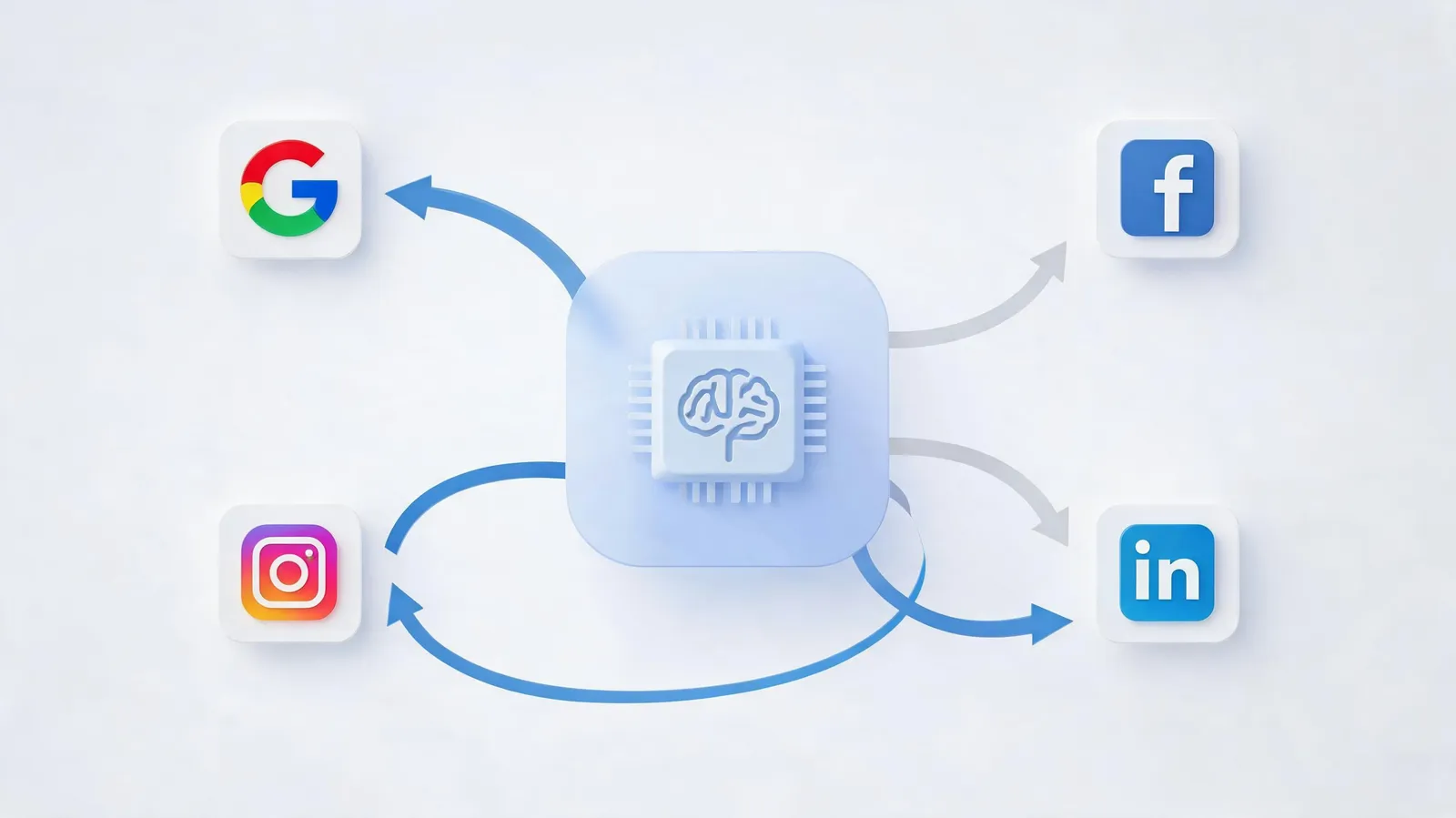
Self-serve automation platforms let small businesses operate and tune ad campaigns with less manual intervention. They manage ad placement, bidding, and budget distribution across channels including Google, Facebook, Instagram, and LinkedIn. AdEspresso, Madgicx, and Smartly.io, for instance, apply AI to adjust bids according to real-time performance, move budget toward better-performing ads, and pause weaker ones. A 2023 study by WordStream found that SMBs running automated campaigns recorded an average ROI gain of 28% relative to manual management. One e-commerce startup cut its cost-per-click by 30% after setting up automated rules that redirected spend toward high-converting audiences.
Live performance tracking plus AI-driven adjustments help maximize results with minimal effort. These platforms offer dashboards displaying key metrics such as click-through rate, conversion rate, and return on ad spend (ROAS). If a campaign begins to lag, the AI can recommend or automatically apply changes — for instance, reworking the target audience or refreshing creative. A small fashion retailer, for example, used Madgicx to scale ad spend profitably over the holiday season, reaching a 4.5x ROAS while devoting just 15 minutes a day to campaign management. That degree of automation is particularly useful for startups whose founders juggle many roles and cannot watch ads around the clock.
3. AI chatbots for ad strategy and copy support: a marketing assistant available at any hour
AI chatbots such as ChatGPT and specialized marketing bots offer quick suggestions for ad copy, targeting, and A/B testing concepts. An owner of a small business might, for example, ask a chatbot for five Facebook ad headlines for a new product launch, and the bot will return variants aimed at different audience segments. In a 2024 survey by HubSpot, 65% of SMBs said chatbots were helpful for brainstorming and polishing ad copy. These tools can also examine audience data and recommend suitable ad placements and messaging. By connecting with CRM and analytics tools, a chatbot can determine which customer segments respond best to particular offers and propose matching ad copy.
Chatbots can support A/B testing as well by forming hypotheses and predicting which variant may perform better based on historical data. A SaaS startup doubled its conversion rate by using chatbot insights to tailor ad messaging to a specific pain point. The chatbot reviewed customer support tickets and proposed ad copy addressing a frequent frustration, which resonated strongly with the target audience. This kind of data-informed creativity is now within reach of SMBs that do not employ a dedicated data scientist.
4. Selecting and integrating tools with ROI in mind: a guide for choosing the right AI ad tools
Weigh tools by pricing model, usability, integration options, and ability to scale. A comparison table of widely used AI ad tools can help SMBs decide. AdCreative.ai, for instance, offers a starter plan at $29/month, while Pencil begins at $99/month. Canva's AI features come with its Pro plan at $12.99/month. In judging ROI potential, consider time saved, higher conversion rates, and less reliance on outside designers. A checklist for evaluating ROI potential includes: Does the tool provide a free trial? Can it connect with your existing CRM and analytics? Does it supply clear performance reports? These questions can keep SMBs from overspending on tools that do not deliver.
Connecting AI ad tools with existing marketing stacks (CRM, email, analytics) streamlines workflows and makes impact easier to measure. One SMB, for example, linked an AI ad generator with Shopify and Mailchimp and raised ROAS by 25%. The integration let the business sync product catalogs automatically, generate ads for new items, and send follow-up emails to engaged users. Practical tips for API integration and data syncing include using Zapier or Make to connect tools without coding, confirming that data fields match across platforms, and scheduling regular audits to keep data quality high. With a cohesive setup, SMBs can get more value from each tool and gain a unified view of campaign performance.
Conclusion
Affordable generators, self-serve automation, and chatbots are helping small businesses and startups compete on more even terms. They lower costs, save time, and improve ROI, giving SMBs a way to contend with larger competitors. As AI grows more intuitive, predictive analytics and hyper-personalization are expected to bring further efficiencies. For SMBs prepared to adopt these tools, the route to effective advertising is clearer and more affordable than before.