The Evolving Landscape of AI in Advertising
Advertising has always changed with technology, but artificial intelligence is now speeding up that change at an extraordinary rate. Traditional advertising struggles with personalization, engagement, and accurate measurement, while AI provides powerful solutions that are reshaping the entire industry. This article examines four emerging technologies—generative AI with virtual influencers, AR/VR immersive ads, real-time emotion and context adaptation, and shoppable media integration—that are defining the future of AI advertising and transforming how brands connect with consumers.
Generative AI and Virtual Influencers
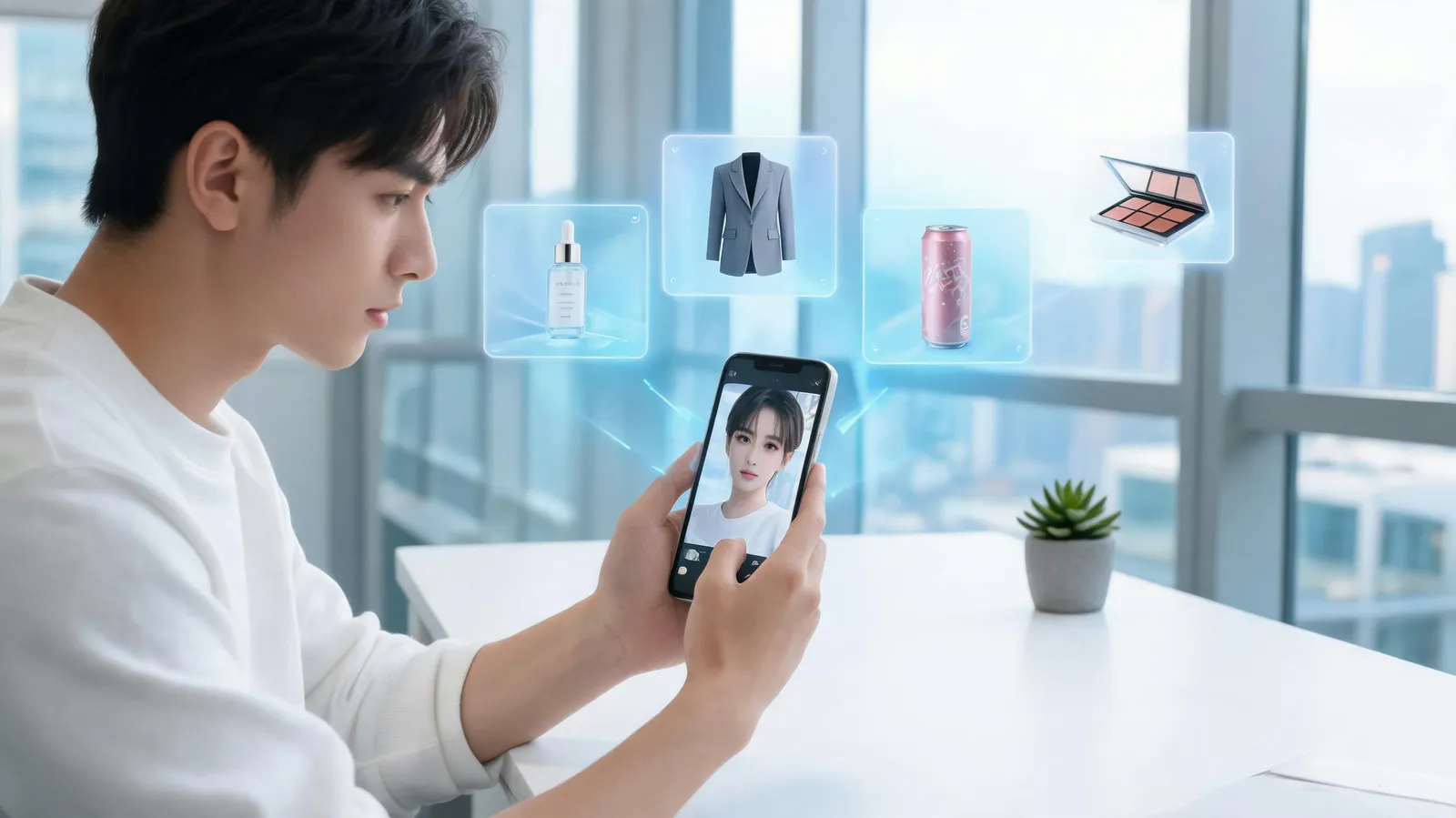
Generative AI is transforming ad creation by enabling dynamic, personalized content at scale. It also powers virtual influencers—AI-generated personas that endorse products and engage audiences. These virtual influencers, such as Lil Miquela, are gaining traction for their ability to resonate with tech-savvy consumers. According to recent data, 30% of brands plan to use virtual influencers by 2026, and campaigns featuring them often outperform human influencers in engagement for tech brands.
Beyond virtual influencers, generative AI creates tailored ad copy, images, and videos for individual users. For example, Coca-Cola has used AI to generate personalized messaging for its ads, significantly reducing production costs and time. This technology allows brands to deliver the right message to the right person at the right moment, boosting relevance and conversion.
AR/VR and Immersive Ad Experiences
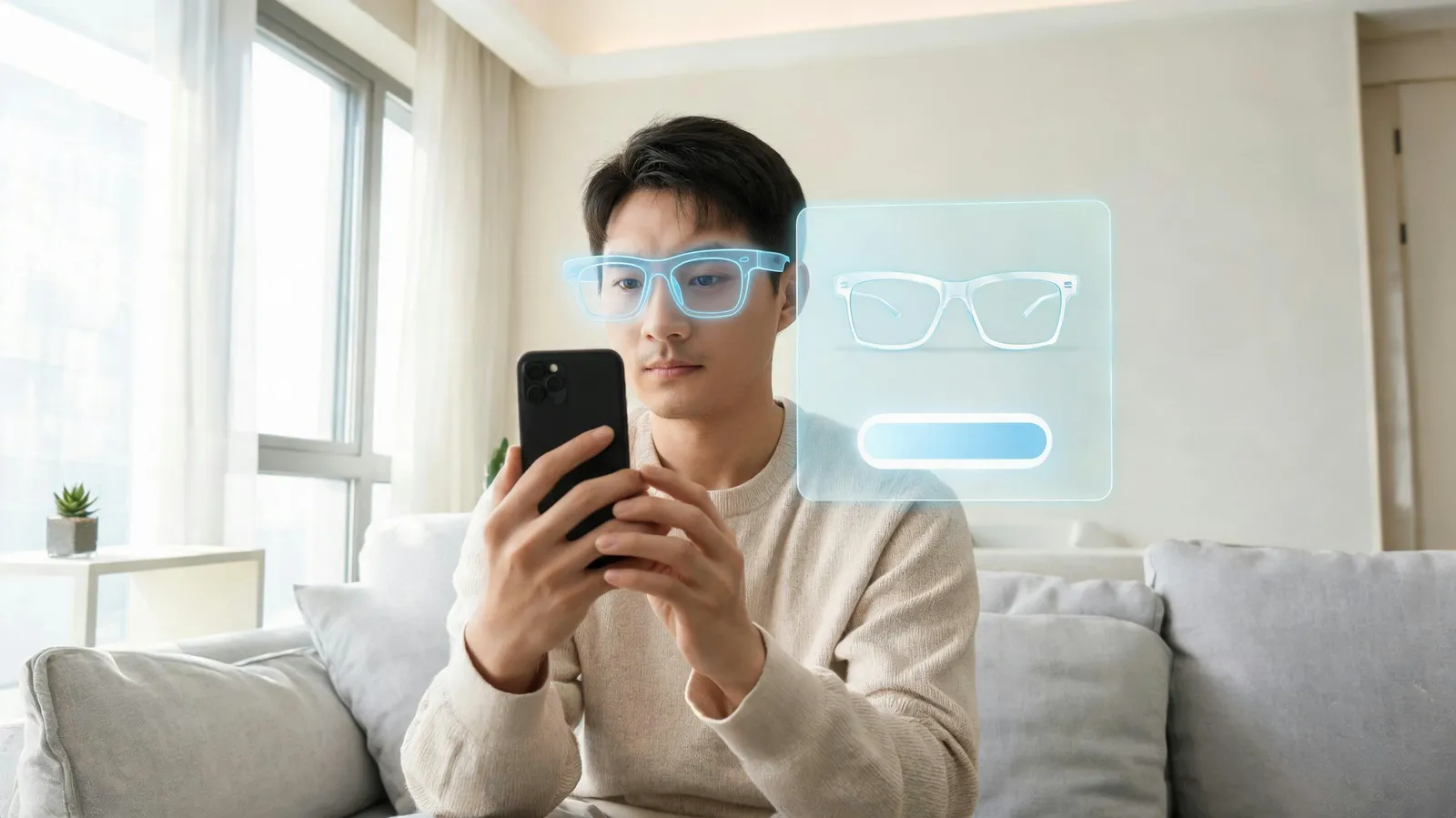
Augmented reality (AR) and virtual reality (VR) are transforming advertising into interactive, memorable experiences. AR try-on ads, for instance, let consumers virtually try products like makeup or furniture before buying. Sephora's AR try-on feature increased sales by 11%, and studies show that 71% of consumers prefer AR shopping. This technology bridges the gap between online and offline shopping, enhancing confidence and reducing returns.
VR brand experiences, such as Audi's virtual showroom for car customization, offer immersive storytelling that boosts brand recall and engagement. These experiences allow consumers to explore products in a virtual environment, creating a deeper emotional connection with the brand.
Real-Time Emotion and Context Adaptation
Emotion AI uses facial coding and voice analysis to detect a user's emotional state and tailor ad content in real time. Affectiva's emotion AI, for example, adjusts video ad messaging based on viewer reactions, leading to improved click-through rates. This technology enables ads to be empathetic and responsive, enhancing user experience.
Contextual AI goes further by adapting ads based on location, weather, time, and user activity. Weather-based ads for ice cream brands have been shown to increase sales, and 60% of consumers engage more with contextually relevant ads. By leveraging real-time data, brands can deliver highly relevant messages that resonate with the user's immediate situation.
Integration with Commerce and Shoppable Media
Shoppable ads on social media and streaming platforms, powered by AI-driven product recommendations, are making it easier than ever for consumers to purchase directly from ads. Instagram's shoppable tags and AI-driven suggestions have led to 40% of consumers purchasing via shoppable ads. This seamless integration reduces friction and capitalizes on impulse buying.
AI chatbots and virtual assistants further guide users from ad to purchase. Sephora's chatbot increased bookings by 11% and reduced cart abandonment. These AI-powered assistants provide personalized recommendations and instant support, enhancing the shopping experience and driving conversions.
Conclusion
The convergence of generative AI, AR/VR, real-time emotion, and shoppable media is transforming advertising into a fully adaptive, immersive, and shoppable experience. These technologies enable hyper-personalization, immersion, and frictionless commerce, leading to higher engagement and ROI. As AI continues to evolve, it will become the central orchestrator of advertising, creating seamless and personalized journeys for consumers. Brands that embrace these AI advertising trends will be well-positioned to succeed in the future of marketing.