Introduction
Ad fatigue and privacy regulations have made it increasingly difficult to connect with the right audience. Traditional targeting methods are losing ground because of data restrictions and shifting consumer behavior. AI now makes it possible to deliver predictive, personalized, and privacy-compliant audience targeting, reshaping how marketing strategies are built.
Predictive Segmentation and Lookalike Modeling
AI algorithms sift through large datasets to pinpoint high-value customer segments. In one case, a retailer used predictive segmentation to raise ROI by 30%. Lookalike modeling extends reach by identifying users who resemble existing customers; a streaming service, for instance, expanded its subscriber base by 25% and cut cost per acquisition.
Dynamic Creative Personalization at Scale
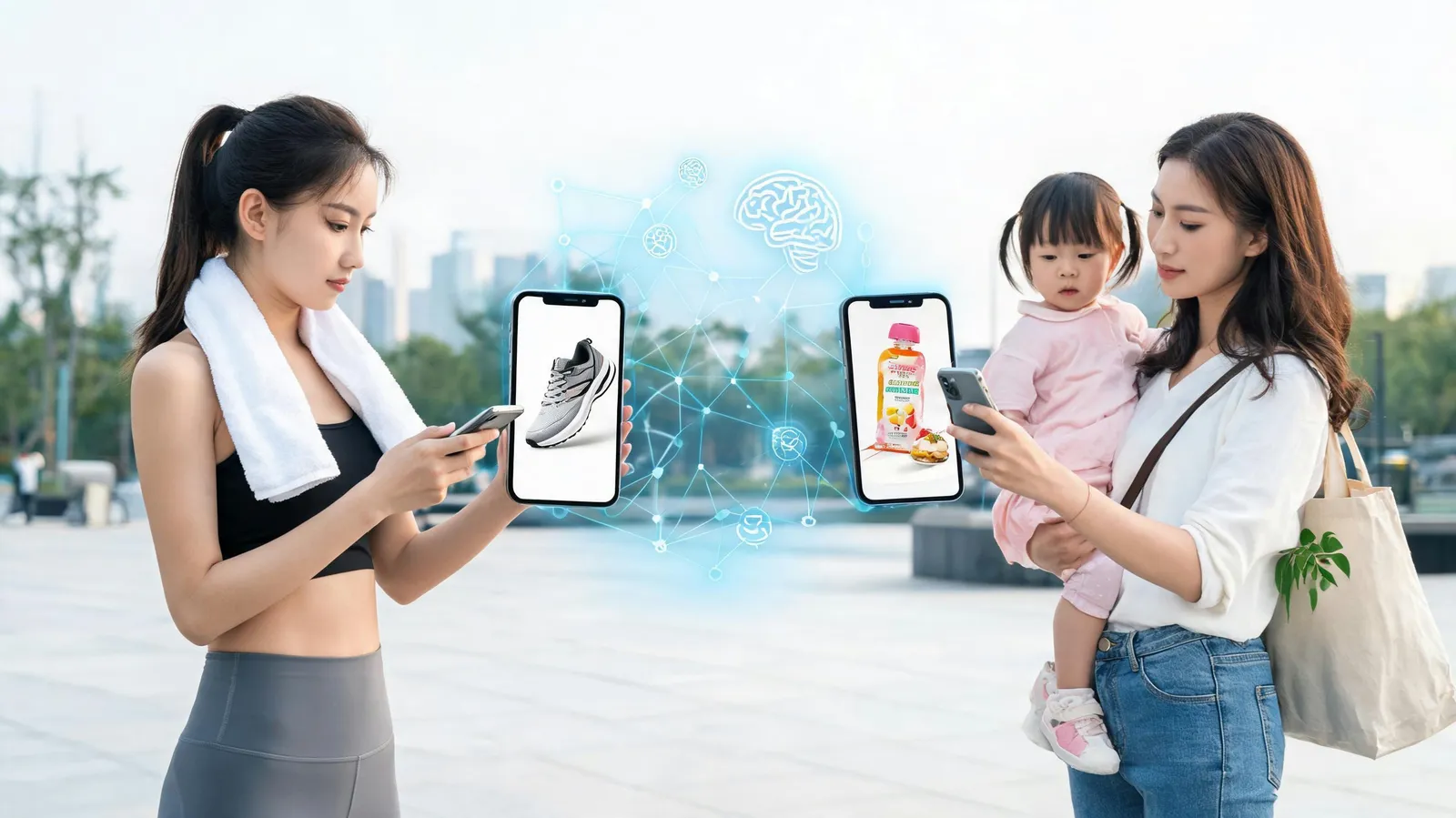
AI produces and refines ad creatives according to user behavior and context. An e-commerce brand recorded a 20% higher click-through rate with dynamic creatives. Real-time personalization adjusts to user interactions across channels, which helped a travel company lift bookings by 15% and strengthen customer engagement.
Privacy-Preserving Targeting and Consent Management
Techniques such as federated learning and differential privacy allow AI to safeguard user data. A financial institution stayed compliant with GDPR while preserving targeting accuracy. Consent management platforms leverage AI to monitor and honor user preferences, enabling a media company to boost trust and opt-in rates.
Bias and Fairness in AI-Driven Audience Selection
When trained on unrepresentative data, AI can perpetuate biases—as observed in biased ad delivery in job recruiting. Applying fairness metrics and using diverse training data helps mitigate bias; a tech company cut bias by 40% through fairness audits.
Conclusion
AI supports predictive segmentation, dynamic personalization, privacy compliance, and fairness, improving marketing effectiveness and fostering consumer trust. Looking ahead, integration with AR/VR could enable immersive personalization.