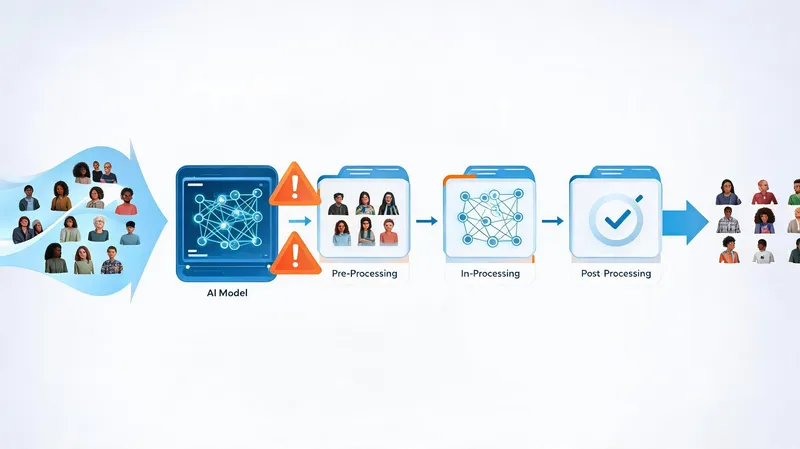
Consumers in today's always-connected marketplace expect to be treated as individuals rather than as entries in a demographic table. Age, gender, and location tell only part of the story, and they say little when behavior shifts from one day to the next. AI-driven audience segmentation and predictive modeling offer a way out: instead of fixed labels, marketers can form groups from observed actions, estimate what customers will do next, and personalize at scale. Below we look at four capabilities — behavioral clustering, projected lifetime value and churn signals, lookalike modeling, and real-time segmentation.
1. Behavioral Clustering and Micro-Segmentation: Finding the Audiences Hiding in Plain Sight
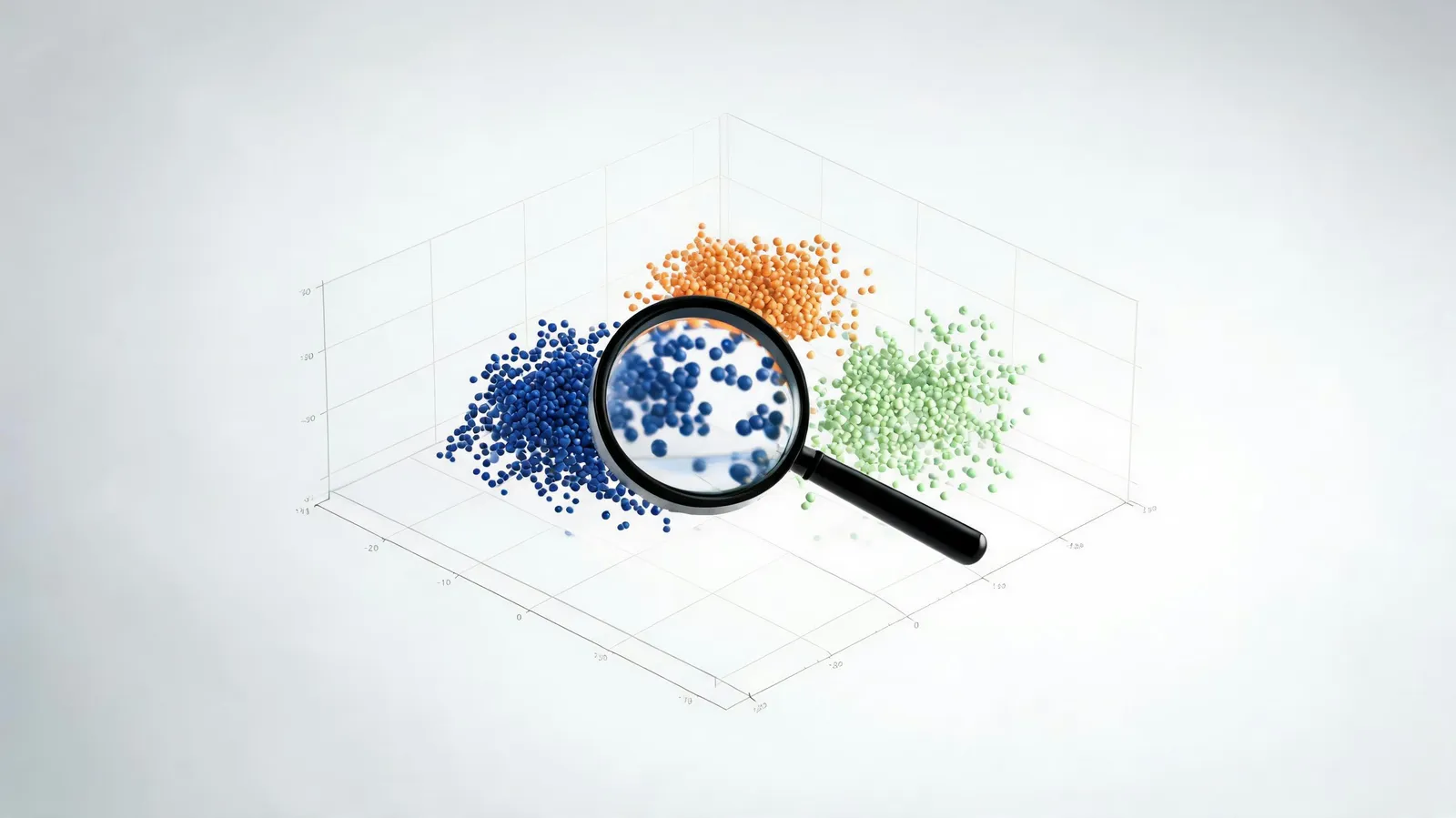
Where conventional approaches sort customers into broad demographic buckets, AI applies unsupervised learning to large stores of interaction data — clicks, purchases, time spent browsing, and similar signals — and lets natural groupings emerge. The resulting behavioral clusters can surface audiences that would otherwise stay invisible. An online store, for instance, might uncover a group of shoppers who browse during the week but only complete purchases on weekends, or a set of loyalists who buy exclusively during promotions.
Micro-segmentation pushes the idea further, producing groups fine-grained enough to approach individual-level personas. Messaging can then be tuned with unusual precision. Research from McKinsey found that companies applying micro-segmentation recorded a 10–20% lift in conversion rates. Tools such as Salesforce Einstein, Adobe Sensei, and Google Analytics 4 use AI to build and refresh these micro-segments automatically and continuously.
One fashion retailer used clustering to isolate a group it described as eco-conscious frequent buyers. By steering sustainable product lines and environmental messaging toward that segment, the retailer saw engagement rise 25% and repeat purchases climb 15%. The underlying principle is to let the data reveal patterns that human analysis tends to overlook.
2. Predictive Lifetime Value and Churn Modeling: Reading What Comes Next
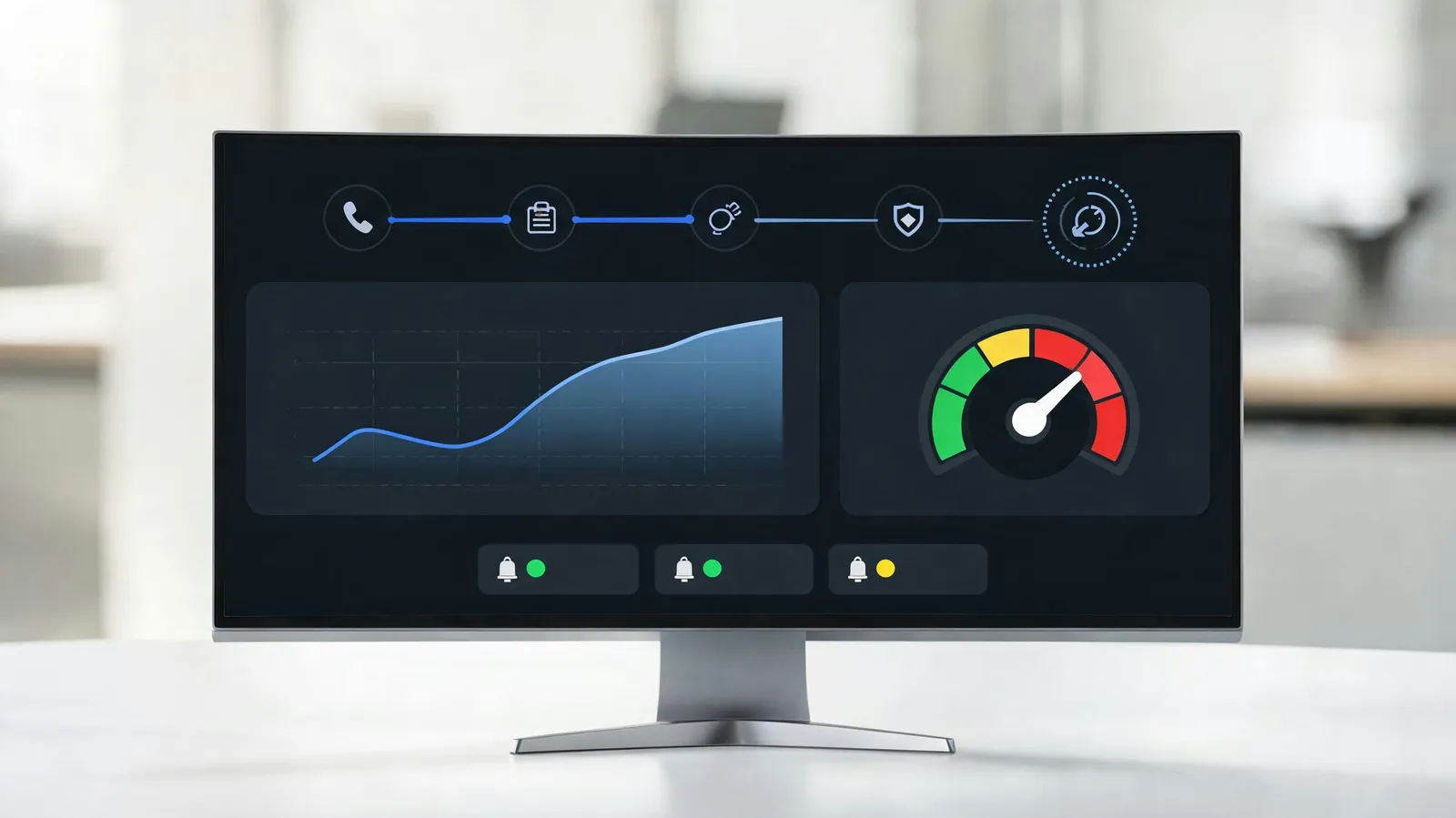
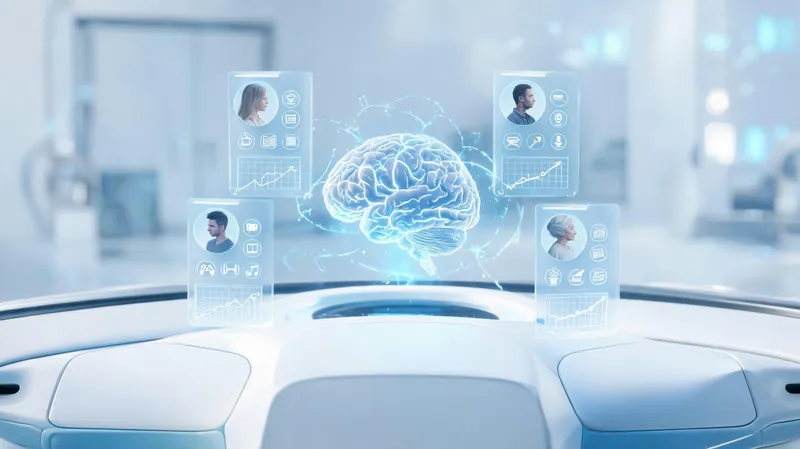
Identifying customers is only half the task; anticipating their next move is where AI adds the most leverage. Predictive lifetime value (CLV) modeling draws on regression and machine learning to estimate the total revenue a customer will generate over time. Budget allocation becomes more deliberate as a result — more investment flowing to high-CLV segments, less to low-value ones.
A subscription business, for example, might use CLV models to spot customers likely to move up to premium tiers, then reach them with tailored offers to raise average revenue per user. Churn prediction works from the opposite direction: AI examines behavioral patterns and flags customers showing signs of leaving. Retention campaigns — special discounts, personalized outreach — can then fire automatically. One telecom company cut churn by 18% through predictive alerts and reported a 5x return on its retention spending.
Accuracy, lift, and ROI are the measures that matter when judging these models, and prediction quality tends to improve as more data is fed in. Wiring CLV and churn scores into a CRM or marketing automation platform means each interaction is shaped by an estimate of future value.
3. Lookalike Audience Generation with Machine Learning: Extending the Reach of Your Best Customers
After high-value customers are identified, the natural next question is where to find more people like them. Lookalike modeling applies machine learning to the traits of a seed audience — the best customers — and searches a wider pool for similar prospects. Facebook, Google, and TikTok each provide built-in lookalike tools, though custom-built models can deliver more.
The work involves feature engineering — choosing attributes such as purchase frequency, average order value, and interests — along with similarity scoring. The aim is to widen reach without eroding returns. In one case study, an online retailer found that lookalike audiences lifted new customer acquisition by 30% while holding a 4:1 ROAS. Recommended practices include beginning with a high-quality seed audience, refreshing the model regularly, and testing different similarity thresholds.
That said, lookalike modeling is not a set-and-forget tactic. It calls for continuous optimization; feeding results back into the model lets marketers sharpen targeting and keep pace with shifting consumer behavior.
4. Real-Time Segmentation for Dynamic Campaigns: Reaching Customers in the Moment
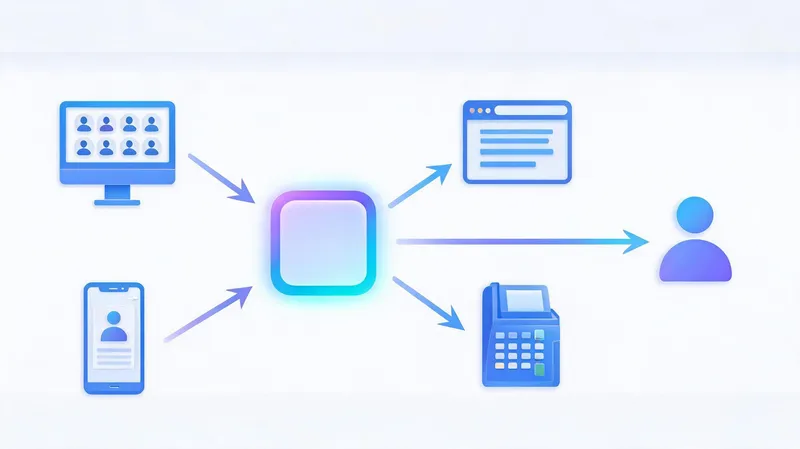
When gratification is instant, real-time segmentation moves from nice-to-have to essential. AI systems take in streaming data from websites, apps, social media, and other sources, then update segment membership on the spot. Campaigns can therefore be triggered by live behavior — if a shopper abandons a cart, an AI engine can send a personalized discount code by email or SMS right away.
Apache Kafka, Spark Streaming, and real-time customer data platforms (CDPs) underpin this capability. A travel company used real-time segmentation to serve dynamic pricing and personalized packages based on browsing behavior and reported a 22% rise in conversions. Data integration, latency, and privacy remain hurdles, though edge computing and consent management platforms are beginning to address them.
Dynamic campaign orchestration brings the pieces together: AI selects the message, the channel, and the timing, all as events unfold. Personalization at this level tends to build trust and loyalty, because customers feel recognized and valued.
Conclusion
AI-powered audience segmentation and predictive analytics represent more than incremental gains — they mark a shift in how marketing operates. Behavioral clustering, predictive CLV, lookalike modeling, and real-time segmentation together give marketers precision, efficiency, and a sharper customer focus. As privacy rules continue to evolve, the years ahead are likely to bring closer integration of privacy-preserving AI and autonomous marketing systems that tune campaigns with little human involvement. Organizations that adopt these methods now position themselves to lead later.