Introduction
What if a campaign could be vetted against a million varied personas before any real person encounters it? Conventional market research is expensive, slow, and narrow in the diversity of respondents it can reach—yet generative AI points toward a different model. Simulated audiences built with generative AI hold the potential to transform how campaigns and creative work are evaluated, though deploying them responsibly requires close scrutiny of bias, ethics, and the limits of what they can represent.
Building Synthetic Personas for Research
Synthetic audience work starts with generating personas. Using large language models and diffusion models, practitioners can construct rich profiles covering demographic, psychographic, and behavioral traits. One brand recently put synthetic personas to work evaluating ad copy across 50 segments within hours—a task that would have taken weeks with conventional focus groups. That combination of speed and lower cost opens the door to rapid iteration and wider segment coverage.
Typical uses span A/B testing, concept validation, and message refinement. A startup cut its campaign failure rate by 30 percent by running synthetic pre-testing, and creative agencies say they are iterating faster as a result. With AI-driven audience simulation, marketers can sharpen messaging ahead of a real-world launch, conserving both time and budget.
Modeling How Audiences Respond to Creative Work

Synthetic audiences can forecast emotional and behavioral reactions to advertisements, videos, and full campaigns. The methods behind this include sentiment analysis, emotional modeling, and predictive engagement scoring. One study reported an 85 percent correlation between synthetic and real audience sentiment for video ads, and a film studio successfully used synthetic audiences to test alternative trailer endings.
There are limits, however. Cultural subtleties or the unpredictability of something going viral can produce false positives, and experts describe an "uncanny valley" in audience simulation—points where synthetic reactions drift away from reality. Marketers should treat these tools as complements to human insight rather than substitutes for it.
Spotting and Reducing Bias in Synthetic Data
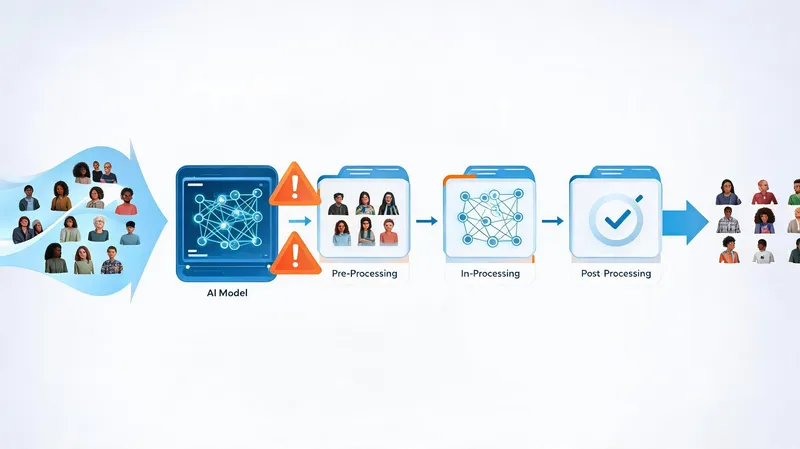
Bias in synthetic data represents a serious risk. It can originate in imbalanced training data, model architecture, or how prompts are designed. Research indicates synthetic personas frequently underrepresent particular ethnic or age groups, and at least one campaign failed because biased synthetic feedback skewed its direction. Countermeasures include more diverse training sets, bias audits, adversarial testing, and human-in-the-loop validation. After adopting bias mitigation frameworks from AI ethics labs, one company raised representation by 40 percent.
Scheduled audits and inclusive prompt engineering matter here. If bias detection is not pursued actively, synthetic audiences risk reinforcing stereotypes and distorting market insights, which in turn produces flawed strategy.
Where Ethical Lines Fall for AI Audience Models
Ethical questions include the absence of consent from real people whose data appears in training sets, the potential for manipulation, and the weakening of authentic human feedback. Whether synthetic audiences should be disclosed in marketing research is a matter of active debate, and there are instances of deepfake-like synthetic personas being used unethically. Among the safeguards proposed are transparency standards, ethical review boards, and restrictions on research conducted solely with synthetic subjects. An industry survey found that 70 percent of consumers want disclosure when AI-generated test subjects are used.
Following ethical AI marketing practices is about earning trust, not merely meeting compliance requirements. Firms should set explicit policies governing synthetic audience use and keep human oversight in place.
Conclusion
Synthetic audiences powered by generative AI present significant opportunities to speed up market testing and widen access to it. From persona generation through reaction simulation, they deliver insights that are quicker, less expensive, and more varied. Still, bias and ethical risks need active management. The path forward involves combining real-time human feedback with synthetic models and establishing industry standards for ethical AI audience simulation. Done that way, the synthetic mirror can reflect not only our markets but also our values.