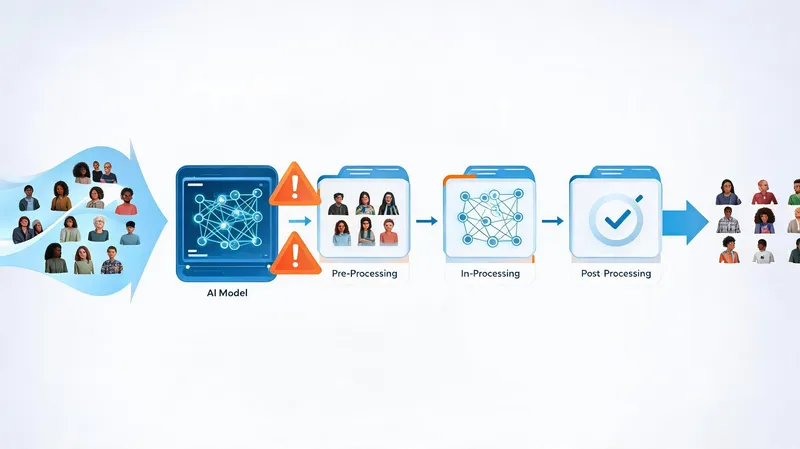
US companies are stepping up efforts to understand their audiences. A 2024 Forrester report found that 78% of US marketing leaders believe traditional audience research methods miss real-time shifts in sentiment. Grand View Research projects that AI audience insights platforms will expand at a 29% compound annual growth rate through 2030. The following sections examine the trends and scenarios likely to shape the coming decade.
Self-Directed AI Agents Take Over Audience Research
Agentic AI describes software agents that operate autonomously: they set their own goals, plan steps, and complete tasks without needing a person to direct each move. When applied to audience research, these agents watch behavior across social media, websites, apps, and surveys on a continuous basis, spotting emerging patterns and producing insights as events unfold.
Consider an agent that notices a sharp rise in negative sentiment about a brand on X (formerly Twitter). It could automatically launch a deeper look into video reviews and support tickets. A 2025 Salesforce case study reported that early adopters of agentic systems cut research time by 65% and costs by 40%.
Another key feature is autonomous experimentation. Agents can set up and run A/B tests at scale, adjusting targeting parameters as results come in. In a pilot with a US e-commerce retailer, an agentic system lifted conversion rates by 22% over three months by continually refining audience segments.
Multimodal Understanding: Bringing Text, Voice, and Video Together
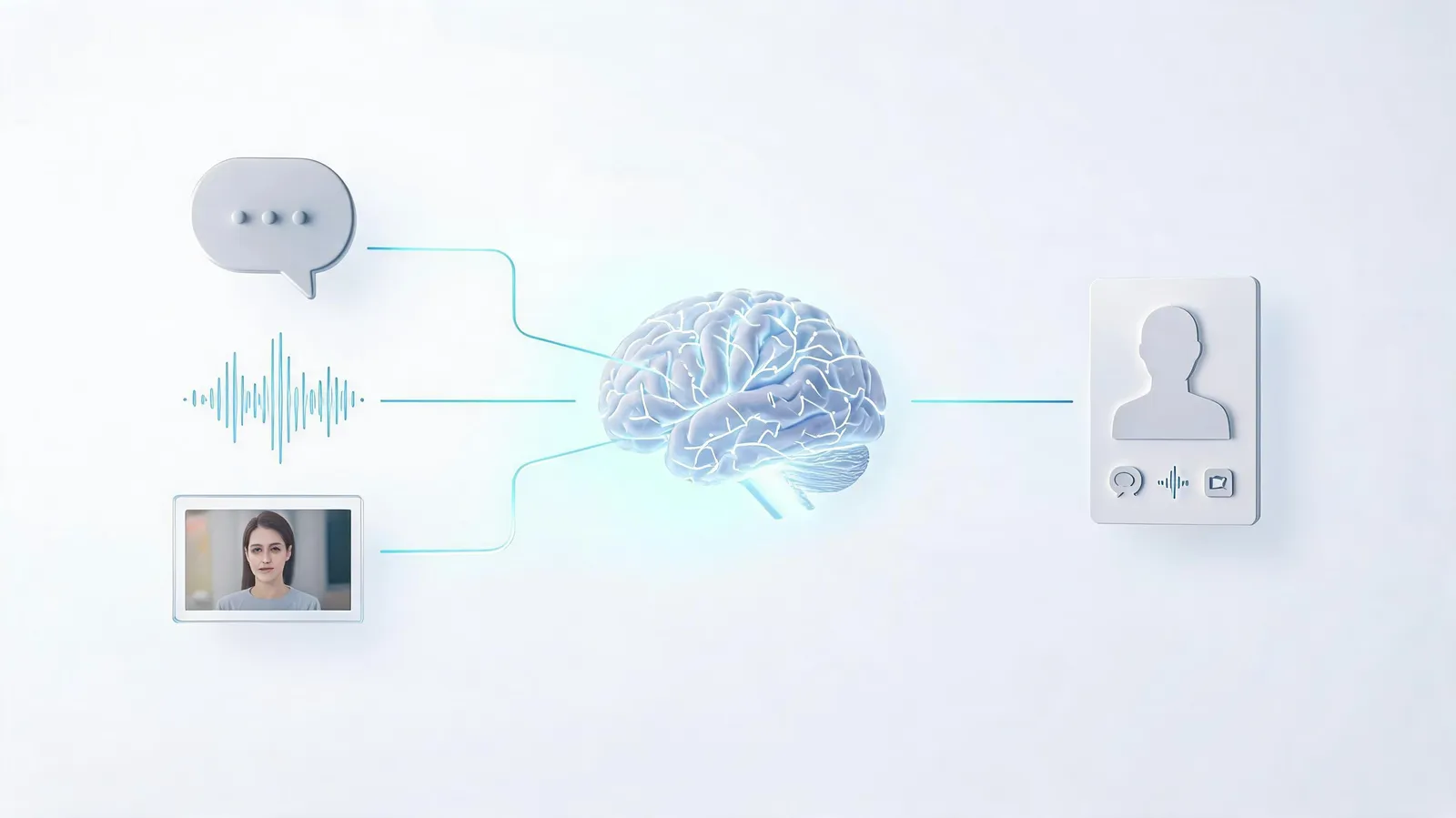
Multimodal AI combines text, voice, and video data to form a complete picture of the audience. Rather than looking at each channel separately, cross-modal models link signals—for instance, a customer's frustrated tone in a call-center recording with a negative product review—to reveal insights that would otherwise stay hidden.
A US retailer, for example, used multimodal AI to examine video testimonials, chat logs, and voice surveys. The analysis surfaced a pain point that had gone unnoticed: older customers found the mobile app's checkout process confusing. After the flow was redesigned, churn fell by 18% and engagement increased by 27%.
Cross-modal models also sharpen personalization. Gartner predicts that by 2030 multimodal AI will raise personalization accuracy by 40%, helping brands craft messages that connect on both rational and emotional levels.
Emotion AI and Targeting That Responds to Feelings
Emotion AI identifies and interprets human emotions from facial expressions, voice tone, and text. When tied to targeting, it lets ads adjust in real time according to how a viewer seems to feel.
Picture a streaming service that shows one ad to a viewer who looks bored and a different ad to one who appears engaged. A 2024 US study found that emotion-aware ads achieved a 34% higher click-through rate than static creatives.
Yet emotion AI brings serious ethical and privacy questions. The EU's AI Act labels emotion recognition as high-risk, so strict transparency and consent are required. In the US, state laws such as Illinois' BIPA and California's CCPA add further safeguards. Recommended practices include getting explicit opt-in, anonymizing emotional data, and offering a clear value exchange.
Regulation and Society in 2030
By 2030, the rules governing AI audience insights will be clearer. The EU AI Act will be fully in force, and US federal privacy legislation may at last take shape. Companies will have to work through a mix of state laws, from Colorado's AI Act to Texas' data privacy rules.
Public acceptance will depend on trust. A 2025 Pew Research survey found that only 32% of Americans trust AI to handle their personal data ethically. Brands that put ethical AI design first—through transparent data practices and user control—will gain an advantage. Patagonia, for instance, started an AI-driven audience insights program that explicitly opted users in and gave a share of ad revenue to environmental causes, raising its trust scores by 45%.
Conclusion
AI audience insights are heading toward autonomy, multimodal analysis, and emotional intelligence. Agentic AI will carry out research without human prompting, multimodal models will bring text, voice, and video together for richer segmentation, and emotion AI will make empathetic targeting possible. Even so, regulation and public trust will decide which companies succeed. By 2030, the most successful US brands will be those that pair innovation with ethical frameworks, turning audience insights into an ongoing, empathetic conversation rather than a one-way extraction of data.