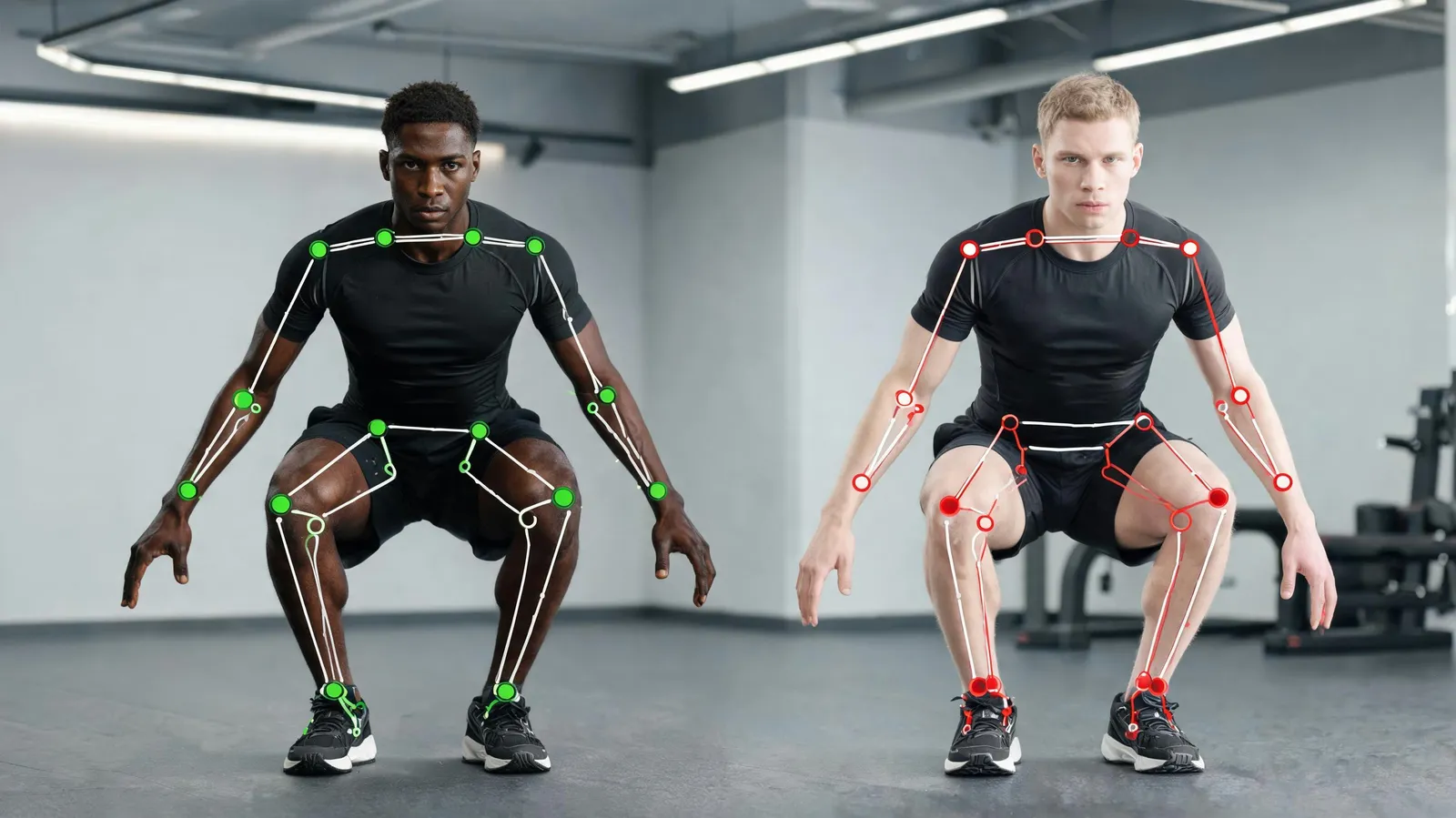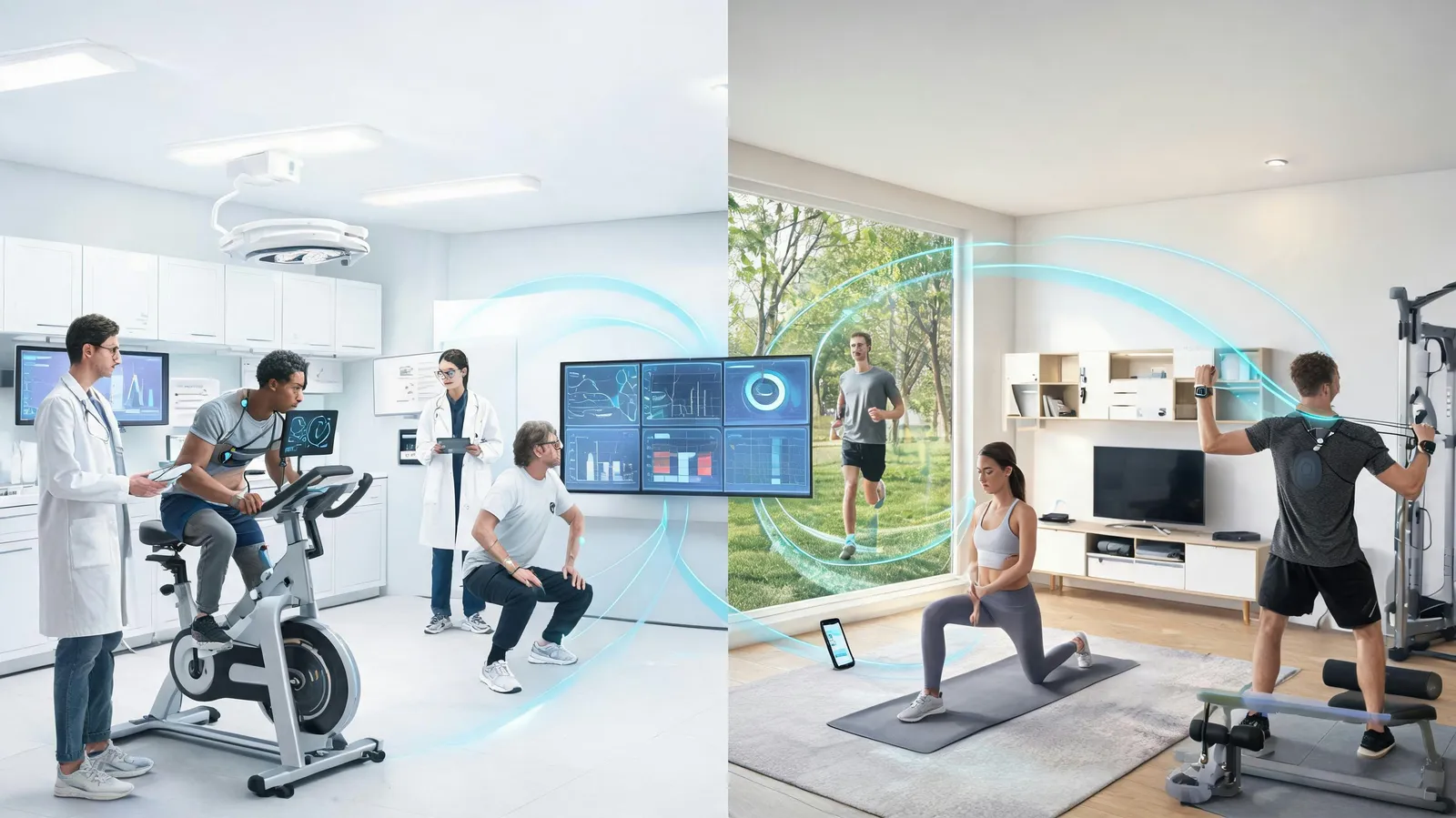
Conditions such as heart failure, diabetes, and COPD affect millions of Americans, adding to healthcare spending while diminishing everyday quality of life. Conventional chronic care is built around occasional clinic appointments, which leaves long stretches without monitoring and delays intervention when something changes. Technology-enabled progress tracking has become a practical response, using connected tools to supply ongoing, evidence-based insight into how a patient is doing. The discussion below covers four areas: wearable-based remote monitoring, algorithmic forecasting of disease trajectories, adherence support and behavioral prompts, and data protection under HIPAA. Each area includes research-backed examples and implications for clinicians, technology professionals, and patients.
Wearable Remote Monitoring: A Steadier Stream of Health Data
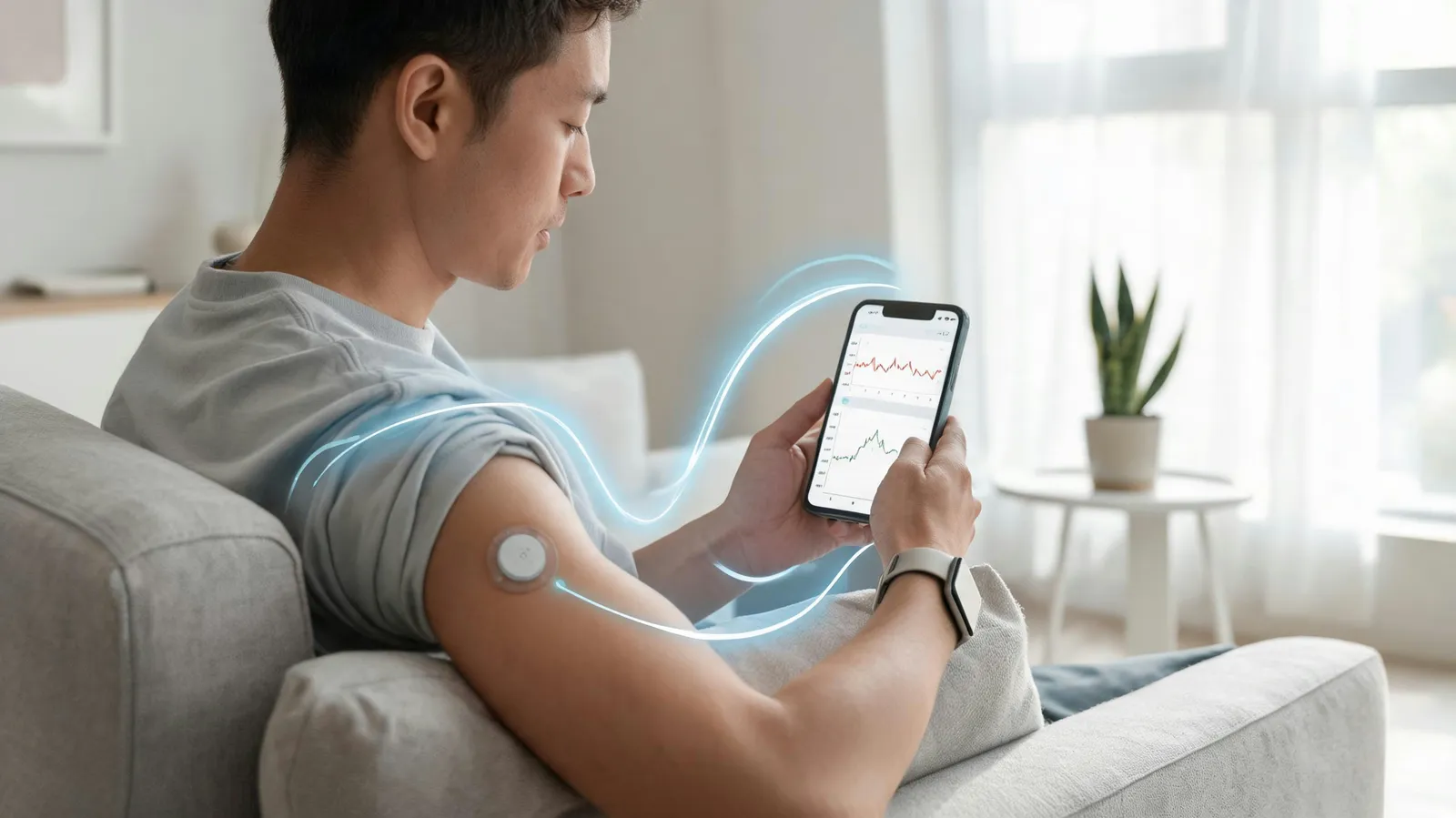
Wearables have moved well past simple step counting and now include devices with medical-grade capabilities. Modern smartwatches and continuous glucose monitors (CGMs) capture heart rate, blood glucose, sleep, and activity, producing ongoing data that gives a fuller picture of a patient's condition. With this kind of continuous tracking, clinicians can spot small shifts before they turn into emergencies.
Research shows that remote patient monitoring (RPM) lowers hospital readmissions among heart failure patients by 20–30%. Smartwatches with atrial fibrillation detection algorithms, for example, have flagged irregular rhythms in people without symptoms, leading to earlier anticoagulation treatment. CGMs likewise deliver glucose readings in real time, which helps diabetes patients steer clear of hypoglycemic and hyperglycemic episodes. Combined with telehealth platforms, these data support timely action—adjusting medication or offering lifestyle guidance—without an in-person appointment.
One large U.S. health system's experience with remote hypertension monitoring showed markedly improved blood pressure control and fewer emergency department visits, which translated into meaningful cost savings. As wearables improve in accuracy and become more affordable, their place in chronic disease management is likely to keep growing.
Algorithmic Forecasting of Disease Progression: Anticipating Rather Than Reacting

Artificial intelligence (AI) is changing progress tracking by processing large datasets to forecast how disease will evolve. AI models draw on both historical and real-time inputs—vital signs, laboratory results, and patient-reported outcomes among them—to anticipate exacerbations and suggest actions to take ahead of time. This move from reacting to anticipating matters especially for conditions such as COPD and diabetes.
As one example, AI algorithms have forecast COPD exacerbations with 85% accuracy, allowing earlier intervention that cuts hospitalizations. In diabetes care, AI-generated risk scores help clinicians individualize treatment plans and anticipate hypoglycemic events before they happen. Such personalized insight improves patient outcomes and also helps allocate resources more efficiently. As AI learns from a wider range of patient populations, its predictive capacity is expected to increase, making chronic care more precise and efficient.
Adherence and Behavioral Prompts: The Human Dimension
No technology can compensate for a patient who does not follow the treatment plan. Poor medication adherence is a persistent problem in chronic care, causing worse outcomes and higher costs. Smart reminders and gamified approaches have shown themselves effective at improving adherence. Research indicates that adherence apps can raise medication compliance by 30%, and text-message reminders substantially cut missed doses.
Apps also deliver behavioral prompts that encourage healthier routines. Wearable step-count challenges, for instance, have raised physical activity levels among patients with cardiovascular conditions. Reward programs—such as incentives for taking medication consistently—have improved adherence in hypertension management. These digital tools apply psychological principles to support durable behavior change, so progress tracking becomes as much about keeping patients engaged as about gathering data.
Data Protection and HIPAA Compliance in AI Tracking: Earning Confidence
As health data proliferates, privacy and security questions become more serious. AI-driven progress tracking has to comply with the Health Insurance Portability and Accountability Act (HIPAA), which establishes strict requirements for safeguarding patient information. Breaches can bring substantial fines and reputational harm, which is why strong security measures are essential.
Blockchain technology and sophisticated encryption are among the methods being used to strengthen data security. Blockchain, for example, supports secure, decentralized exchange of health records, preserving data integrity and patient privacy. Research suggests patients are more inclined to trust and use platforms that make security a priority. As AI and IoT devices become more deeply embedded in care, maintaining HIPAA compliance and earning trust will be essential.
Conclusion
Wearables, AI, behavioral prompts, and strong security together are changing how chronic disease is managed. Remote monitoring supplies ongoing insight, AI anticipates and helps prevent exacerbations, adherence tools keep patients involved, and security measures safeguard sensitive information. Combined, these technologies make care more proactive, personalized, and preventive—improving outcomes, lowering costs, and supporting quality of life. As AI and IoT mature, progress tracking in healthcare is likely to become more integrated and more intelligent, with consequences for millions of people living with chronic conditions.