Introduction
AI fitness applications promise personalized coaching, yet their clinical effectiveness remains largely unproven. Despite their popularity, healthcare systems require robust evidence before adoption. This article examines the essential path to clinical validation for AI fitness tools, covering randomized controlled trials (RCTs), standardized metrics, healthcare integration, and bridging the gap between consumer apps and clinical practice.
1. RCTs and Real-World Evidence for AI Fitness Interventions
Overview of Randomized Controlled Trials on AI Fitness Interventions
Randomized controlled trials (RCTs) are the gold standard for establishing causal evidence in clinical research. For AI fitness interventions, RCTs typically compare an AI-driven program against a control condition (e.g., usual care or a non-adaptive app) to measure effects on physical activity, fitness outcomes, and health markers. Examples include trials showing improvements in step counts, adherence to exercise regimens, and glycemic control in prediabetes. However, designing RCTs for adaptive AI is challenging: the intervention evolves over time, making it hard to define a fixed protocol. Researchers must balance scientific rigor with the dynamic nature of AI algorithms.
The Role of Real-World Evidence in Complementing RCTs
Real-world evidence (RWE) complements RCTs by providing insights from diverse populations and settings. RWE from wearables and app usage can reveal patterns of engagement, adherence, and outcomes in everyday life. Case studies demonstrate how RWE identifies subgroups that benefit most and detects safety signals. Methodologies for collecting and analyzing RWE include prospective cohort designs, retrospective database analyses, and advanced analytics. Together, RCTs and RWE form a comprehensive evidence base for AI fitness tools.
2. Standardized Metrics for Evaluating AI Fitness Tools

Current Lack of Standardization and Its Consequences
The absence of standardized metrics leads to variability in outcome measures across studies, making it difficult to compare tools and aggregate evidence. This hinders meta-analyses and slows regulatory and clinical adoption. Consequences include inconsistent claims, inability to benchmark performance, and challenges in demonstrating value to payers.
Proposed Frameworks for Standardized Evaluation
Initiatives like the Digital Health Measurement Collaborative (DHMC) aim to develop standardized evaluation frameworks. Key metrics include engagement (e.g., frequency of use), adherence (completion of prescribed activities), health outcomes (e.g., changes in physical activity, biomarkers), safety (adverse events), and equity (access and outcomes across populations). Standardization enables fair comparisons, accelerates validation, and builds trust among clinicians and regulators.
3. Integration of AI Fitness Tools into Healthcare Systems
Barriers to Integration: Interoperability, Data Privacy, Clinician Acceptance
Integration faces barriers: lack of interoperability with electronic health records (EHR) can lead to failed implementations; data privacy concerns require robust security and consent frameworks; clinician acceptance depends on trust, usability, and evidence of benefit. Survey data indicate that clinicians are cautiously optimistic but demand clear evidence and workflow integration.
Successful Integration Models and Best Practices
Successful models include healthcare systems incorporating AI fitness into chronic disease management, with data flowing to EHRs and clinicians. Best practices involve ensuring data security, obtaining patient consent, and providing clinician training. Case studies highlight improved patient engagement and outcomes when tools are integrated thoughtfully.
4. Bridging the Gap Between Consumer Apps and Clinical Practice
Differences Between Consumer and Clinical Requirements
Consumer apps focus on engagement and user experience, while clinical tools prioritize efficacy, safety, and regulatory compliance. Regulatory pathways (e.g., FDA clearance) require evidence of safety and effectiveness. Bridging the gap requires understanding these divergent priorities.
Strategies for Bridging the Gap: Collaboration, Evidence Generation, and Regulation
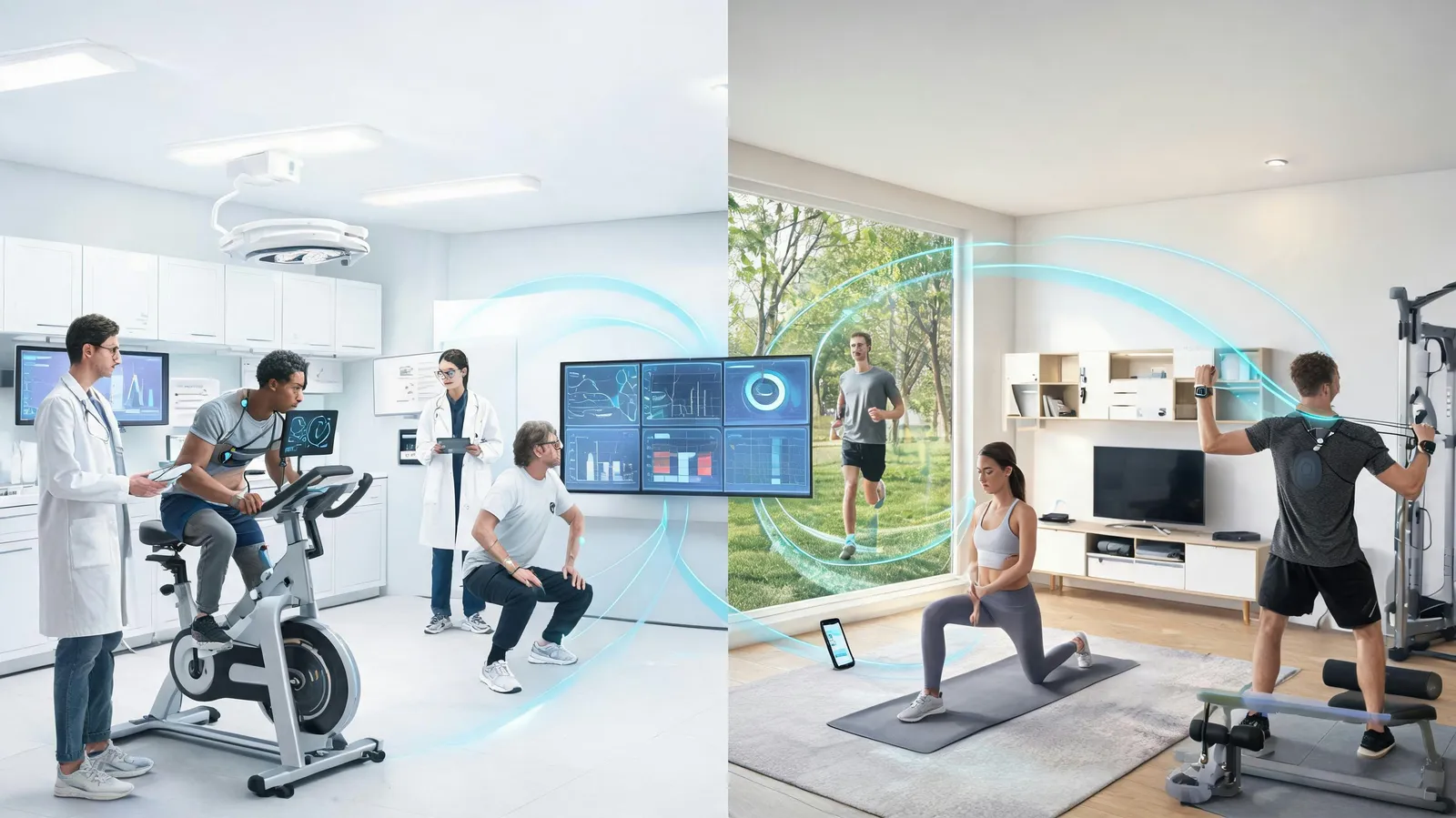
Strategies include partnerships between tech companies and healthcare providers to generate evidence, pragmatic trials and adaptive designs to evaluate real-world effectiveness, and regulatory frameworks that accommodate AI's iterative nature. Collaboration among stakeholders is essential to move from consumer-grade apps to clinically validated tools.
Conclusion
Clinical validation is essential for trust, adoption, and improved patient outcomes. The path forward requires rigorous RCTs and RWE, standardized metrics, thoughtful integration into healthcare systems, and collaboration to bridge the consumer-clinical gap. As AI fitness tools evolve, they hold potential to become integral to personalized medicine and preventive healthcare.