Introduction
Unhealthy eating ranks among the top contributors to global mortality, linked to millions of deaths each year from non-communicable diseases including cardiovascular conditions, diabetes, and some cancers. Conventional nutrition advice, however, tends to offer broad recommendations that overlook variations in genetics, metabolism, and lifestyle. Such uniform guidance often results in low adherence and disappointing outcomes.
Artificial intelligence (AI) is stepping in as a potential game-changer, capable of processing large datasets to provide tailored dietary recommendations on a wide scale. Smartphone applications can now identify foods from photographs, while algorithms use genetic and microbiome information to forecast how individuals respond to different foods. This article explores major developments in AI-driven nutrition—computer vision for food identification, personalized advice based on genetic data, AI chatbots for behavior change, and the ethical issues that should shape responsible implementation.
1. Computer Vision for Food Recognition and Calorie Estimation
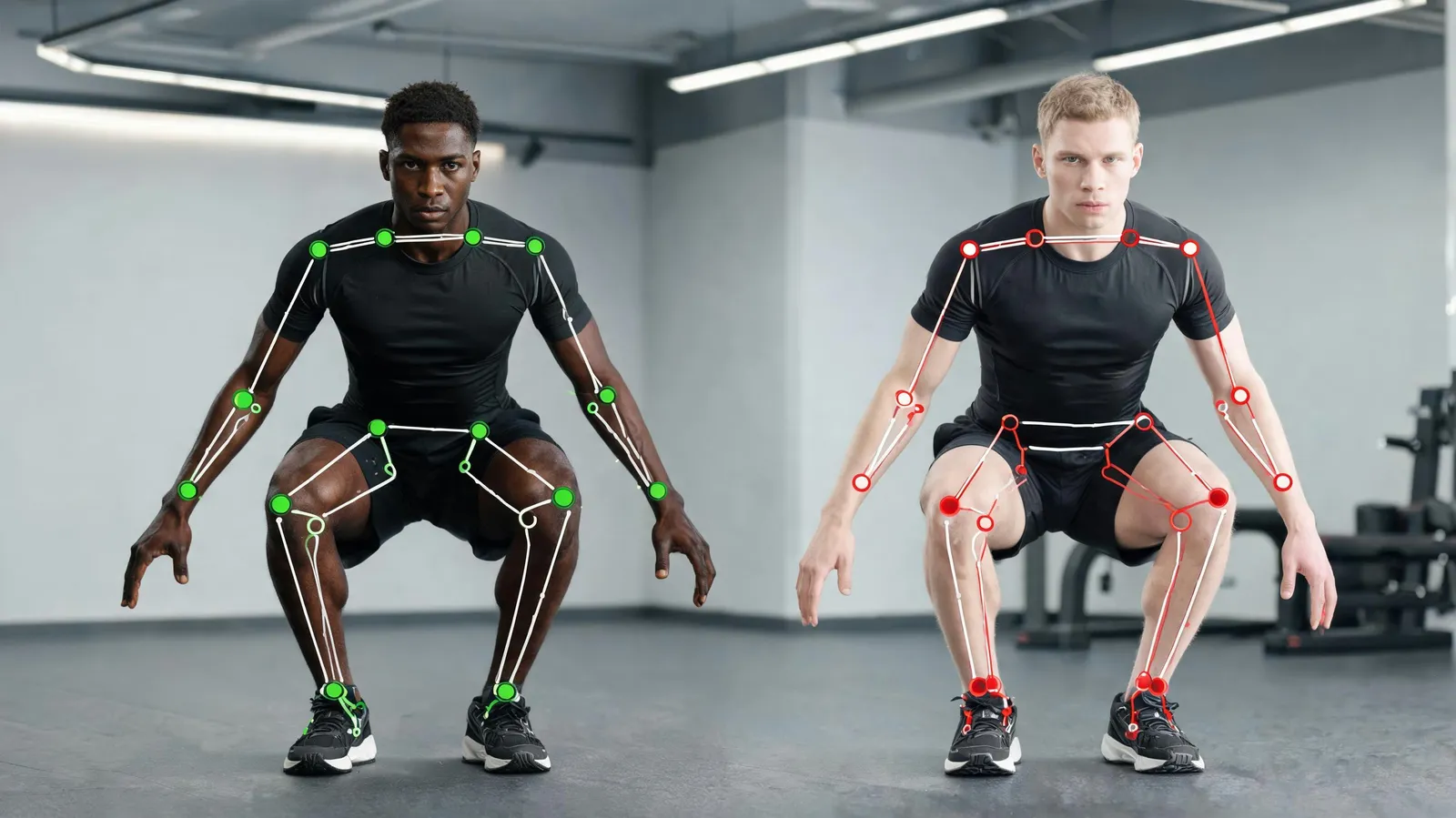
Computer vision, an AI domain that trains machines to interpret visual input, is transforming dietary monitoring by automating food identification and calorie counting. Deep learning models now allow smartphones to recognize food items from images with high accuracy, including complex mixed dishes. A study in Nutrients, for instance, reported that a convolutional neural network exceeded 85% accuracy in detecting multiple foods within a single image, easing the effort of manual logging.
AI can go beyond recognition to estimate portion sizes and nutrient content by examining visual cues like plate dimensions and food volume. This technology is already built into popular weight management apps such as Lose It! and MyFitnessPal, which leverage AI to streamline calorie tracking. A comparative analysis found that AI-generated estimates fell within 10–15% of dietitian assessments, showing practical value for daily use.
2. Personalized Nutrition Recommendations Using AI and Genetic Data
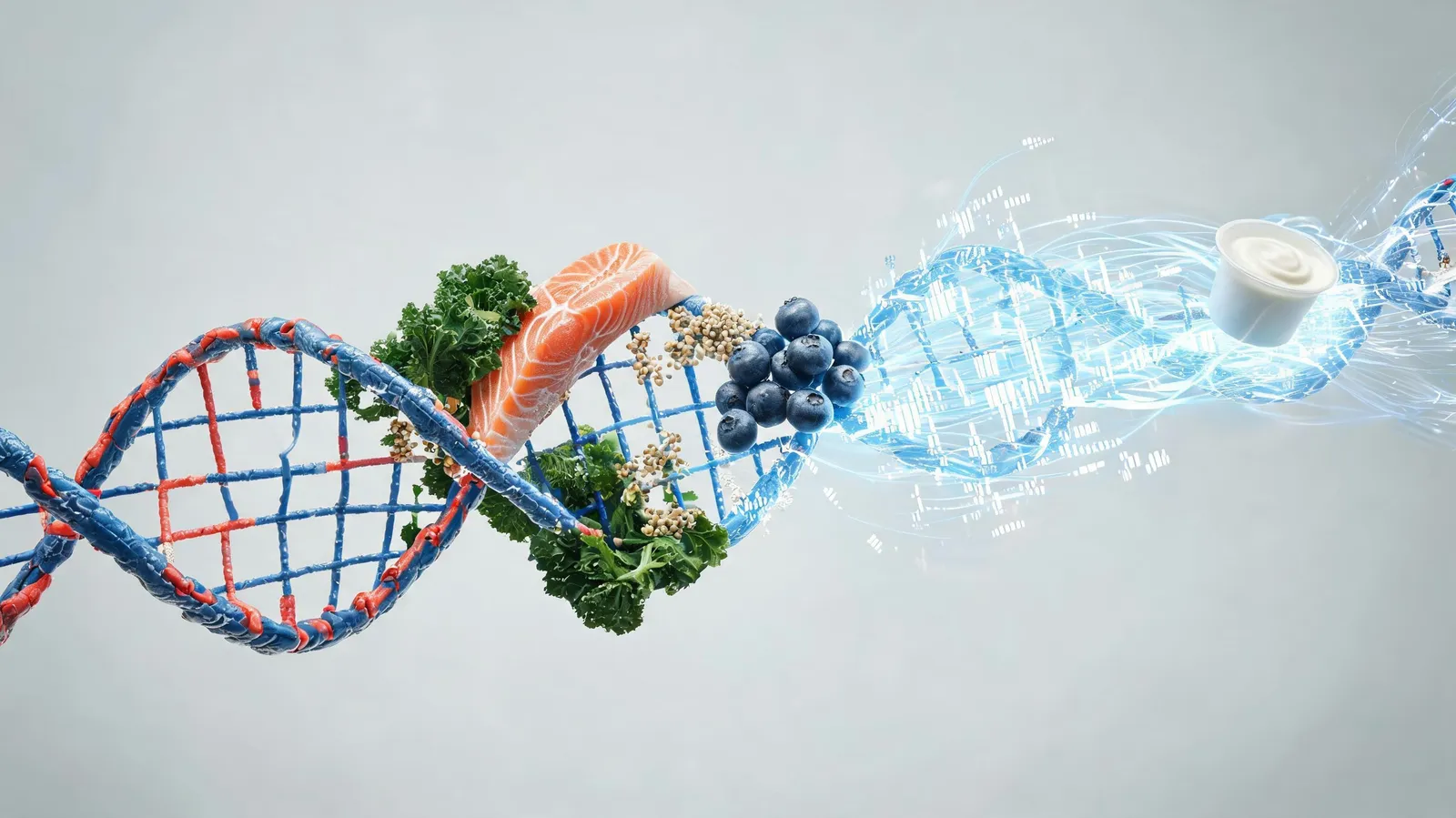
Personalized nutrition adapts dietary guidance to an individual's genetic profile, microbiome composition, and lifestyle. AI combines these varied data sources to produce recommendations that are more likely to be effective and followed. Nutrigenomics—the study of how genes influence nutrient metabolism—can, for example, guide advice on caffeine consumption (based on CYP1A2 gene variants) or lactose intolerance (LCT gene). Companies such as Nutrigenomix and DNAfit provide genetic-based diet plans, and research suggests that personalized advice improves adherence and outcomes relative to generic guidelines.
Machine learning models are also being applied to predict individual glycemic responses to foods. Work at the Weizmann Institute of Science showed that an algorithm analyzing gut microbiome and blood parameters could forecast postprandial glucose levels more accurately than traditional methods, allowing personalized meal plans for better blood sugar management. This approach shows promise for diabetes and metabolic syndrome management.
3. AI Chatbots for Dietary Adherence and Behavior Change
Sustaining healthy eating habits demands continuous support and motivation, which AI chatbots can deliver via real-time coaching and reminders. Conversational agents using natural language processing can emulate motivational interviewing, set goals, and provide encouragement. A randomized controlled trial in the Journal of Medical Internet Research found that users engaging with an AI chatbot experienced significantly greater weight loss and improved dietary adherence compared with a control group.
These chatbots incorporate behavior change techniques such as self-monitoring, goal setting, and feedback. The app Noom, for example, uses AI to offer personalized coaching and has shown effectiveness in supporting sustainable weight loss. User engagement data indicate high satisfaction, with many users valuing the 24/7 availability and non-judgmental tone of AI coaches.
4. Ethical Concerns in AI-Driven Nutrition Advice
Applying AI to nutrition brings up serious ethical issues, especially around data privacy and algorithmic bias. Health data is extremely sensitive, and breaches could have grave consequences. Regulations such as GDPR and HIPAA set strict data handling requirements, but compliance differs worldwide. Developers need to apply strong encryption and anonymization methods to safeguard user information.
Algorithmic bias is another major concern. When training data mainly represents certain demographic groups, AI models may underperform for underrepresented populations, widening health disparities. For example, food recognition algorithms trained largely on Western diets might not accurately identify foods common in Asian or African cuisines. Approaches for more inclusive AI development include diverse training datasets, transparent model documentation, and participatory design with affected communities.
Conclusion
AI is transforming nutrition by making personalized dietary guidance feasible on a large scale, something previously unattainable. From computer vision that automates food logging to genetic-based recommendations and behavioral chatbots, these technologies provide powerful means to improve public health and reduce diet-related diseases. Nevertheless, ethical vigilance is essential. Protecting data privacy, reducing algorithmic bias, and advancing health equity must be at the core of AI development. As AI becomes integrated with wearables and genomics, the future of nutrition holds the promise of even more precise and effective guidance—if we thoughtfully address the ethical challenges.