Fusing Multiple Data Streams to See the Whole System
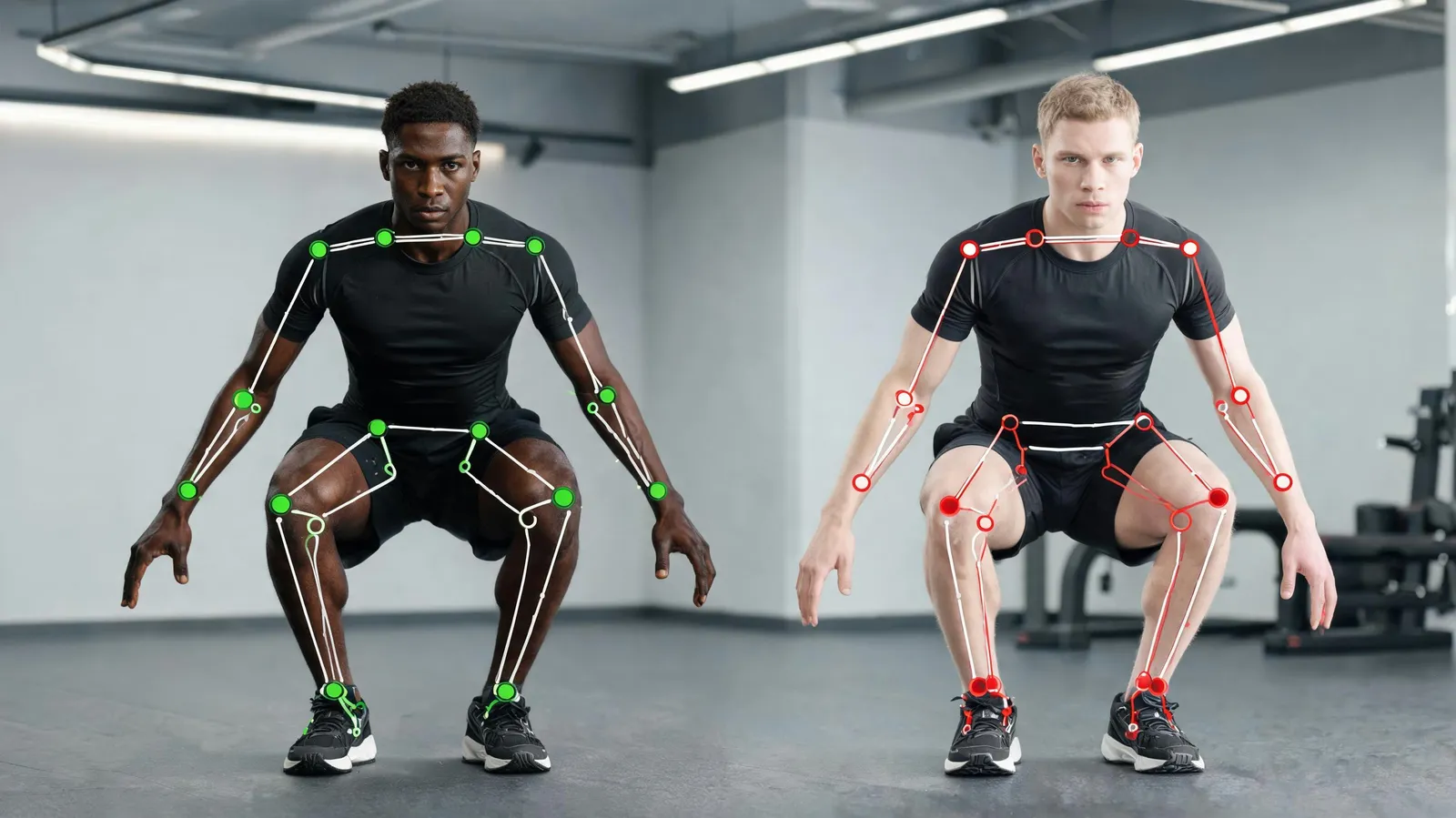
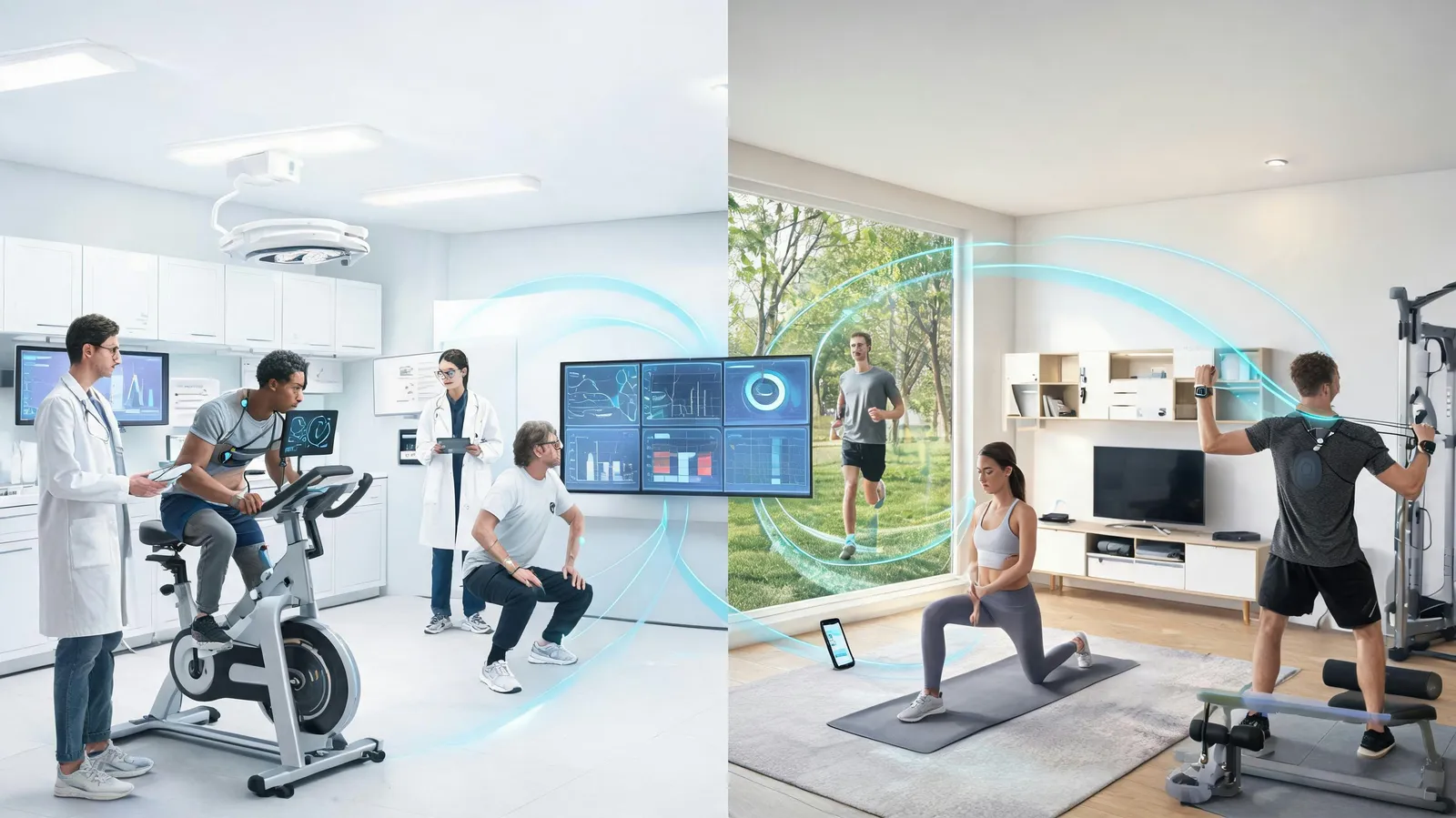
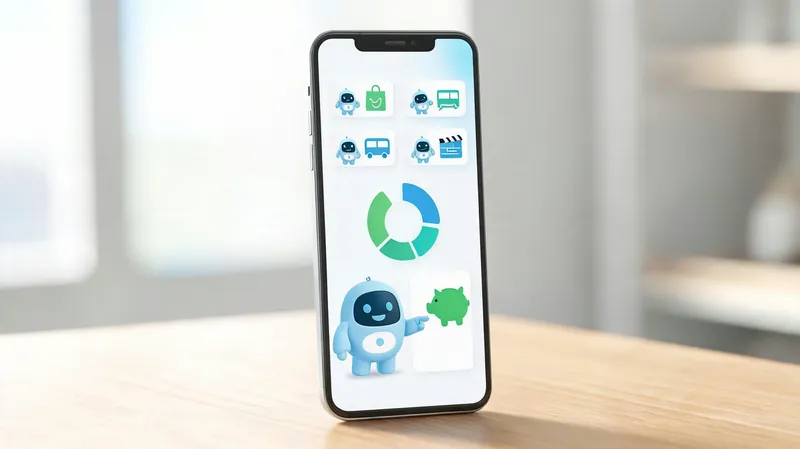
No single number can capture how a modern AI system is doing. Such systems take in images, text, audio, and sensor readings, and their real behavior only emerges when those inputs are considered together. By merging heterogeneous signals into one shared representation, multimodal sensing and data fusion offer a fuller account of both behavior and progress.
Take autonomous systems: cameras, LiDAR, radar, and microphones stream data continuously. When those streams are fused, the system can be assessed not only on how well it detects objects but also on its contextual understanding and the quality of its decisions. Healthcare AI gains in a similar way—pairing medical imaging with electronic health records and live patient monitoring produces a richer view of diagnostic improvement and patient outcomes.
Depending on the task, research indicates that multimodal fusion can raise accuracy by 10–30% relative to approaches relying on a single modality. Synchronization, alignment, and fusion algorithms, however, remain difficult. Early fusion, which combines raw data, and late fusion, which combines decisions, each carry trade-offs in noise reduction and computational cost. Case studies suggest late fusion tends to do better in noisy settings, whereas early fusion has the edge when modalities are strongly correlated.
Explanation Techniques as a Tool for Credible Assessment
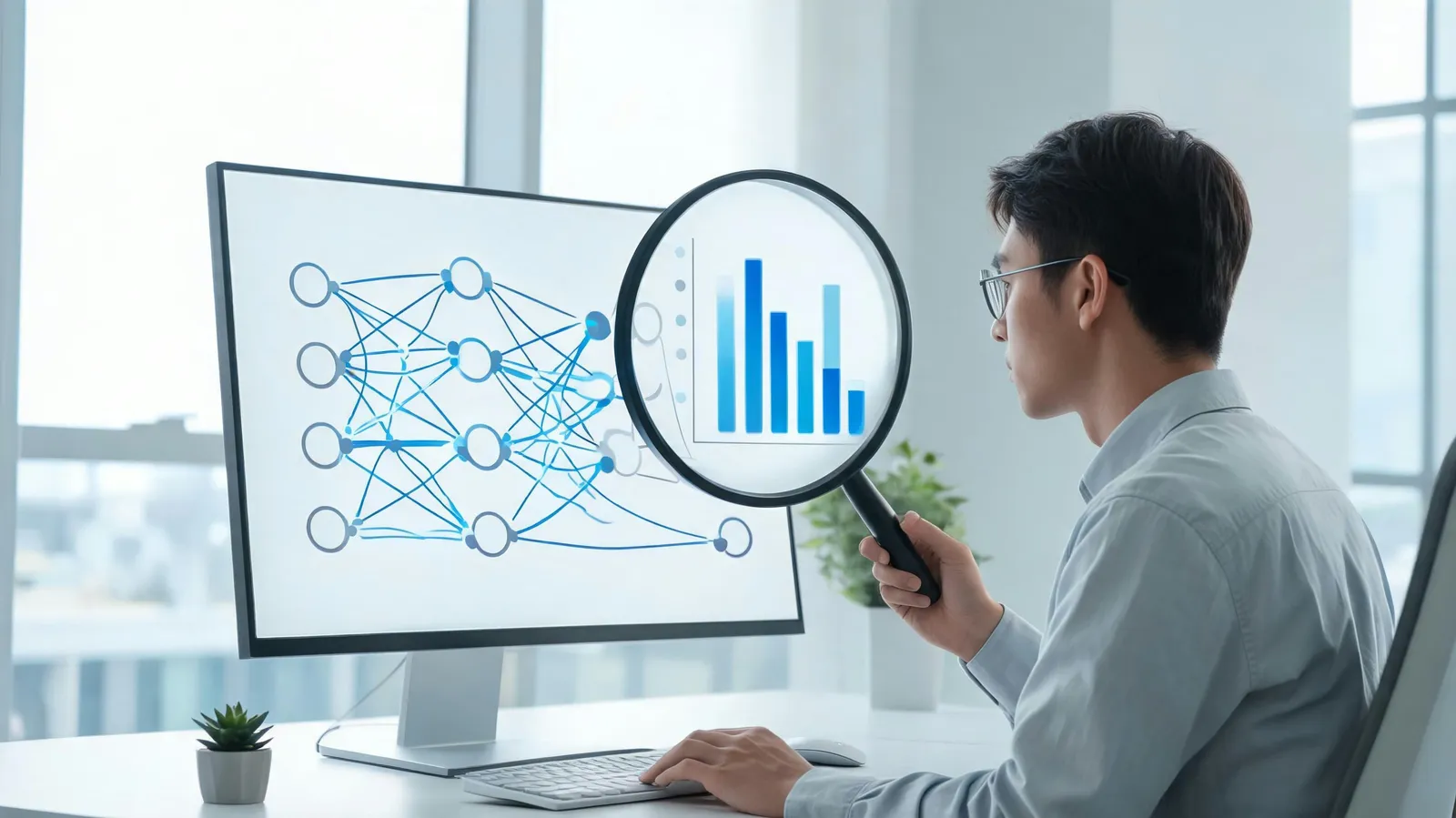
As AI systems take on decisions with greater consequences, being able to explain their behavior becomes central to judging progress. Methods such as SHAP, LIME, and attention maps reveal why a model produced a given prediction, letting developers and stakeholders judge whether improvement is substantive or only surface-level.
Clinicians can use such explanations to make sense of AI-assisted diagnoses, which builds trust and points to where fixes are needed. In finance, regulators expect credit decisions to be justified, so explainability has become a compliance requirement. User studies indicate that trust rises markedly when explanations are offered, even where model accuracy does not change.
Accuracy and interpretability do, however, trade off against each other. Deep neural networks and similar complex models often reach higher accuracy at the cost of being harder to explain. Regulatory regimes—the EU AI Act among them—are starting to require transparency, which pushes researchers toward methods that balance the two. Progress tracking therefore needs to include interpretability measures, not just conventional performance indicators.
Moving Analytics to the Edge for Immediate Feedback
Cloud-based progress tracking brings latency and consumes bandwidth, which makes it a poor fit for applications where timing matters. Edge computing puts analytics on local devices—autonomous vehicles, industrial IoT sensors, smartphones—so monitoring and feedback can happen in real time.
For autonomous driving, edge-based tracking can flag anomalies in perception or decision-making within milliseconds, opening the door to fast intervention. Industrial IoT deployments see less downtime and better safety. Latency comparisons show edge processing can cut response times from hundreds of milliseconds to under 10 milliseconds—a difference that matters greatly in many situations.
Resource limits still apply at the edge: constrained compute, memory, and energy. Model pruning, quantization, and knowledge distillation help adapt models to edge devices. New edge hardware, including NPUs and TPUs, keeps widening what is feasible, so real-time tracking of AI progress becomes possible even in remote or offline settings.
Standards and Interoperability: The Work of Building a Shared Ecosystem
Technological progress notwithstanding, AI progress tracking is still fragmented. Systems rely on proprietary protocols, data formats, and metrics, which gets in the way of integration and comparison. Common interoperability standards are needed for a unified ecosystem in which progress can be followed across platforms, organizations, and domains.
Efforts such as MLCommons and the Open Neural Network Exchange (ONNX) work toward standardized benchmarking and model exchange. In healthcare, FHIR and similar standards support interoperability between clinical AI systems. In manufacturing, OPC UA supplies a common framework for industrial data. Case studies indicate that standardization improves reproducibility, speeds collaboration, and lowers integration costs.
Adoption nevertheless moves slowly, held back by competing interests and legacy systems. Those tracking progress should therefore support open standards and take part in consortia that push toward convergence. The gains—faster innovation, better benchmarking, more dependable assessment of progress—outweigh the difficulties.
Conclusion: Where Progress Tracking Is Headed
The next stage of AI progress tracking draws on multimodal sensing, explainable AI, edge computing, and interoperability at once. Combined, these pillars make it possible to track evolving AI systems in a trustworthy, real-time, and scalable way. Fusion captures the full picture, explanation methods open the black box, edge computing supplies speed and efficiency, and standards enable integration and comparison.
As these technologies mature, progress tracking systems can be expected to monitor, explain, and optimize AI performance continuously with little human involvement. Emerging standards will speed this shift, supporting a global ecosystem in which AI progress is transparent, measurable, and consistent with human values. Organizations that adopt these foundations now will be better placed to lead as AI becomes more accountable and more advanced.