Vision Systems That Never Tire: Precision Technique Analysis
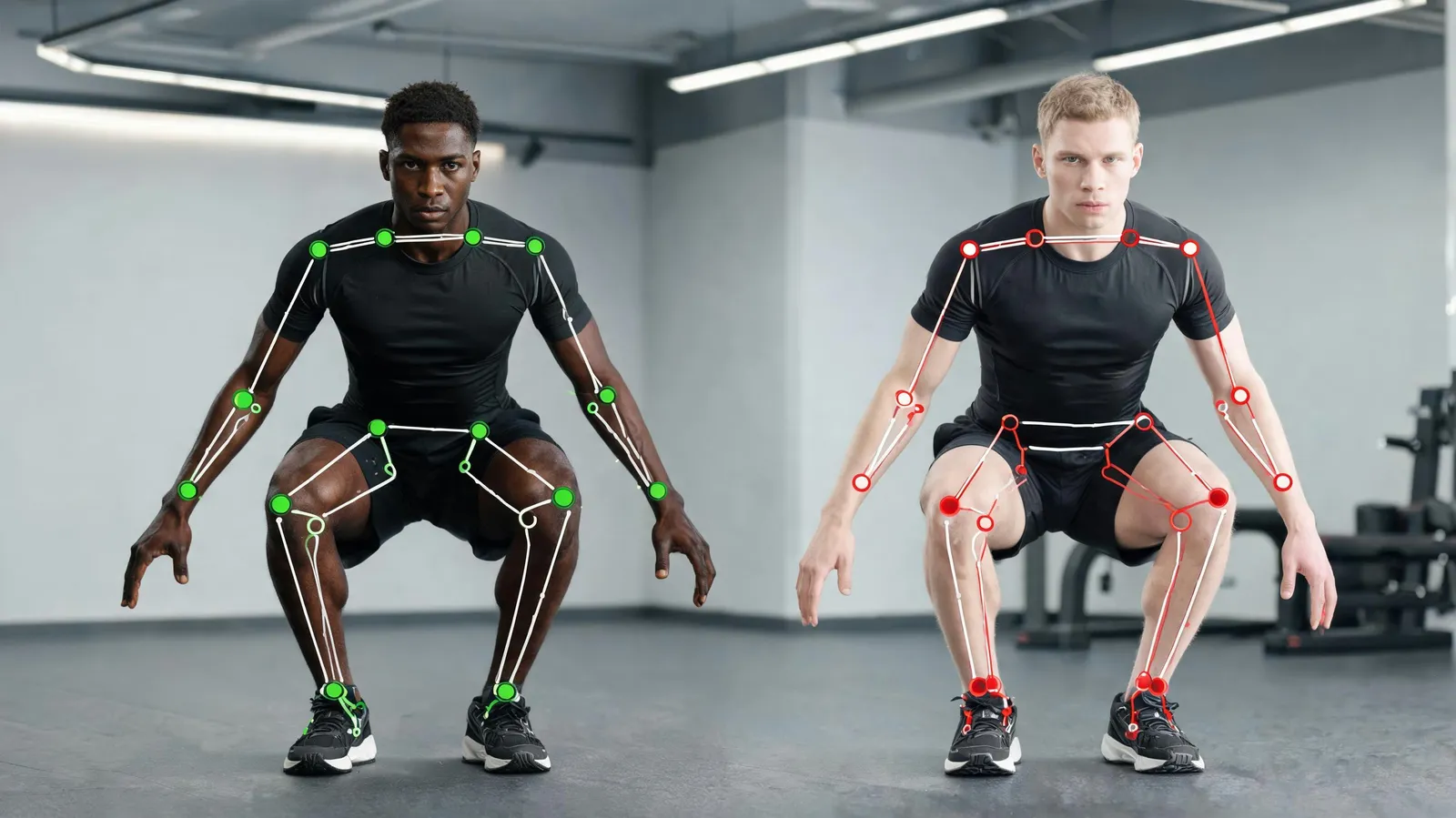
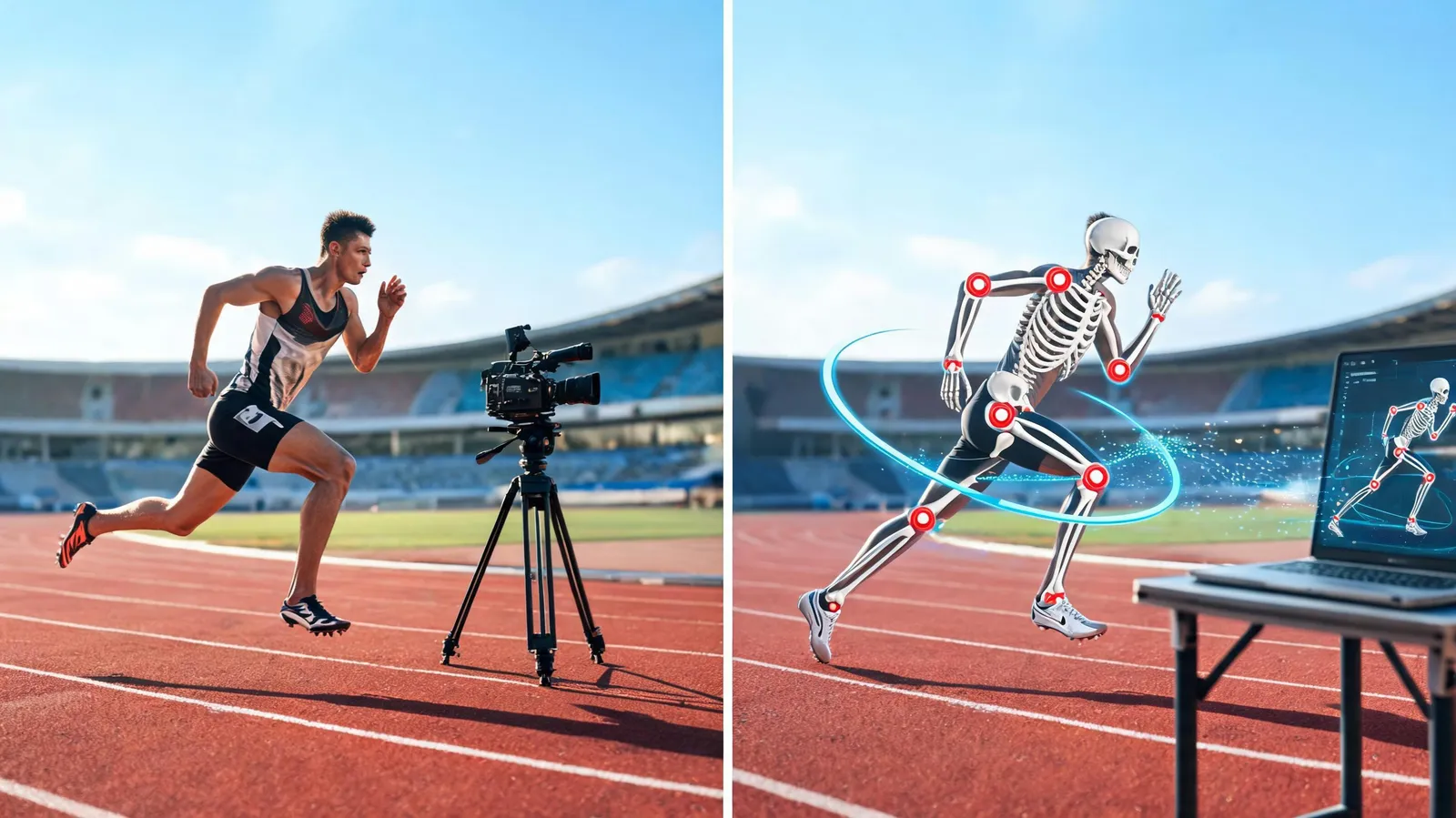
Human observers have limits; camera-based systems do not. By processing every frame of an athlete’s motion, computer vision extracts detailed biomechanical measures that were once confined to costly motion-capture studios. Markerless capture with ordinary cameras is now making elite-level analysis accessible. A golf swing, for instance, can be resolved into three-dimensional joint angles, exposing small inefficiencies that sap power or raise injury risk. Research reported in the Journal of Sports Sciences indicated that athletes given computer-vision feedback on their sprint starts improved acceleration by as much as 5% over six weeks. Such systems deliver automated, near-instant feedback on movement mechanics, enabling coaches to adjust form on the spot. In track and field, applying computer vision to sprint starts has produced measurable gains in reaction time and force output. Data flows from cameras to laptops, giving practitioners insights that were previously out of reach.
Forecasting Breakdowns: Injury Risk and Workload Management
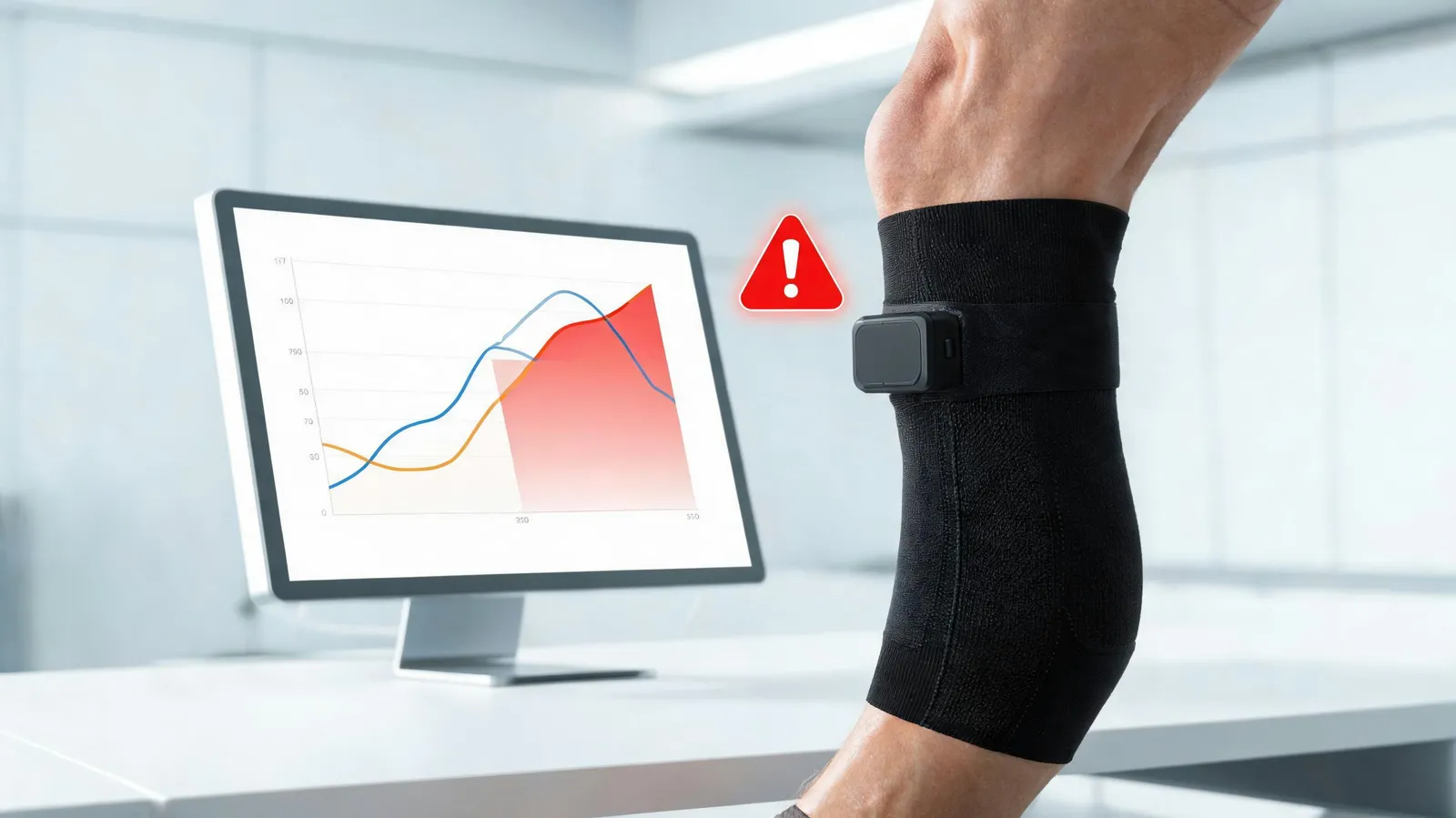
Career-threatening injuries are a constant concern, but can they be anticipated? Wearable sensors that track acute versus chronic load are changing prevention practice. Studies link sharp workload increases—especially when acute load crosses a certain threshold relative to chronic load—to higher injury rates. In soccer, for example, workload monitoring has been associated with up to a 30% reduction in ACL injury risk in some studies. Machine-learning models trained on GPS and accelerometer data are now being used to predict non-contact injuries. A case study on hamstring strains in NFL players applied machine learning to movement patterns and workload data and reached 75% accuracy in predicting strains up to a week ahead. Coaches can then modify training loads, add recovery sessions, and keep athletes available. The dashboard infographic below shows how acute and chronic workload are tracked, with a red warning zone when risk rises.
Instant Cues for Motor Learning: Skill Acquisition at Data Speed
Motor learning speeds up when feedback is immediate and precise. Augmented reality (AR) and haptic devices are now used to correct technique in real time. Consider a basketball player wearing AR glasses that overlay a virtual arc and target on the hoop; during a shot, the glasses give visual cues while a wrist band vibrates at the ideal release point. A study on archery aiming with AR goggles found that novices reached expert-level accuracy 40% faster than those trained with conventional methods. Biofeedback and neurofeedback are also being explored for regulating arousal. By tracking heart rate variability (HRV), athletes can learn to manage focus and anxiety. In one case study on free-throw shooting under pressure, players using HRV biofeedback improved accuracy by 15% in high-stakes situations. This real-time feedback loop is changing how skills are acquired, making practice more efficient.
Who Owns the Data? Privacy and Governance in Athlete Analytics
As performance analytics spreads, data ownership and athlete privacy raise pressing questions. Who holds the biometric data gathered by wearables? How can it be used without intruding on privacy? Legal frameworks such as the GDPR in Europe have set data-protection precedents, but their application in sport is still developing. Disputes have arisen when athletes felt their data was used without proper consent. In professional leagues, policies on sharing wearable data vary widely: some allow teams to collect and use data freely, while others require player consent and restrict sharing with third parties. Balancing performance gains against personal privacy is a delicate matter. Transparent data governance is essential. Recommendations include clear consent forms, anonymization, and giving athletes control over who can access their information. An ethical playbook for athlete data is not merely advisable—it is necessary.
Conclusion: An Integrated Path for Athlete Development
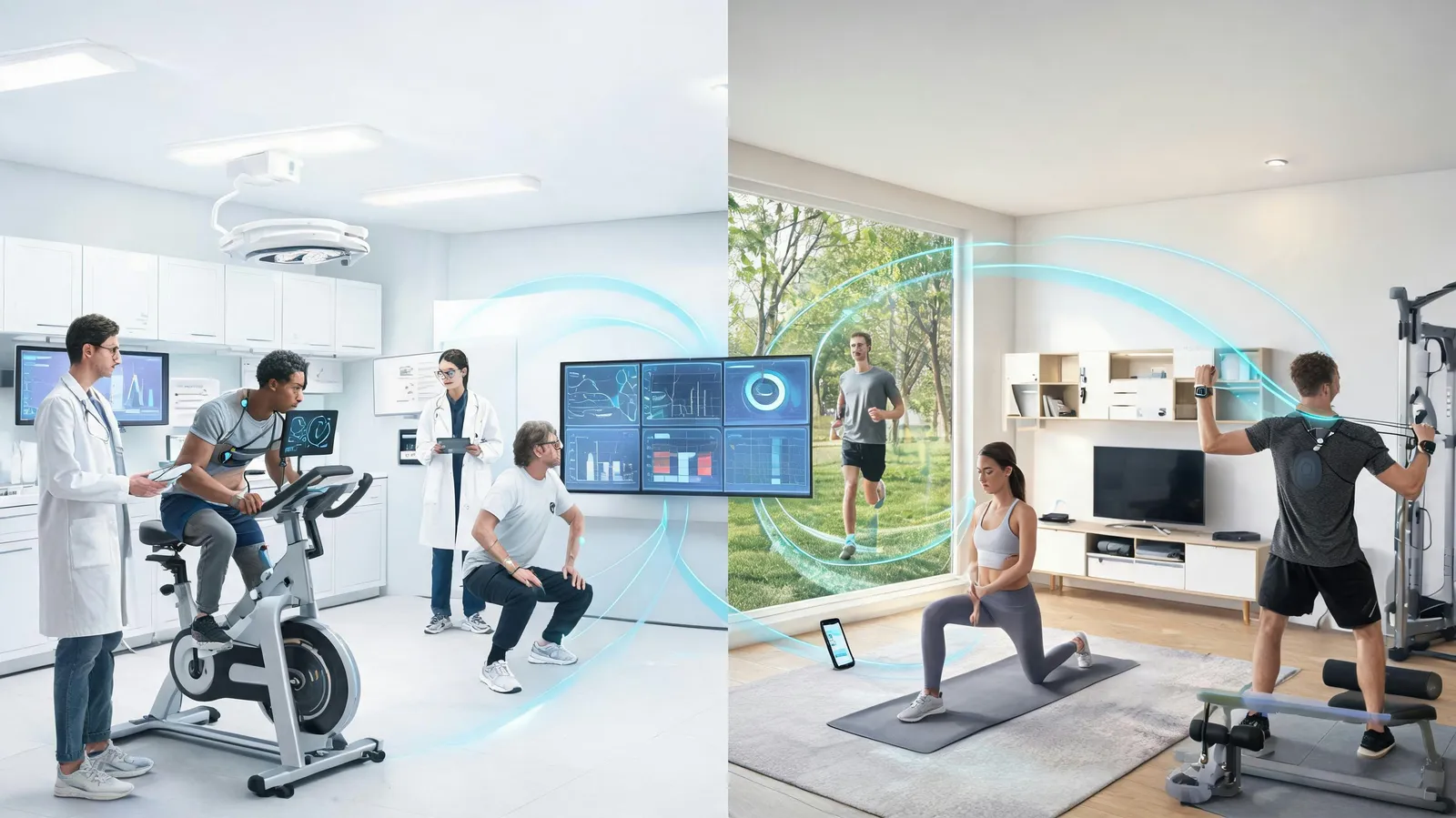
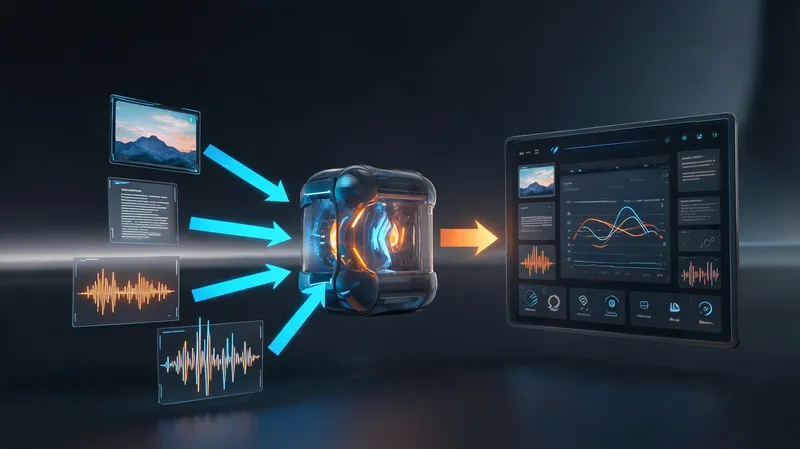
The four pillars of sports performance analytics—computer vision, injury risk prediction, real-time feedback, and ethical data practices—are not separate advances. They connect to form a holistic approach to athlete development. Computer vision supplies the biomechanical base, injury prediction helps keep athletes healthy, real-time feedback speeds learning, and ethical data practices build trust and sustainability. Athlete progress is no longer only physical; it is informed by data and personalized. Looking ahead, AI holds great potential to integrate all data streams into a single 'digital twin' for each athlete. Such a digital twin could simulate training scenarios, forecast injury risk, and optimize performance in ways we are only beginning to imagine. The data-driven athlete is not a distant future—it is here, and it is transforming sports.