From Pantry to Plate: How Smart Tech Cuts Kitchen Waste
Almost one-third of the food produced worldwide is never consumed, and households in the United States account for a substantial share of that loss. The problem goes beyond environmental impact—it also means wasted money and missed chances to make the most of each grocery trip. What if the same kind of intelligence that runs your phone could help you throw away less and cook more efficiently? Artificial intelligence (AI) is already changing how people in the U.S. approach meal planning, cooking, and sharing food. It can propose alternative ingredients and estimate when produce will go bad. Below, we look at practical AI-powered tools and methods that can help you curb food waste, save money, and support a more sustainable food system without giving up flavor or ease.
Smart Ingredient Substitution: Cooking with What You Have
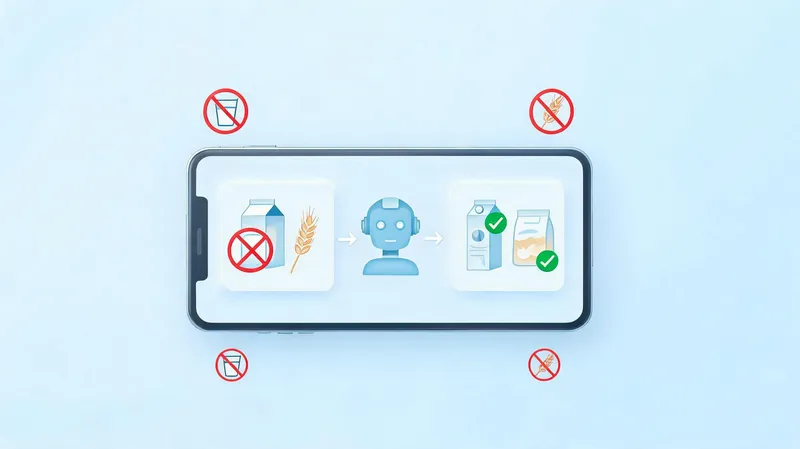
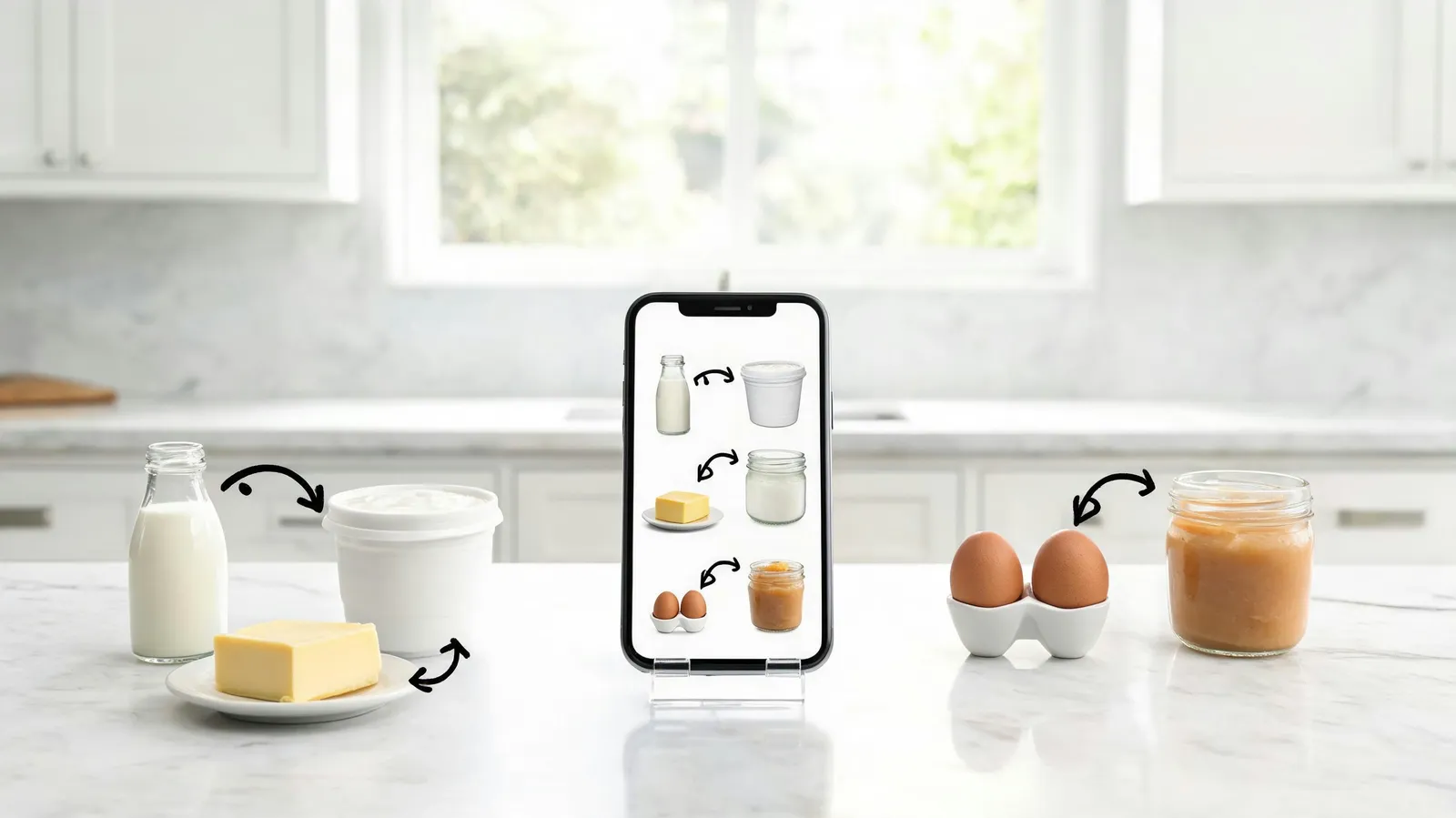
It happens to everyone: you're midway through a recipe and discover a key ingredient is missing. In the past, you might have rushed to the store, but AI-powered substitution tools let you work with what's already in your kitchen. These systems examine the ingredients you have on hand and propose swaps that keep the dish's character intact. For instance, if a recipe needs eggs and you're out, an AI app might suggest applesauce, mashed banana, or flaxseed meal as a binding alternative. That saves a shopping trip and keeps you from buying duplicates that may later spoil. A 2024 study by the Natural Resources Defense Council (NRDC) found that the average American family discards about $1,500 worth of food each year. Users of substitution AI report making 20% fewer shopping trips and reducing food waste by up to 30%. Many apps also account for dietary needs, so whether you're vegan, gluten-free, or managing allergies, the AI adjusts recipes accordingly. PlantJammer, for example, uses AI to recommend plant-based substitutions, helping users cut back on meat and use up leftover vegetables. User testimonials describe how these tools have reduced waste and encouraged creativity in the kitchen, turning leftovers into new meals.
Shelf-Life Estimation and Spoilage Prevention: Knowing When to Eat

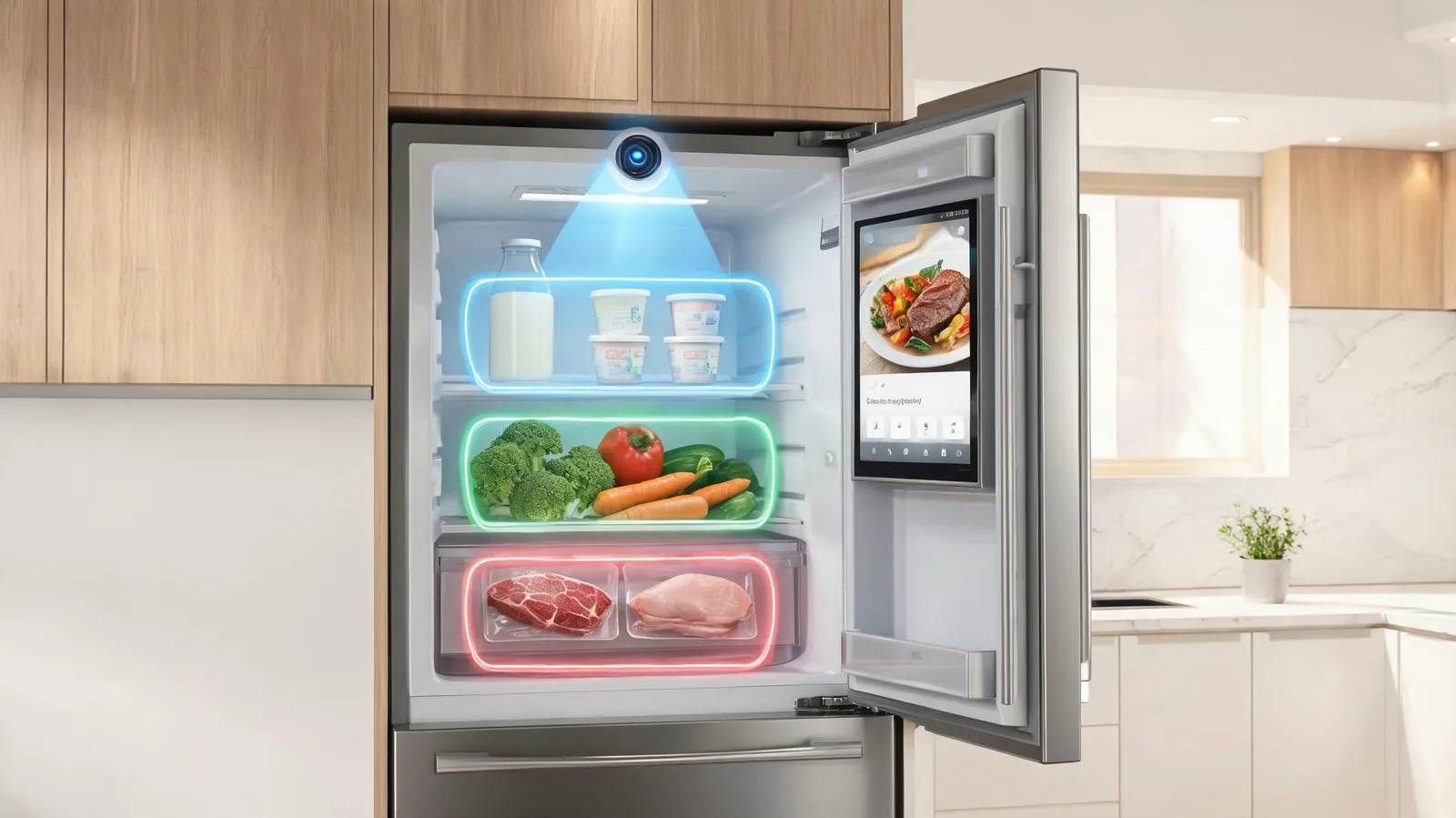
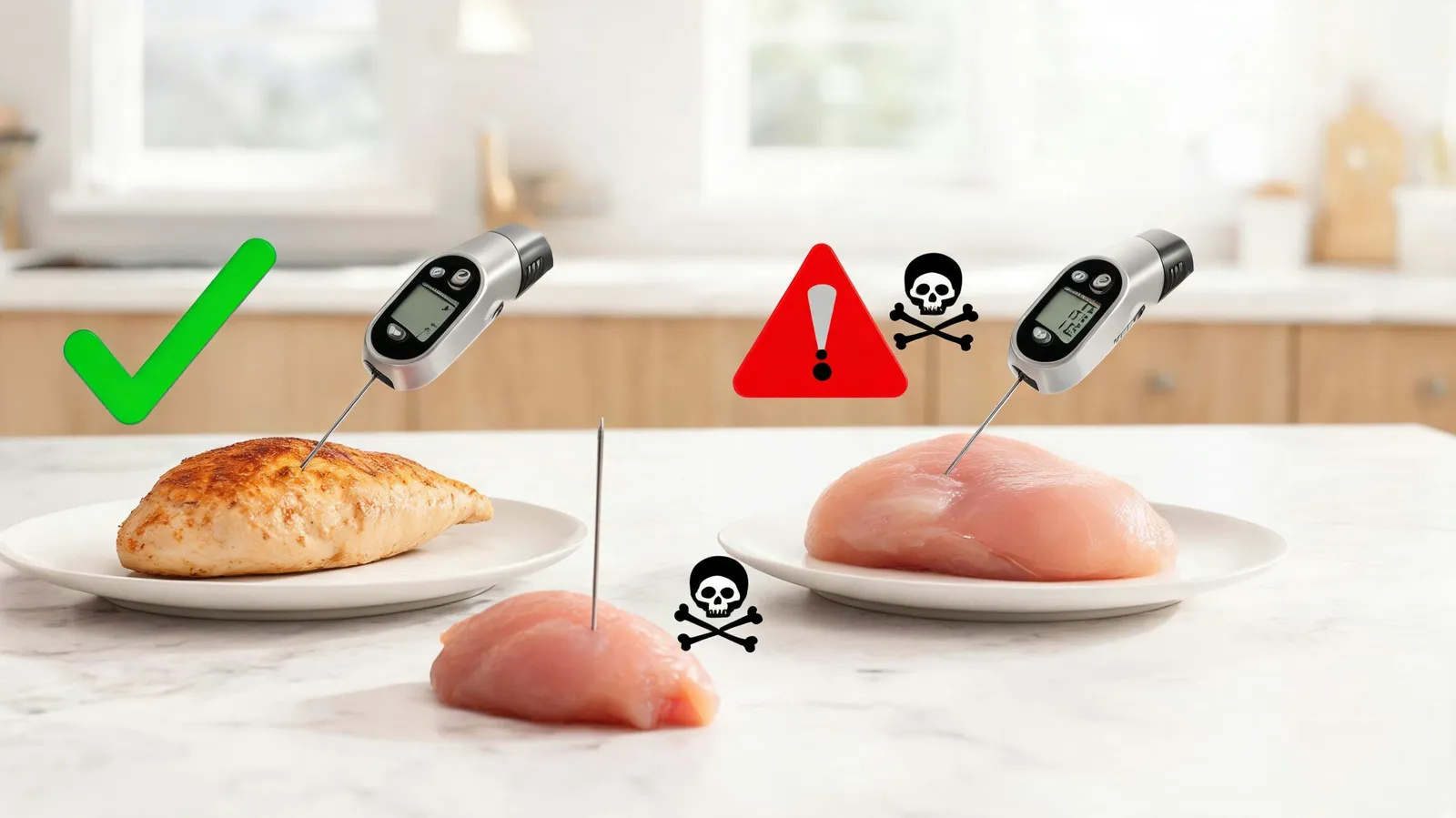
Spoilage is one of the main drivers of household food waste—we buy fresh produce intending to use it, then find it wilted or moldy days later. AI-powered shelf-life estimation tools help by tracking freshness so you can use ingredients at their best. Smart refrigerators from Samsung and LG, for example, now include internal cameras and sensors that monitor food condition. These systems use AI to assess visual cues (such as color changes) and environmental factors (temperature, humidity) to predict expiration dates. You can check this information on a built-in screen or your smartphone, with color-coded alerts: green for fresh, yellow for use soon, and red for toss. But a high-end fridge isn't required. Apps like NoWaste and FoodKeeper (developed by the USDA) let you scan receipts or barcodes to log purchases and estimate shelf life. They then send personalized reminders when items are about to expire, along with recipe ideas that use those ingredients. A case study of a family in Austin, Texas, found that using such an app reduced their weekly food waste by 40% and saved them $50 per month. The key is timely consumption: when you know exactly what needs to be eaten, you can plan meals around those items, preventing them from languishing in the back of the fridge.
Portion Planning and Batch Cooking Strategies: Cooking Smarter, Not Harder
Buying too much and cooking oversized batches are common reasons leftovers never get eaten. AI meal planners remove the guesswork from portion sizes by calculating exact quantities based on household size, dietary preferences, and even your schedule. Mealime, for example, lets you enter the number of servings and generates a shopping list with precise amounts, reducing the chance of buying excess. A 2023 survey by the Food Industry Association found that households using AI meal planners reduced food waste by 25% and grocery bills by 15%. Batch cooking—preparing large quantities at once—can also be optimized with AI. These tools suggest recipes that share ingredients, so you can cook once and eat for days without repetition. They also provide storage guidelines and reheating instructions to maintain freshness. A user in Seattle reported that following an AI-generated batch cooking plan cut her weekly waste in half and saved four hours of cooking time. The AI even repurposed leftovers into new dishes: Monday's roasted chicken became Tuesday's tacos and Wednesday's soup. This approach not only minimizes waste but also simplifies your kitchen routine.
Community Sharing and Donation Coordination: Connecting Surplus with Need
Sometimes, even with your best efforts, you still end up with surplus food—maybe your garden produced a bumper crop of tomatoes, or you overestimated how much you'd eat. Rather than letting it go to waste, AI-powered sharing apps can connect you with neighbors or local food banks that can use it. Olio is a prime example: this app uses AI to match people with excess food to those who need it, facilitating local pickups. Since its launch, Olio has helped rescue over 50 million portions of food globally. In the US, similar apps like FoodFinder and MealConnect (from Feeding America) use AI to coordinate donations between households, restaurants, and charities. For food banks, AI optimizes logistics by predicting demand and planning efficient pickup routes, ensuring that perishable items reach people quickly. A food bank in Chicago implemented an AI routing system and saw a 30% increase in donations and a 20% reduction in spoilage. At the neighborhood level, sharing apps foster community bonds while reducing waste. A group in Portland, Oregon, used a simple AI matching tool to distribute excess garden produce among 50 households, preventing hundreds of pounds of food from being thrown away. These platforms prove that technology can amplify human generosity.
Conclusion: The Future of Food Waste Reduction is Smart
AI is not just a buzzword—it's a practical ally in the fight against household food waste. From smart ingredient substitutions that save you a trip to the store, to shelf-life trackers that tell you when to eat, to portion planners that right-size your meals, and community sharing apps that redistribute surplus, these tools empower you to make the most of your food. The environmental and economic benefits are undeniable: less waste means fewer resources used, lower greenhouse gas emissions, and more money in your pocket. As AI continues to evolve, we can expect even deeper integration with smart home devices, predictive analytics that anticipate your needs, and personalized recommendations that make sustainable cooking effortless. So why not let AI lend a hand in your kitchen? Start with one app or a smart fridge feature, and you'll soon wonder how you ever managed without it. Your wallet, your community, and the planet will thank you.