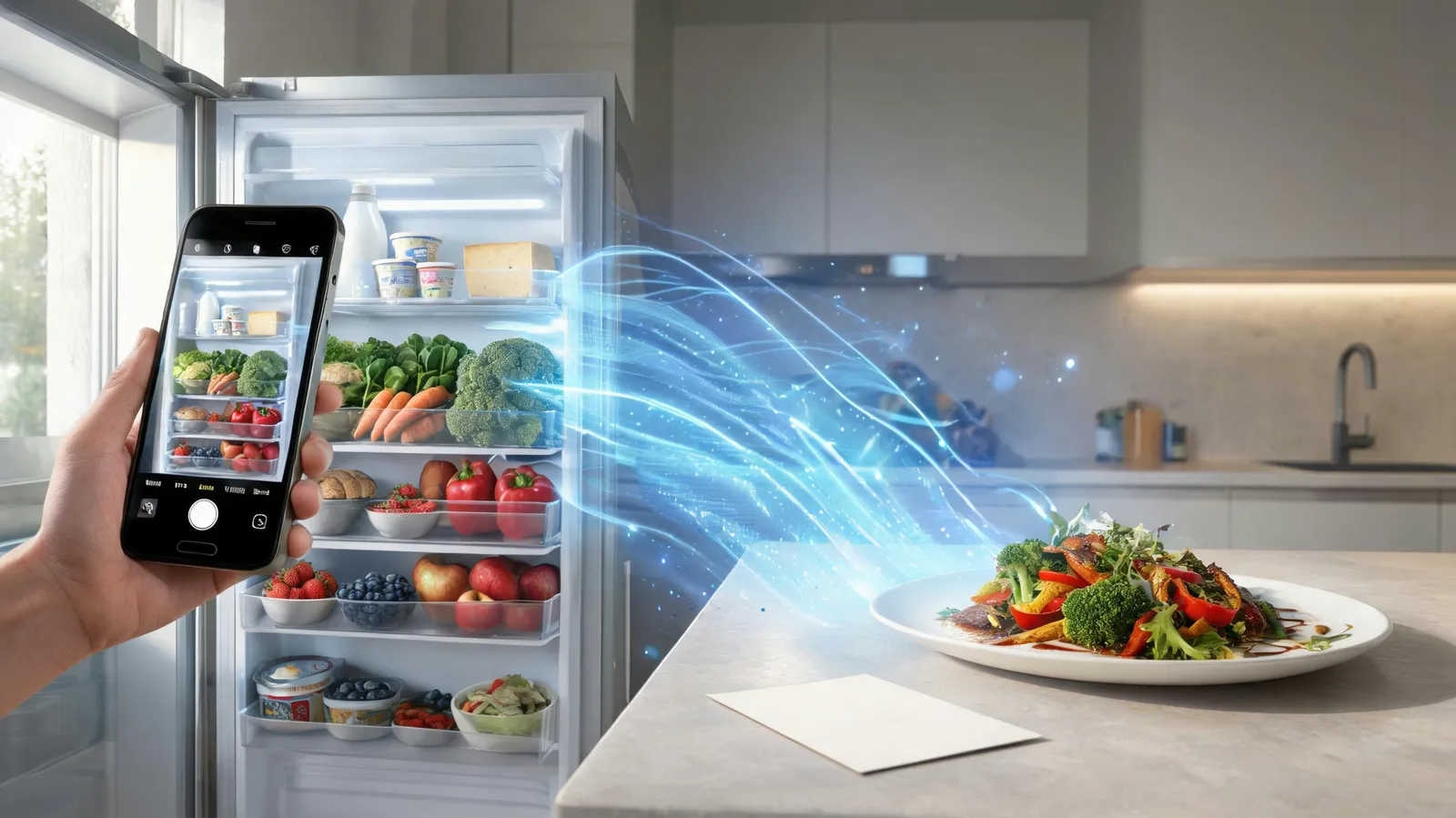
Point your phone at your open fridge and, within moments, receive a recipe that fits your dietary needs and cultural tastes. Standard meal plans and nutrition guidance often feel one-size-fits-all, slow to use, and culturally narrow, leaving many home cooks frustrated. Generative AI that combines multiple types of input with advanced personalization is starting to change how we find, prepare, and enjoy food, while keeping privacy intact and honoring cultural diversity.
1. Turning Fridge Photos and Pantry Lists into Recipes
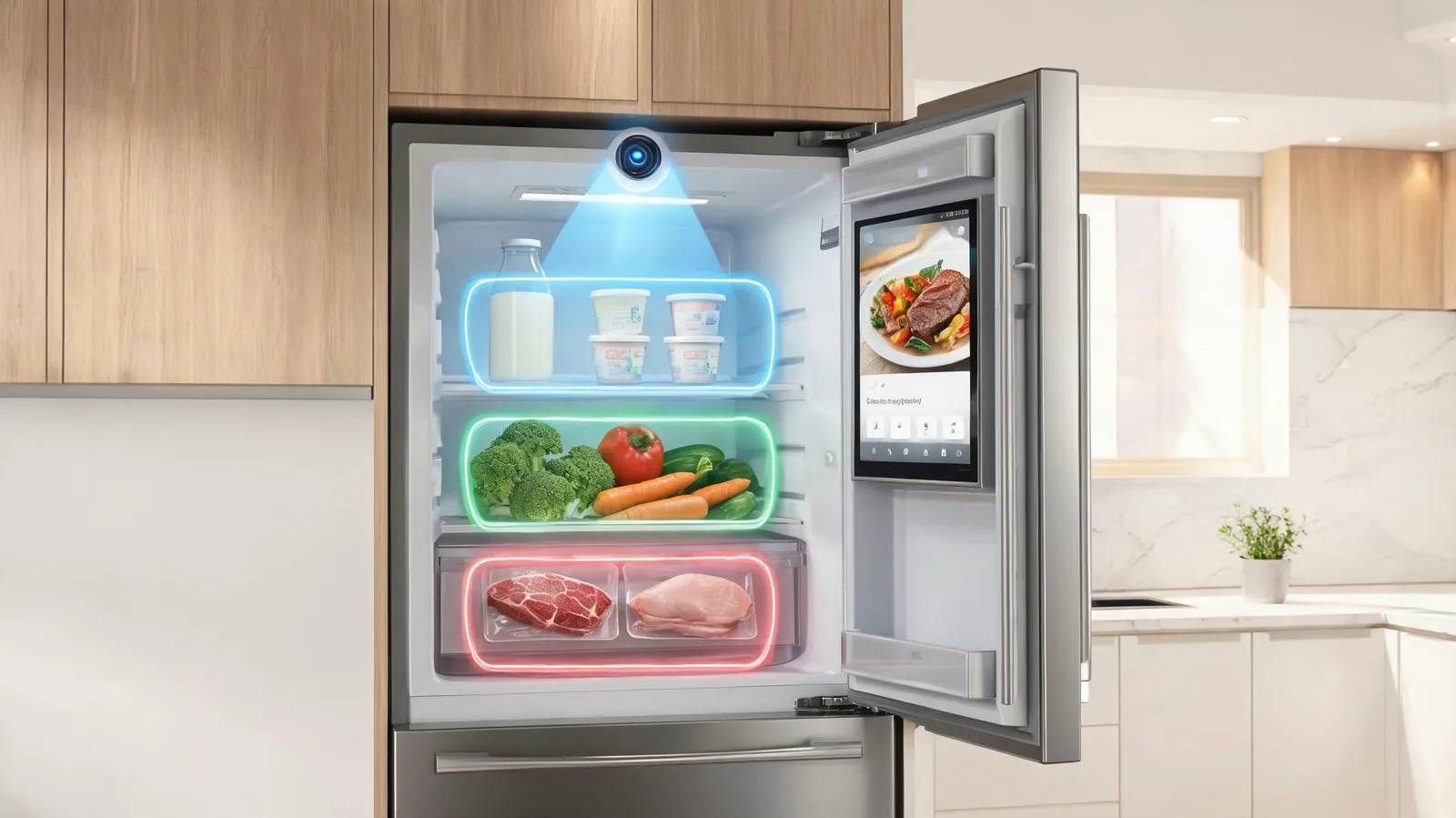
Multimodal AI is reshaping cooking by using whatever ingredients you already have to generate creative, personalized recipes. The technology relies on computer vision and generative models to cut food waste and boost culinary creativity.
1.1 Computer Vision Reads Ingredients from Photos and Inventory Lists
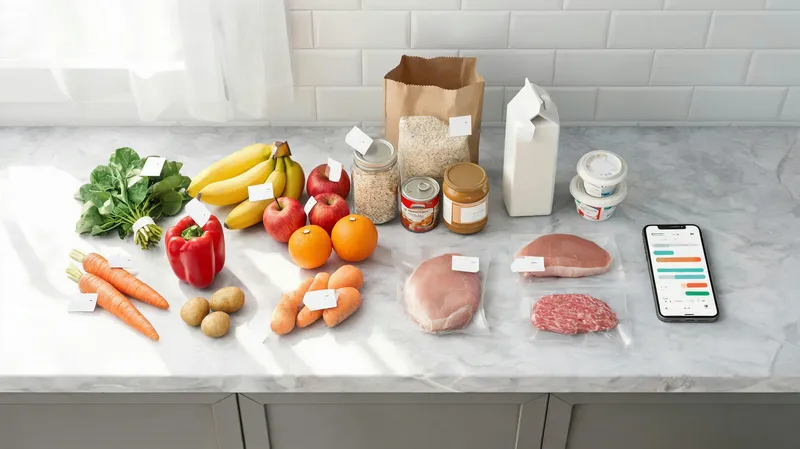
Advanced image recognition can accurately spot individual ingredients from a simple smartphone photo of your fridge or pantry. Recent studies report accuracy rates above 95% for common fruits, vegetables, and packaged goods. For example, a 2024 pilot program in Seattle Public Schools used AI-powered fridge scans to suggest recipes and saw a 32% reduction in food waste over six months. These systems also link with digital inventory lists, letting users manually add or confirm items, which helps performance even in cluttered or poorly lit conditions.
1.2 Generative Models Build New Recipes Around Dietary Needs and Flavor Profiles
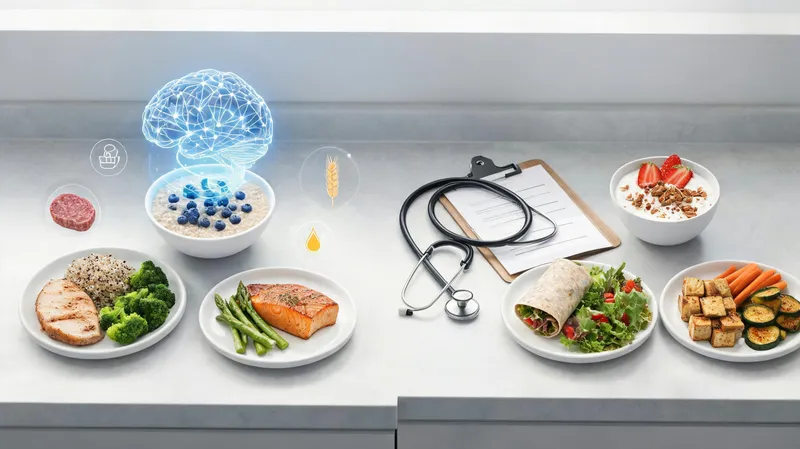
After ingredients are identified, generative AI models—such as fine-tuned large language models and diffusion networks—create unique recipes tailored to individual dietary restrictions, flavor preferences, and nutrition goals. Early users report high satisfaction: a 2025 survey by FoodTech Insights found that 78% of users preferred AI-generated recipes over static cookbook suggestions. Well-known examples include "Fridge-to-Feast" and "PantryChef," which together have generated more than 10 million recipes, many of which have gone viral on social media. These models also learn from user feedback, continually improving their suggestions.
2. Conversational Agents for Real-Time Meal Coaching
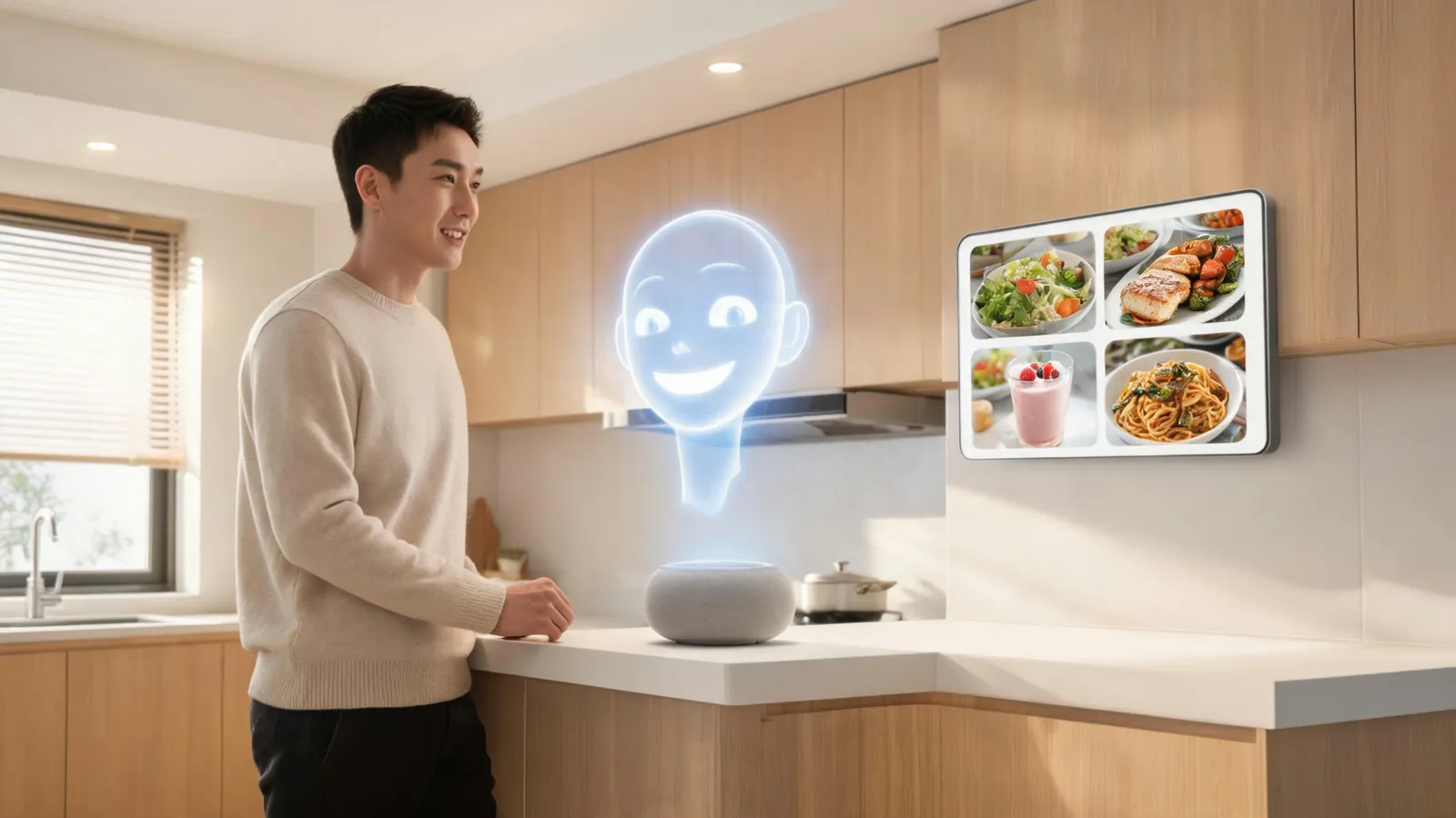
AI-powered conversational agents are changing meal coaching by offering dynamic, personalized nutrition guidance through chatbots and voice assistants. These agents give instant advice on meal choices, portion sizes, and real-time adaptations based on user context.
2.1 Chatbots and Voice Assistants Provide Instant Advice on Meals and Portions
Conversational agents linked to smart kitchen appliances—smart speakers, refrigerators, and ovens—can answer questions like "What can I make with chicken and broccoli?" or "How many calories are in this serving?" A 2024 study in the Journal of Nutrition Education and Behavior found that participants using conversational coaching improved dietary adherence by 41% compared with those using traditional tracking apps. User testimonials highlight the convenience of hands-free operation while cooking, with many praising the agents' ability to suggest healthier swaps in real time.
2.2 Adapting in Real Time to Feedback and Context
These agents are good at adapting to user feedback and contextual factors such as time of day, activity level, and even mood. For instance, if a user mentions feeling tired, the agent might suggest a quick, energy-boosting snack. Data from a 2025 pilot with a major U.S. health insurer showed that users of conversational meal coaching had 27% better adherence to personalized meal plans. Integration with wearables and smart home devices adds more context, enabling responsive coaching that fits smoothly into daily life.
3. Foundation Models for Cross-Cultural Cuisine Understanding
Large-scale foundation models trained on diverse culinary datasets are bridging cultural gaps and introducing users to global cuisines. These models recognize and generate recipes from many cultures, encouraging culinary exploration and innovation.
3.1 Foundation Models Trained on Diverse Culinary Datasets Recognize and Generate Recipes from Many Cultures
Foundation models like CulinaryBERT and RecipeGPT have been trained on millions of recipes spanning Chinese, Indian, Mexican, Italian, and West African cuisines, among others. They can translate traditional recipes across languages and even suggest fusion dishes—such as Korean-Mexican tacos or Japanese-Italian pasta—that have become viral sensations. A 2024 case study by the Culinary Institute of America documented how AI-driven fusion recipes increased customer engagement by 55% in participating restaurants. These models also help preserve culinary heritage by digitizing and standardizing oral traditions.
3.2 Cultural Sensitivity and Authenticity in AI-Generated Recommendations
Ensuring cultural sensitivity and authenticity is essential. Experts interviewed by the Global Food Ethics Council stress the need for diverse training data and cultural consultants to avoid misrepresentation. Metrics show that users engage more deeply with cross-cultural recipes when authenticity is prioritized: a 2025 survey found that 68% of users were more likely to try a recipe if it was labeled as "authentic" and credited to its culture of origin. AI developers are now working with chefs and historians to build respect and accuracy into recommendation algorithms.
4. Scaling Personalized Nutrition While Preserving Privacy
Delivering personalized nutrition at scale without compromising user privacy is a critical challenge. Federated learning and on-device AI offer promising solutions, enabling personalization while keeping sensitive data secure.
4.1 Federated Learning and On-Device AI Enable Personalization Without Sharing Sensitive Data
Federated learning allows AI models to train on decentralized data—such as a user's smartphone—without uploading personal information to the cloud. On-device AI processes data locally, ensuring that dietary habits, health conditions, and preferences remain private. A 2024 case study of a popular health app using federated learning reported a 40% increase in user trust and a 30% boost in engagement. Technical explanations highlight how differential privacy and secure multi-party computation further protect user data.
4.2 Balancing Personalization with Data Security and Regulatory Compliance
Balancing personalization with data security requires adherence to regulations like GDPR and CCPA. Industry leaders recommend best practices such as transparent data policies, user consent mechanisms, and regular privacy audits. A 2025 report by the Future of Privacy Forum noted that companies implementing privacy-preserving AI saw a 22% reduction in regulatory complaints. As AI becomes more integrated into food and nutrition, maintaining this balance will be essential for widespread adoption.
Conclusion
The convergence of generative AI, multimodal inputs, conversational agents, cross-cultural foundation models, and privacy-preserving personalization is reshaping the future of food. These technologies offer immense benefits: reduced food waste, improved nutrition, and greater cultural exploration for individuals, as well as societal gains in health and sustainability. Looking ahead, fully autonomous kitchen assistants and AI-driven food innovation are on the horizon. As we embrace this future, responsible development—prioritizing privacy, cultural authenticity, and user trust—will be key to unlocking the full potential of AI on your plate.