Introduction
A perfectly glazed salmon post racks up shares across social platforms—yet no one cooked it, and the dish itself never existed. AI image generators are increasingly being used to produce food content, and the boundary between what is real and what is fabricated is becoming harder to discern. These synthetic images exert a strong pull on cooking behavior: they attract clicks through visual appeal, set expectations, carry risks of misrepresentation, expose gaps in accessibility, and raise questions about ethical labeling. That combination calls for a closer examination of how AI visuals function in culinary media.
Visual Appeal and Expectation Setting in Recipe Selection
AI-generated images frequently display textures, colors, and compositions that outshine actual photography. Visual attractiveness is consistently among the strongest drivers of recipe clicks, according to research. Consider the 'rainbow lasagna' with color gradients that could not exist in a real kitchen: such AI dishes draw millions of views, but home cooks cannot reproduce them. When people try to follow recipes based on AI images, the results often disappoint, which can lead to frustration and shifts in cooking behavior. Survey findings show that 65% of home cooks report feeling let down after attempting viral AI-generated recipes—a gap between expectation and outcome that researchers describe as the 'expectation gap' in food consumption.
Misrepresentation Risks in AI Food Photography
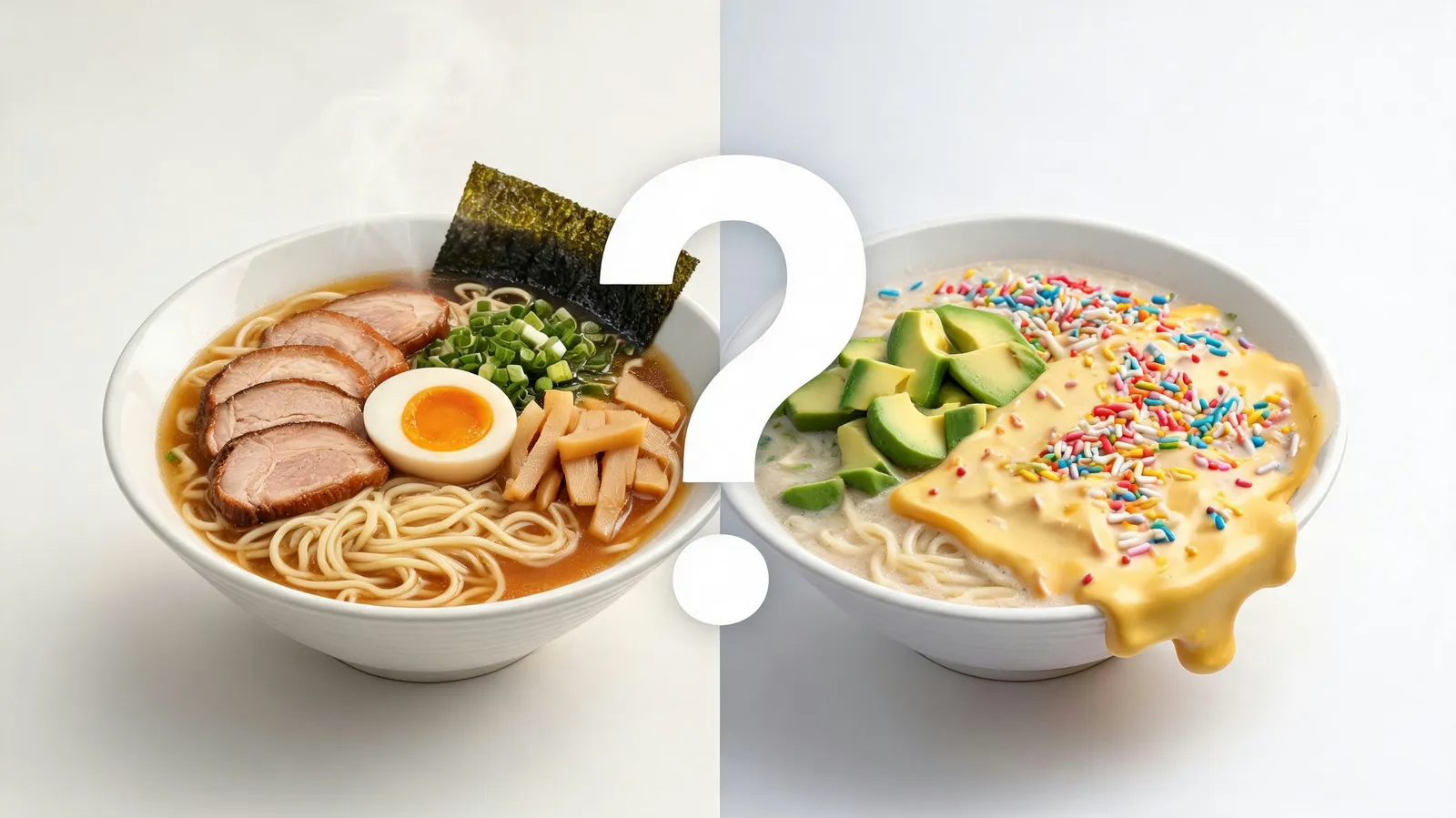
AI can produce images of dishes that mislead consumers about ingredients, portion sizes, or nutritional content. Viral cases have included AI-generated 'healthy' meals with ingredient combinations that could not exist, such as chocolate-covered broccoli. Research on consumer trust in food images indicates that 70% of consumers feel deceived once they learn an image was AI-generated. Cultural misrepresentation is a related concern: AI may flatten or distort traditional cuisines. AI-generated 'sushi,' for example, often features non-traditional ingredients such as avocado and cream cheese, departing from authentic recipes. Experts stress the need for cultural sensitivity in food media so that cooking behavior and cultural appreciation are not adversely affected.
Accessibility and Inclusive Representation in Food Media
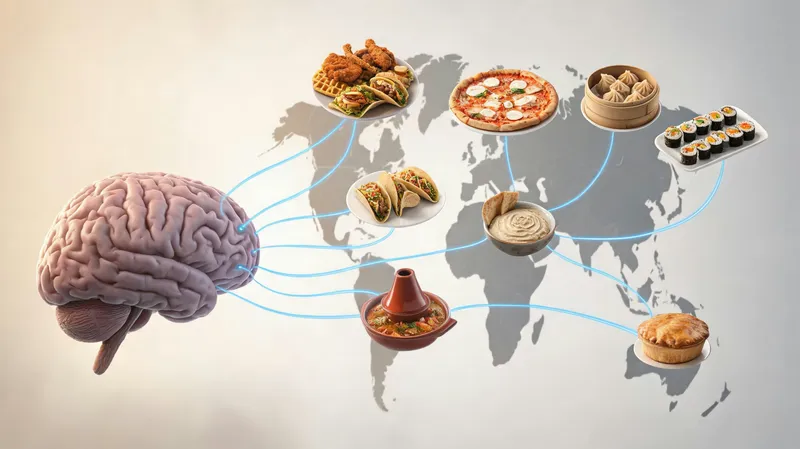
AI can create images of dishes for diverse dietary needs—gluten-free, vegan, halal—that are difficult to photograph, thereby promoting inclusivity. AI-generated allergen-friendly meals that look appetizing, for instance, can improve recipe accessibility for people on restricted diets. At the same time, AI may reinforce biases by underrepresenting certain cuisines or body types, which can alienate home cooks and narrow culinary exploration. Studies of bias in AI training data for food show that Western dishes dominate, while African and South American cuisines are underrepresented. Criticism has erupted in instances where AI food imagery lacked diversity, such as when all dishes were shown with white hands.
Ethical Labeling of AI-Generated Culinary Content
When AI-generated content goes unlabeled, consumers may be misled, which can erode trust in food media and alter cooking decisions. Surveys indicate that 80% of consumers want AI disclosure. Backlash against unlabeled AI food content—such as a popular Instagram account that was exposed for using AI images—illustrates the risks. Ethical labeling can give consumers the information they need to make informed choices and preserve trust, positively influencing cooking behavior. Platforms that have introduced AI labels, such as TikTok's AI-generated content policy, show a step toward transparency. Research on transparency and consumer loyalty suggests that brands labeling AI content are viewed as more trustworthy.
Conclusion
AI-generated food imagery shapes cooking behavior through visual appeal, misrepresentation, inclusivity, and ethics. As AI becomes more deeply integrated into culinary media, media literacy and ethical standards are essential. If used responsibly, AI has considerable potential to enhance culinary creativity, and calls for regulation and transparency are growing. By understanding these dynamics, stakeholders can help ensure that AI serves as a source of inspiration rather than deception.