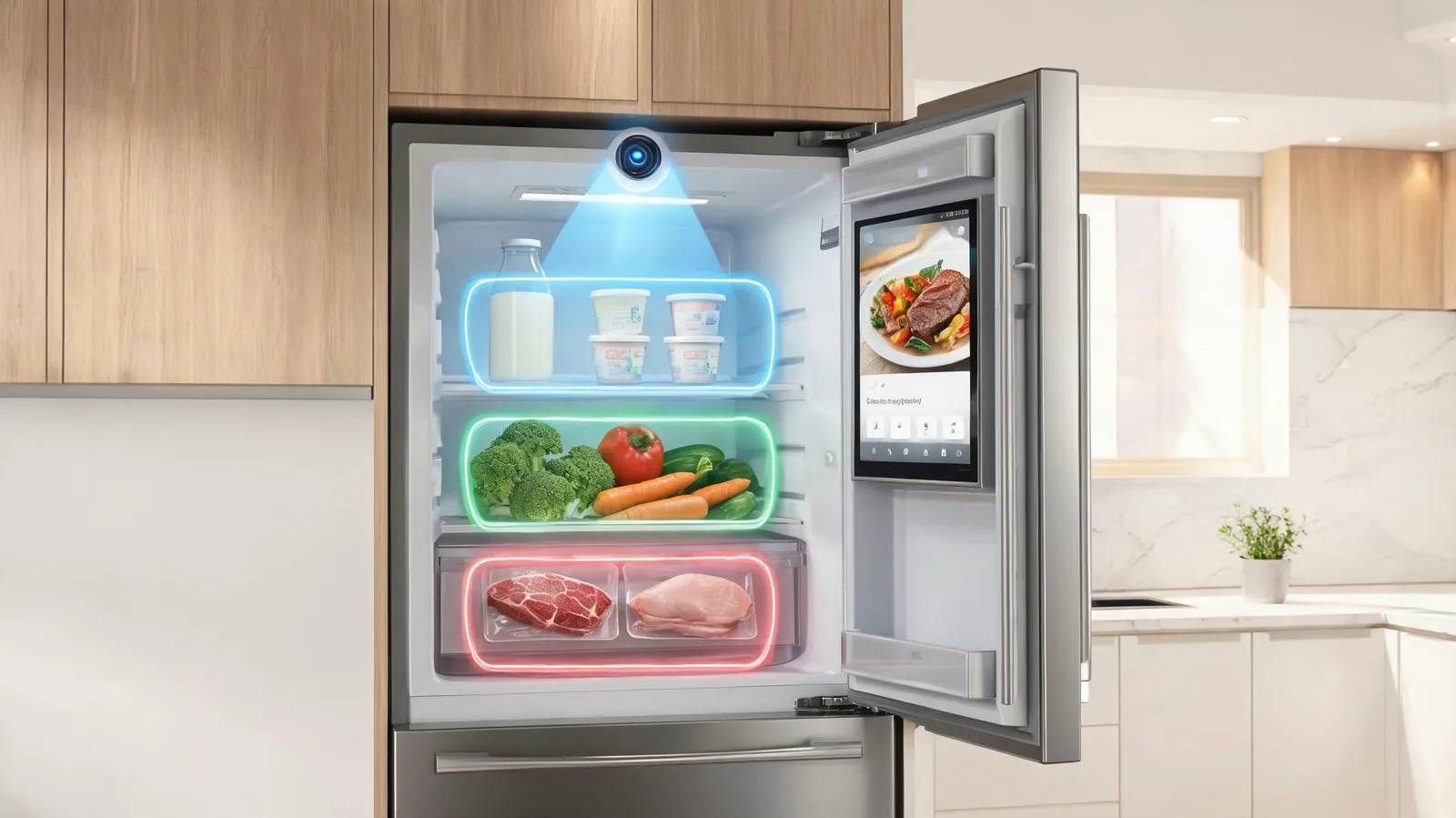
A kitchen that can identify ingredients, respond to spoken requests and prepare meals is moving from concept to reality. Conventional cooking requires a series of manual steps—taking stock of what is on hand, finding a recipe, prepping ingredients and cooking—each of which can be cumbersome. Multimodal artificial intelligence, working alongside Internet of Things (IoT) devices and robotics, is bringing these stages together into a single intelligent system that changes how people cook, eat and organize their kitchens.
From Fridge Photo to Plated Meal: Recipe Suggestions Based on What You Have
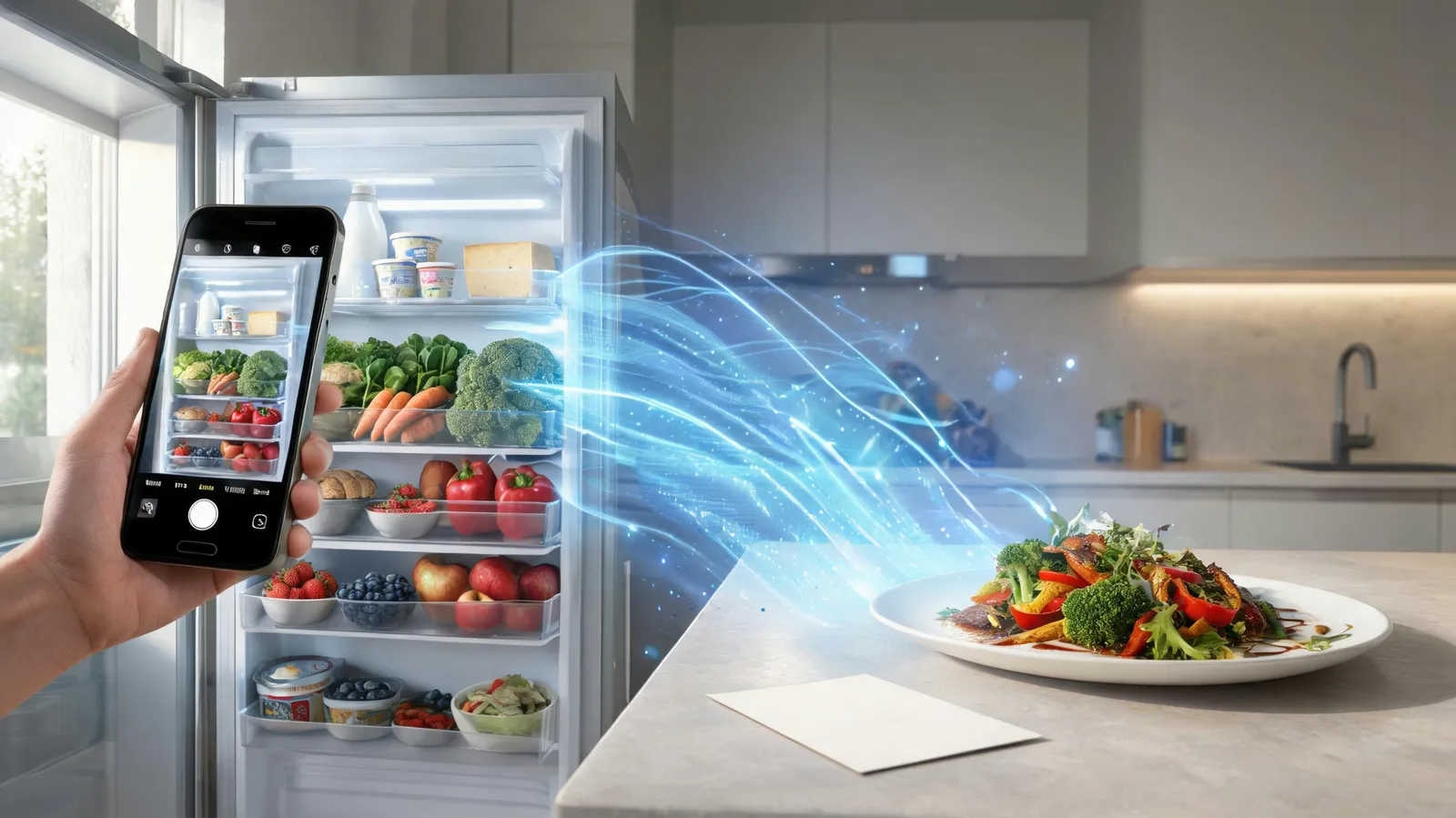
Computer vision sits at the heart of this concept. Refrigerators fitted with high-resolution cameras and AI models can identify ingredients with considerable precision. One example is a smart refrigerator from Samsung that uses internal cameras to scan shelves and recognize produce, dairy items and packaged foods. That information is fed into an AI engine that proposes recipes using available ingredients, which can help reduce food waste and ease the burden of deciding what to make.
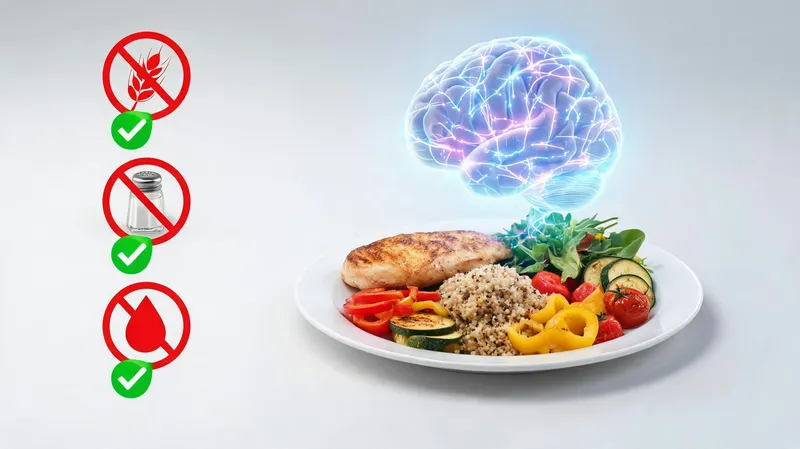
AI recipe recommendations do more than simple matching. They take into account dietary preferences, nutritional targets and even the user’s cooking ability. Research from the University of California, Berkeley, found that households using such systems cut food waste by 30% and saved an average of 20 minutes per meal-planning session. The system improves over time by learning from user feedback. If someone often substitutes ingredients, for example, the AI adapts to suggest alternatives that better fit their taste.
Conversational Cooking Help: A Cloud-Based Sous-Chef
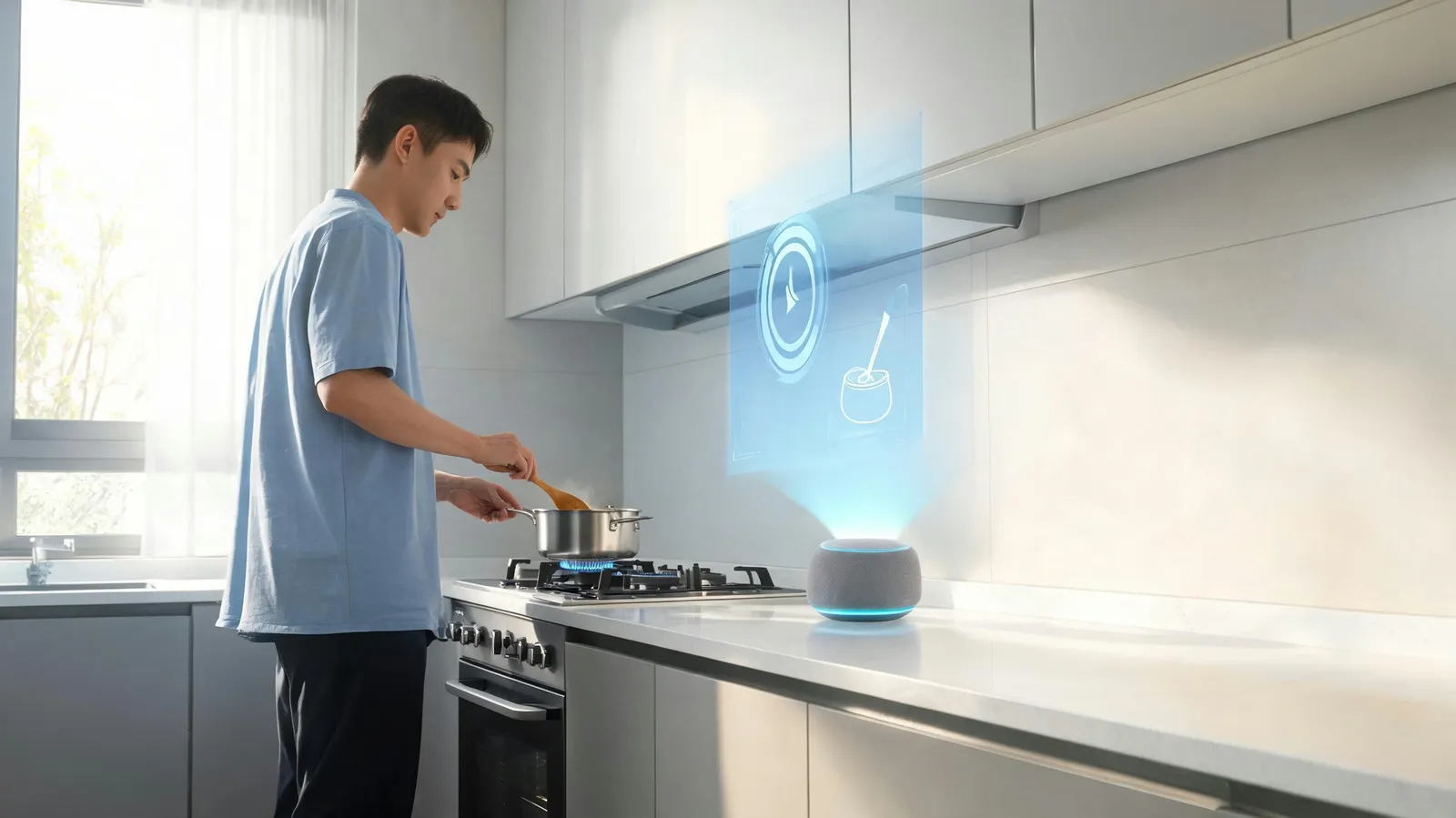
Voice assistants such as Amazon Alexa and Google Assistant are already common in kitchens, but their function is expanding from basic timers to acting as capable sous-chefs. Natural language processing (NLP) makes conversational cooking support possible. A user can ask, “How much salt is in a teaspoon?” or “What’s a substitute for buttermilk?” and get an immediate response. A 2024 survey by Voicebot.ai found that 45% of U.S. adults use voice assistants in the kitchen at least once a week, mainly for recipe guidance and unit conversions.
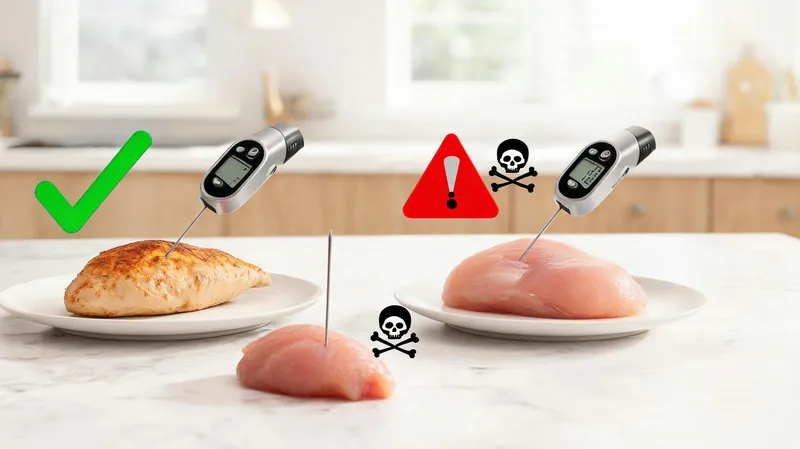
Connecting these assistants to smart appliances extends their usefulness. An oven could preheat when someone says, “Preheat to 350°F,” or a stove could adjust heat in response to voice commands. Such features can lower the chance of cooking errors and improve results. June Oven, a smart countertop oven, uses AI and voice control to recognize food and cook it appropriately. Data indicate that users of these appliances report a 40% decrease in cooking mistakes.
Connected and Robotic Execution: From AI Recipe to Automated Meal
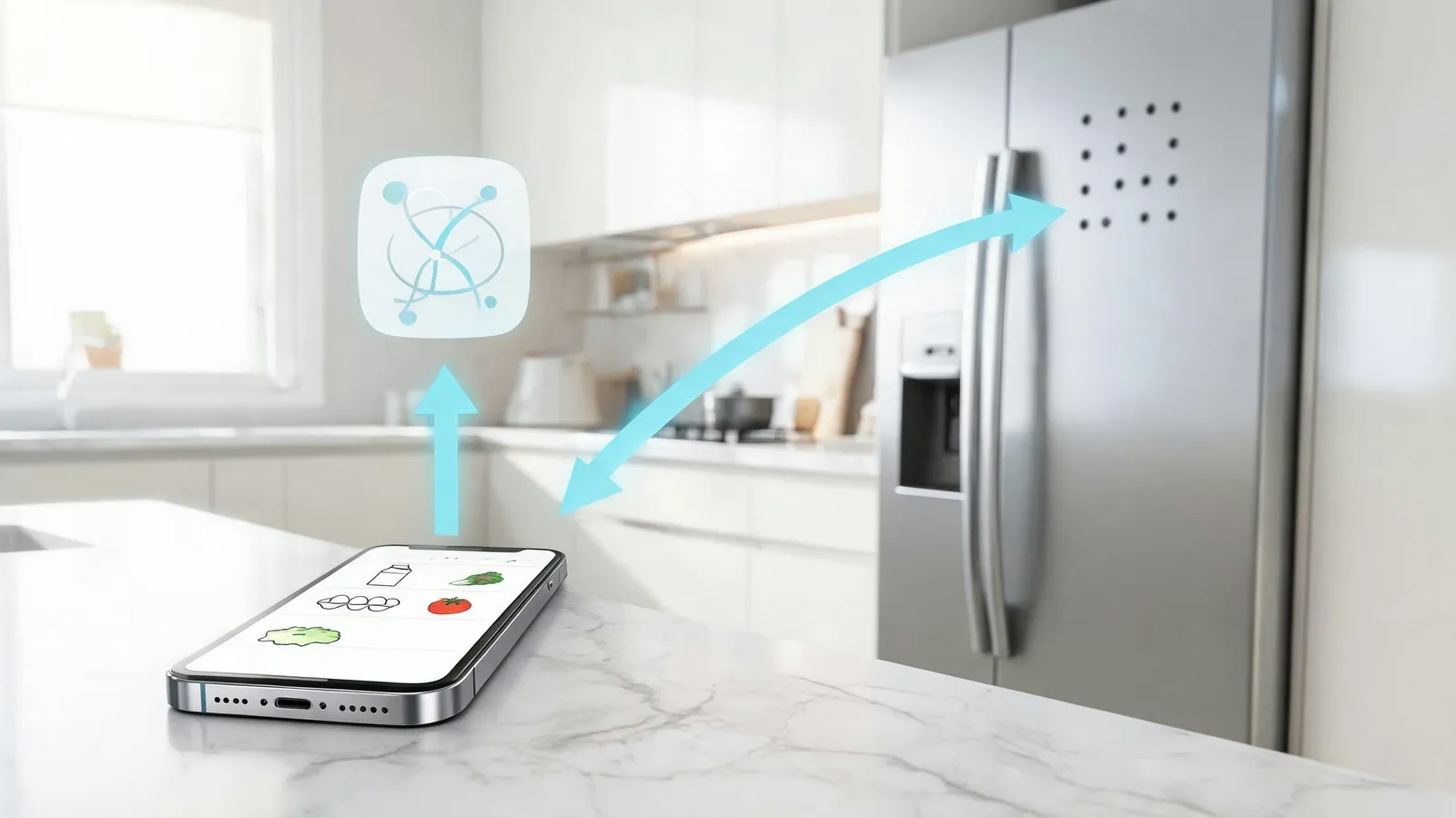
The Internet of Things links appliances so they can communicate and coordinate. Smart ovens, stoves and refrigerators can work in concert to carry out recipes automatically. A smart fridge, for instance, can send a recipe to a smart oven, which then preheats and sets the right temperature. This kind of coordination saves energy and supports consistency. A study by the American Council for an Energy-Efficient Economy found that IoT-enabled kitchens can lower energy use by up to 15%.
Robotic arms and automated cooking systems represent the next step. Prototypes such as those from Moley Robotics can prepare complete meals from scratch by mimicking human movements. These systems carry sensors and AI to handle ingredients, manage heat and plate dishes. In professional kitchens, robotics can reduce labor and improve precision. A robotic kitchen in a Tokyo restaurant, for example, prepares sushi with consistent quality and cuts labor costs by 30%.
Obstacles and Openings: Privacy, Compatibility and Adoption
Several barriers remain despite the potential. Data privacy and security are leading concerns. Smart kitchen devices gather sensitive information, from eating habits to voice recordings. Surveys suggest that 60% of consumers worry about privacy. Regulations such as GDPR in Europe and CCPA in California set standards, but compliance differs. Manufacturers need to prioritize encryption and clear data policies to earn trust.
Compatibility is another issue. The smart home landscape is fragmented, and devices from different brands often cannot communicate with one another. Efforts such as Matter, supported by major technology companies, aim to standardize connectivity. Cross-brand collaborations, including those between Samsung and Google, show that progress is possible. Still, broad adoption depends on commitment across the industry.
Whether users embrace these systems depends on the value they perceive. Early adopters tend to be technology enthusiasts, while mainstream users need clear benefits. Education and demonstrations can help. As AI becomes more intuitive, the cognitive kitchen is likely to become accessible to a wider audience.
Conclusion
The cognitive kitchen marks a fundamental change in how people interact with food. By combining multimodal AI, IoT and robotics, it simplifies cooking from inventory to execution. Image-based recipe generation reduces waste, voice-guided cooking provides hands-free help, and connected or robotic execution automates meal preparation. The effects on convenience, sustainability and personalized nutrition are significant.
Looking forward, fully autonomous kitchens that learn and adapt to user preferences are expected to become a reality. As the technology matures, seamless integration, stronger privacy and broader adoption can be anticipated. The future of cooking is not merely smart—it is cognitive.