Keeping Faith with Tradition in AI-Generated Recipes
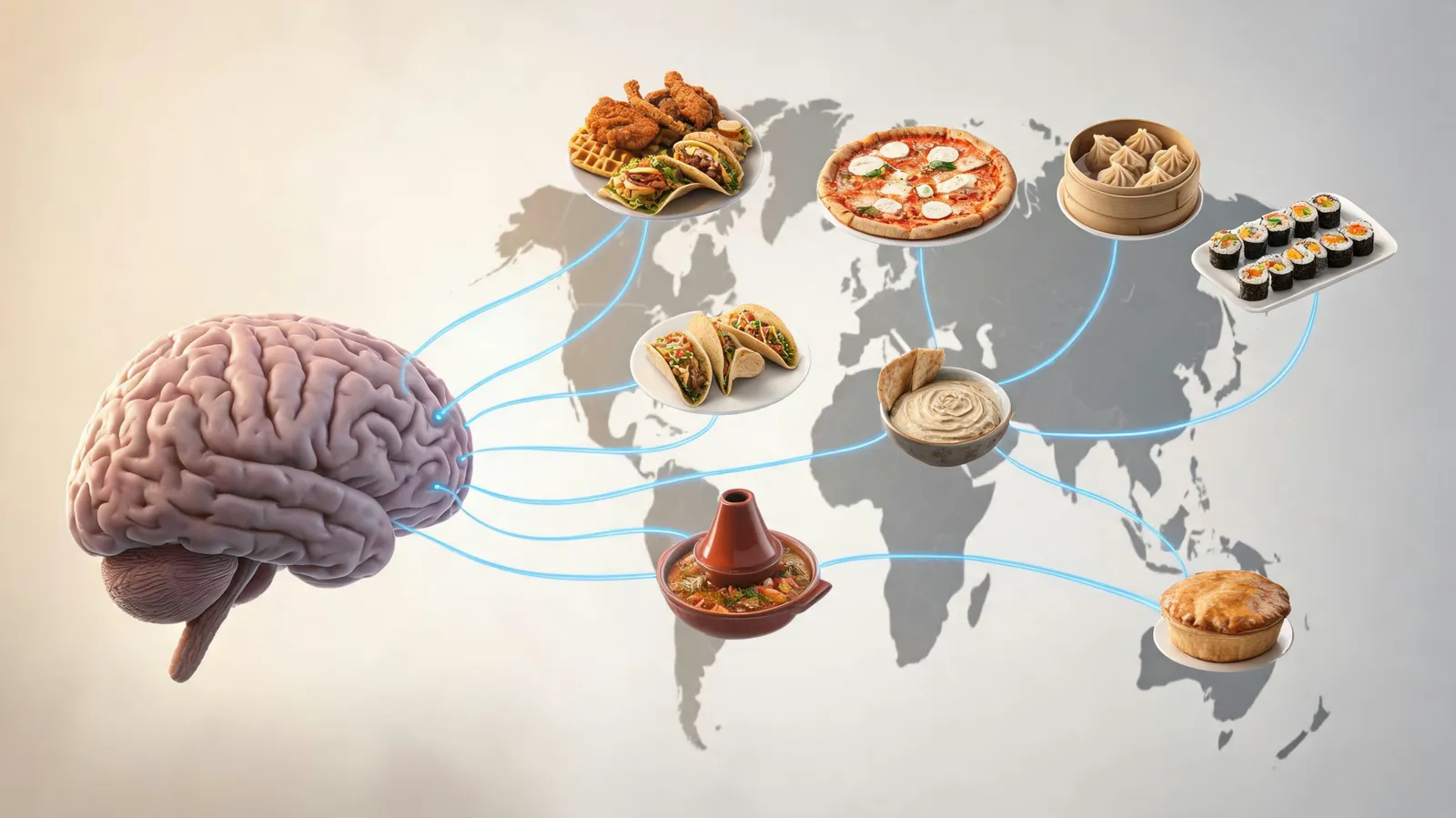
Trained on broad culinary datasets, AI models can produce recipes that stay true to authentic flavor balances and conventional techniques. Consider a Thai green curry: an AI can lay out the right proportion of ingredients and the proper steps so that the interplay of sweet, sour, salty, and spicy remains intact. Research indicates that AI can also detect regional distinctions—such as how curries from northern and southern Thailand differ—and make adjustments accordingly. That granularity helps cooks grasp not only what to do but also the reasoning behind particular ingredients and procedures.
Weaving cultural stories and historical background into AI-produced recipes can deepen both authenticity and the user’s experience. In one case study, an AI application shared the narrative behind each dish—for instance, the origins of a particular spice blend or the cultural weight of a cooking method—and users reported feeling a stronger connection to the food they made. Feedback pointed to a greater appreciation for cultural context, which made cooking more meaningful and instructive.
Adapting Techniques Across Culinary Regions
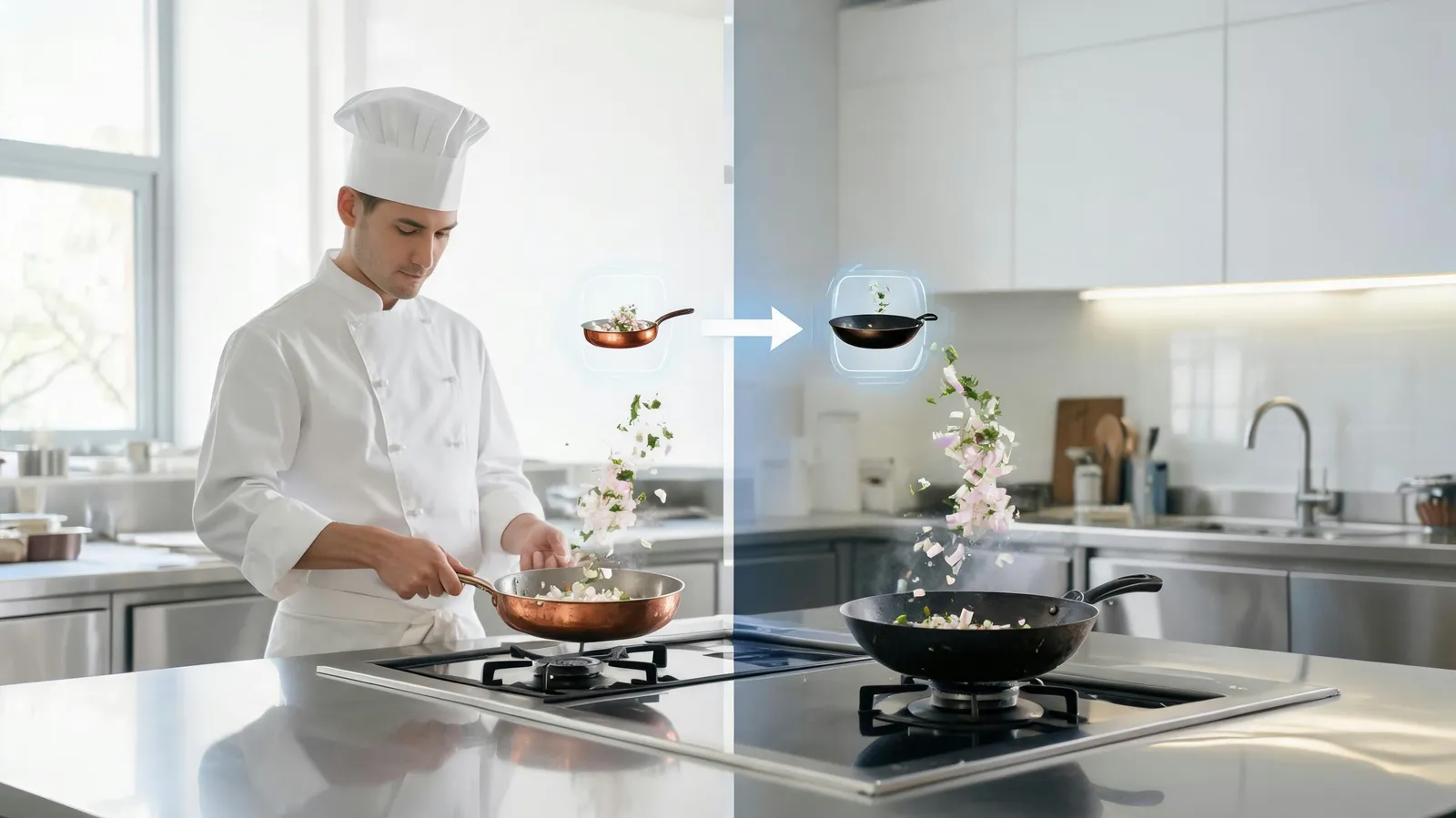
AI is able to examine cooking methods from one cuisine and translate them for another, proposing equivalent approaches or ingredients. For example, adapting French sous-vide for Indian cooking might mean using a slow cooker or the traditional dum method to reach a similar level of tenderness. Evidence on successful technique adaptations shows that machine learning models can forecast the results of substituting one method for another, helping cooks reach the outcomes they want. Studies on AI’s ability to predict changes in texture and flavor give these translations a scientific footing, while chefs who use AI for fusion cooking describe the practical advantages.
Working with What’s Available Locally
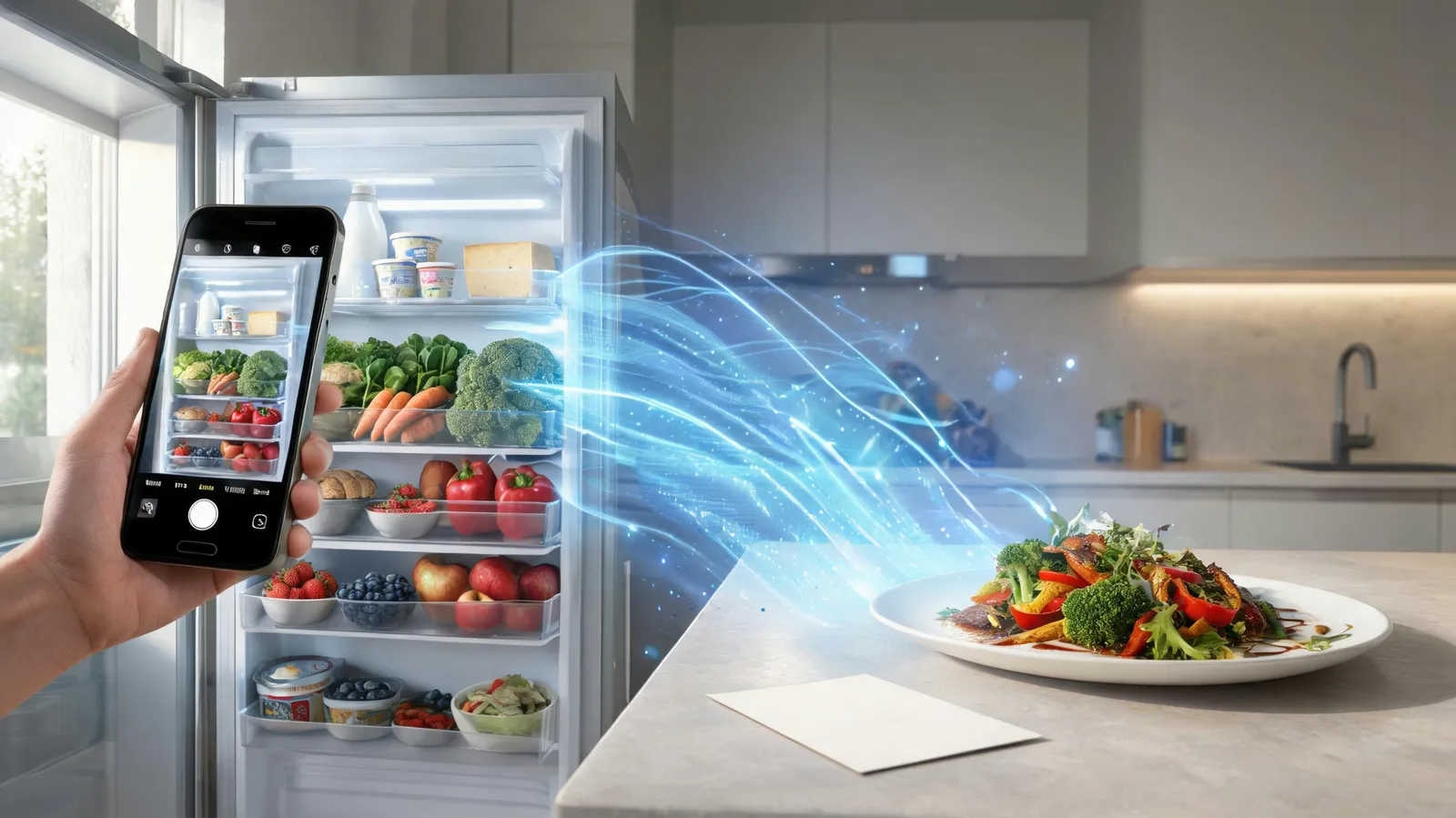
AI can recommend ingredient swaps based on flavor profiles and what shoppers can actually find nearby. In a Korean recipe, for instance, substituting a locally stocked chili paste for gochujang can preserve the intended heat and umami. Data on user satisfaction with AI-suggested substitutions reveals that most users consider the results acceptable and frequently stumble upon new favorite ingredients. AI-driven apps can also tailor recipe variations to dietary needs and local food cultures. A case study of an app that adapts recipes for gluten-free diets illustrates how AI can open traditional dishes to more people. Statistics linking AI assistance to increased home cooking suggest that more individuals are willing to explore unfamiliar cuisines when they have a helpful guide.
Safeguarding Heritage Recipes and Oral Knowledge
AI can capture, transcribe, and analyze oral recipes from elders so that they are not lost. One project preserving indigenous recipes in the Amazon demonstrates how technology can record traditional knowledge handed down by word of mouth over generations. Figures on the number of recipes digitized show the scale of such preservation work. Machine learning can detect patterns and links among recipes, which aids in reconstructing dishes that have disappeared. Research on AI reconstructing ancient Roman recipes, done with cultural institutions to build digital archives, points to AI’s capacity to revive historical cuisines.
Conclusion
AI is reshaping how we learn, adapt, and safeguard cuisines from around the world. By upholding authenticity, translating techniques, responding to local ingredients, and preserving heritage, AI can make global cooking more accessible while honoring cultural roots. Looking ahead, AI may combine with virtual reality and robotics to create immersive cooking experiences and automated heritage preservation. As these technologies develop, a future is possible in which culinary traditions are not only kept alive but also celebrated and shared across borders.