When AI Gets Cooking Temperatures and Ingredient Pairings Wrong
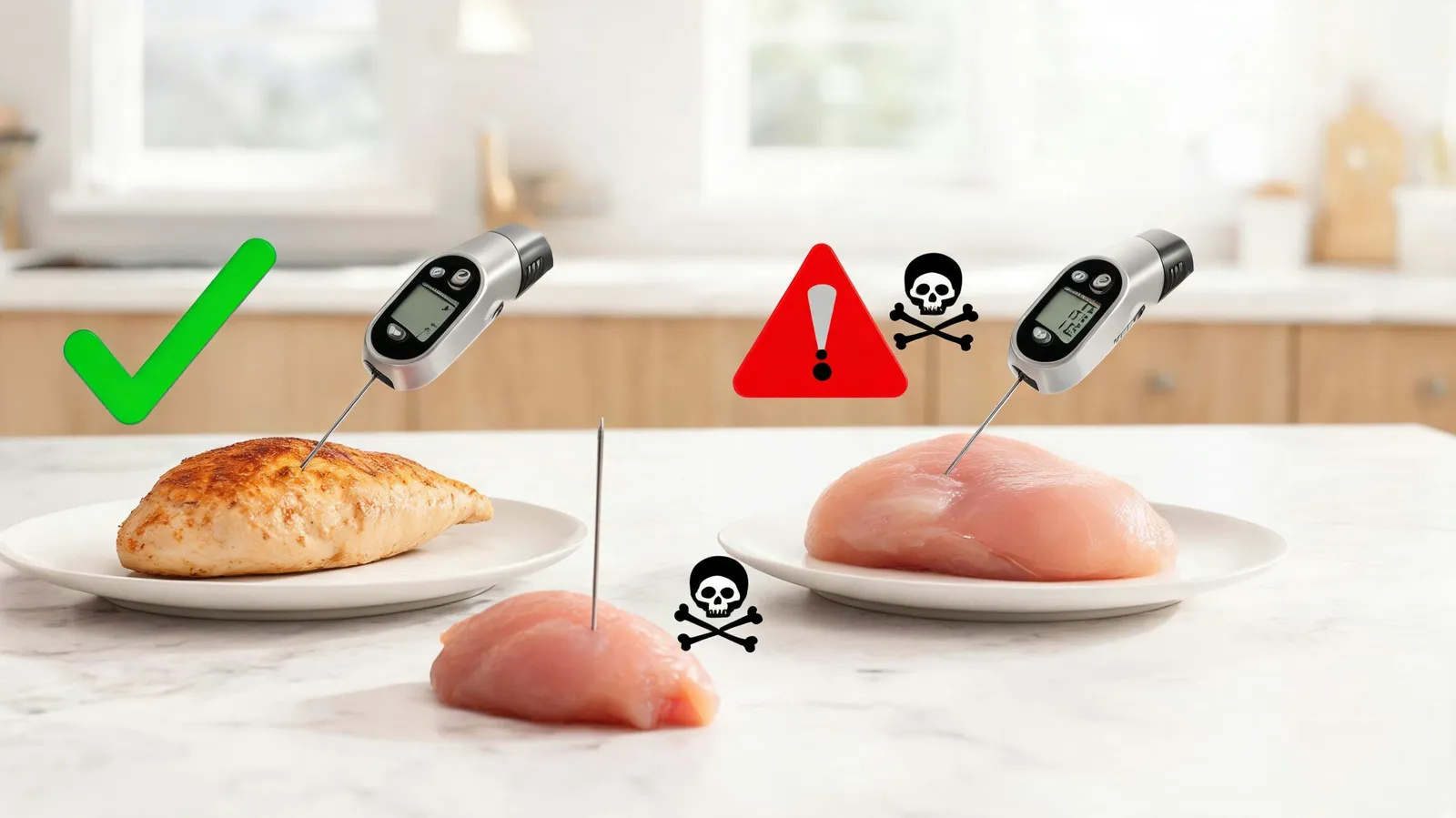
AI recipe models draw on enormous collections of online recipes, and many of those sources contain mistakes or skip essential safety measures. Consequently, an AI may propose cooking temperatures under the limits established by the USDA or WHO, exposing diners to foodborne illness. Consider an AI-written roast chicken recipe that tells you to cook to 140°F—a temperature that will not eliminate Salmonella. The CDC reports that foodborne illness causes 48 million cases of sickness each year in the United States, and undercooking is a major contributor. Temperature is not the only hazard: AI can also bring together ingredients that react chemically in harmful ways. One notable example is an AI recipe that combined raw kidney beans with a low-heat slow cooker, creating a risk of phytohaemagglutinin poisoning. In another scenario, AI might recommend curing meats at high heat, which can lead to the formation of nitrosamines, a known carcinogen. These cases make clear why rule-based checks are needed—checks that compare every cooking step against established food safety databases.
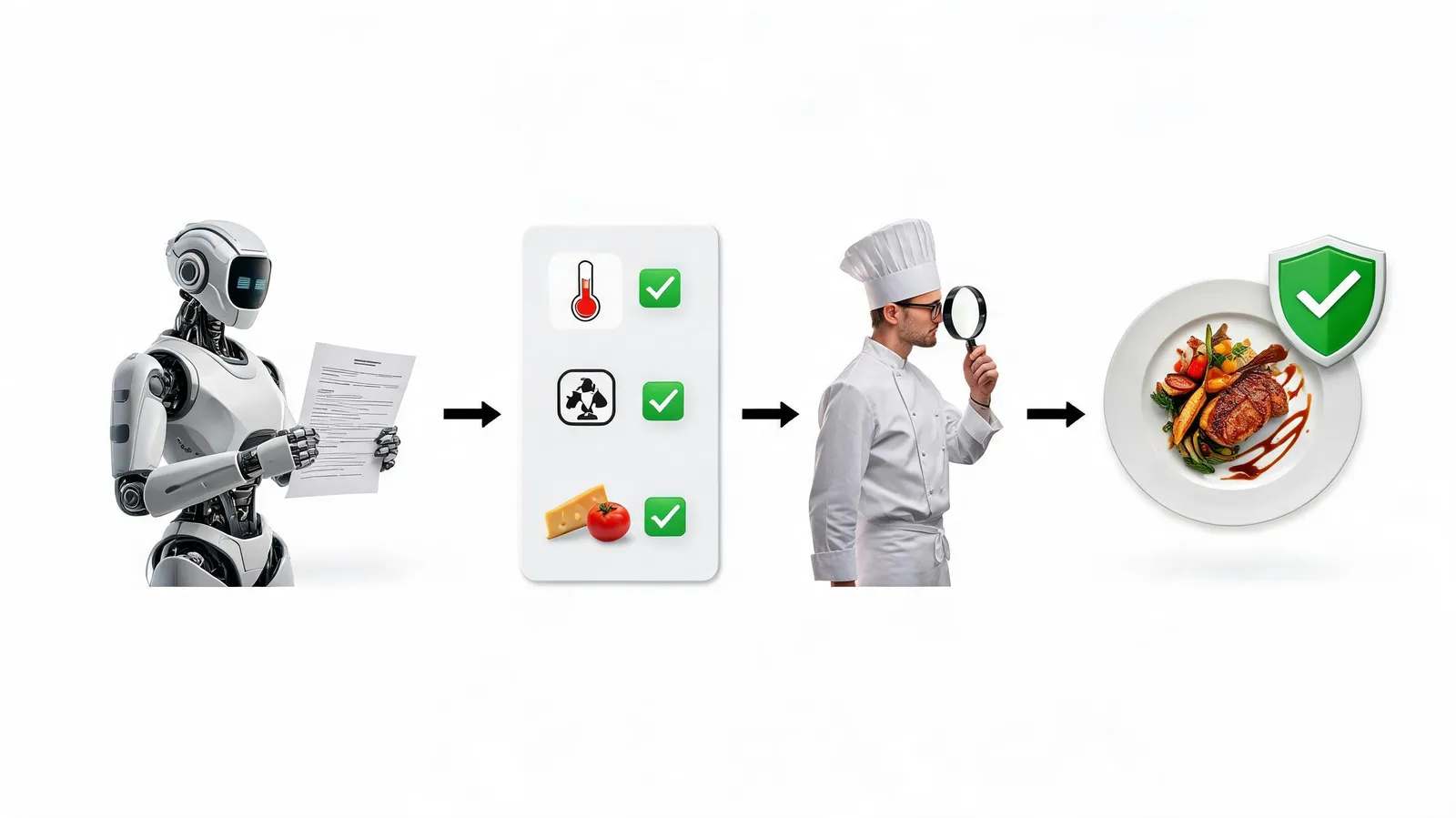
Validation Systems for AI Recipe Directions
Making AI recipes safe and dependable requires developers to build validation frameworks that pair automated rule-based checks with human expertise. Rule-based checks work by querying food safety databases—such as the USDA's FoodData Central or the FDA's Bad Bug Book—to flag unsafe temperatures, cooking times, and pH levels. A validation API, for instance, can automatically reject any recipe that tells users to cook poultry below 165°F or ground beef below 160°F. Data indicate that such filters can cut the number of unsafe recipes by more than 80%. Yet automated checks by themselves are not enough. Review by expert chefs and food scientists—a human-in-the-loop step—is essential. These professionals examine AI outputs for plausibility, culinary coherence, and safety. A case study of a recipe platform found that adding expert review reduced user complaints by 70% and increased consumer trust. Surveys suggest that users are more inclined to follow AI recipes when they know a human expert has validated them. A strong validation pipeline should therefore combine automated safety validators with human oversight.
Predicting Allergen Risks in Generative Recipe Systems
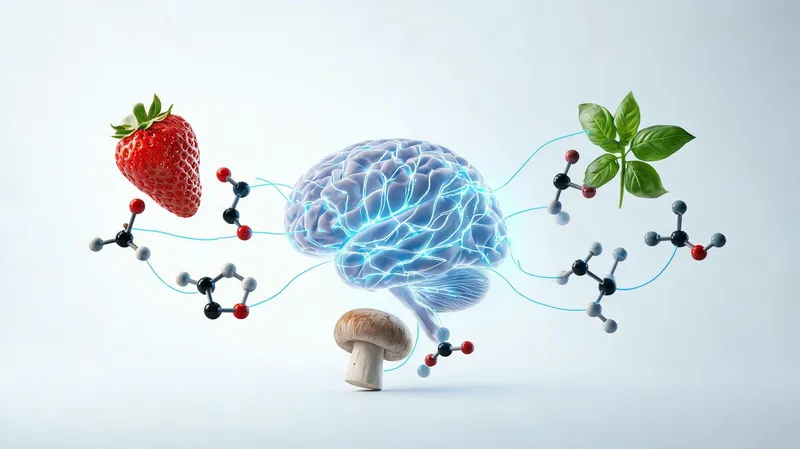
Allergen control is another major challenge for AI-generated recipes. AI needs to spot both obvious and hidden allergens—soy in sauces, for example, or gluten in thickeners. An AI recipe might list 'soy sauce' without identifying soy as an allergen, which could set off severe reactions in sensitive people. FDA statistics show that undeclared allergens account for a significant share of food recalls and allergic reactions each year. AI should also warn about cross-contamination and propose safe substitutions. Picture an AI recipe for nut-free pesto that still recommends a blender previously used for nuts; that could cause cross-contact. Best practices from allergen management standards—such as those from FARE and EAACI—stress the importance of cleaning steps and alternative ingredients. AI systems can be trained to recognize these risks and suggest safe swaps, such as sunflower seeds for pine nuts or coconut aminos for soy sauce. By incorporating allergen databases and molecular cross-reactivity data, generative recipe systems can offer better protection to consumers.
Toward Safer AI Cooking: Predictive Analytics and Real-Time Monitoring
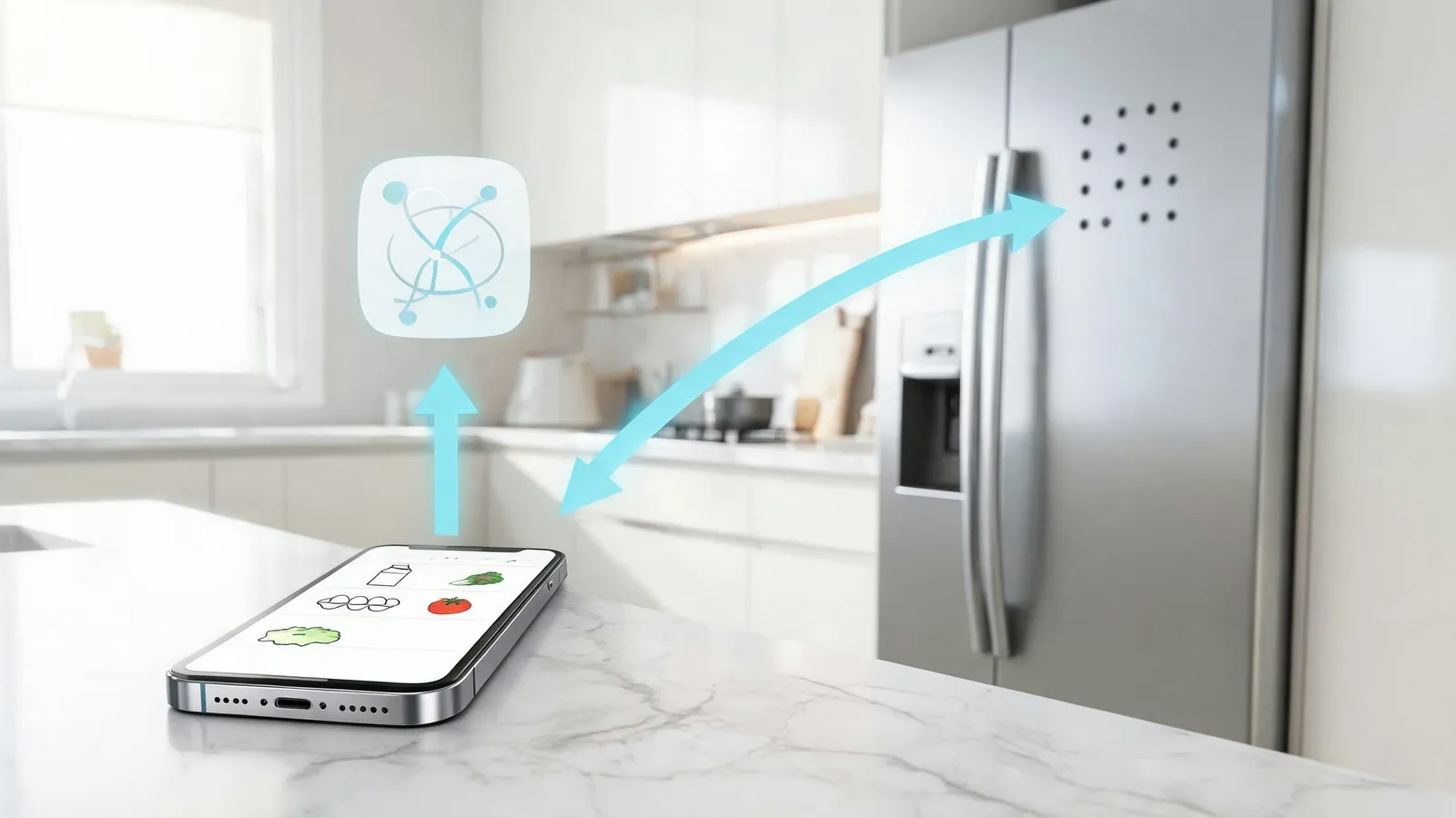
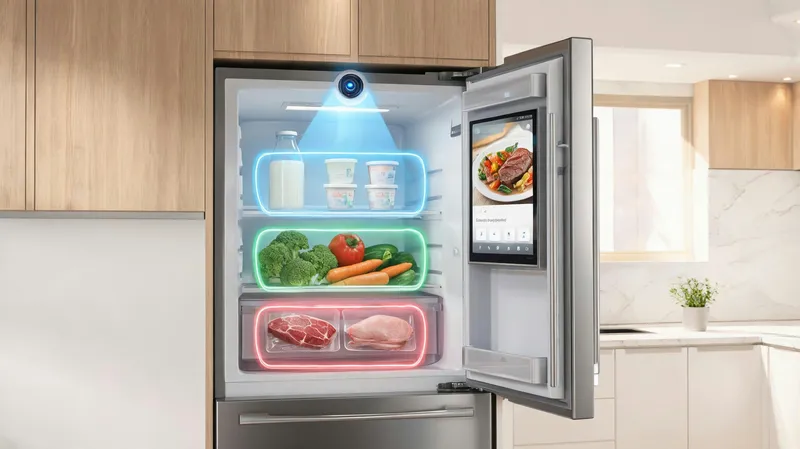
The next stage in safe AI cooking involves combining predictive analytics with real-time monitoring. IoT sensors in smart kitchens can track temperature and humidity and correct AI instructions as cooking proceeds. A smart oven, for example, could override an unsafe AI setting and alert the user. Data suggest that IoT integration can reduce cooking errors by up to 60%. In addition, machine learning models trained on molecular structures can predict cross-reactivity and new allergen risks. One startup is already using ML to flag hidden allergens in generative recipes by analyzing ingredient combinations at the molecular level. As these technologies advance, AI systems could validate themselves using real-time data, making generative recipes safer and more dependable. That would improve food safety and also strengthen consumer trust in AI-assisted cooking.
Conclusion
AI could transform home cooking, but confidence in generative recipes rests on rigorous safety checks. The three central risks—unsafe cooking temperatures, hazardous ingredient combinations, and allergen hazards—need to be tackled through a mix of rule-based validation, human expert review, and emerging tools such as IoT and predictive analytics. Putting these frameworks in place can help ensure that AI recipes are creative as well as safe and reliable. As AI evolves, continued collaboration among food safety professionals, AI developers, and culinary experts will be crucial for protecting consumers and encouraging innovation in the kitchen.