How Diffusion Models and Smart Editing Tools Are Transforming Visual Creation
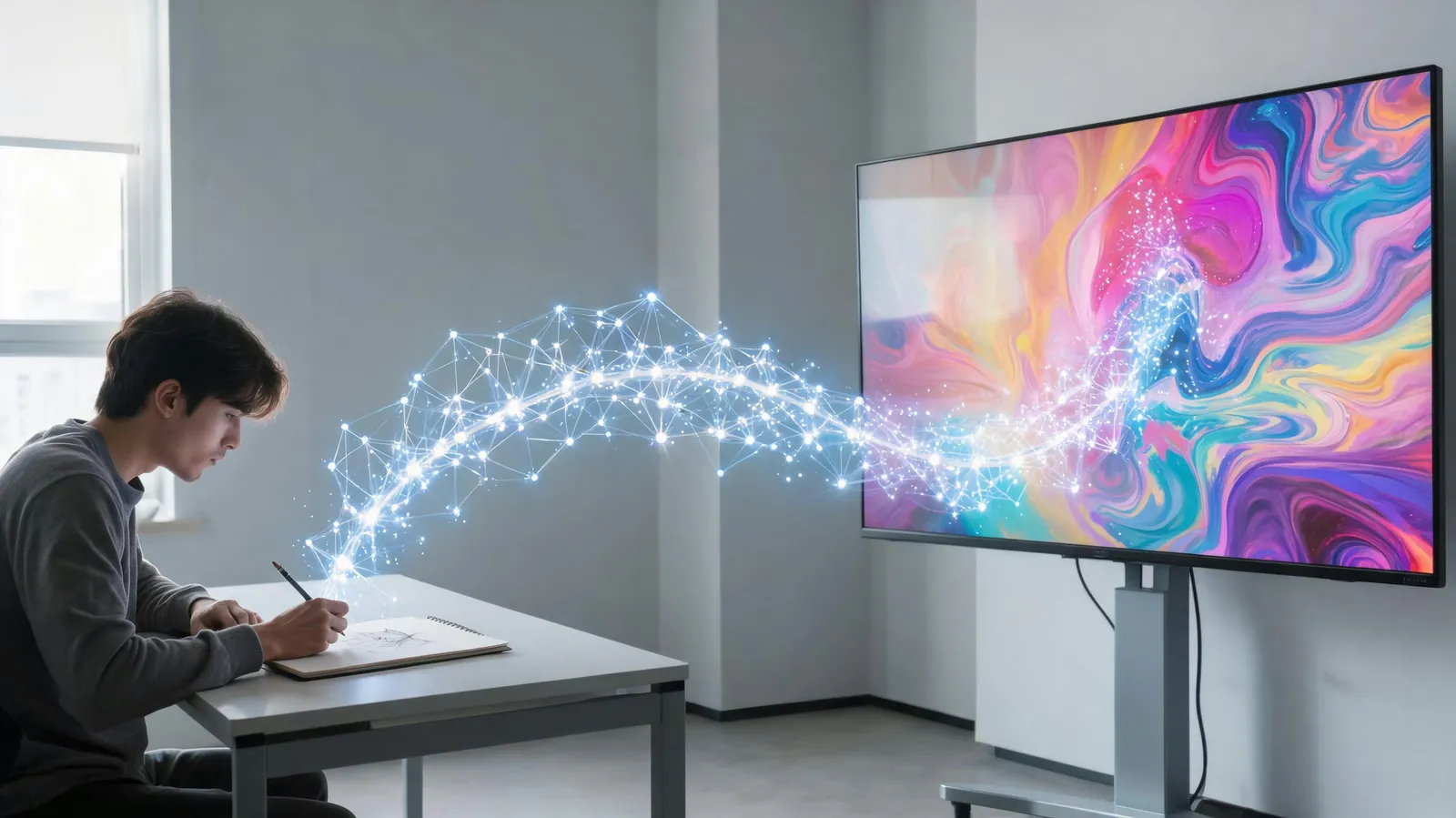
In 2021, turning a text prompt into a realistic image was a research demo. By 2024, it had become a standard feature in design software, social apps, and even smartphone cameras. The shift is not just about prettier pictures—it is about who gets to make them. AI image generation tools have collapsed the distance between an idea and a finished visual, and the ripple effects are being felt across advertising, entertainment, education, and journalism in the United States.
This article walks through the engine behind modern AI art, the editing tools that let you reshape photos with plain language, the personalization techniques that turn a model into your model, and the unresolved ethical questions that courts and regulators are only beginning to address.
1. Diffusion Models and Text-to-Image Synthesis: The Engine of Modern AI Art
At the heart of tools like Stable Diffusion, DALL-E 2, and Midjourney is a class of generative models called diffusion models. Understanding them requires only one core idea: learning to reverse noise.
1.1 How Diffusion Models Work: Forward and Reverse Processes
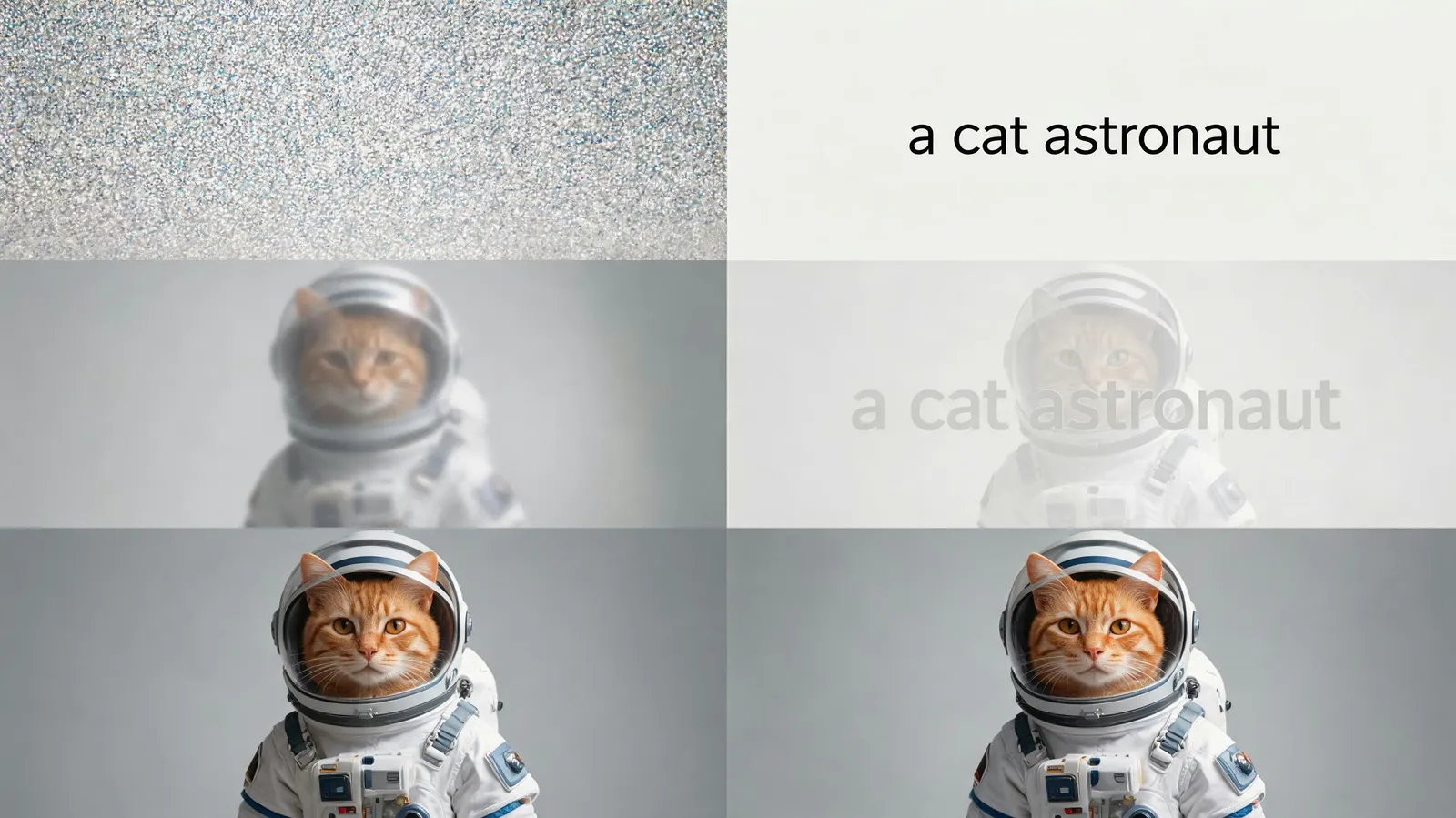
A diffusion model is trained in two stages. In the forward process, the model takes a clean image and progressively adds random noise over hundreds or thousands of steps until the image becomes pure static. In the reverse process, the model learns to undo that corruption—starting from noise and gradually denoising it back into a coherent image. Once trained, the model can start from fresh random noise and, guided by a text prompt, generate a brand-new image that never existed before.
This approach differs fundamentally from earlier generative adversarial networks (GANs), which pit a generator against a discriminator. GANs can be fast but are notoriously unstable to train and prone to mode collapse, where the model produces a narrow range of outputs. Diffusion models are more stable, scale more gracefully with data and compute, and tend to produce higher-fidelity, more diverse results—which is why they became the dominant architecture for text-to-image synthesis after 2021.
1.2 Applications and Impact on Creative Industries
The practical impact has been immediate. Concept artists use AI image generation tools to explore dozens of visual directions in the time it once took to sketch one. Advertising agencies generate campaign mockups before a photographer is ever booked. Game studios prototype environments and characters in hours rather than weeks. Product teams create rapid visual prototypes for packaging, UI, and storyboards.
Adoption numbers tell a similar story. Industry surveys through 2023 and 2024 consistently show that a majority of professional designers in the US now use some form of generative AI in their workflow, and platforms hosting these models report billions of images generated cumulatively. The volume alone signals that this is not a niche experiment—it is a structural change in how visual content is produced.
2. Instruction-Based Image Editing and Inpainting: Precision Without the Pain
Generating images from scratch is only half the story. Some of the most practical AI image generation tools are actually editing tools—systems that modify existing photos based on natural-language instructions or targeted masks.
2.1 Natural Language Instructions for Editing
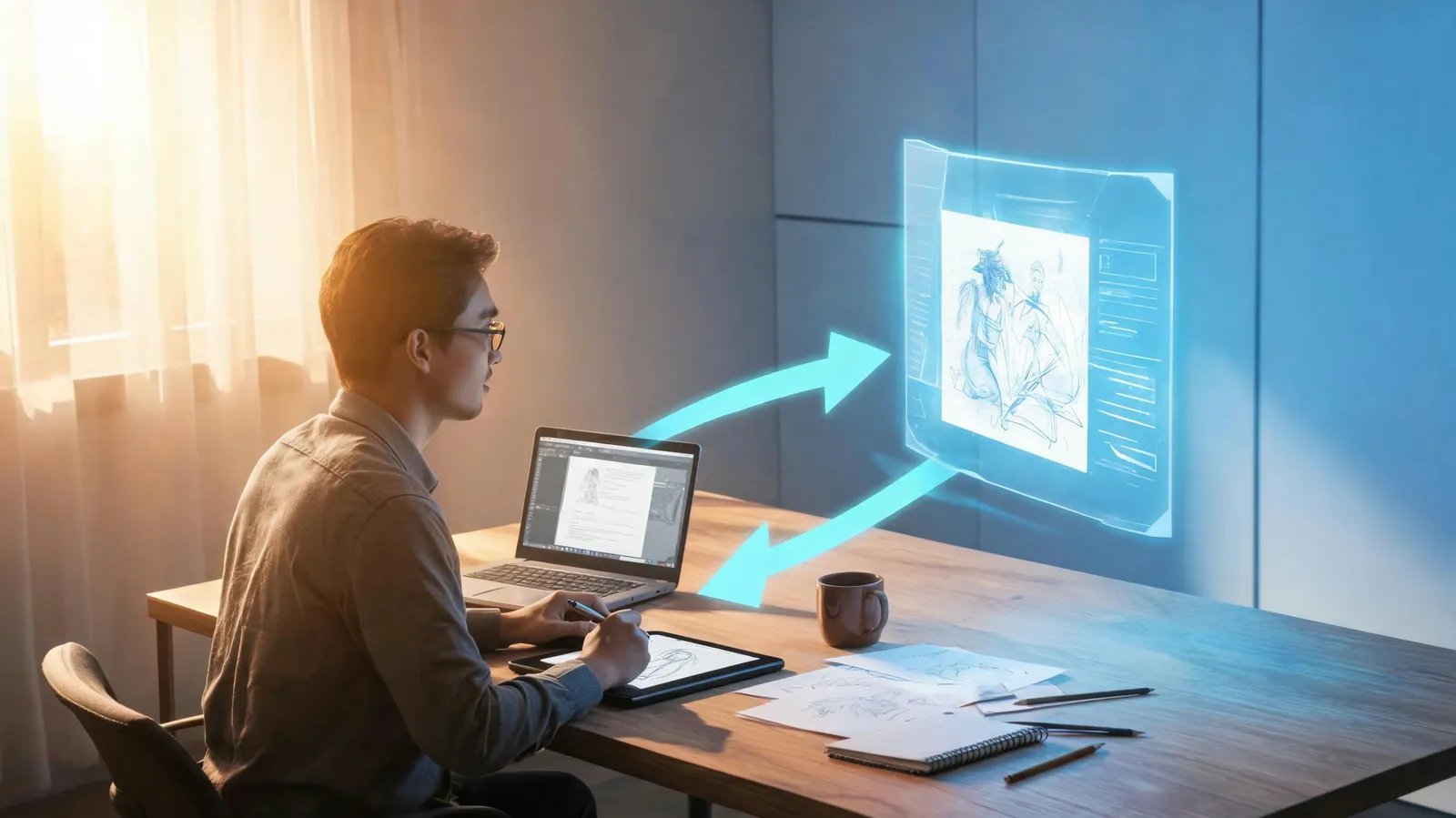
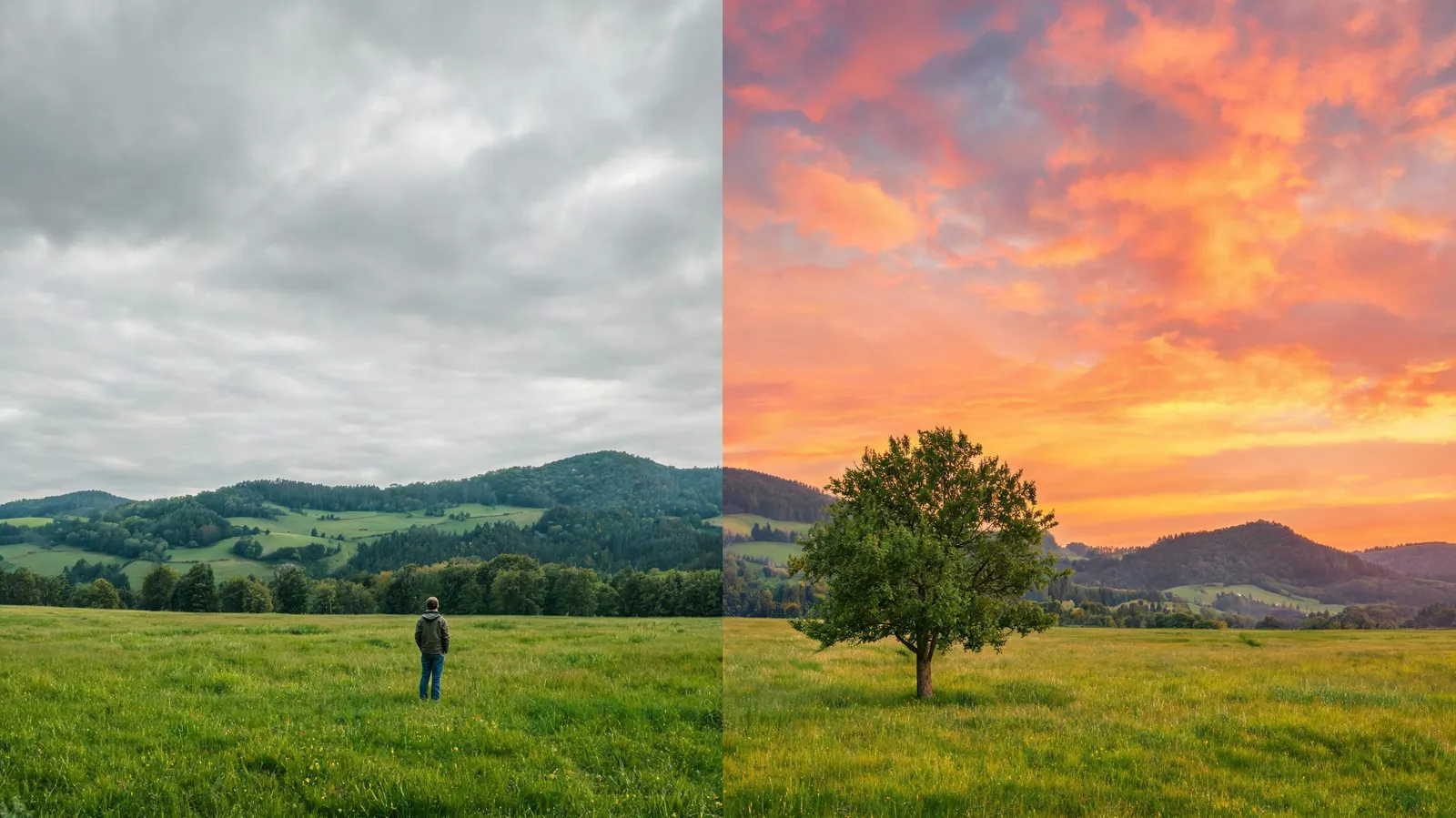
Instruction-based editing lets a user type something like “make the sky sunset-colored” or “turn the jacket red” and have the model apply that change while preserving the rest of the image. Tools such as InstructPix2Pix demonstrated the research foundation, and commercial products like Adobe Firefly have brought similar capabilities into mainstream creative software.
The appeal is speed and accessibility. Tasks that once required layered selections, masking, and color grading can now be described in a sentence. User studies and vendor reports consistently point to significant time savings for common edits, and the learning curve is dramatically lower for non-designers.
2.2 Inpainting and Outpainting for Content-Aware Fill and Expansion
Inpainting refers to filling in missing or masked regions of an image—removing an unwanted object, repairing a damaged photo, or replacing a person in the foreground with something else. Outpainting extends an image beyond its original borders, generating plausible new content that matches the existing scene.
Real-world examples are everywhere: restoring old family photographs, removing photobombers from vacation shots, cleaning up product images, and expanding a cropped photo to fit a wider aspect ratio for a billboard. The technical challenge is maintaining context—ensuring the new pixels respect lighting, perspective, and texture. Modern diffusion-based inpainting models handle this far better than earlier patch-based methods, though they are not perfect and can still produce artifacts when the surrounding context is ambiguous.
3. Style Transfer and Personalized Image Generation: Your AI, Your Style
If diffusion models are the engine, personalization is the steering wheel. Style transfer and fine-tuning techniques let users push AI image generation tools toward a specific aesthetic—whether that is a famous painter, a brand’s visual identity, or a single person’s face.
3.1 Style Transfer Techniques: From Gatys et al. to Modern Diffusion-Based Methods
The modern era of neural style transfer began with Gatys et al. in 2015, who showed that a convolutional network could separate the content of one image from the style of another and recombine them. Early results were impressive but limited in resolution and flexibility. Diffusion-based methods have since pushed quality much further, enabling style transfer that preserves fine detail and works across a wide range of inputs.
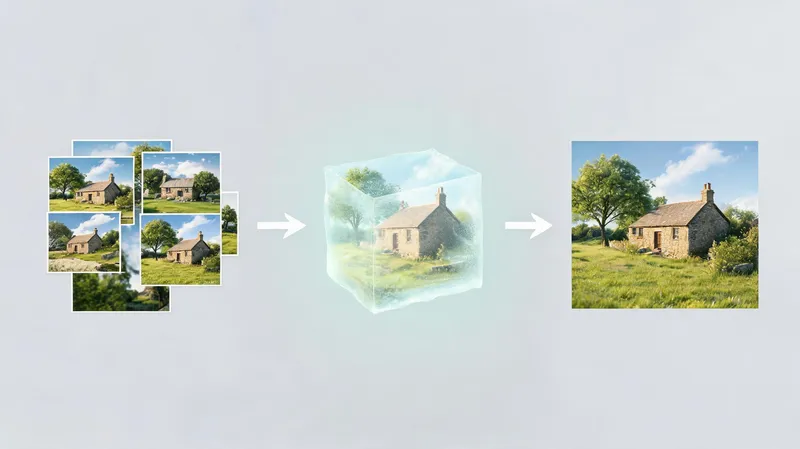
Tools like DreamBooth and LoRA (Low-Rank Adaptation) allow users to fine-tune a large model on just a handful of personal images. The result is a personalized model that can generate new images of a specific person, pet, or product in novel poses and settings—something that was impractical only a few years ago.
3.2 Personalization for Brands and Individuals
Brands use these techniques to generate on-brand visuals at scale, from social media assets to localized ad variations. Individuals use them for custom avatars, personalized gifts, and creative projects. Marketing teams can produce dozens of tailored images for different audience segments without a full photo shoot.
But personalization raises a thorny issue: style mimicry. When a model is fine-tuned on a living artist’s work without consent, the output can closely imitate their signature style. This has triggered ongoing debates about artist consent, compensation, and whether style itself should be protectable. In the US, these questions remain largely unsettled.
4. Ethical and Copyright Challenges in AI-Generated Images: Navigating the Gray Areas
The rapid spread of AI image generation tools has outpaced the legal and ethical frameworks meant to govern them. For creators in the United States, several issues deserve careful attention.
4.1 Copyright and Ownership: Who Owns AI-Generated Art?
The US Copyright Office has repeatedly stated that works generated purely by a machine, without human authorship, are not eligible for copyright protection. That means a prompt alone may not be enough to secure ownership. However, when a human contributes meaningful creative expression—through extensive editing, arrangement, or selection—the resulting work may qualify for protection. The line between the two is still being drawn case by case.
A parallel debate concerns training data. Many models are trained on vast datasets scraped from the internet, including copyrighted images. Whether that constitutes fair use is the subject of active litigation in the US, and the outcomes will shape how AI image generation tools are built and licensed going forward.
4.2 Deepfakes, Misinformation, and Consent
AI image generation tools can also be misused. Deepfakes—synthetic images or videos that depict real people doing or saying things they never did—have been used for harassment, fraud, and political misinformation. Detection tools exist but struggle to keep pace with generation quality.
In response, some US states have passed laws targeting non-consensual intimate imagery and election-related deepfakes, and major platforms have introduced labeling and policy requirements. Enforcement, however, remains uneven, and creators should assume that any image they publish could be scrutinized.
4.3 Bias and Representation in AI Models
Studies have repeatedly shown that generative models can amplify stereotypes present in their training data—for example, defaulting to certain demographics when prompted with generic terms like “CEO” or “nurse.” This matters for brands, publishers, and anyone using AI image generation tools to communicate with diverse audiences.
Efforts to address bias include more inclusive datasets, better evaluation benchmarks, and prompt-engineering practices that explicitly specify diversity. Progress is real but incomplete, and responsible use requires ongoing vigilance rather than a one-time fix.
Conclusion: A Democratized Canvas Comes With Responsibility
AI image generation tools have moved from research labs to everyday workflows in less than five years. Diffusion models made high-quality text-to-image synthesis practical; instruction-based editing and inpainting made precision editing accessible; style transfer and fine-tuning made personalization possible. Together, these advances are democratizing visual creation in ways that benefit hobbyists and professionals alike.
But democratization is not the same as deregulation. Copyright ownership, training data, deepfakes, and bias are not side issues—they are central to how these tools will be adopted and trusted in the United States and beyond. The next wave of innovation will likely bring tighter integration with multimodal AI, real-time editing, and evolving regulation. Creators who understand both the capabilities and the constraints of AI image generation tools will be best positioned to use them well.