Psychometric Assessments of Divergent and Convergent Thinking
For many years, psychometric tests have served as the foundation of creativity measurement. They offer standardized and dependable ways to assess the cognitive processes that support creative thought. Two main components are usually evaluated: divergent thinking and convergent thinking.
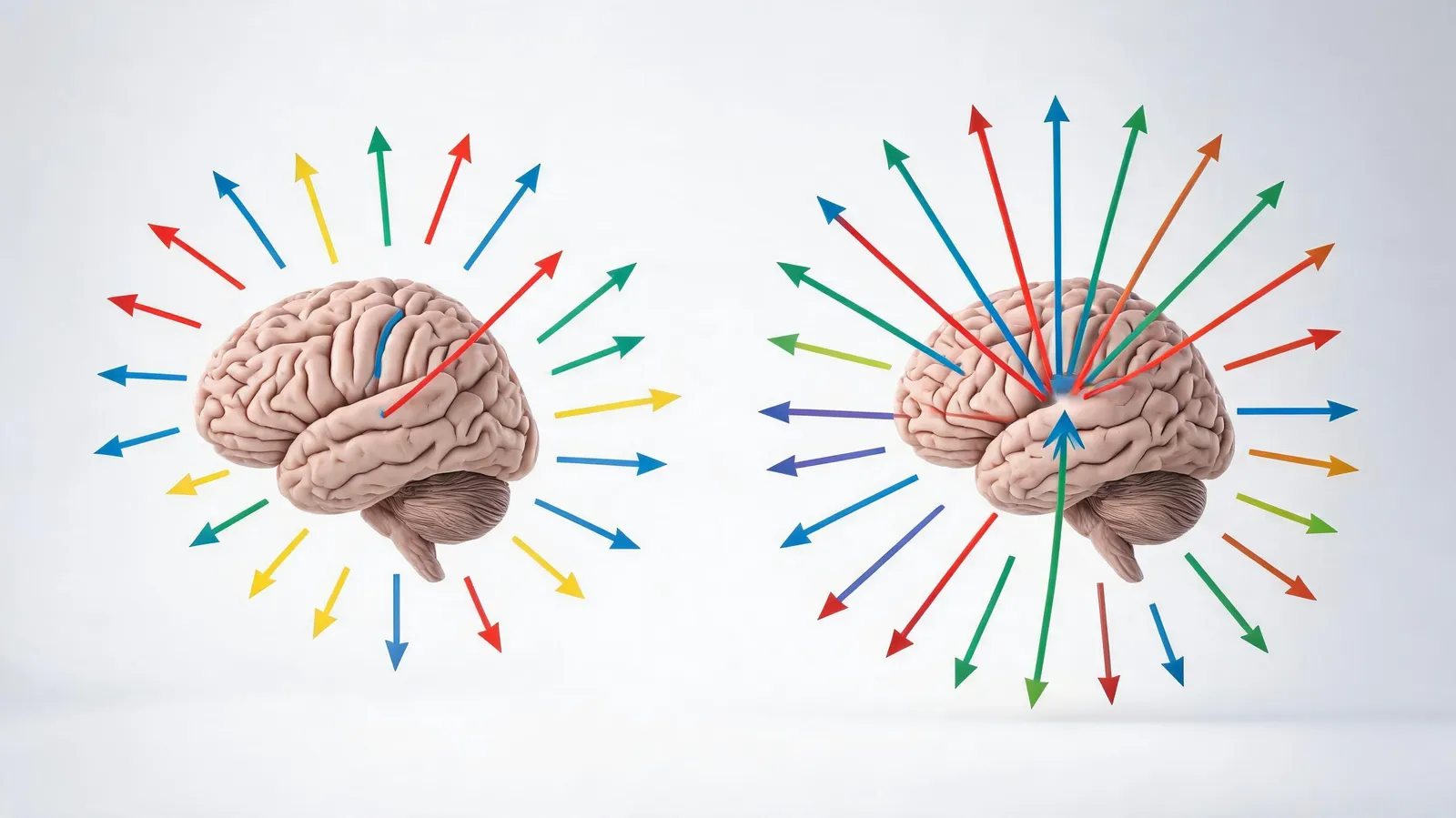
Divergent thinking tests gauge the capacity to produce many original ideas or solutions. The most commonly used tool is the Torrance Tests of Creative Thinking (TTCT), which measures fluency (the number of ideas), flexibility (the range of categories), originality (the statistical rarity of ideas), and elaboration (the amount of detail). Another frequently used instrument is the Alternative Uses Task, in which people list unusual uses for everyday objects such as a brick or a paperclip. Meta-analyses indicate that divergent thinking tests have moderate predictive validity for creative achievement, although they account for only part of real-world creative performance.
Convergent thinking tests evaluate the ability to arrive at a single correct solution for a clearly defined problem. The Remote Associates Test (RAT) is a classic example: participants must find a word that connects three seemingly unrelated words (for example, "cottage," "swiss," and "cake" lead to "cheese"). Insight problems, such as the candle problem, also tap convergent thinking. Research suggests that convergent thinking works alongside divergent thinking in creative problem solving; people with high creative achievement often perform well on both. Correlations with real-world innovation outcomes underscore the value of assessing both modes.
Automated Creativity Scoring and Feedback Using AI

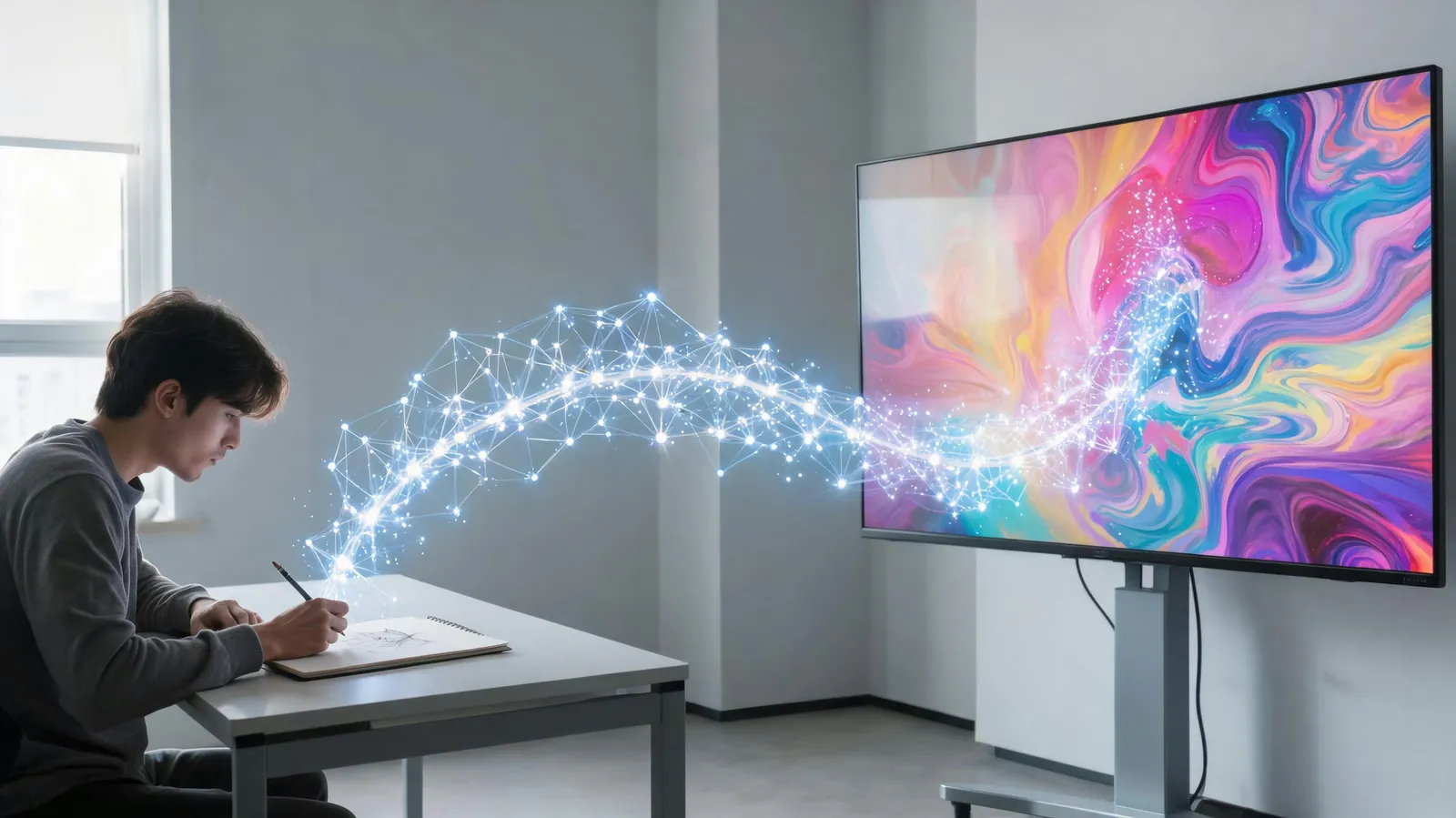
Artificial intelligence is transforming creativity assessment by automating the scoring of open-ended responses and delivering feedback in real time. Natural language processing (NLP) and machine learning models are now able to evaluate divergent thinking tasks with considerable accuracy. For example, semantic distance—a measure of how far apart a response is from the prompt in meaning—is used to quantify originality. Studies have found strong correlations between AI scores and ratings from human experts, which makes AI a scalable and objective alternative to manual scoring.
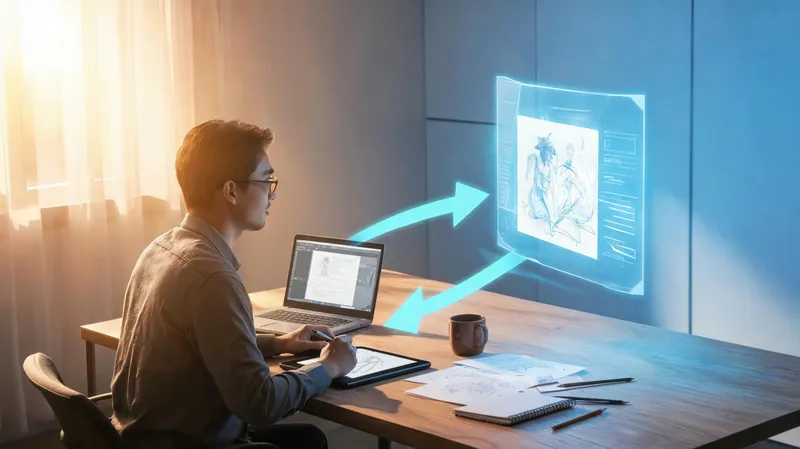
Systems such as the Automated Creativity Scoring System (ACSS) illustrate this development. ACSS applies advanced NLP to score responses to the Alternative Uses Task, giving immediate scores for fluency, flexibility, and originality. In educational contexts, AI-powered feedback has been shown to enhance creative performance by providing personalized suggestions and encouraging repeated idea generation. In addition, AI makes adaptive testing possible, in which task difficulty changes according to the respondent's performance, leading to more precise estimates of creative potential. This scalability is especially useful for large-scale assessments in schools, organizations, and research.
Capturing Everyday Creativity with Ecological Momentary Assessment
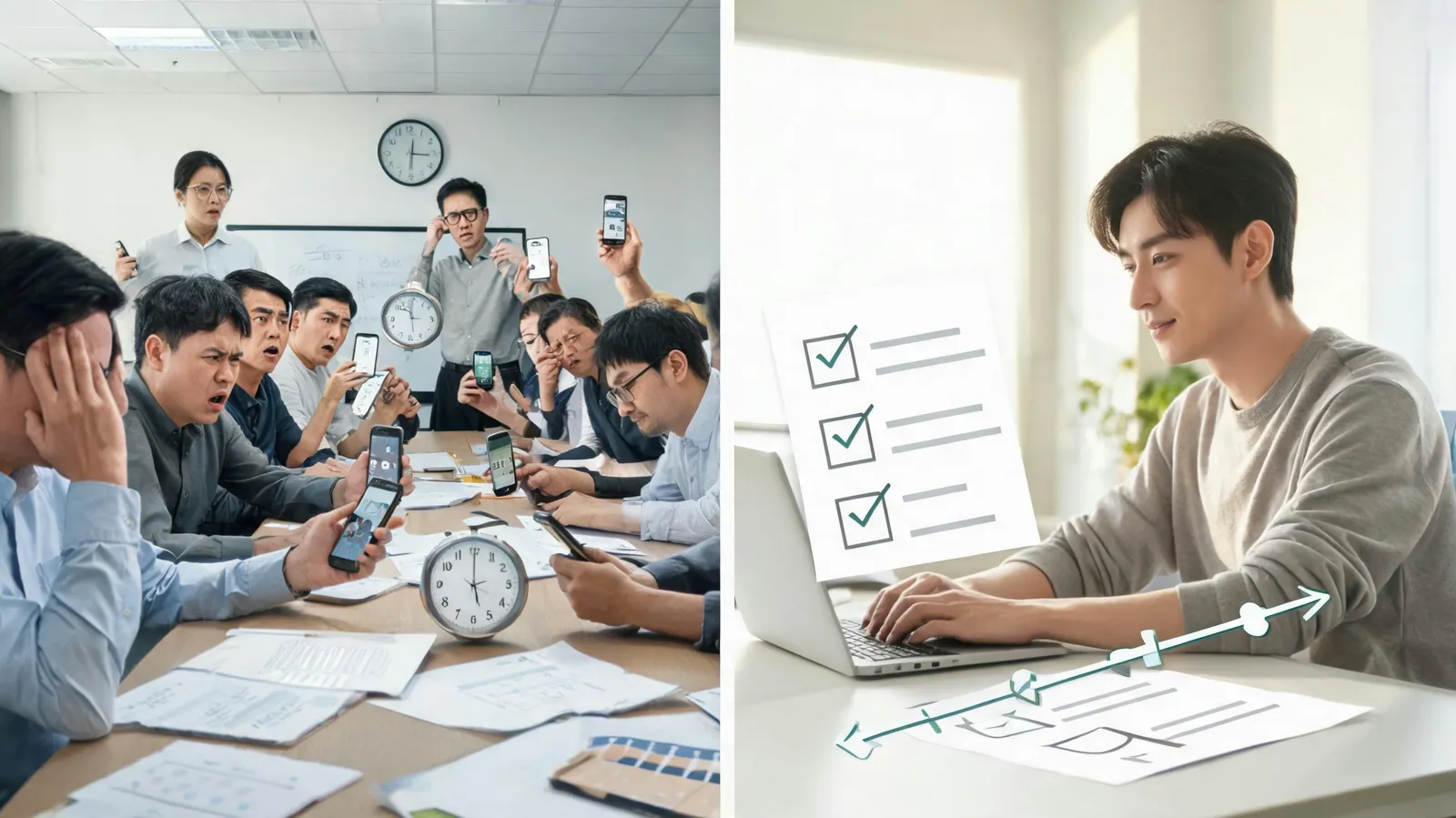
Laboratory tests capture creative potential, but they often do not predict creative behavior in daily life. Ecological Momentary Assessment (EMA) fills this gap by using smartphones and wearables to ask participants to report their creative activities, thoughts, and emotions in real time and in their natural settings.
EMA protocols typically include questions such as "Did you do something creative in the last hour?" or "How creative do you feel right now?" Participants answer through a mobile app, which allows researchers to track dynamic fluctuations in creativity across days and situations. Studies have shown that EMA captures variability that lab tests overlook and predicts creative achievement better than traditional measures. For instance, a study of professional artists found that creative behavior reported through EMA was more strongly associated with actual creative output than scores on divergent thinking tests.
The benefits of EMA include ecological validity (real-world context), reduced recall bias (real-time reporting), and the ability to connect creativity with contextual factors such as mood, environment, and social interactions. In organizational settings, EMA has been used to monitor innovation behaviors and to identify when and where employees are most creative. In education, it helps reveal students' creative engagement outside the classroom.
Toward a Multi-Method Approach
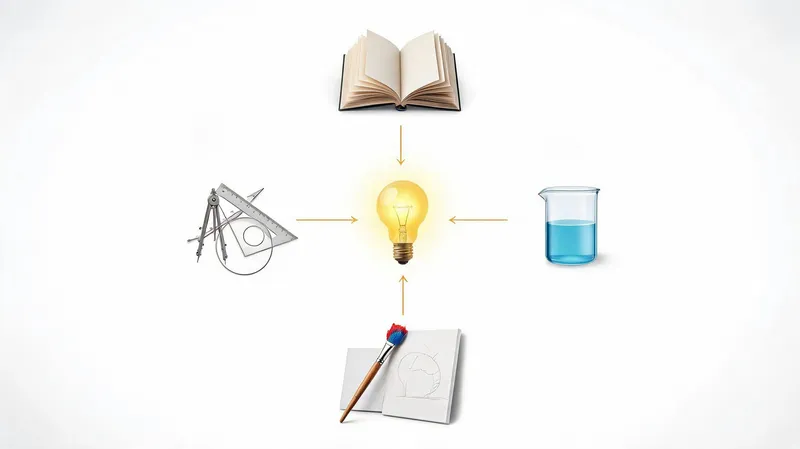
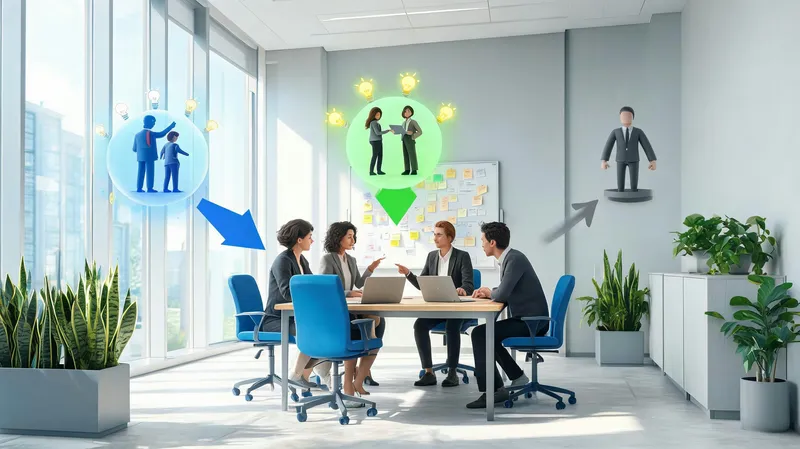
The future of creativity assessment involves combining psychometric tests, AI-powered scoring, and EMA into a multi-method framework. This triangulation approach captures different aspects of creativity: psychometric tests provide standardized measures of cognitive potential; AI offers scalable, objective scoring and real-time feedback; and EMA supplies ecologically valid data on everyday creative behavior.
Multi-method studies have demonstrated greater predictive power for creative achievement. For example, combining divergent thinking scores with EMA reports and AI-scored originality produces a more comprehensive creativity profile. Challenges remain, including data integration, privacy concerns, and the need for cross-cultural validation. Nevertheless, practical applications are already appearing. In talent identification, organizations can use AI-scored tests for initial screening and EMA for ongoing development. In education, adaptive testing and personalized feedback can support creativity. Future directions include using virtual reality (VR) to simulate creative environments and applying ethical AI to ensure fairness.
Conclusion
Measuring creativity is no longer limited to the laboratory. Psychometric tests, AI, and EMA each address shortcomings of traditional methods, and their integration holds promise for a more complete and dynamic picture of creative potential. As these technologies mature, they will open new possibilities for education, work, and personal growth. The task ahead is to ensure ethical, valid, and culturally sensitive implementation—so that we can truly measure the unmeasurable.