AI as a Creative Partner: Transforming Processes and Professions
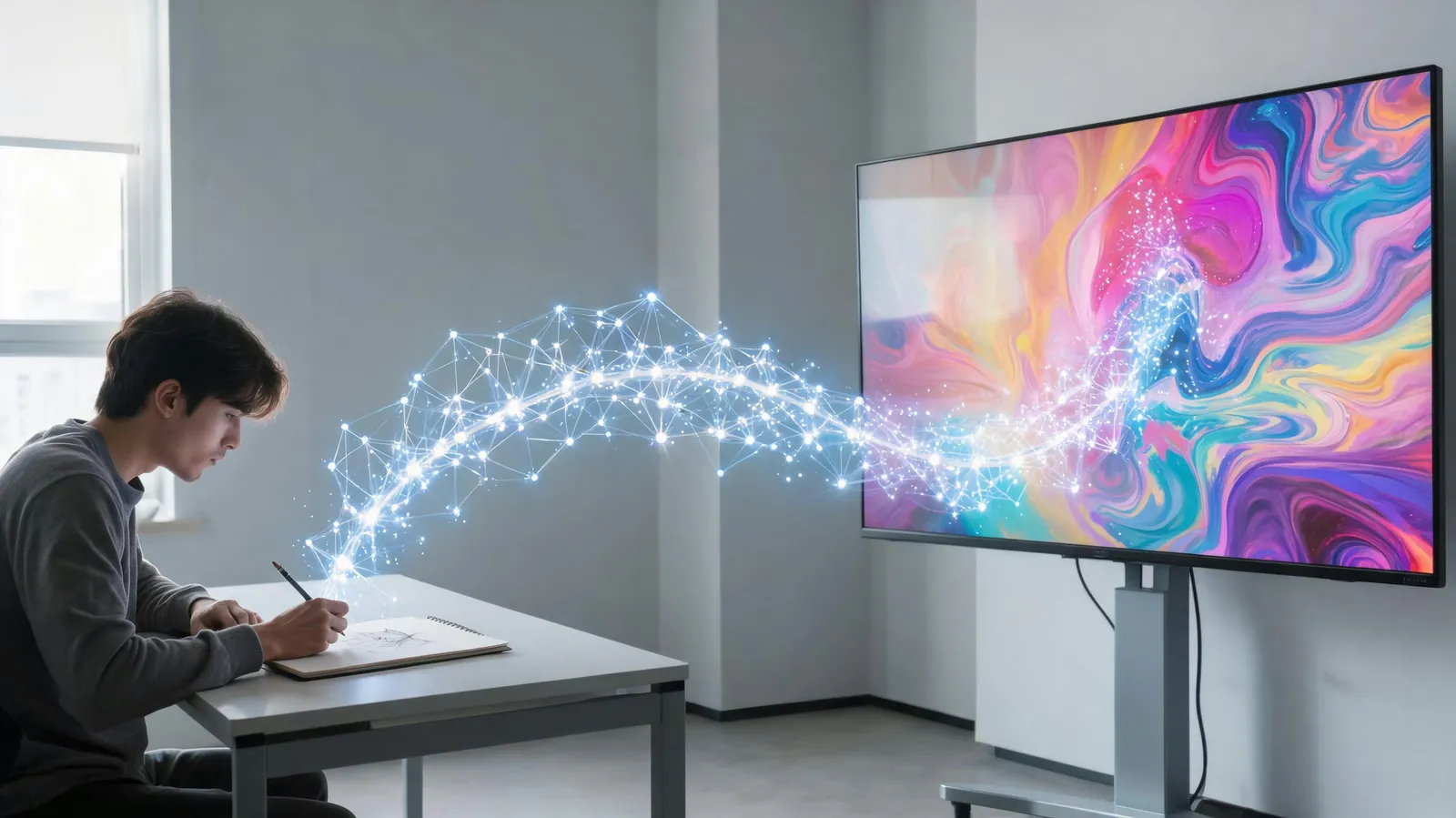
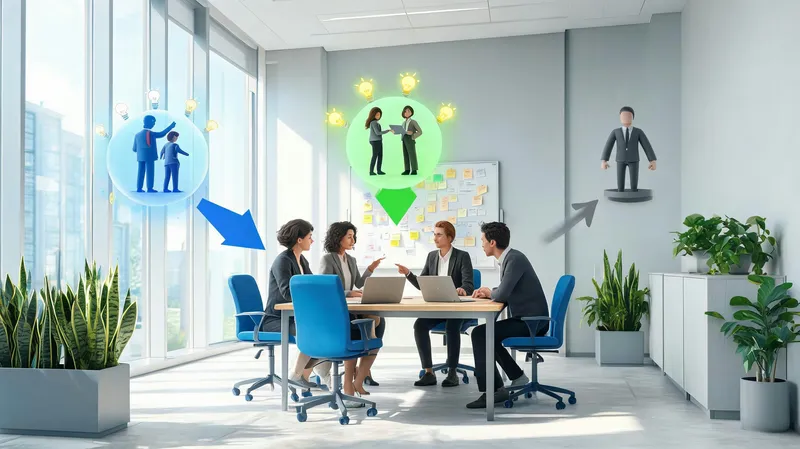
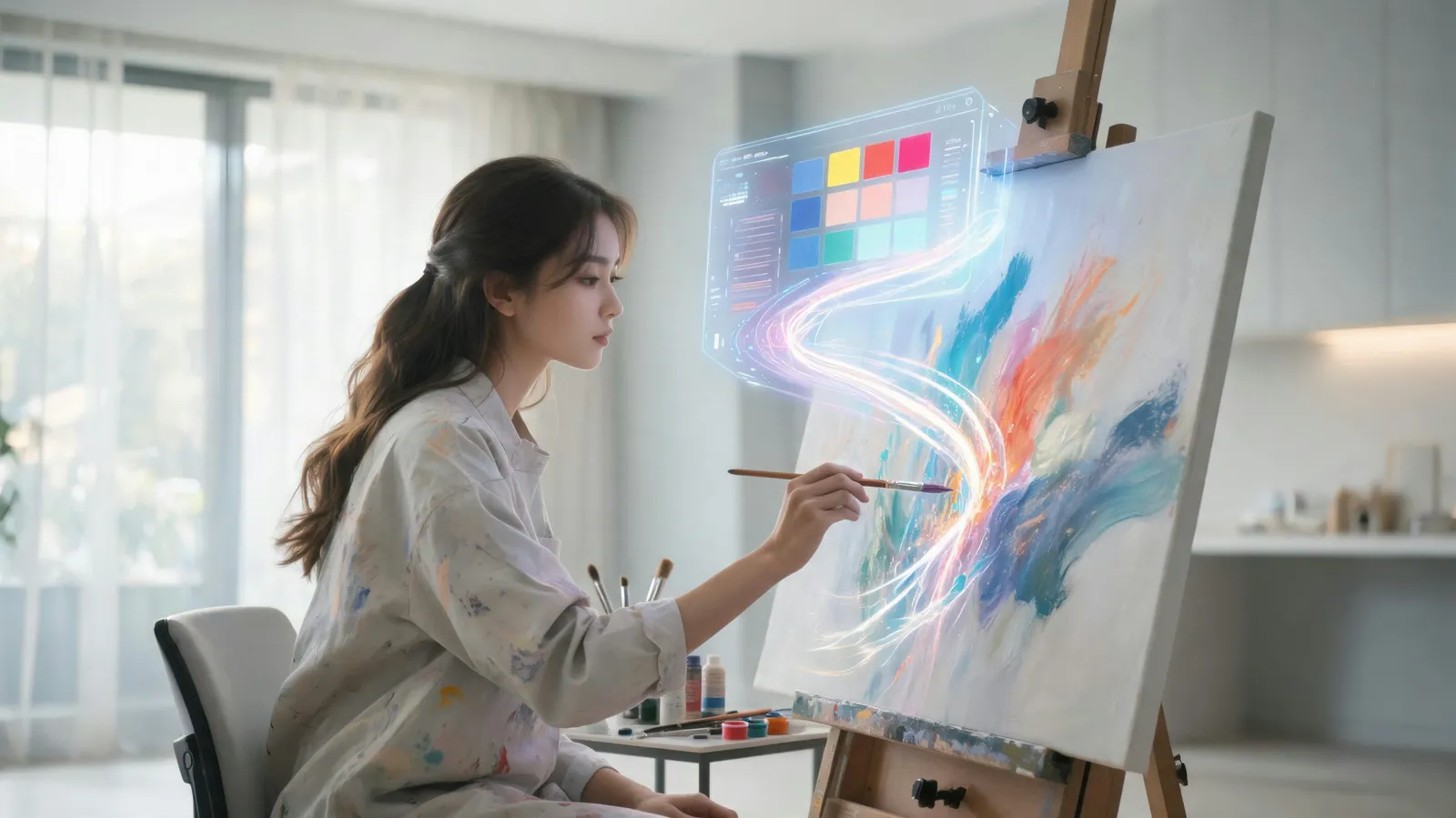
Collaboration between people and artificial intelligence is increasingly shaping creative work. AI is not simply replacing human creators; it is functioning as a co-creator that extends imagination, speeds up iteration, and introduces new forms of expression. This evolution is altering creative professions and outputs in fields such as art, music, literature, and design.
From Tools to Partners in the Creative Process
AI has moved beyond being a passive instrument to become an active participant in creative work. Artists use generative models to produce visual art, compose music, and draft writing. Tools such as DALL·E, Midjourney, and Stable Diffusion allow artists to generate complex imagery from text prompts, and AI music platforms like AIVA and Amper compose original scores. Rather than merely automating tasks, these technologies are broadening the creative toolkit.
Several case studies illustrate this change. Media artist Refik Anadol employs AI to build immersive, data-driven installations that react to environmental inputs. Musician Holly Herndon works with an AI called Spawn to create experimental music. These examples demonstrate that AI can serve as a creative partner rather than a substitute.
New Roles and Evolving Skills in Creative Fields
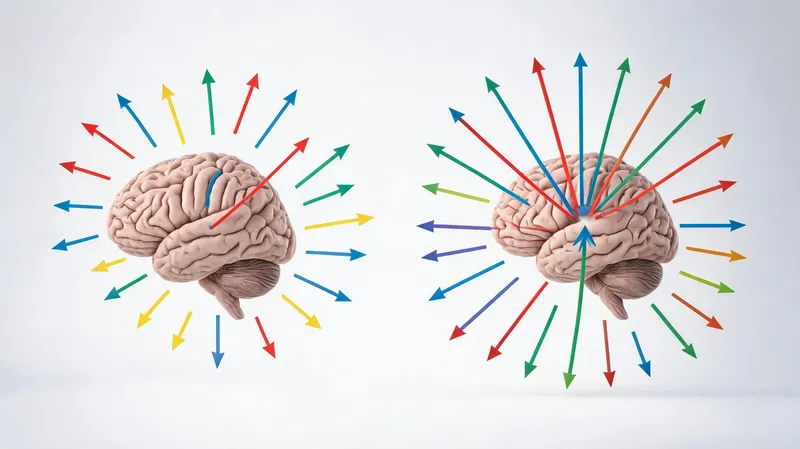
AI co-creation is generating new positions, including prompt engineers, AI curators, and creative technologists. Prompt engineers design precise instructions to steer AI outputs, combining technical and creative abilities. AI curators select and refine AI-generated content to ensure quality and relevance. Surveys suggest that creative jobs are transforming rather than vanishing, with growing demand for skills such as critical thinking, emotional intelligence, and cross-disciplinary collaboration.
A 2023 report from the World Economic Forum projects growth in creative occupations, with AI augmenting rather than replacing human creativity. The future of creativity is likely to involve hybrid workflows in which humans and AI iterate together, expanding the boundaries of what is possible.
Creativity as a Core Skill in an Automated Economy
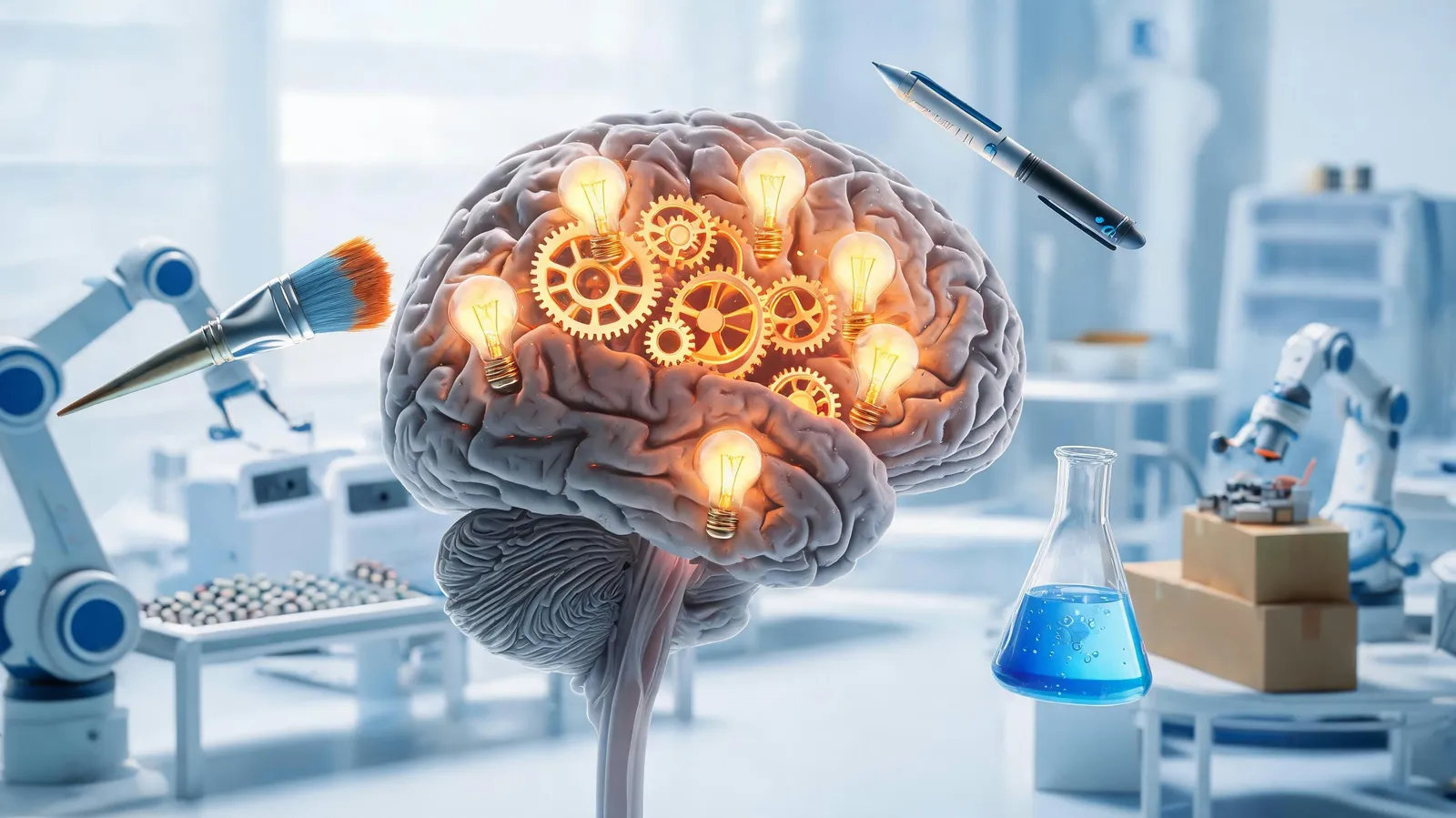
As automation spreads across sectors, creativity is becoming a core source of human value. Routine cognitive and manual tasks are increasingly automated, shifting economic value toward creative, non-routine work. This section argues that creativity will be essential for individuals, organizations, and economies to prosper in an automated world.
The Shift from Routine to Creative Work
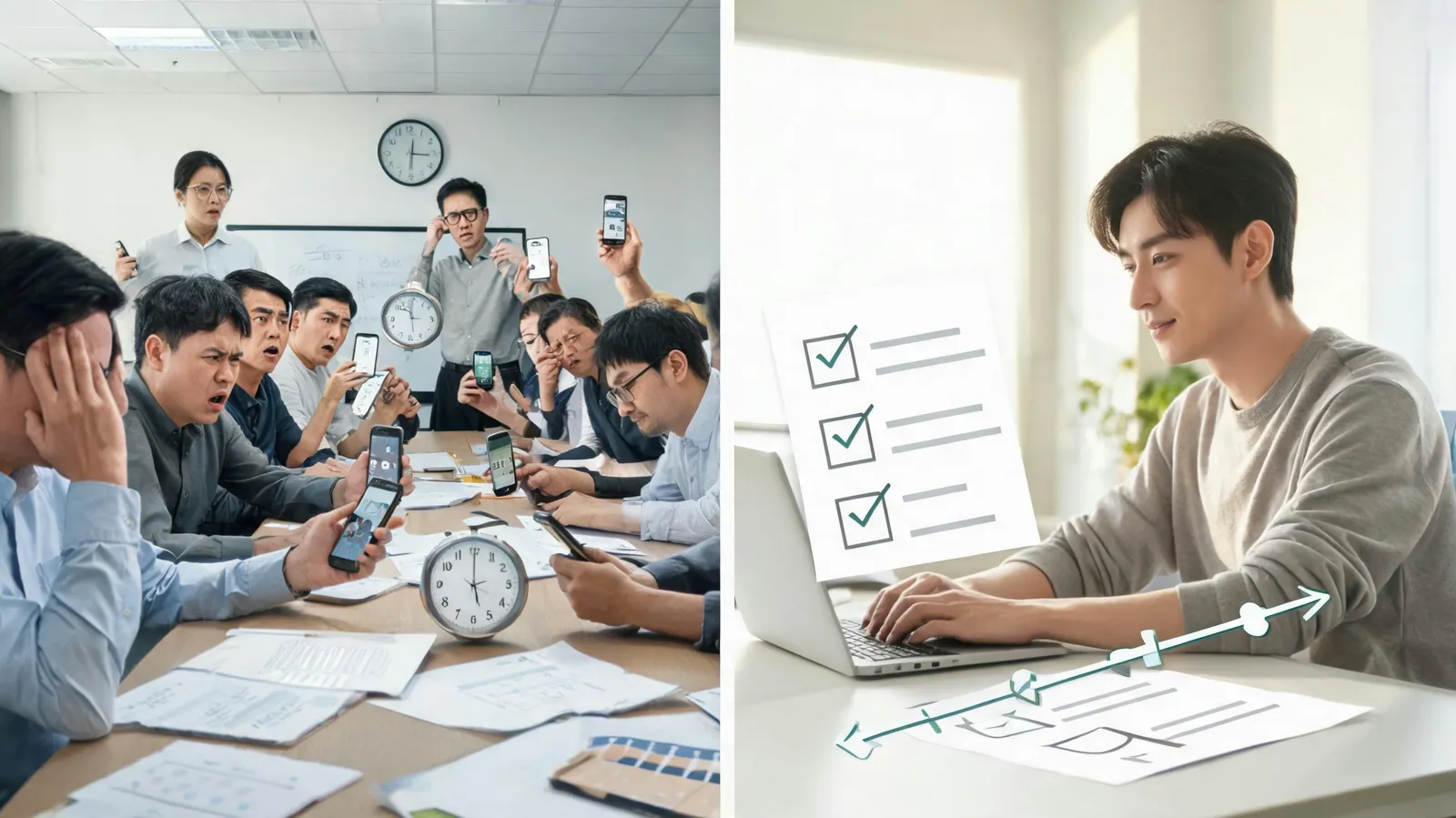
McKinsey projections indicate that up to 30% of current tasks could be automated by 2030. Creative occupations—such as design, research, and strategy—are less exposed to automation because they depend on originality, emotional intelligence, and complex problem-solving. Economic reports highlight the rising value of creative skills: the global creative economy is valued at over $2 trillion and employs more than 50 million people.
As routine work diminishes, creativity becomes a differentiator. Companies like Google and Apple invest heavily in creative talent, recognizing that innovation drives competitive advantage. The future of creativity extends beyond artistic expression; it involves applying creative thinking to solve complex problems in business, science, and society.
Education and Policy for Fostering Creativity
To prepare for this future, education systems must prioritize creativity. Schools are integrating creative curricula that emphasize project-based learning, design thinking, and interdisciplinary studies. Finland's education system incorporates creativity across subjects, while Singapore's DesignSingapore Council promotes design thinking in schools.
Policy initiatives also play a crucial role. Governments are investing in creative industries through grants, tax incentives, and infrastructure. The U.S. National Endowment for the Arts supports creative placemaking, while the EU's Creative Europe program funds cultural and creative sectors. These efforts aim to build an ecosystem where creativity flourishes, ensuring economic and social resilience in an automated economy.
Speculative Design and Foresight for Creative Ecosystems
Speculative design offers a method for envisioning and shaping future creative ecosystems. By creating tangible artifacts and scenarios, it helps communities, organizations, and policymakers explore possible, probable, and preferable futures. This section introduces speculative design and its application to building resilient creative ecosystems.
Understanding Speculative Design and Its Significance
Speculative design is a practice that uses design fiction and critical design to provoke discussion about future possibilities. It involves creating prototypes, scenarios, and narratives that challenge assumptions and spark imagination. Examples include Dunne & Raby's "United Micro Kingdoms" project, which explores alternative political systems, and Superflux's "Mitigation of Shock" project, which imagines life after climate change.
In creative industries, speculative design helps anticipate trends and disruptions. It enables stakeholders to visualize the impact of technologies like AI and automation on creative work. By making future scenarios tangible, speculative design fosters proactive rather than reactive strategies.
Applying Foresight to Build Resilient Creative Ecosystems
Foresight methods, such as scenario planning, help creative communities prepare for uncertainty. Scenario planning exercises bring together diverse stakeholders to develop plausible future scenarios and identify robust strategies. For instance, the city of Barcelona used scenario planning to envision its cultural future, leading to investments in digital infrastructure and creative hubs.
Case studies of cities investing in creative infrastructure demonstrate the value of foresight. Austin, Texas, has become a creative hub through sustained investment in music, film, and tech, supported by policies that attract creative talent. Seoul's Digital Media City integrates creative industries with technology, fostering innovation. These examples show how foresight and speculative design can build resilient creative ecosystems that adapt to change.
Conclusion: Shaping the Future of Creativity
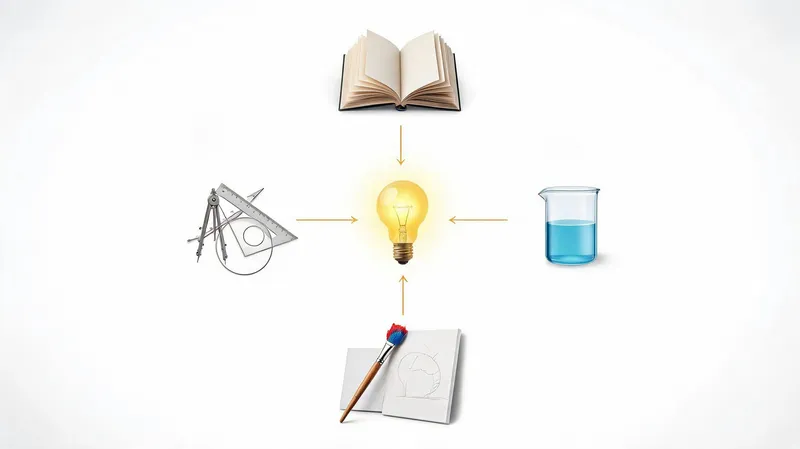
The future of creativity is not predetermined; it is shaped by the choices we make today. Human-AI co-creation, creativity as a core skill in an automated economy, and speculative design for creative ecosystems together offer a roadmap for a vibrant creative society. By embracing AI as a collaborative partner, prioritizing creativity in education and policy, and using speculative design to envision desirable futures, we can ensure that creativity remains a driving force for economic and social resilience.
Interdisciplinary collaboration, inclusive policies, and continuous foresight are essential. As automation reshapes the economy, creativity will be the key differentiator for individuals and nations. The creative horizon is bright, but it requires proactive shaping. Let us seize the opportunity to build a future where creativity thrives for all.