Introduction
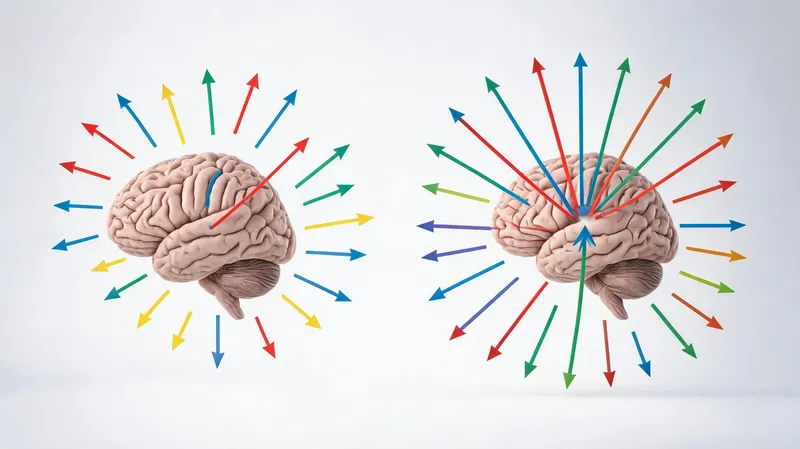
In a fast-changing world, creativity has shifted from a nice-to-have to a prerequisite for students' success. Conventional education frequently sidelines creativity, concentrating instead on standardized testing and memorization. Fostering creativity in schools requires action on three fronts: redesigning curriculum across subject areas, preparing teachers to create classroom climates that support innovation, and developing assessment methods that preserve rather than undermine intrinsic motivation.
Designing Curriculum for Creative Thinking Across Subjects
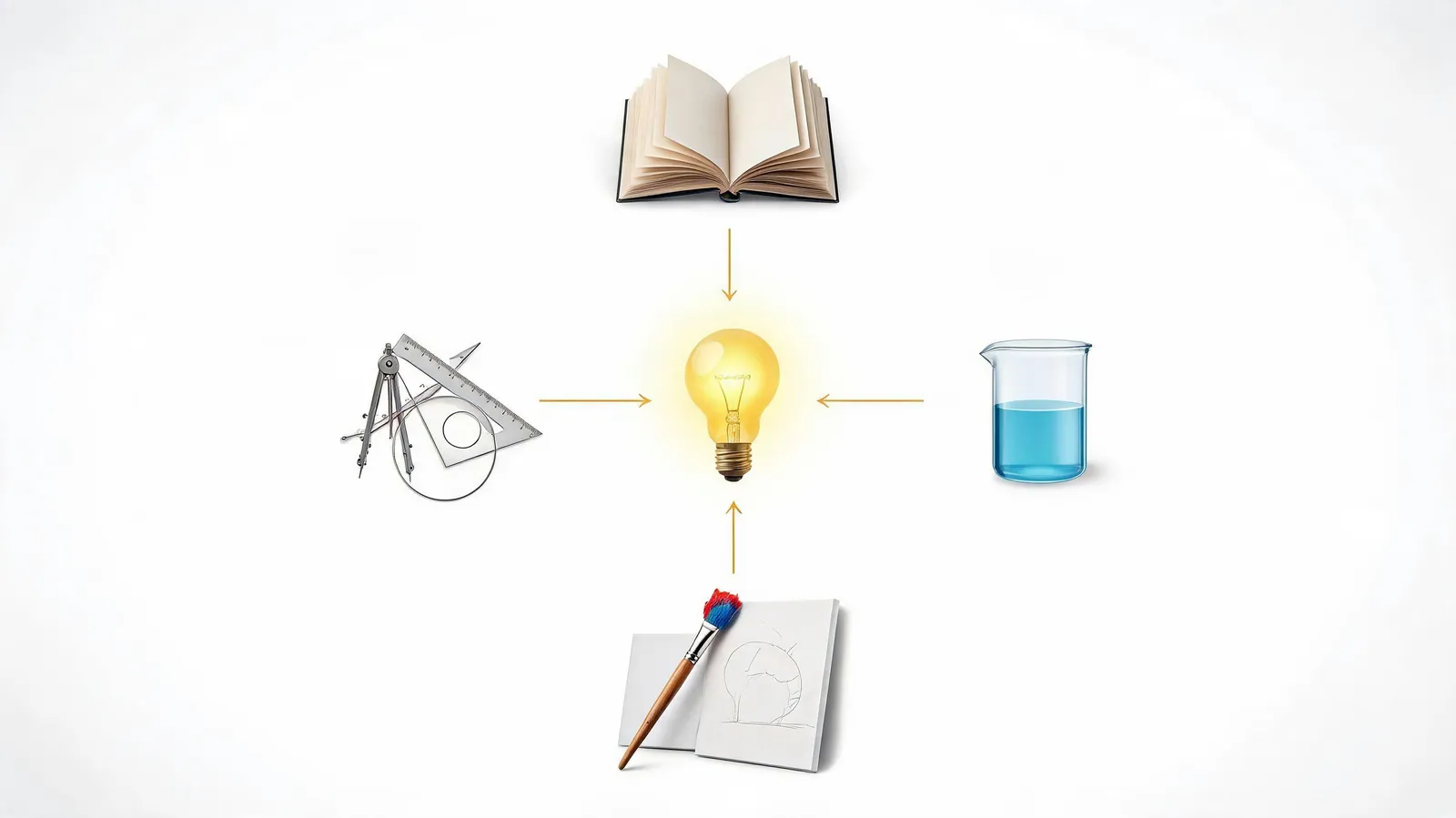
Connecting subjects through interdisciplinary approaches and welcoming diverse perspectives are key to nurturing creativity. Evidence indicates that interdisciplinary projects strengthen creative problem-solving. One California school, for instance, ran a cross-curricular project linking science and art in which students designed sustainable cities; the effort led to higher divergent thinking scores. It is also crucial to embed creative thinking skills—such as brainstorming and divergent thinking—into everyday lessons. Studies of explicit creativity training show it works, and practical frameworks such as design thinking in K–12 education offer structured ways to integrate it.
Teachers can weave creative thinking in through techniques like mind mapping, SCAMPER, and project-based learning. A math teacher might, for example, ask students to invent a new number system, while a history teacher could have students devise alternative endings to historical events. Such activities push students to think flexibly and originally.
Teacher Training and Classroom Climate for Innovation
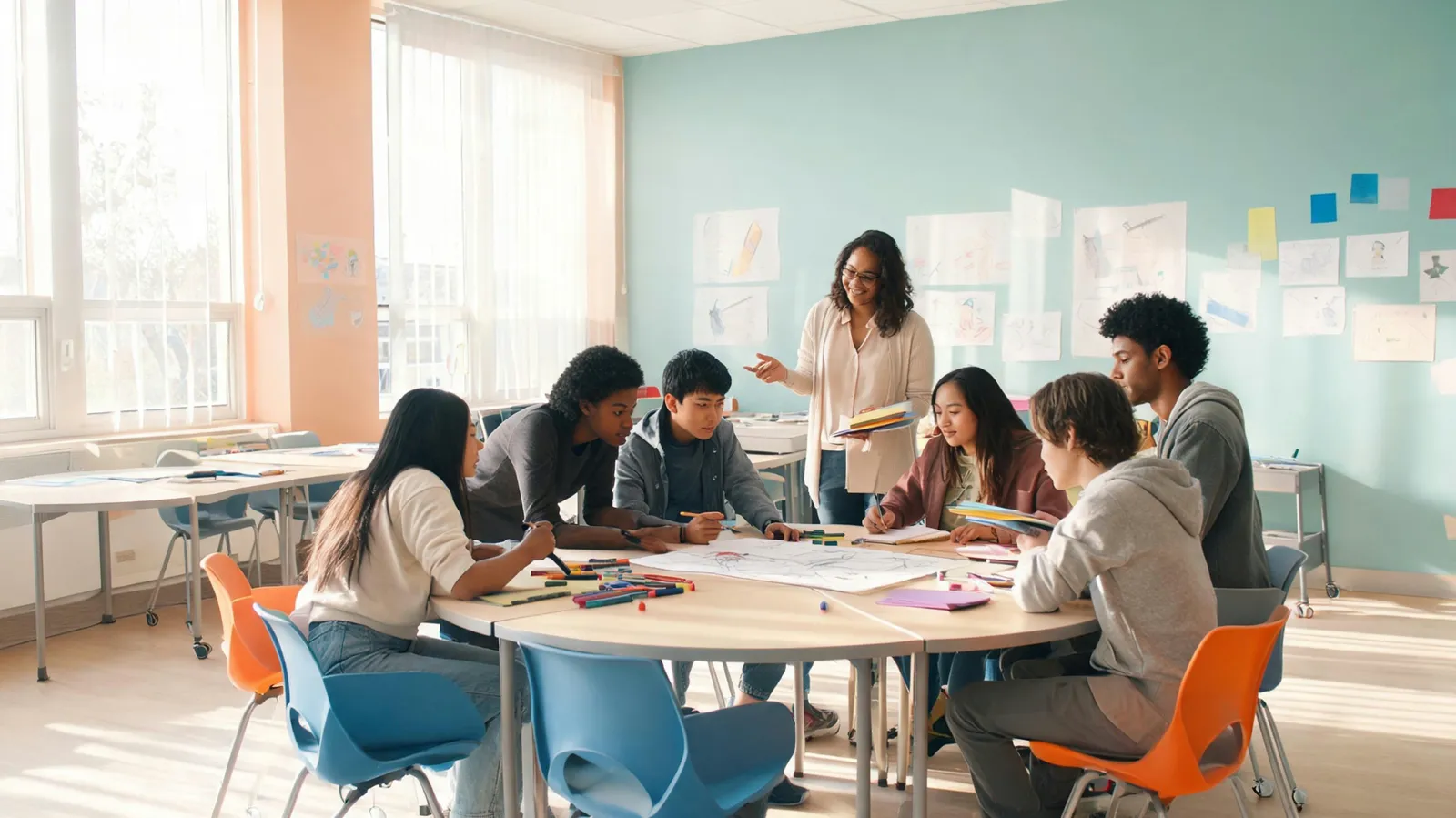
Professional development that equips teachers with creativity-fostering techniques is essential. Case studies of successful training initiatives—the Torrance Incubation Model among them—show substantial gains in student creativity. Data suggest that teachers' attitudes toward creativity directly affect student outcomes; teachers who value creativity are more likely to nurture it in their classrooms. Equally important is a safe, supportive classroom climate that encourages risk-taking and the sharing of ideas. Research on psychological safety and creativity finds that students are more creative when they feel safe expressing unconventional ideas. Classroom practices that promote open inquiry include allowing multiple answers, rewarding unique solutions, and modeling creative thinking.
A classroom where desks are grouped, walls display student work, and a 'wonder wall' invites questions, for example, fosters a culture of curiosity. Teachers can also use improvisation games and open-ended challenges to build a climate in which mistakes are treated as learning opportunities.
Assessing Student Creativity Without Stifling Intrinsic Motivation
Formative and authentic assessment strategies—portfolios, self-assessment, and peer feedback—are effective for measuring creativity while preserving motivation. Research on the benefits of formative assessment for creativity shows that ongoing feedback helps students refine their creative processes. Examples of rubrics designed to assess creative processes include criteria such as originality, fluency, flexibility, and elaboration. Balancing external evaluation with intrinsic motivation is critical to avoid undermining creativity. Studies of the overjustification effect indicate that excessive rewards can reduce intrinsic motivation. Recommendations for constructive, non-controlling feedback include focusing on the process rather than the product, using descriptive language, and encouraging self-reflection.
A teacher might, for instance, use a rubric that assesses the creative process—brainstorming notes and drafts—rather than only the final product. Peer feedback sessions in which students offer 'I like...' and 'I wonder...' statements can also support a growth mindset.
Conclusion
Curriculum design, teacher training, and assessment practices together form an ecosystem for creativity. Nurturing creativity is essential for preparing students for an uncertain future. The potential of integrating technology and personalized learning to further support creativity in education is vast. By adopting a holistic approach, educators can ensure that every student has the opportunity to develop their creative potential.