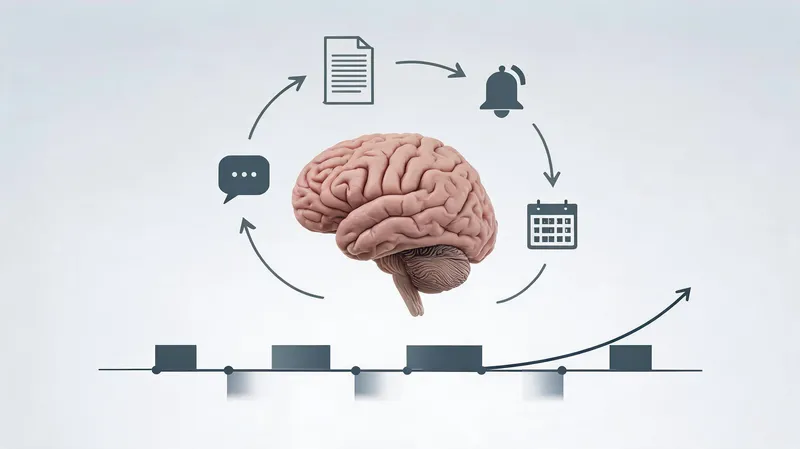
Employee Monitoring: Data Collection, Legal Ambiguity, and Policy Responses
Workplaces are increasingly equipped with monitoring technologies, ranging from email and keystroke logging to video surveillance, GPS tracking, and biometric sensors that track heart rate or fatigue. Industry surveys indicate that more than 60% of large U.S. employers now use some form of employee monitoring software—a share that has grown alongside remote work. These tools may offer productivity and security benefits, but they also raise serious privacy issues and legal uncertainty.
Regulation lags behind practice. The EU's General Data Protection Regulation (GDPR) imposes strict consent and data-minimization standards, yet how it applies to workplace monitoring is still disputed. In the United States, a mix of state laws—including the California Consumer Privacy Act (CCPA) and newer statutes in Illinois and Washington—provides uneven protections. Moreover, 'algorithmic management,' in which AI systems assign tasks, assess performance, and even discipline workers, further weakens worker autonomy and due process.
Policy proposals are beginning to take shape. Requiring mandatory impact assessments for monitoring technologies, similar to GDPR data protection impact assessments, would compel employers to justify surveillance. Worker consultation and transparency obligations—such as disclosing what data is collected and how it is used—can help build trust. Limits on continuous monitoring, particularly outside working hours, are critical. The EU's Platform Work Directive and proposed U.S. legislation such as the Algorithmic Accountability Act offer models for regulating automated decision-making in employment.
Some companies have adopted privacy-by-design monitoring, using anonymized data and emphasizing team-level metrics instead of individual surveillance. These best practices show that productivity and privacy can coexist, but a regulatory floor is needed to make them standard.
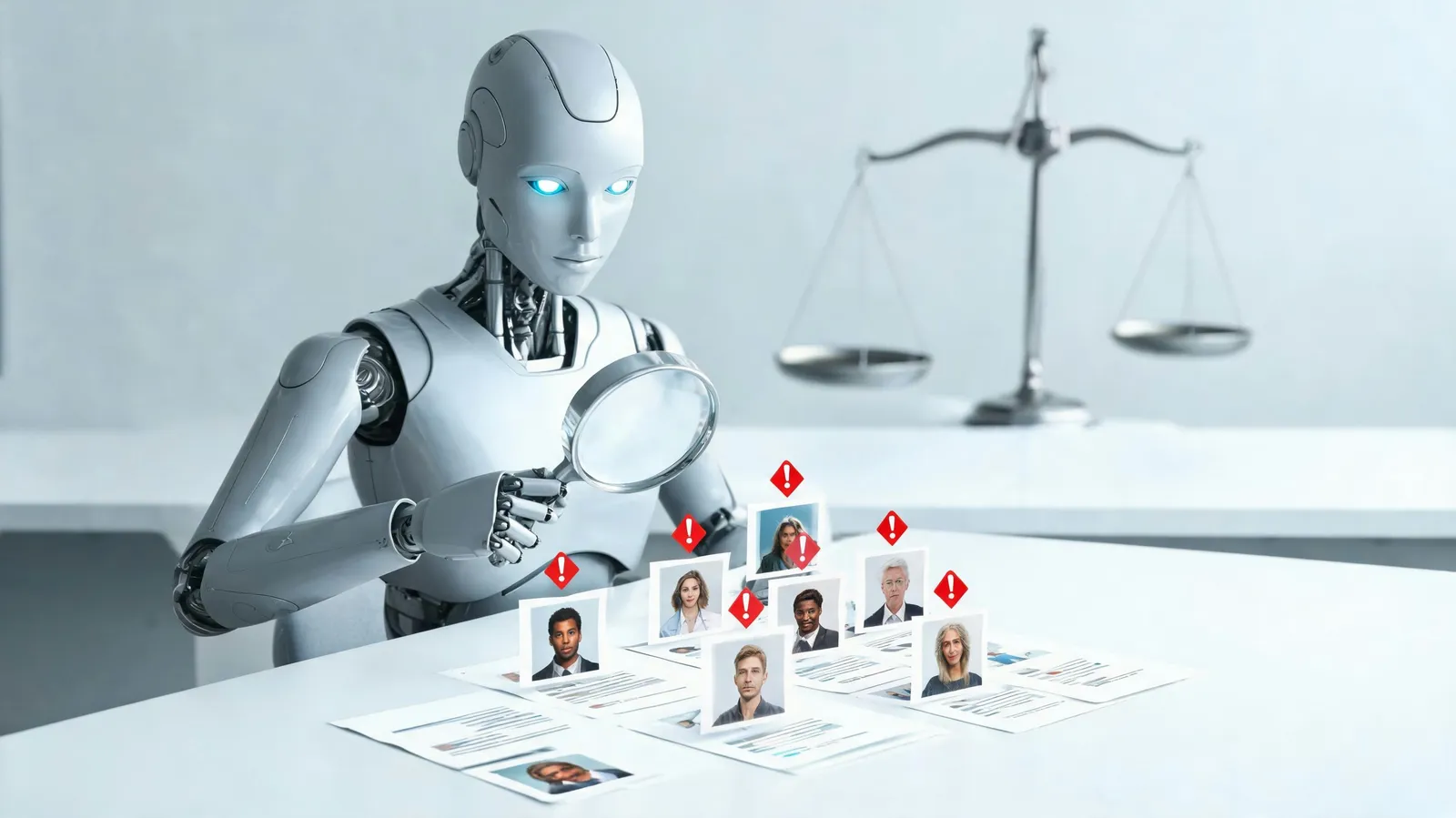
Bias and Fairness in AI-Driven Performance Analytics
AI systems are increasingly deployed to screen resumes, rate employee performance, and recommend promotions. Yet these systems can perpetuate and amplify bias. Bias can stem from many sources: historical data reflecting past discrimination, proxy variables correlated with protected characteristics, algorithmic design choices, and feedback loops that reinforce initial biases. Amazon famously scrapped an AI recruiting tool that penalized resumes containing the word 'women's,' and gig platforms have faced lawsuits over biased algorithmic pay and task allocation.
Defining and measuring fairness is difficult. Statistical parity, equal opportunity, and individual fairness offer different perspectives, each with trade-offs. For example, optimizing for demographic parity may reduce overall accuracy, while equal opportunity focuses on equal true positive rates across groups. The choice of metric has real consequences for who gets hired or promoted.
Governance strategies are emerging. Algorithmic impact assessments, bias audits, and explainability requirements can help. The EU AI Act classifies employment-related AI as high-risk, requiring strict conformity assessments. In the U.S., the Equal Employment Opportunity Commission (EEOC) has issued guidance on AI and the Americans with Disabilities Act. Standards from NIST and IEEE provide technical frameworks for bias mitigation. Diverse development teams and participatory design can also reduce blind spots.
Ultimately, fairness in AI-driven HR requires ongoing monitoring and accountability. Regular audits, transparent reporting, and avenues for worker appeal are essential to ensure that efficiency gains do not come at the cost of equity.
Labor Market Effects of Productivity-Enhancing Technologies: Governance for Inclusive Growth
AI and automation are reshaping employment. While some jobs are displaced, new roles emerge. McKinsey estimates that up to 30% of tasks in 60% of occupations could be automated, but historical parallels suggest that technology also creates new industries and occupations. The challenge is managing the transition fairly.
Wage polarization and the gig economy are growing concerns. AI-driven management can lead to unstable incomes, as algorithms set pay and schedules without human negotiation. Gig workers often lack benefits and collective bargaining rights. Platform cooperatives and alternative models, such as worker-owned apps, offer potential remedies but need supportive policies.
Policy levers include lifelong learning accounts, portable benefits, and antitrust enforcement in labor markets. Denmark's flexicurity model combines easy hiring and firing with generous social safety nets and retraining, while Singapore's SkillsFuture provides individual learning credits. Proposals for a 'robot tax' to fund retraining have sparked debate but face criticism for potentially stifling innovation.
Governance must ensure that productivity gains are shared broadly. This means investing in education and training, strengthening social protections, and promoting inclusive growth through targeted incentives for responsible automation.
Integrating Ethics and Governance: A Multi-Stakeholder Framework
No single actor can govern the algorithmic workplace alone. A multi-stakeholder framework is needed, involving governments, businesses, civil society, and workers. Agile regulation—through sandboxes, co-regulation, and international cooperation—can balance innovation with protection. The ILO and OECD provide platforms for setting global labor standards.
Corporate responsibility is crucial. Embedding ethics by design, establishing worker data rights, and fostering transparency can build trust. Frameworks like the Ethical AI Toolkit and ISO/IEC 42001 offer guidance. Companies with exemplary practices, such as those that publish algorithmic impact assessments, set a positive example.
Civil society and unions play a vital role in advocacy and monitoring. Union-led campaigns have successfully pushed back against intrusive monitoring, and worker data cooperatives give employees collective control over their data. These efforts complement regulatory and corporate initiatives.
Ultimately, a holistic governance model must be adaptive and human-centric, ensuring that technology serves both efficiency and human dignity.
Conclusion
The algorithmic workplace presents a triple challenge: privacy-invasive monitoring, biased AI, and labor market disruption. Without proactive policy and ethical guardrails, the productivity gains from these technologies will come at an unacceptable social cost. A multi-stakeholder approach—combining regulation, corporate responsibility, and worker empowerment—can steer innovation toward fair and inclusive outcomes. A global dialogue is needed to develop adaptive, human-centric regulations that uphold both efficiency and human dignity.