The Hidden Toll of Interruptions: Switching Costs and Productivity Drain
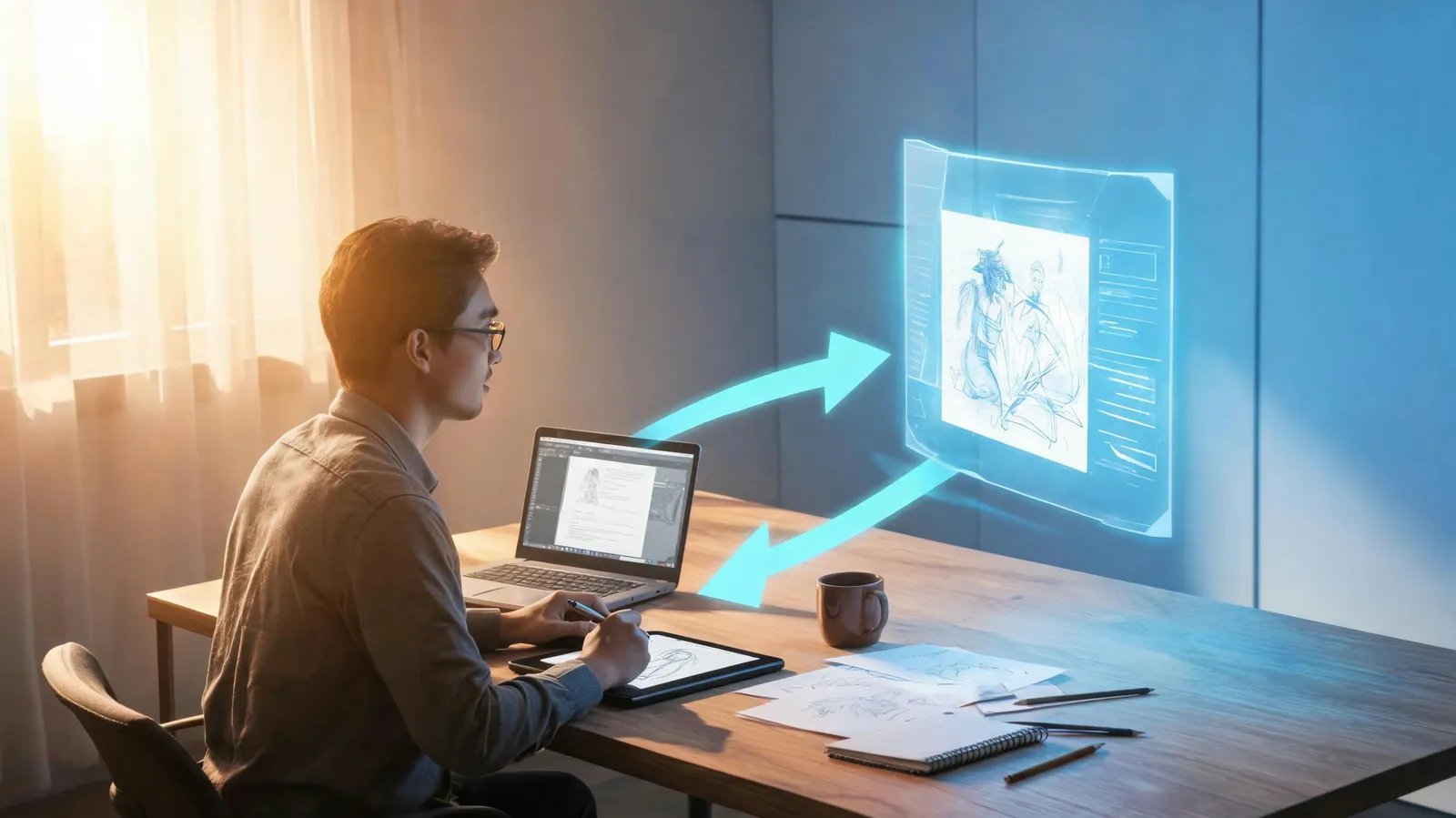
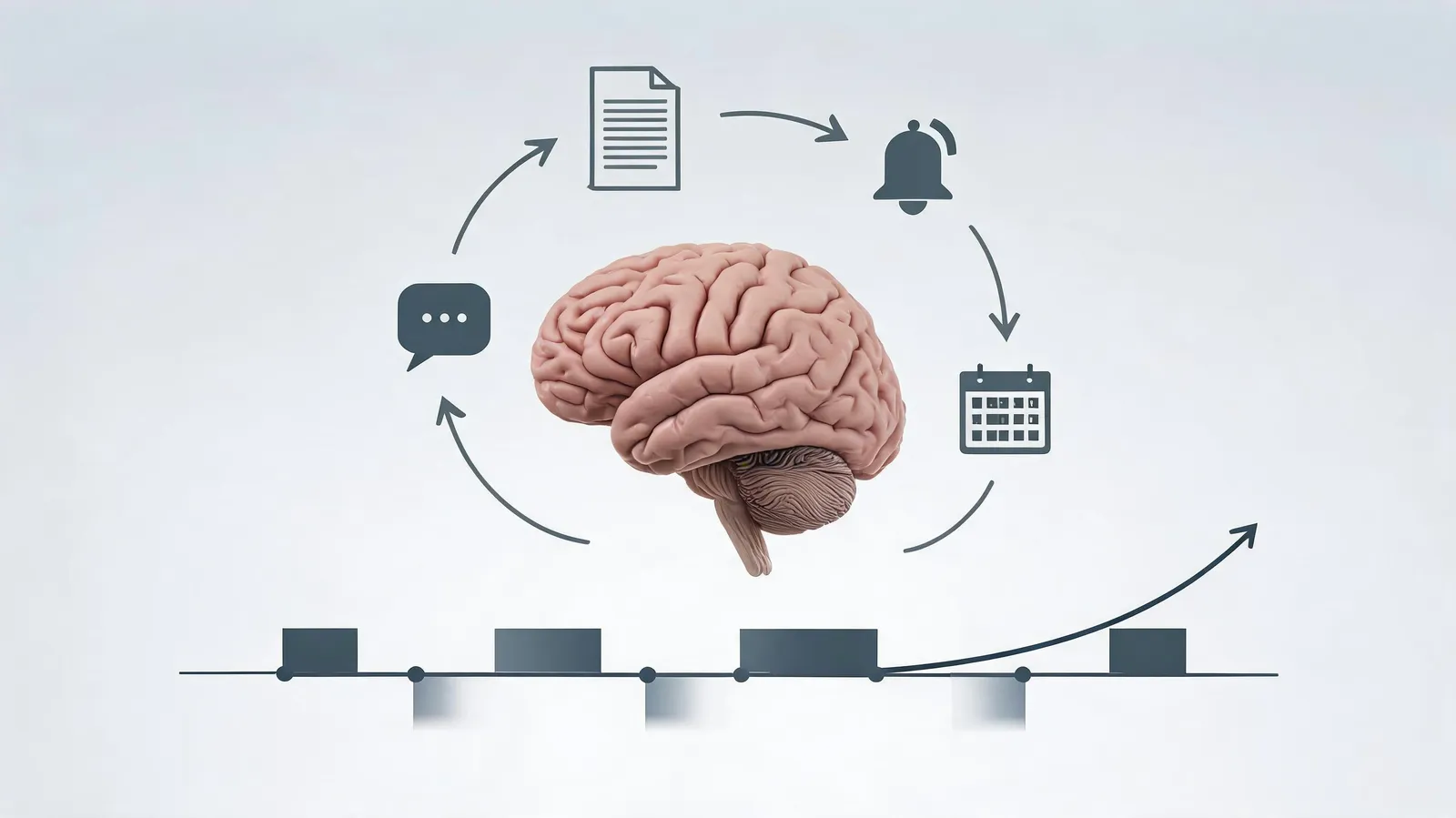
The mental energy and time required to shift between tasks is known as cognitive switching cost. When you leave a deep work task to check a notification, your brain must disengage from one set of rules and re-engage with another. This process depletes mental resources and lowers output quality. Studies indicate that context switching can cause up to 40% productivity loss in knowledge work. Take a software developer who checks email every 10 minutes: debugging code may take twice as long compared to a developer who batches communication.
Digital notifications and open-plan office distractions compound the problem. The average office worker receives more than 100 notifications daily. Each interruption not only consumes time but also raises error rates and stress. In open-plan offices, background conversations and visual disturbances further fragment attention. Case studies from tech companies show that interruption-heavy environments are linked to lower employee satisfaction and slower project completion.
Designing for Focus: Schedules, Spaces, and Digital Environments
Time-blocking and deep work rituals are key to structuring the day for sustained concentration. Cal Newport's deep work philosophy suggests scheduling 90-minute blocks for cognitively demanding tasks. Productivity data from time-blocking practitioners shows a 30% increase in output quality. For instance, a marketing manager who blocks 9 AM to 11 AM for strategy work resists the urge to check email and completes more high-impact tasks.
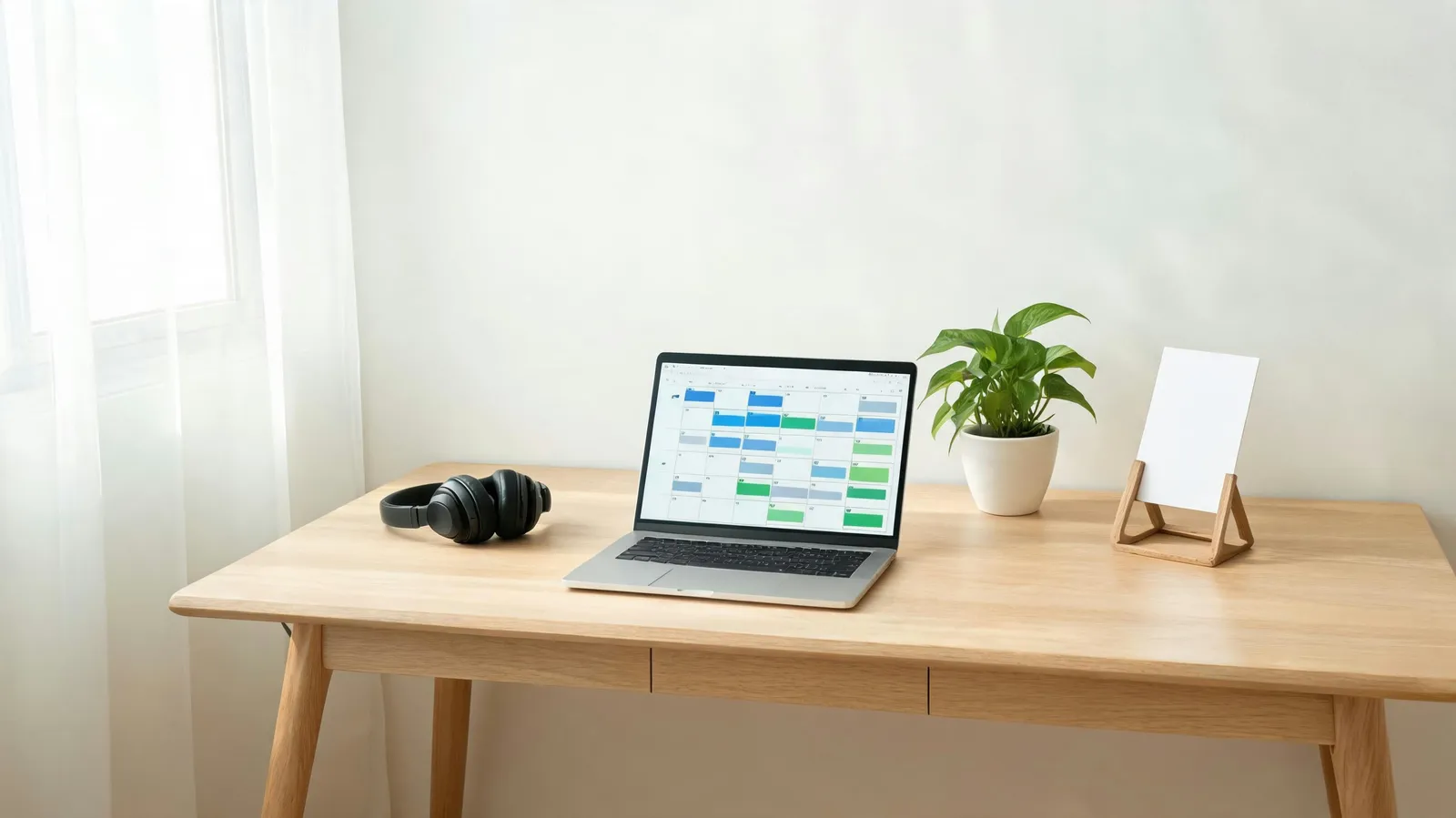
Physical workspace design also plays a role. Studies comparing open-plan and private offices show that private spaces reduce visual and auditory distractions, improving focus by up to 25%. Practical tips include using noise-cancelling headphones, adding plants, and creating a 'deep work in progress' sign. At home, a dedicated desk with minimal clutter and soft lighting can signal to your brain that it's time to focus.
Digital environment hygiene is equally critical. Turning off non-essential alerts, using focus modes, website blockers, and batching communication can protect your attention. Best practices include setting specific times for email and chat, using apps like Freedom or Cold Turkey, and keeping your phone in another room during deep work blocks.
Organizational Levers: Notification Management and Meeting Hygiene
Notification management policies can transform workplace culture. Async communication, clear response-time expectations, and channel discipline reduce interruptions. Companies that adopted async-first communication, such as GitLab and Doist, report reduced stress and increased focus. Data shows that limiting notifications to urgent matters only can boost productivity by 20%.
Meeting hygiene is another lever. Fewer, shorter, and more purposeful meetings free up deep work time. Statistics reveal that the average employee spends 16 hours per week in meetings, often with unclear agendas. Frameworks like 'no-meeting days' and 'default to 25-minute meetings' help. For example, a finance team that implemented no-meeting Wednesdays saw a 35% increase in project completion rates.
Personal Systems for Sustained Concentration and Recovery
Building a deep work routine involves triggers, duration, and tracking. Examples include a daily 90-minute block at 8 AM, a cup of tea as a trigger, and a simple log of deep work hours. Research on habit formation shows that consistent cues and rewards strengthen focus endurance. Tracking your deep work hours can motivate you to protect them.
Recovery and attention restoration are vital. Studies on attention restoration theory show that breaks in nature, even 10 minutes, restore directed attention. Data links adequate sleep and physical activity to improved cognitive performance. For instance, a programmer who takes a short walk after lunch returns with better problem-solving skills. Prioritize sleep, take micro-breaks, and spend time outdoors to sustain deep work over the long term.
Conclusion
Reclaiming deep work in the attention economy requires a multi-layered approach. Understanding interruption costs, designing focus-friendly schedules and spaces, implementing organizational policies for notification and meeting hygiene, and building personal systems for concentration and recovery all work together. Deep work is a competitive advantage and a path to more meaningful work. As AI and intelligent tools evolve, they can either further fragment attention or help protect focus—depending on how we design and use them. By choosing to reclaim focus, individuals and organizations can thrive in a world of endless distraction.